The Smell of Molten Projects in the Morning

Ed Nisley's Blog: Shop notes, electronics, firmware, machinery, 3D printing, laser cuttery, and curiosities. Contents: 100% human thinking, 0% AI slop.

Author: Ed

  • 0D3 Voltage Regulator Tube

    A quartet of ceramic octal tube sockets arrived from halfway around the planet and matched up nicely with the business end of a 0D3 voltage regulator tube from the Hollow State Electronics box:

    0D3 voltage regulator tube in socket
    0D3 voltage regulator tube in socket

    If the 1-48 on the side of the tube base (facing away in the picture) means anything, then General Electric built it in January 1948.

    The pinout view in the datasheet assumes you’re looking at the bottom of the socket, which makes perfect sense given the hand-wired chassis construction techniques of the day:

    0D3 Voltage Regulator Tube - pinout
    0D3 Voltage Regulator Tube – pinout

    So the view is backwards when seen from the top, not that you’d ever need it:

    Ceramic octal tube socket - 0D3 pinout
    Ceramic octal tube socket – 0D3 pinout

    The internal jumper across pins 3-7 allows you to disconnect the downstream circuit when the regulator isn’t in the socket, which is a Very Good Idea with a shunt regulator.

    Not having a 200 V power supply ready to hand, but having recently restocked the 9 V alkaline battery box, this actually worked:

    0D3 voltage regulator test setup
    0D3 voltage regulator test setup

    That’s 16 x 9-ish V = 150 V across the battery terminals, plus a 50 V adjustable bench power supply coming in on clip leads from the upper right, with current shown on a digital panel meter across a 1 Ω sense resistor. The classic 1.5 kΩ carbon resistor emerged from from a coffee can of parts that Came With The House™ and seemed appropriate for the occasion.

    The tube conducts a few milliamps through a small plasma filament discharge at 150 V. The current ramps up to about 10 mA as the supply voltage increases to 180 V, whereupon the tube fires and the current jumps to 30 mA (which is less than the spec, but I ran the power supply in constant-current mode to avoid whoopsies).

    Reducing the current to 10 mA slightly reduces the area involved in the plasma discharge, but the tube still produces a nice display through the mica spacer / insulator atop the plate:

    0D3 voltage regulator - 10 mA current
    0D3 voltage regulator – 10 mA current

    That isn’t quite in focus, but should give you the general idea.

    I didn’t measure the operating voltages across the tube, mostly because I didn’t want more cheap clip leads cluttering the bench.

    It’d make a very low intensity nightlight that dissipates a watt or two. Boosting the current to the absolute maximum 40 mA would brighten it up a bit, but dissipating 6 W in the tube probably won’t do it any good.

    This obviously calls for an Arduino monitoring the tube current with a Hall-effect sensor and regulating it with a hulking MOSFET…
  • Documentation Always Lags the Hardware

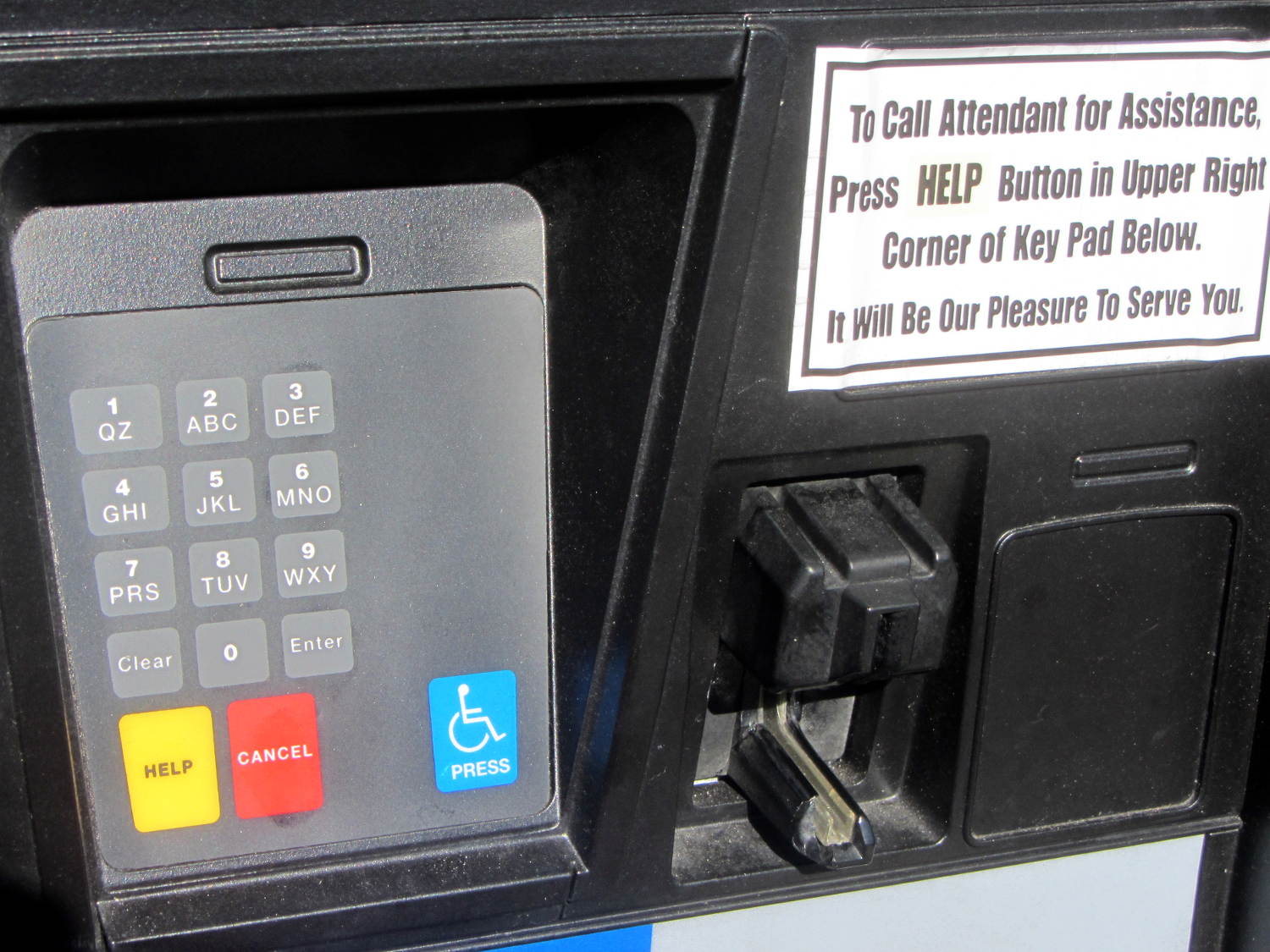
    Found at the last rest area in Massachusetts on I-90 westbound:

    Gas Pump Instructions
    Gas Pump Instructions

    I suppose you just poke buttons until something happens…

  • NSA Zipper Pull Tab: Recovered!

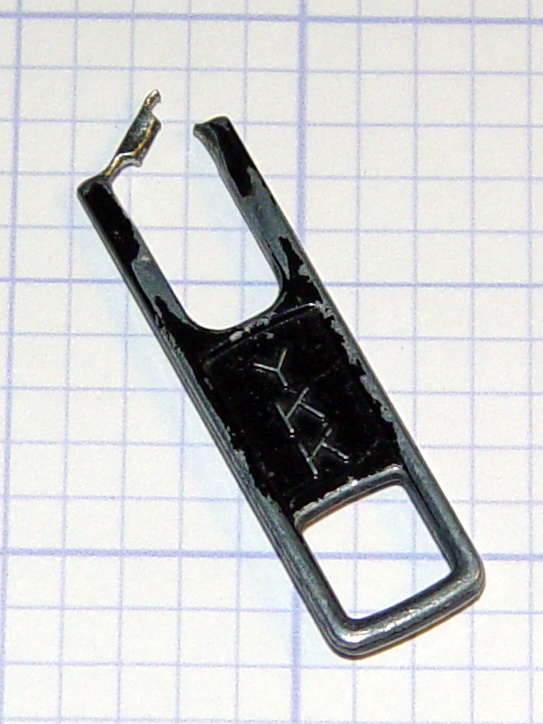
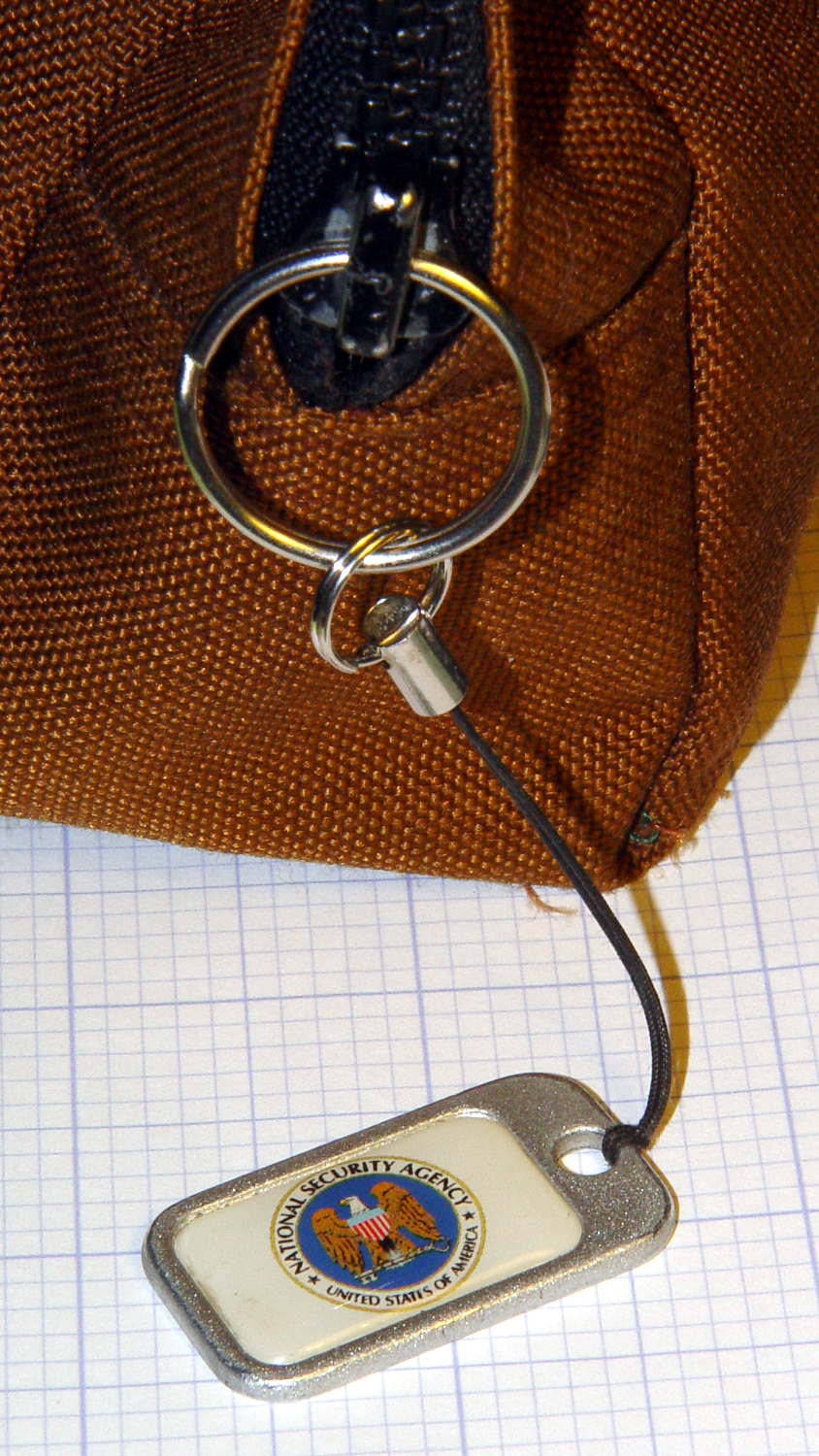
    The NSA pull tab went missing from my belt pack on the way back from a Squidwrench meeting and, despite diligent searching, remained missing for a several weeks. It reappeared from far under the Forester’s front seat, still attached to the severely eroded YKK zipper pull tab:

    Eroded YKK Zipper Tab
    Eroded YKK Zipper Tab

    A stout jump ring from the heap should avoid that problem for the foreseeable future:

    NSA Zipper Pull - restored
    NSA Zipper Pull – restored

    Dang, I missed that thing…

  • Forester Load Capacity

    You never realize how big automobile tires are, until you see them out of context:

    Forester loaded with Sienna snows
    Forester loaded with Sienna snows

    The Sienna spends its days commuting near what used to be the engineering glory of Rt 128, and snow season is comin’ on strong. We hauled the snows out and the summer tires back on our way to a brief vacation on Cape Cod.

    I have no illusions that the two ratcheting straps on each pair of tires + wheels will hold them in place during an actual crash, but at least they’re not rattling around. The tiedown points next to the hatch have a 20 kg load limit, which is pretty close to the weight of a single tire + wheel. The rear seat anchors aren’t rated as tiedown points, but, hey, if they can hold the seat up during a crash, they’re good enough for me.

    We’ve always packed lightly and, these days, we bring no more than absolutely necessary. Those tires sure didn’t leave room for much else…

  • Realigning Tweezer Tips

    It’s been a while since the last time I repointed the tweezer collection, but eventually they get to the, ah, point where you can’t pick up a hair:

    Misaligned tweezer jaws
    Misaligned tweezer jaws

    In the midst of shaping the tip of another tweezer:

    Tweezer jaw tips
    Tweezer jaw tips

    The jaws meet at the point, but those end bevels definitely need more attention!

    All in all, a pleasant half hour of Quality Shop Time:

    Realigned tweezers
    Realigned tweezers
  • Why I Run Ad Blockers on All My Browsers

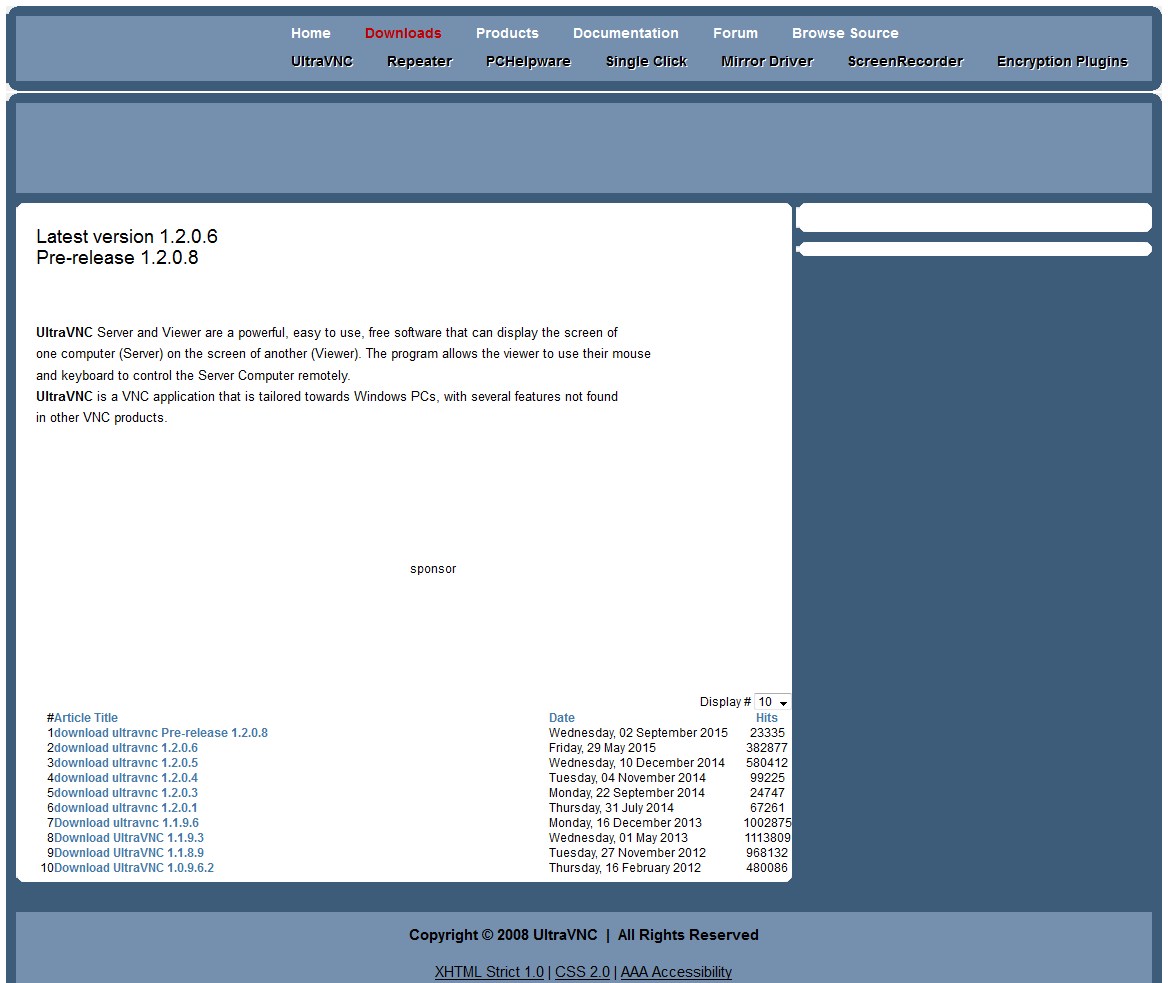
    The latest new-to-me off-lease Dell PC arrived with Windows 7, which means that I must install UltraVNC (that’s uvnc.comnot the obvious URL, alas) to enable remote desktop access. Here’s what the download page looks like through a fresh copy of Firefox, without ad blocking:

    UltraVNC Download - with ads
    UltraVNC Download – with ads

    Notice that the prominent “Start Download” label-and-button in the middle of the page isn’t the one you want, nor are any of the other things that say “Download”. If you’re not a techie and don’t quite know what you’re looking for, there’s no hope for you.

    Here’s what it looks like with all the ads suppressed:

    UltraVNC Download - minus ads
    UltraVNC Download – minus ads

    Granted, that’s not the most user-friendly download site I’ve ever seen and, most likely, non-techies won’t venture there, but … suppressing the ads certainly eliminates a tremendous amount of noise.

    WordPress places ads on my blog and I get a cut of the revenue, so I am not without a certain conflict of interest. I could forego the ad revenue (currently about 60 ¢/day), which wouldn’t eliminate the ads; WordPress simply pockets my cut in addition to theirs. I could also pay WordPress 30 ¢/day to completely suppress the ads (and get other features I don’t care about), for a net cost of a dollar a day to not show ads.

    Hey, who wants to sign up as a Patreon donor? [grin]

  • A Mystery Block of Electronics

    Back in the day, this surely represented an achievement in high-density electronics packaging:

    Electronics Block - 1
    Electronics Block – 1

    A view from the other corner suggests the layout wasn’t quite right:

    Electronics Block - 2
    Electronics Block – 2

    It has no identification, the transistors have house numbers, and the PCB looks like a prototype. As nearly as I can tell from the capacitor date codes, it dates back to the mid-1960s.

    Two pairs of electrically isolated and thermally bonded transistors suggest an analog Class-AB driver + amplifier or a pair of digital flipflops, but there’s no way to tell.

    Judging from the ugly solder and dislodged via rings, somebody had to apply extensive modifications after initial assembly; it trailed half a dozen red wires soldered to vias and components.

    One hopes it eventually worked…