Ed Nisley's Blog: Shop notes, electronics, firmware, machinery, 3D printing, laser cuttery, and curiosities. Contents: 100% human thinking, 0% AI slop.
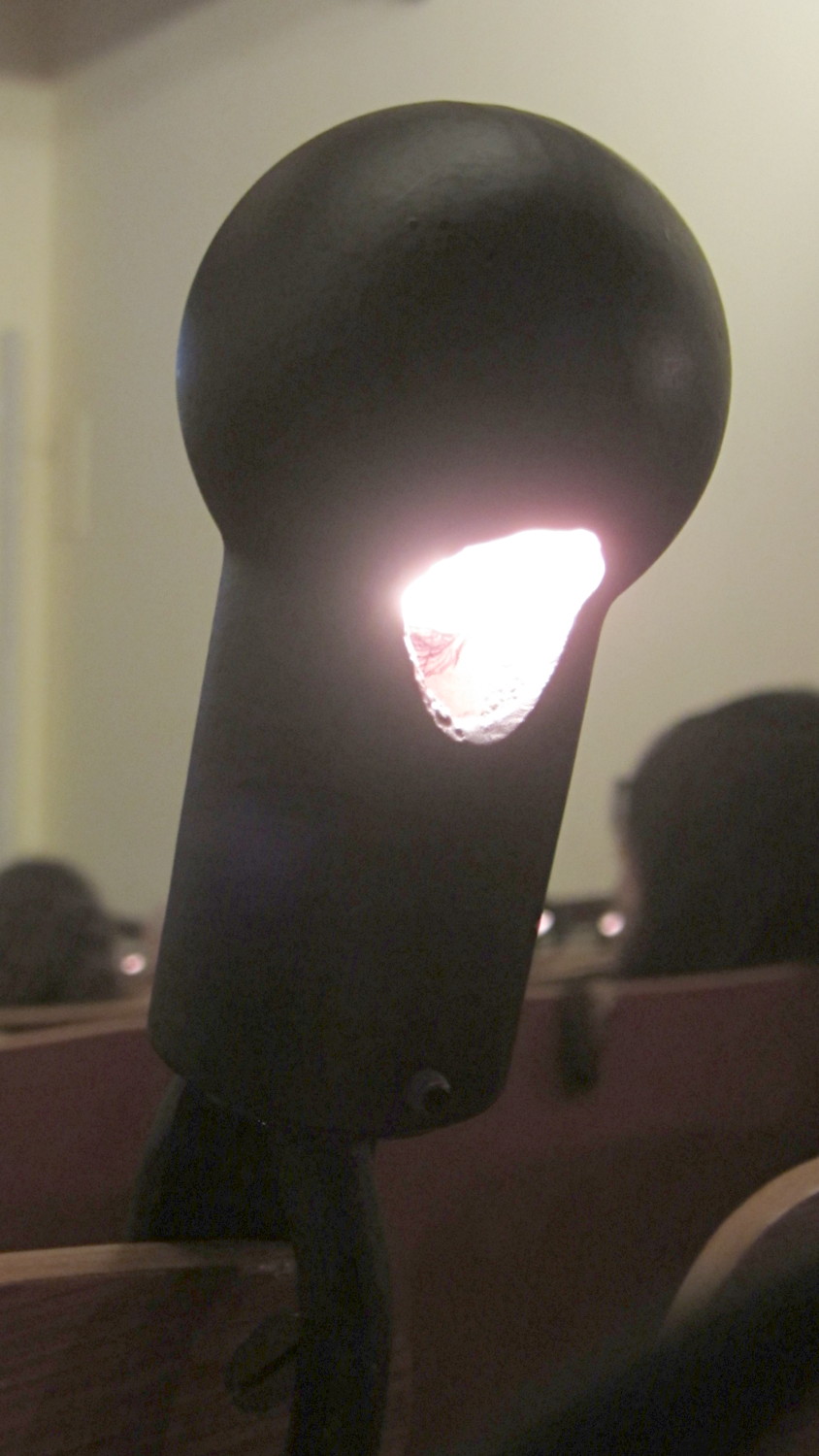
We attended a talk in the Taylor Hall Auditorium at Vassar College, which features lovingly restored lamps that illuminate the pull-up desks on each seat:
Vassar Taylor Hall – desk lamp
The housing consists of black-painted cast iron, with a 7 W (“Christmas tree”) incandescent bulb keeping it pleasantly warm to the touch. A metal conduit connects the lamp to the main conduit running parallel to the seat rows at the edge of each step. Another hole on the other side cast light upward toward the ceiling, perhaps providing general room light in the Good Old Days.
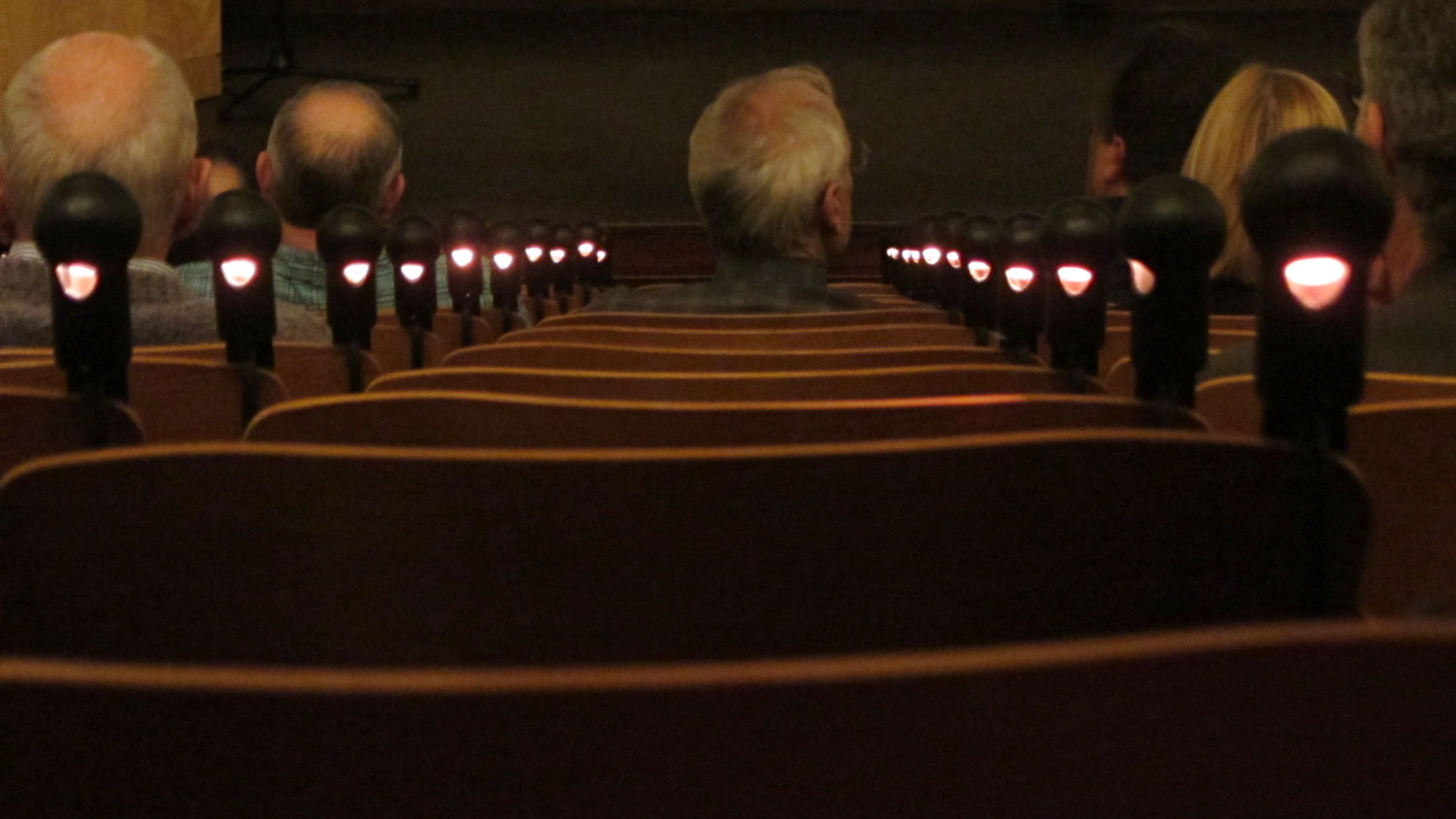
The restored seats are much wider than dictated by contemporary standards, perhaps allowing enough room for the classic conical skirts often seen in historic Vassar photographs:
Vassar Taylor Hall – desk lamp perspective
That’s about 170 W of light down those two rows. I didn’t think to run the numbers at the time, but there’s gotta be a kilowatt of those little lamps in that auditorium!
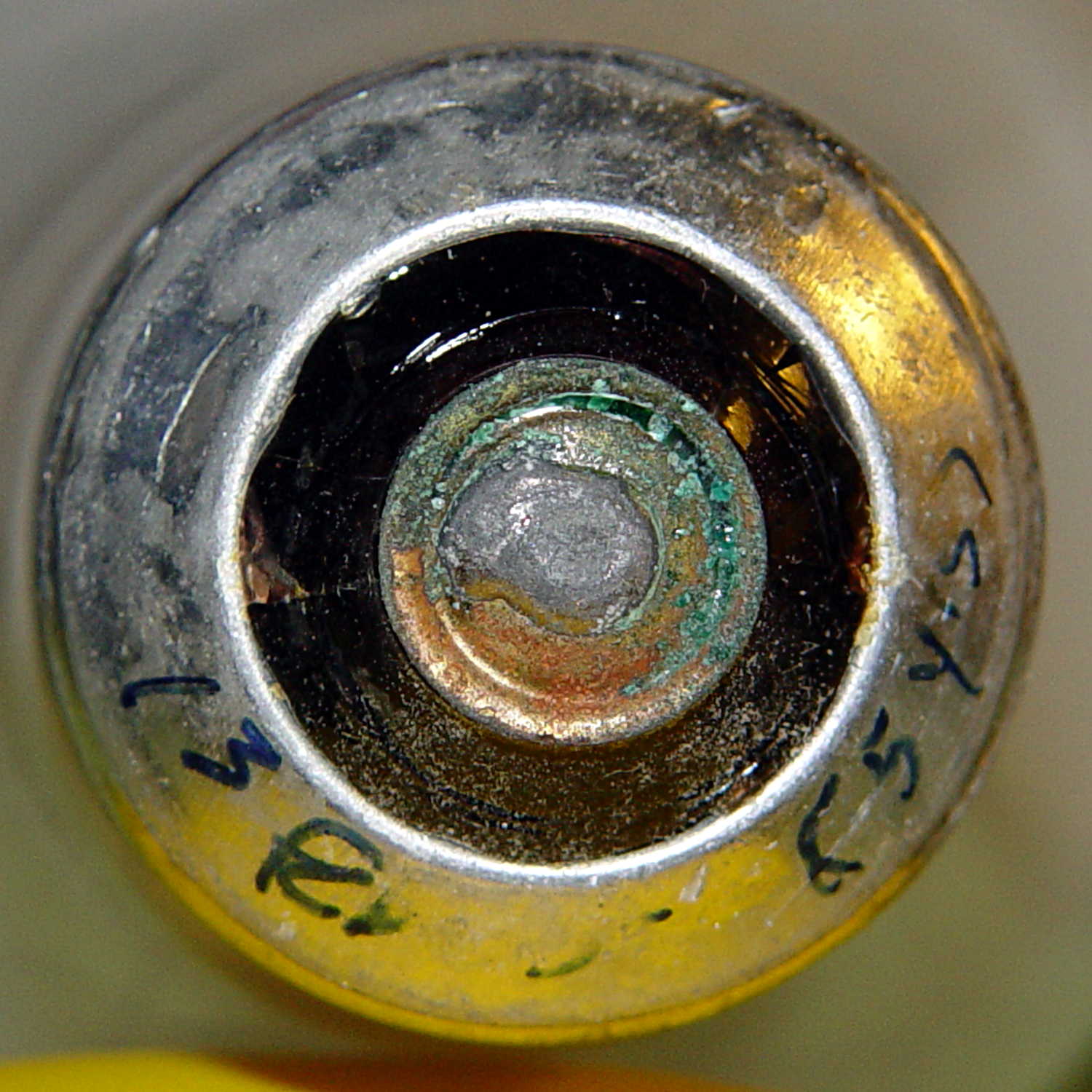
Two 40 W incandescent bulbs in the front bathroom burned out within a few days of each other. Being that type of guy, I know that I installed this bulb nine years ago:
Bulb base – install date
The date is easier to read with the bulb in hand: 13 Feb 05. The (5 yrs) indicates the previous bulb in that socket lasted five years.
The other bulb date went in during March 09, so it survived only five years; the previous bulb lasted 6 years.
Even though 40 W incandescent bulbs are history, maybe I have enough spares on the shelf that the next owner can replace ’em with cheap LEDs.
This may not be science, but it does have numbers…
Springtime moves the Bird Box Cleanout chore to the front of the to-do list…
Three different species used this box in succession:
Bird box – stacked nests
Those tiny birds haul all this stuff into the boxes one twig / feather / strand at a time:
Bird box nests
The big branches come from a pick-up-sticks session; we don’t have birds that big around here!
One nest sported a decorative yellow plastic ribbon that the bird surely regarded as a rather tough bit of grass:
Bird nest with plastic strand
They could handle this job on their own, but we think we can reduce the number of parasites by airing out the boxes. We should do the cleanout in the fall to provide nice empty cavities that they can use for winter shelter, but they seem perfectly happy to snuggle together atop the nests in the cold and the dark…
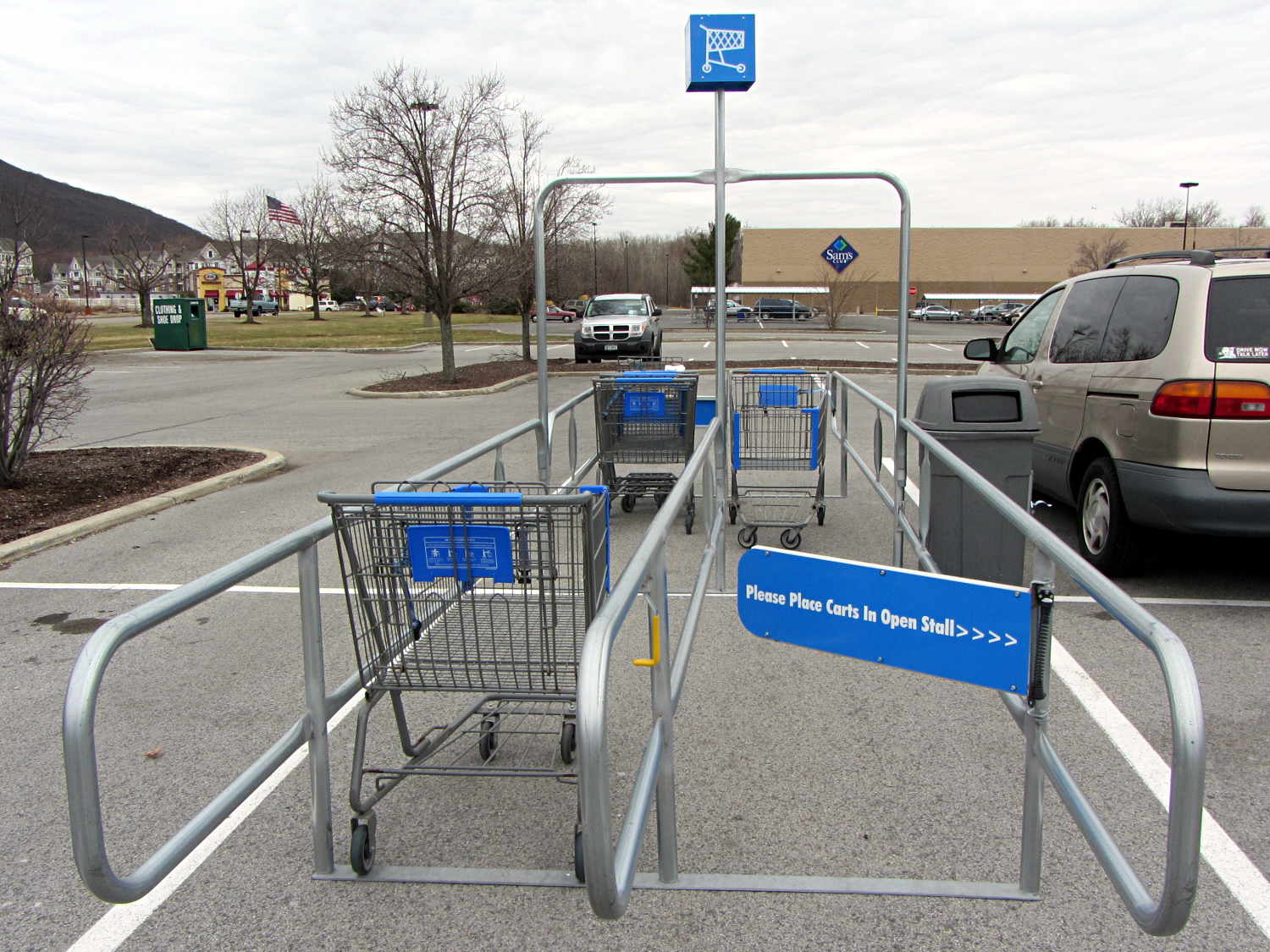
Setup: the local Walmart just replaced all their cart corrals.
What’s wrong with this picture?
Walmart cart corral – incorrect assembly
As nearly as I can tell, the installers permuted the railings; a simple three bit rotate-left-by-one operation would fix it.
Not much to my surprise, every single corral looks like that; either the instructions were wrong or, more likely, the installers never read the instructions. Obviously, they didn’t think about the results and nobody ever checked the final result.
Prediction: the corrals will look like that forevermore…
I took that picture back in mid-1969, near the Hummelstown, PA water treatment and pumping plant.
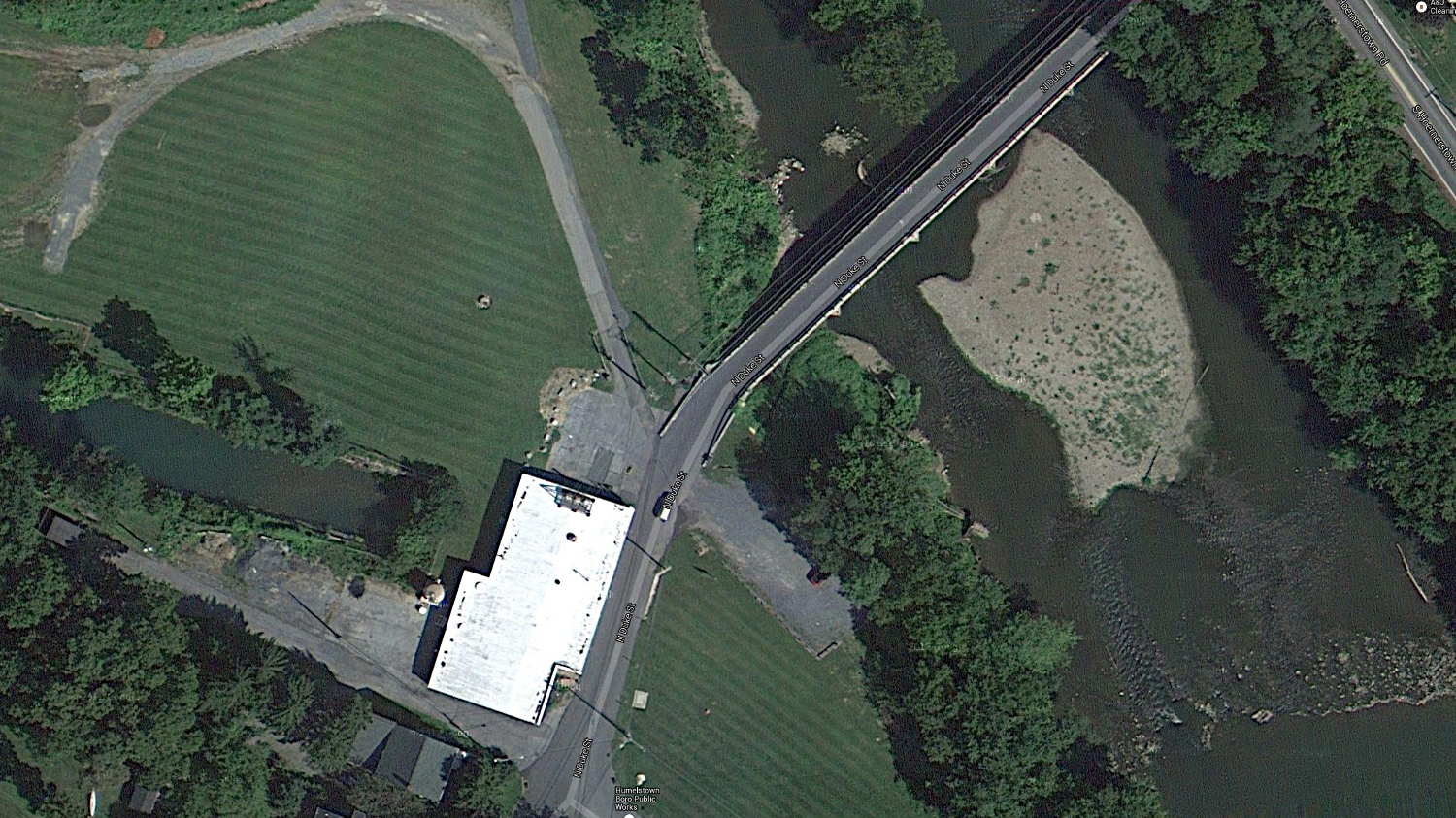
The overhead view now shows a small tank behind the water plant, with that house just across the access road at the bottom of the image:
Hummelstown PA water plant – overhead – ca 2013
Judging from the perspective and the row of bushes, the old tank probably stood across the (now abandoned) tailrace, near that little dot in the mowed area. The dam (in the lower right corner) washed away during a flood some decades ago; I have no idea where Hummelstown gets its water.
That once-spiffy limestone house, built with stone from a local quarry, has fallen on hard times:
Hummelstown PA water plant – ca 2013
The pump house features Hummelstown Brownstone, which also appears in the finest old buildings all along the East Coast. If you poke around the area, you’ll find traces of the Hummelstown Brownstone Company, including several of their quarries. If I recall the story correctly, my father was Mr. Walton’s chauffeur.
The other house may have vanished when the Graystone Farms development ate the surrounding area. Unlike most housing development names, where the name indicates something obliterated to make way for the houses, that area still has plenty of gray limestone:
Hummelstown PA water plant – Pennsy Supply Quarry – ca 2013
That’s an active limestone quarry, even if they’re not excavating the main pit these days. The orange marker in the lower left marks the water plant; Graystone Farms in the corner. Yeah, that’s a big pit.
I digitized my slide collection somewhere around the turn of the current millennium. This slide faded to a distinct magenta tint that I’ve removed with crude color correction, plenty of dust mars the image, and so forth and so on, but I (still) sympathize with that poor guy faced with a daunting task.
Imagine a kid with a camera poking around an active water treatment station in this day and age…
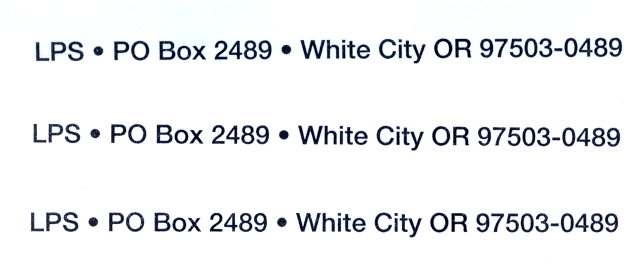
Three envelopes arrived in the same mailing, all bearing the same return address across the back:
PublishersPayment – Three Return Addresses
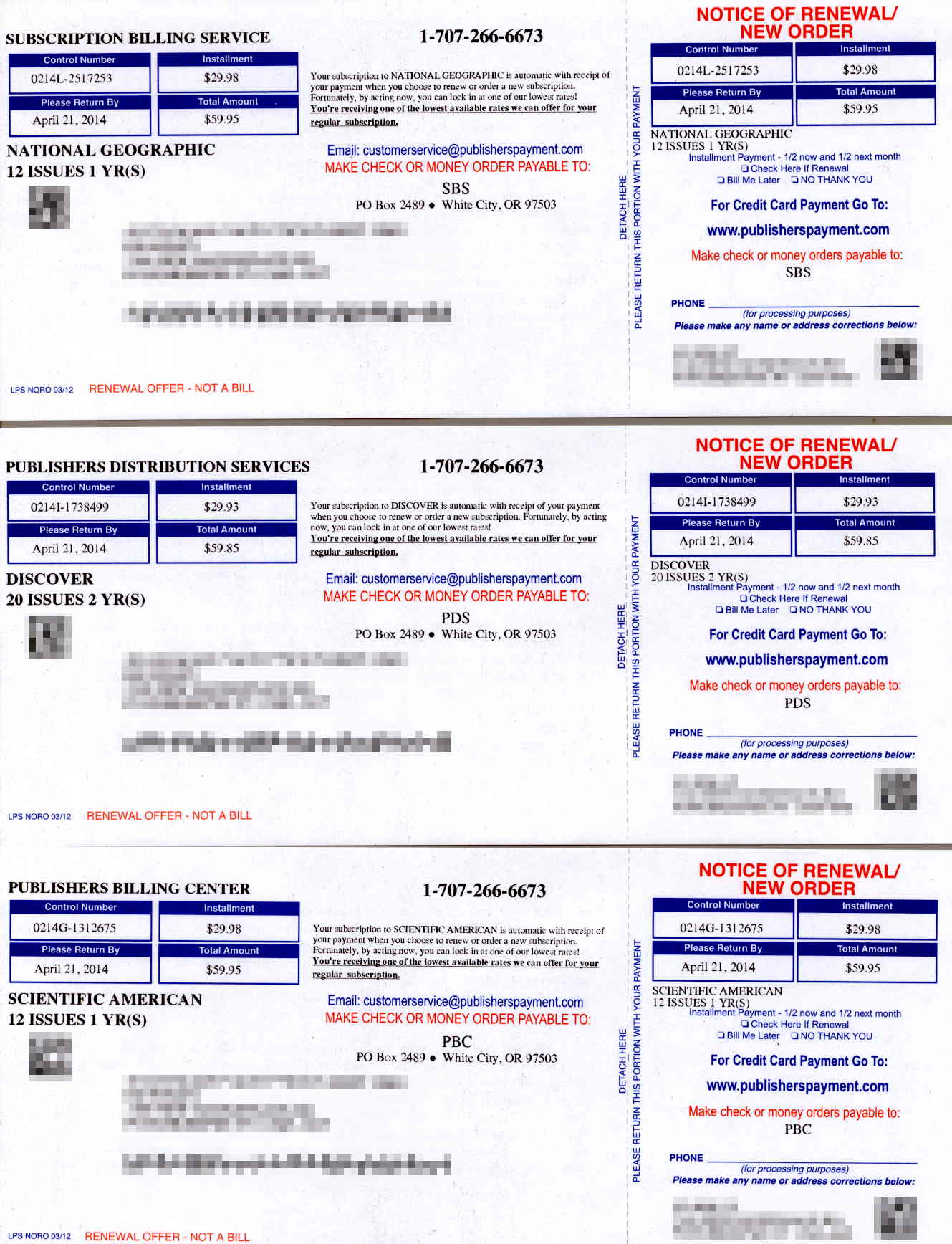
By now, I know what’s inside the envelopes and simply toss them in the recycling, but getting three at once seemed worth investigating. Inside, they’re not quite identical:
PublishersPayment – Three Renewal Scams
So SBS, PDS, and PBC are all snuggly in White City, Oregon, with LBS somewhere just offstage…
Apparently enough people miss the warning on the back to justify the expense of the junk mailings.
It’s nice work for someone with absolutely no ethics whatsoever. At least they’re not phoning us, so maybe they’re not complete asshats…