Ed Nisley's Blog: Shop notes, electronics, firmware, machinery, 3D printing, laser cuttery, and curiosities. Contents: 100% human thinking, 0% AI slop.
The maple at the far end of the driveway sprouted sapcicles (or maybe sapsicles) after a brief warm spell woke it up in early March:
You can break them off and eat them like Popsicles, but they’re not nearly as sweet as you’d imagine. We’ve boiled sap into syrup and can report from personal experience that the 40:1 boildown ratio is no myth…
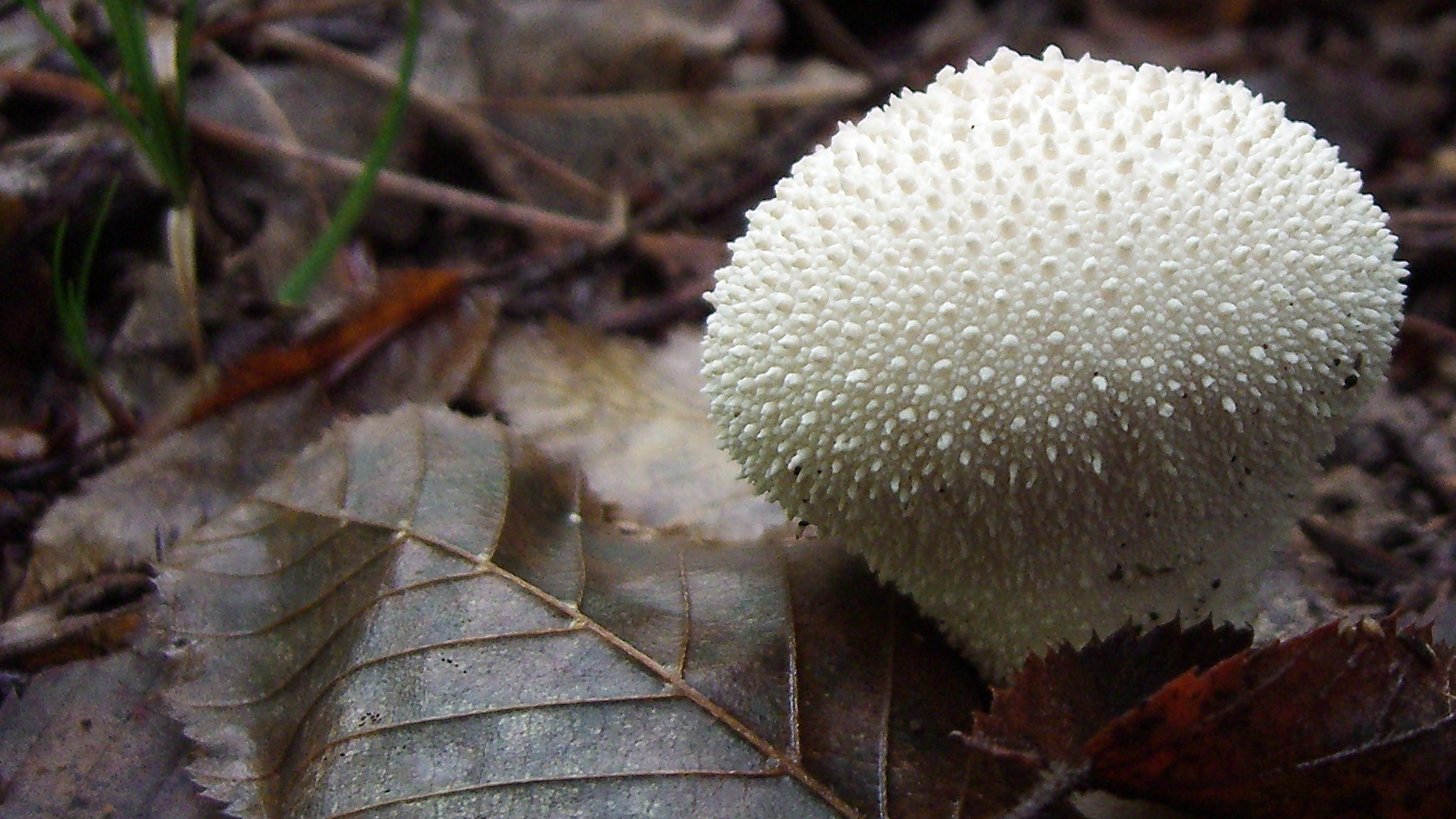
This wonderful texture lives at the top of Cochran Hill Road, where I spotted it on a recent walk. That tiny hole on the right trunk suggests more trouble than meets the human eye…
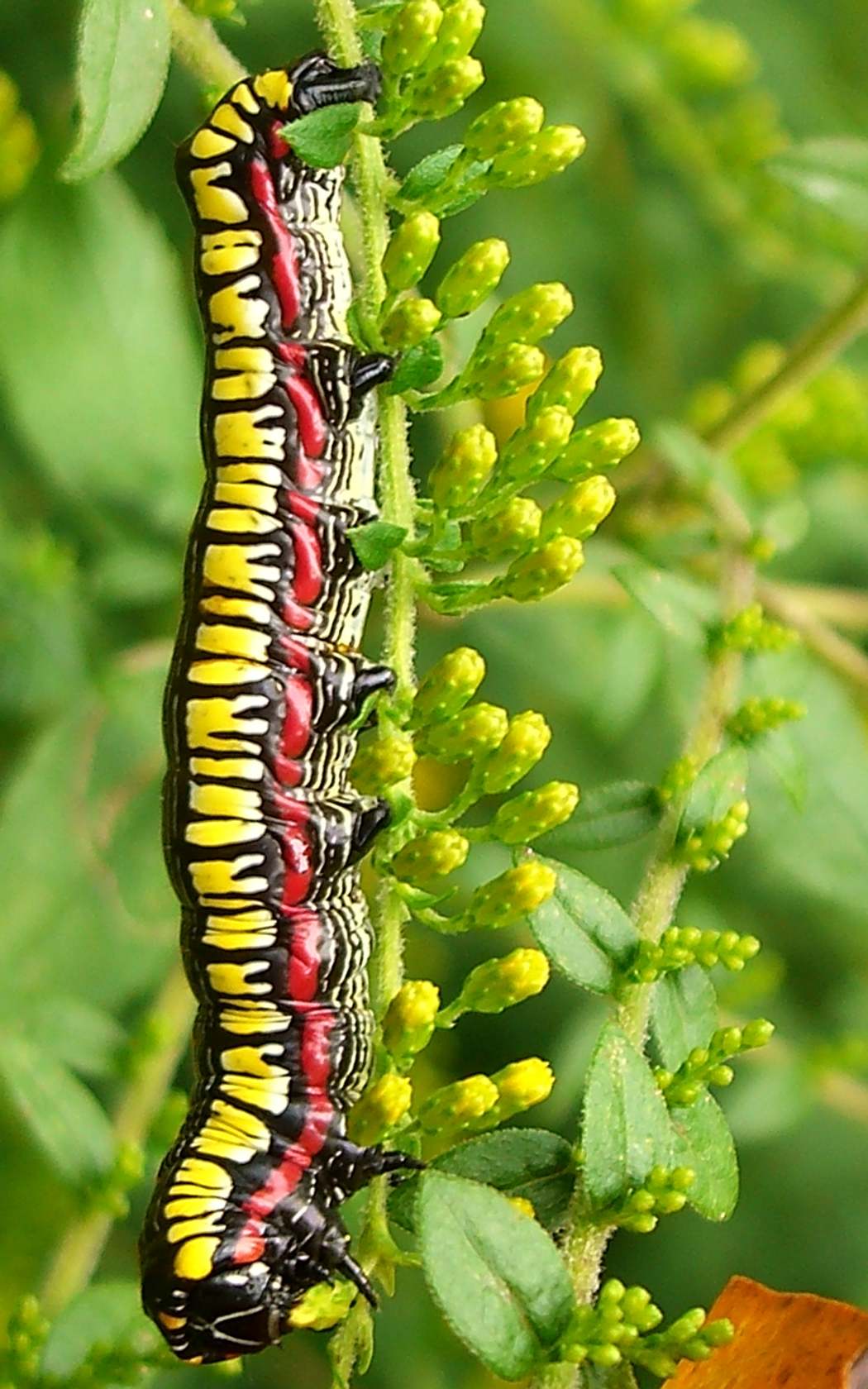
This critter lived at the Cary Institute for Ecosystems Studies in Millbrook, back in 2006. I have no idea what it grew up to be, but the picture is one of my all-time favorite portrait-mode monitor backgrounds.
Hand-held with the little Casio EX-Z850 camera (which is now with our Larval Engineer), ruthlessly cropped from a much larger image, and resized to fit the monitor…
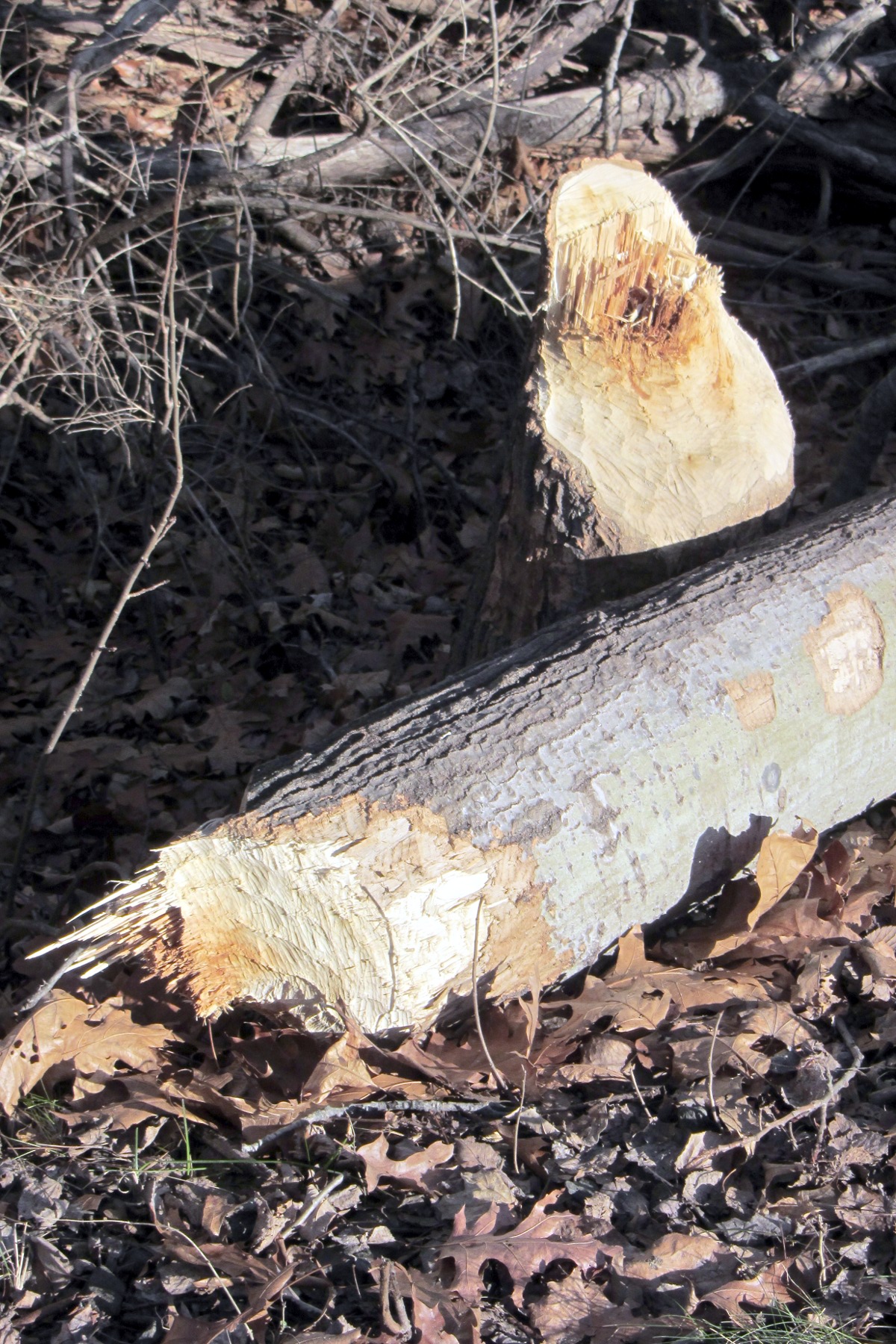
Evidently, the beaver stopped just before the tree toppled, because the last cut looks very much like a chainsaw.
I didn’t spot their lodge out in the lake; they may have tucked it under the bank below the railroad bed.
If they keep this up, they’re sure to get trapped and moved somewhere they can’t interfere with our enjoyment of the natural landscape along the rail trail. [wince]
The epoxy usually has some fluorescence, but this seems more dramatic than usual. In any event, the die’s wide beam angle shows clearly; the beam along the axis out in front is actually pretty tight.
It’s sitting on the back of a white ceramic tile and the colors came out surprisingly close to real life.
Adding this to an Arduino would follow the same logic as, say, the pager motor: power the LED + resistor + MOSFET from a +5 V external regulator that won’t heat the Arduino board, then define an unused bit in the shift register as, say UV_LED.





 The Smell of Molten Projects in the Morning