Ed Nisley's Blog: Shop notes, electronics, firmware, machinery, 3D printing, laser cuttery, and curiosities. Contents: 100% human thinking, 0% AI slop.
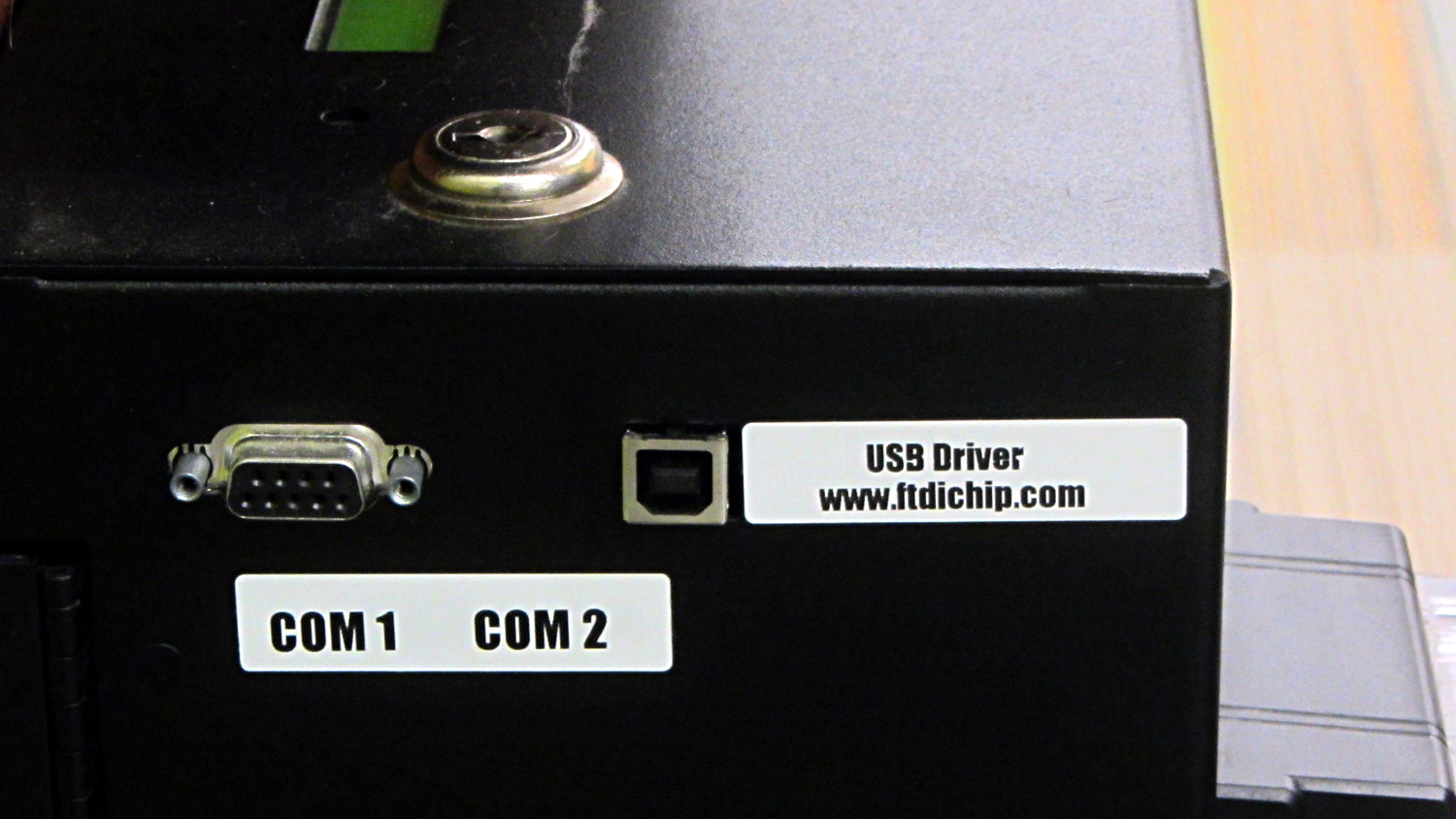
The library kiosk that handles paying your overdue book fines:
Fine payment kiosk with driver info
Now, you’d need to know a few things about what’s going on inside, but I’d say they’re pretty much rolling out the welcome mat for you to find those things out…
Wanna bet it’s running Windows, just like all the electronic voting machines?
We celebrate the start of Spring by cleaning the previous season’s nest(s) from our bird boxes, so this “improved” design caught our eye on a walk around the neighborhood:
Self-cleaning bird nest box
Birds being the way they are, the most recent occupants surely piled more twigs & grass atop their foundation to make the level come out right. An industrious mouse might find a convenient route inside.
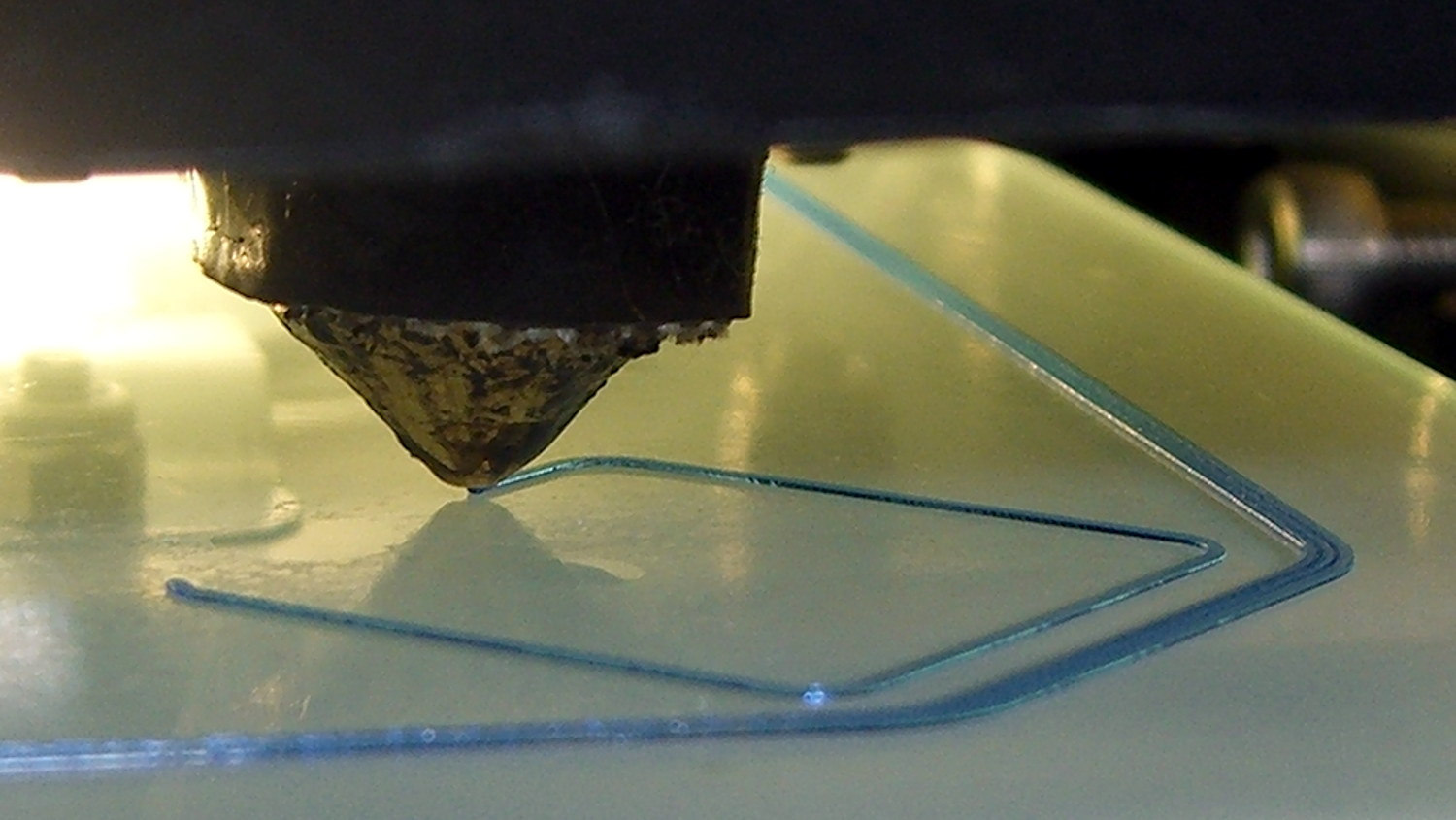
Well, a picture of plastic on my M2’s platform, anyhow:
Digital Machinist Cover – Winter 2015
I swiped that image from Digital Machinist‘s writeup of the Winter 2015 issue. They run 3D printing articles that are vastly more technical and detail-oriented than the usual glowing PR fluff pieces found elsewhere; I’ve been writing about G-Code and 3D printing for quite a few years now.
They could have used an action shot taken earlier in that sequence, but it doesn’t fit the cover’s vertical layout:
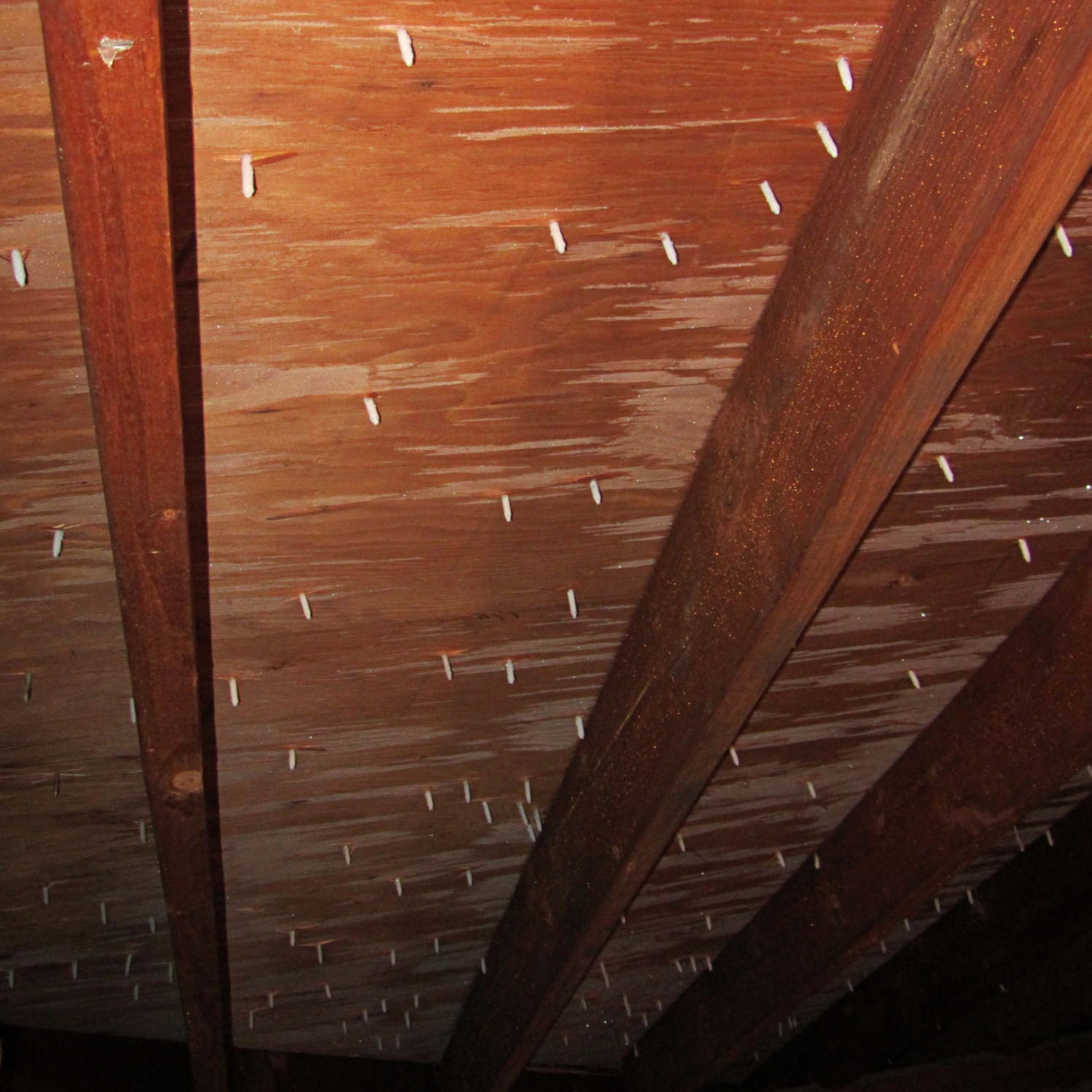
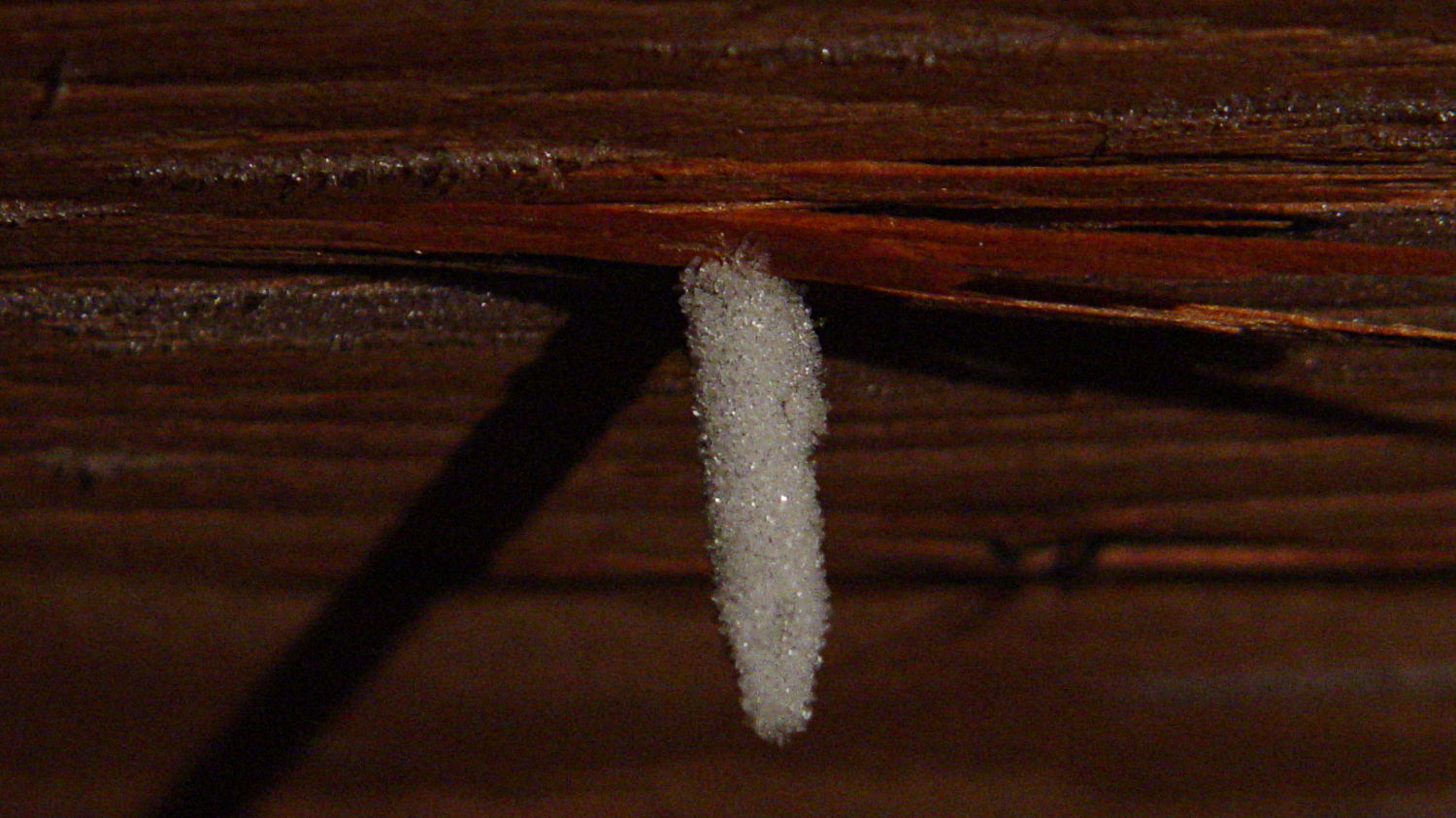
A cold snap in early January caught plenty of humidity inside the house and, in fact, the attic temperature dropped so abruptly that the nails protruding through the roof iced over:
Roof Nail Frost – overview
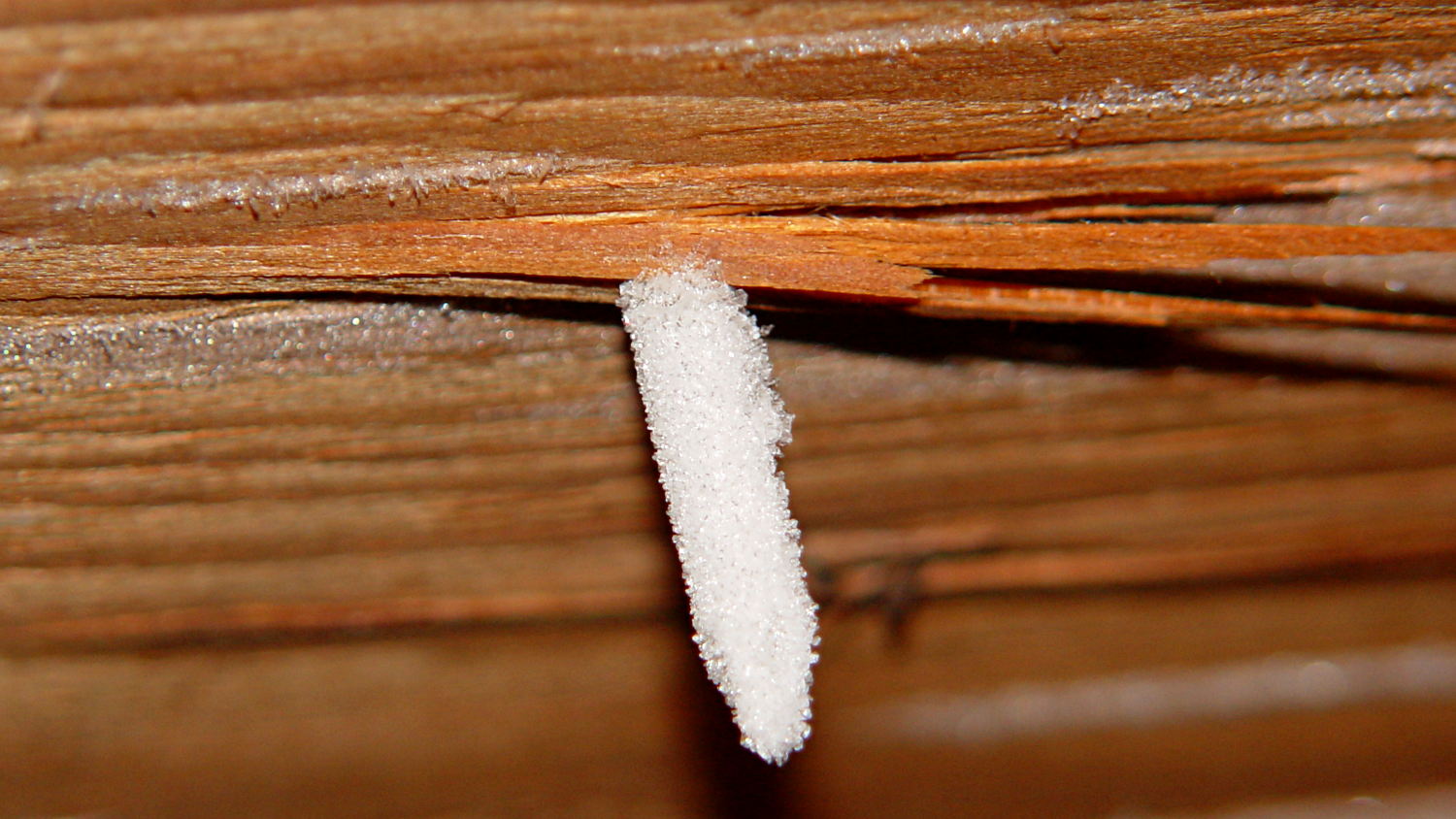
You’d think they were coated with plastic:
Roof Nail Frost – detail flash
The incandescent bulb lighting the attic highlights the crystal planes:
Roof Nail Frost – detail ambient
As nearly as I can tell, the ice sublimes or melts-and-evaporates, because the plywood floor under the nails doesn’t have the drip marks you’d expect.
Just like all those EULAs we click through without reading, nobody pays any attention to the Customs declarations on packages:
U.FL Connectors – Customs declaration
The pick-and-place strip across the top contains ten U.FL connectors, a few of which might make their way onto the Ham It Up board. They cost a grand total of $2.09 (not the $12.00 shown on the label) delivered halfway around the planet in a bit over two weeks.
I confess: I just couldn’t pass up some new fashion accessories…
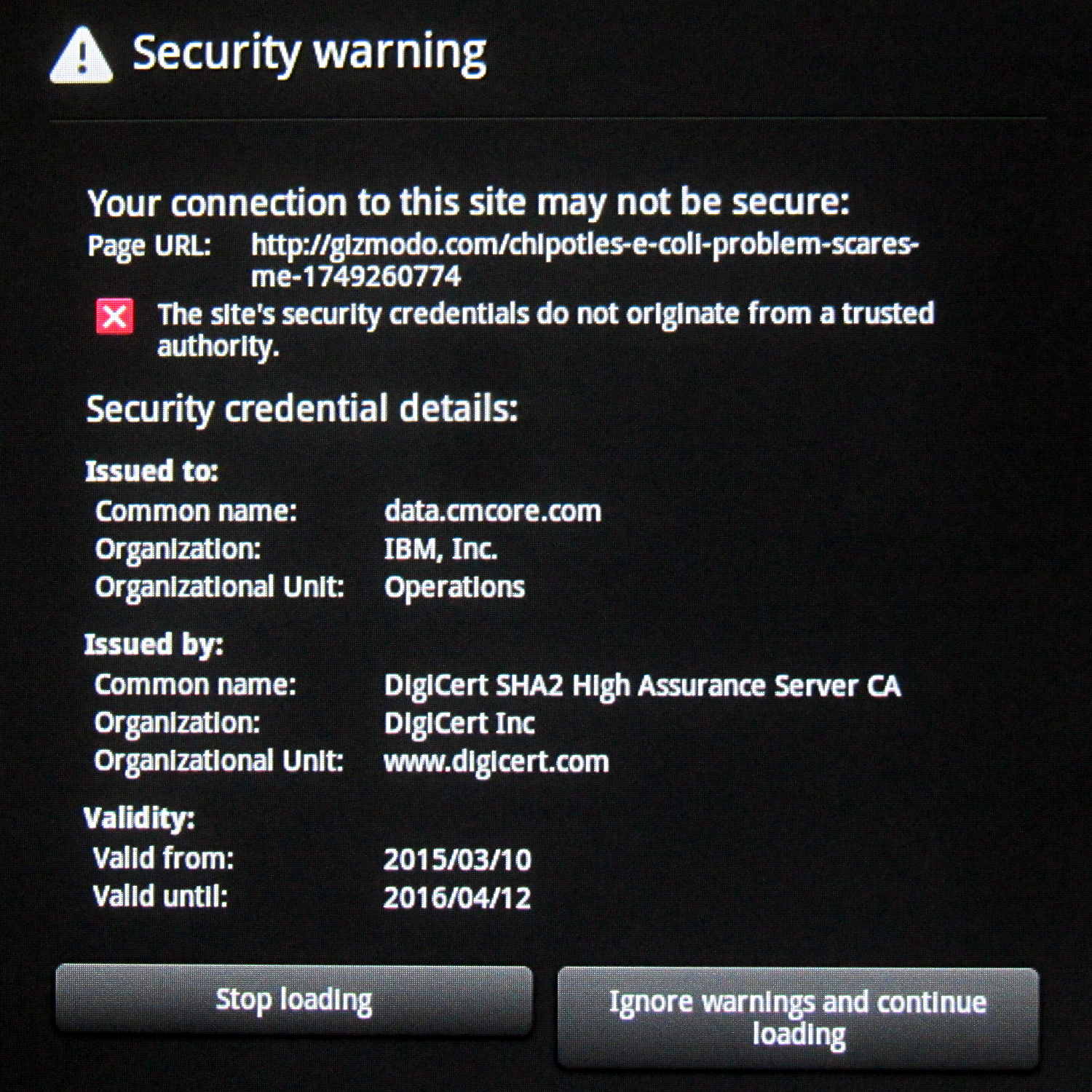
Having turned on my old Kindle Fire’s “security warnings” just to see what happens, I’m confronted by pop-ups like this on a regular basis:
Web Security Warning
People who know what they’re talking about tell me there’s no way for ordinary civilians, such as I, to evaluate the validity of the “credentials” described by that pop-up. In this case, the credential apparently comes from DigiCert, which ought to be trust-able, and was issued to cmcore.com, an actual IBM subsidiary that apparently does Web analytics.
It works fine through my desktop browsers. The Kindle, however, can’t even find digicert.com, so the problem must be an Amazon thing.
The only response that makes sense is to continue loading: gizmodo.com might have cat pictures!
I should just turn off the warnings and be done with it…
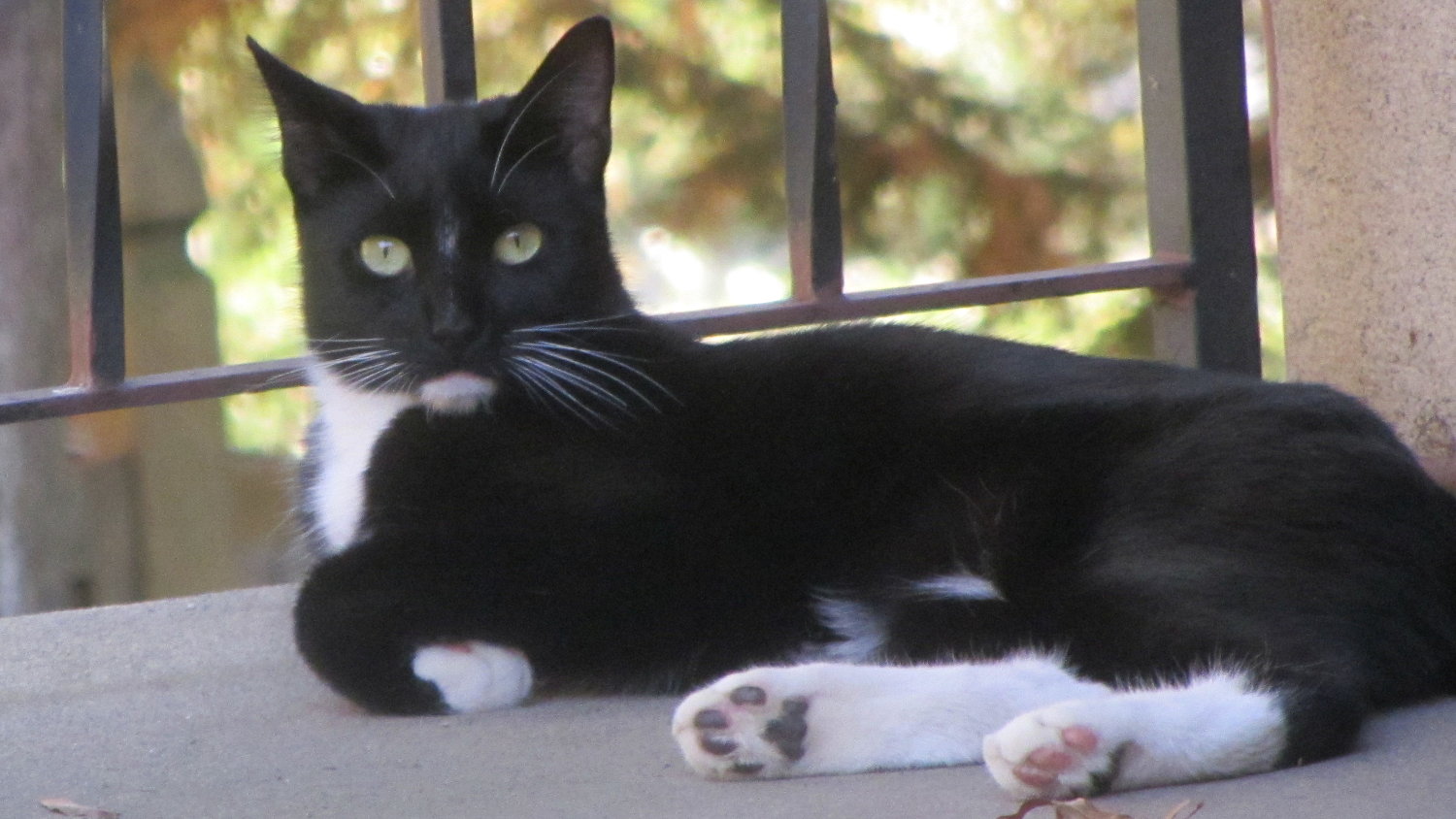
I left the garage door open while working outside and that critter walked calmly in, examined the offerings, walked out, and made itself comfortable on the patio. We may have a co-owner…