Ed Nisley's Blog: Shop notes, electronics, firmware, machinery, 3D printing, laser cuttery, and curiosities. Contents: 100% human thinking, 0% AI slop.
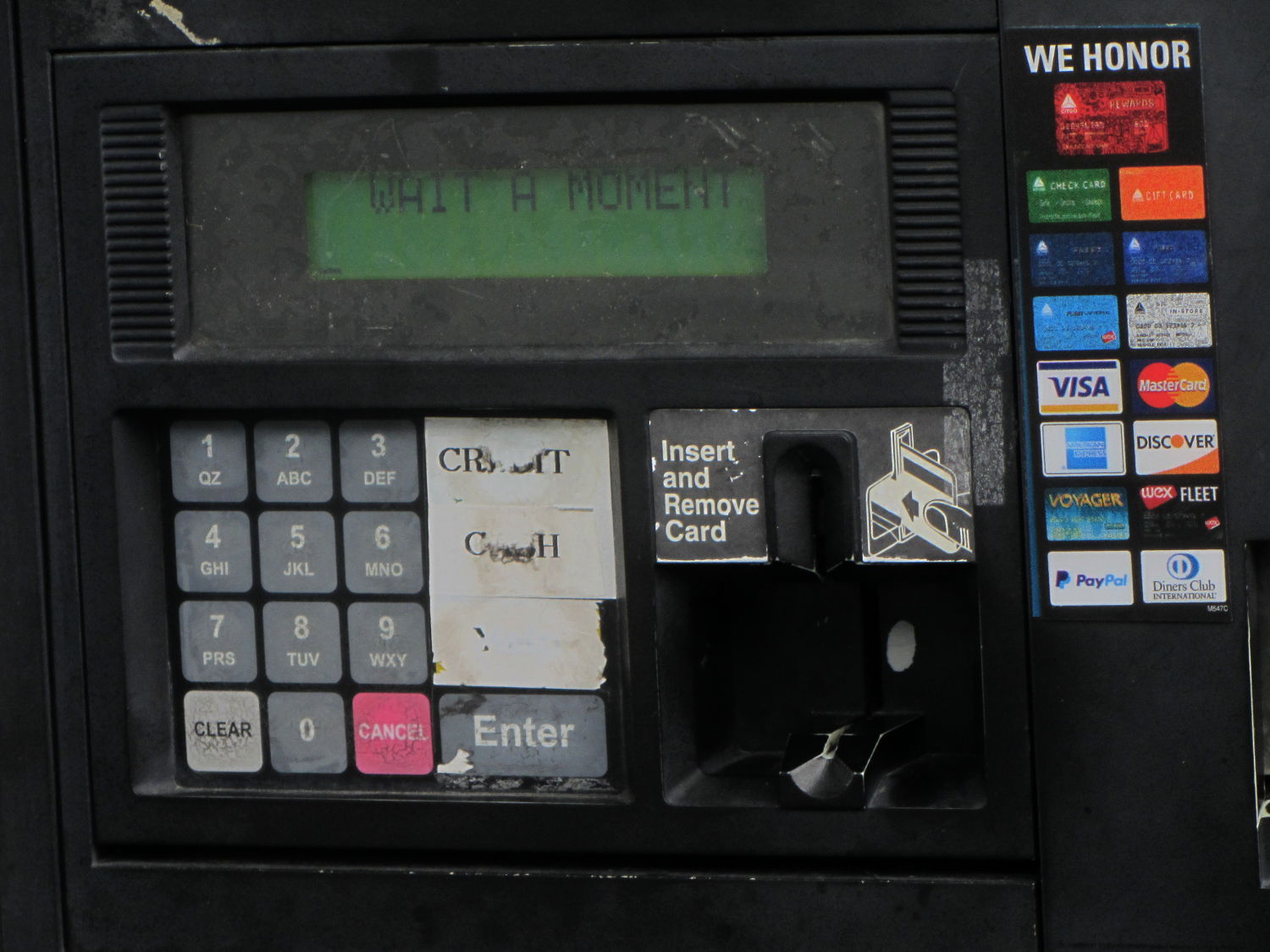
During our most recent trip, I stopped at a new-to-me gas station, managed to figure out the pump’s UI enough to swipe my card and fill the tank, then utterly failed at the Print Receipt? prompt:
Gas Pump Keypad Abrasion
A quick hike to the adjacent pump suggested pressing the illegible key above Enter, but the UI timed out before I got back and the promised “moment” never ended. The attendant generated a receipt showing I’d paid for the gas and told me to jiggle the pump nozzle, which didn’t improve the situation. We eventually agreed he’d handle it later and I drove away, never to return, hoping that the next customer didn’t get a free fill on my dimedollar C-note.
Surely I’d know what to do, were I a regular customer …
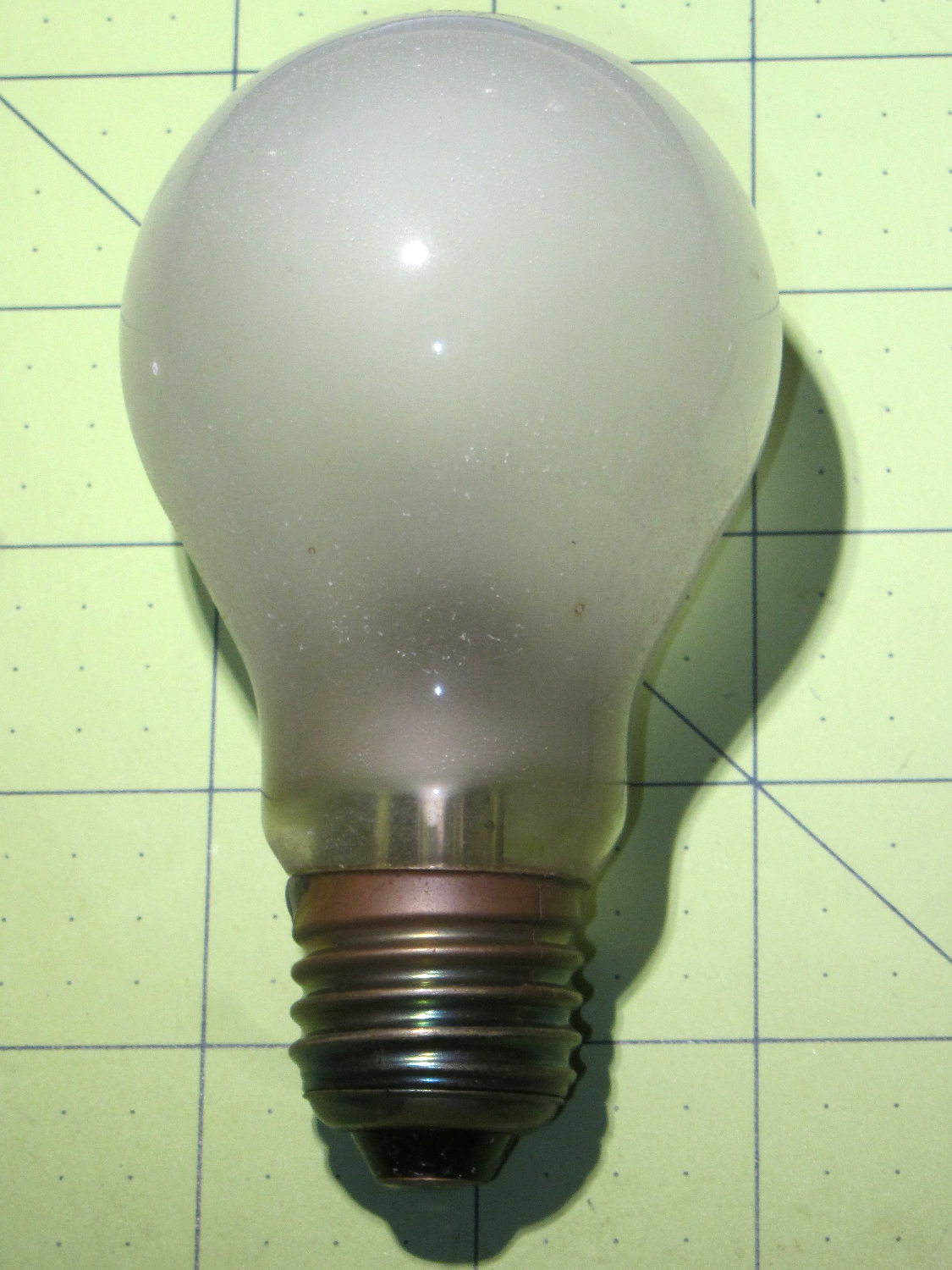
The light switch for our attic turns on a single ceramic socket at the top of the stairs. The bulb burned out a few days ago:
Long-lasting 100 W Incandescent Bulb
To the best of my knowledge, that bulb has been in service since we moved in almost two decades ago. Most likely, it was installed when the house was built in 1955, because it matches several new-old-stock bulbs in a battered box that Came With The House™.
To be fair, the attic light doesn’t see much service, but … it’s been a great cost-performer!
The attic temperatures range from well below 0 °F in the winter to well above 120 °F in the summer, so it’s no place for CFL or LED bulbs. I swapped in a 60 W bulb from my heap, although I doubt it’ll be good for another half-century.
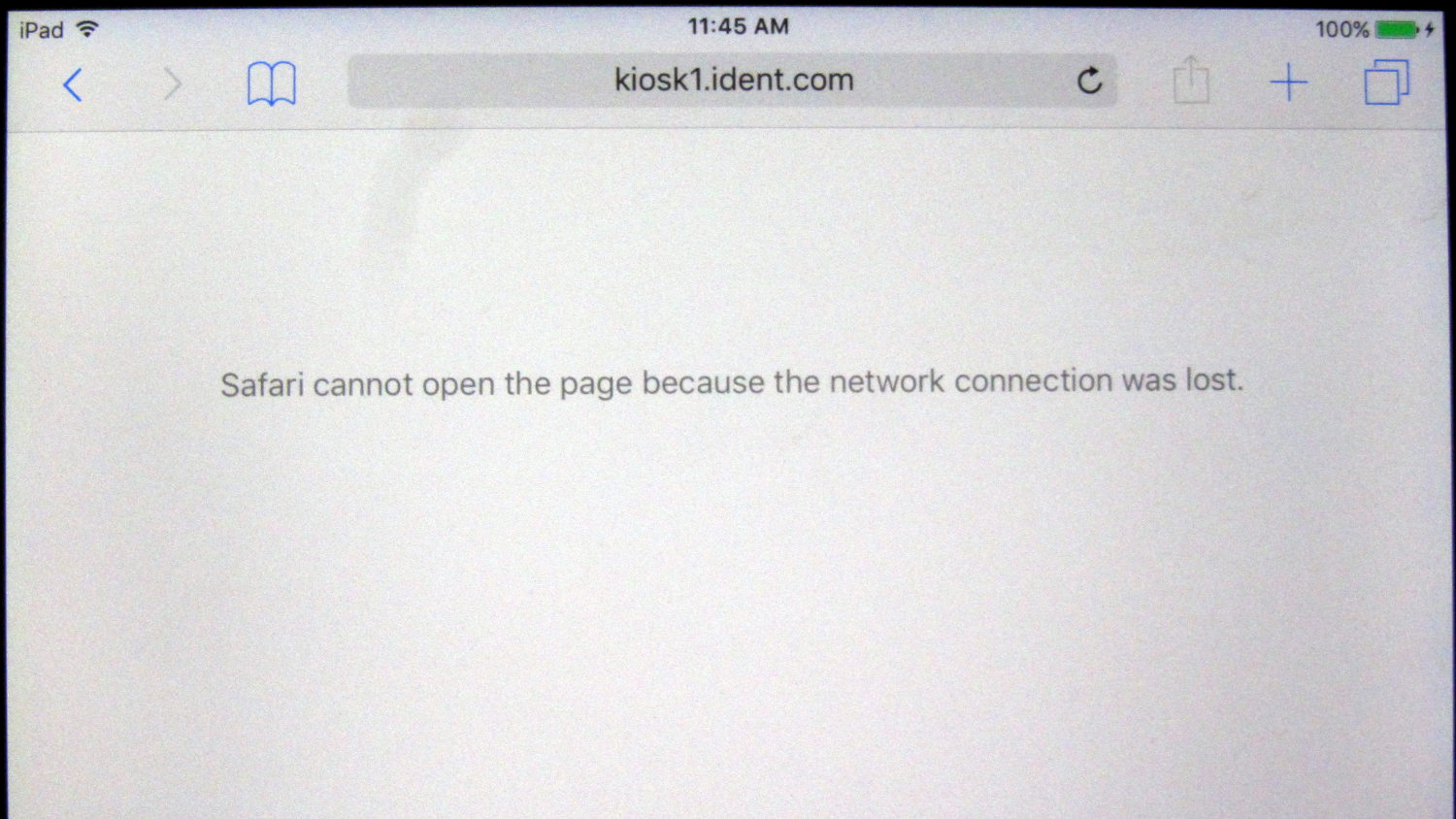
You’ll note the signal strength indicator in the upper left shows as much RF as one might reasonably expect from a router within line-of-sight across the room.
FWIW, I’m getting really tired of the hipster dark-gray on light-gray design ethos.
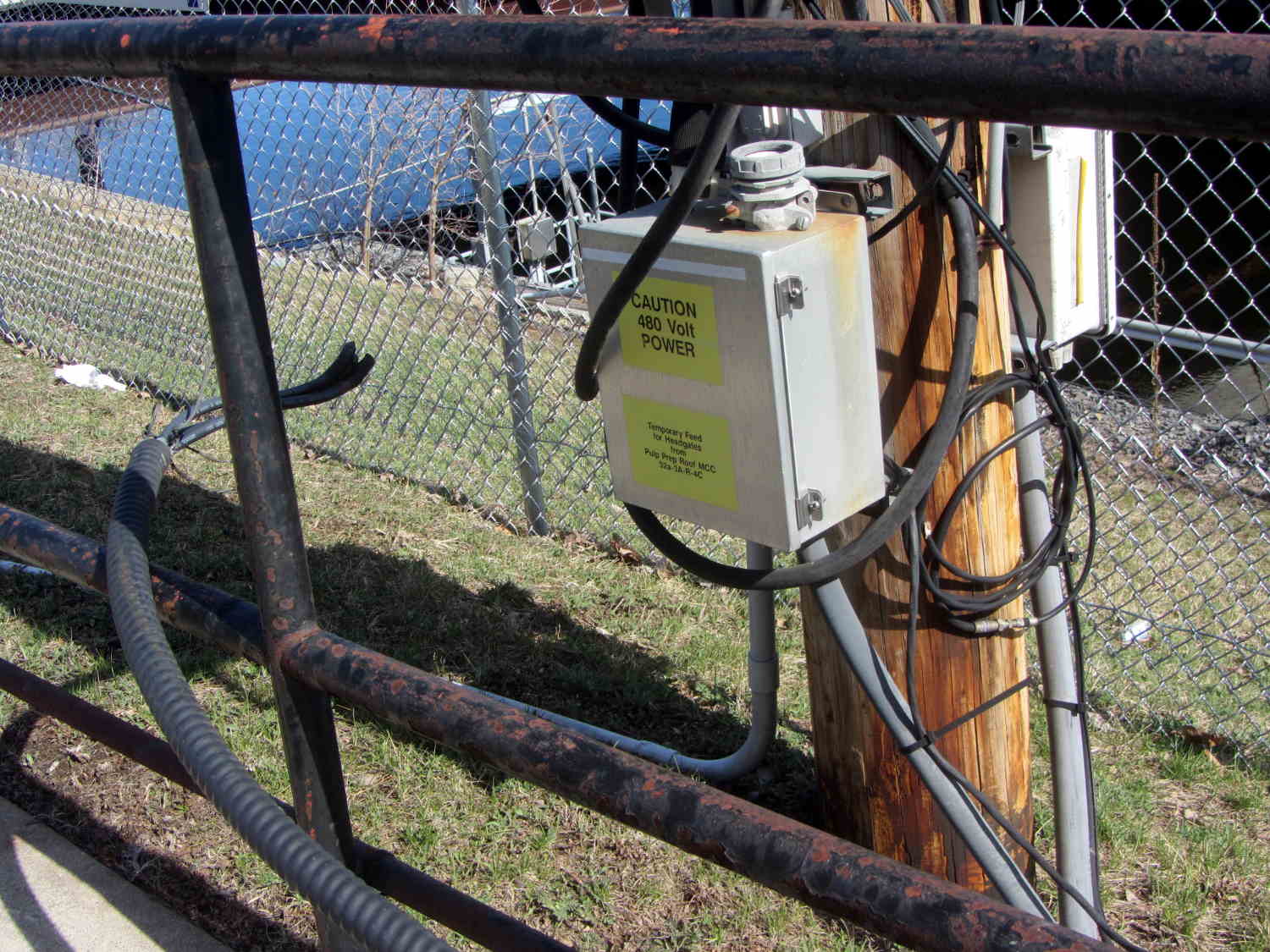
The armored cable draped over the fence probably came from the gland at the top of the box, which now sports a blocking plate that might actually be weatherproof. It had taped-over ends and I assume it fed something downstream that’s now disconnected; the far end of a large loop to the right burrows underground along the sidewalk.
This eBay seller shipped delicate parts without padding, did not ship replacements as promised, has repeatedly offered a refund without actually doing so, and has attempted eBay feedback extortion.
Chronology:
11 Jan – broken parts received in unpadded envelope. Contacted through eBay, sent photos
13 Jan – “we can resend you and it will take 35-45 days,so is it ok for you ?”
(I asked for a refund, which was ignored)
16 Jan – replacements allegedly send by untracked mail, not received by 15 March = 60 days
(and still missing: draw your own conclusions)
18 Jan – “if you still haven’t received within the promised , please feel free to contact me ,i can solve the problem for you”
28 Feb – “If you agree with me, I will send your money to your paypal account, […] And meanwhile I will also send you one ebay feedback revision request, […], revise your negative feedback into positive feedback with all 5 star point.”
(I pointed out that feedback extortion is contrary to eBay policy and asked for a refund)
7 Mar – “I am really sorry for this issue. And please trust me. I’m a responsible eBay seller. I will be in charge of this problem. I will do my best to solve the problem and meet your satisfaction.”
7 Mar – “So could you please do me a little favor to send me a photo?”
(Photos first sent 11 Jan, re-sent 8 Mar)
9 Mar – “I’m so sorry about that issue . we can refund partial money for you. So is it ok for u”
(I disagreed and, again, asked for a complete refund)
10 Mar – “i will refund you soon, may i refund to your paypal?”
(I insisted on a refund through eBay for tracking)
10 Mar – “Please give me some time, I will check it for you.”
14 Mar – The seller will send you a $ 5.13 USD refund after they receive the returned item.
(At which point I escalated this to a claim with this summary)
The attempted feedback extortion on 28 Feb calls for a complete refund and punitive action.
Returning $5.13 worth of parts to China is obviously absurd and the seller knows that, having avoided mentioning that “requirement” while previously offering refunds.
After two and a half months, it’s long past time for a complete refund.
Thank you.
Those brief snippets don’t convey the flavor of the seller’s correspondence, again with (commentary in parentheses):
12 January 2017
can you use?
(No, I cannot)
13 January 2017
Dear buyer ,
thanks for your patience and understanding .
we can resend you and it will take 35-45 days,so is it ok for you ?looking forward to your reply .
Best wishes.
(No, I want a refund)
16 January 2017
Hello, my dear friend,
Thanks for your kind communication.
I place order for you now and it will be resent in 24 hours. I will call post office to deliver quickly. Hope you can get it soon. If you still haven’t received within the promised , please feel free to contact me ,I can solve the problem for you. Thank you.
Best wishes.
(I asked for the tracking number)
17 January 2017
dear buyer,
we have tracking number but it shows only the information in China, there is no information abroad, as it is an economical shipping, we have to reduce our loss, so is it ok? looking forward to your reply.
Best wishes.
(This was when I realized they were in scammer mode)
18 January 2017
if you still haven’t received within the promised , please feel free to contact me ,i can solve the problem for you. Thank you.
Best wishes.
(The “promised” was far beyond eBay’s claim limit. I said I would file a claim in late February)
28 February 2017
Hello Buyer:
I just got your negative feedback.
From your feedback, I know that you are not satisfied with the item. I am so sorry for that. And I am also so depressed with your negative feedback. It really hurt me a lot.
So I think I can give you fully money back, and you can just keep that item for compensation.
But I really hope you can revise your negative feedback into positive feedback with all 5 star seller performance. That is very important.
If you agree with me, I will send your money to your paypal account, And you can log in your paypal and accept that money. And meanwhile I will also send you one ebay feedback revision request, you can view it in your ebay message box, revise your negative feedback into positive feedback with all 5 star point.
That is the most important for me.
Is everything OK for you?
I really hope your kindly understanding.
Looking forward your answer.
God Bless you and all your family.
Best Wishes
(I filed a claim and posted negative feedback, as I wasn’t thrilled with the purchase)
8 March 2017
Dear buyer,
Thank you for your message. I’m so sorry about that issue . we can refund partial money for you. So is it ok for u?Looking forward to your reply .
Best wishes.
(I dsagreed and asked for their long-promised full refund)
9 March 2017
Dear buyer,
Please give me some time, I will check it for you. Thank you for you email.
Best wishes
(Time was not on my side)
As it turned out, the eBay claim period ended a few days earlier than I expected and eBay’s customer support recommended filing a dispute on Paypal. I asked how to handle issues like this in the future and was told, very firmly, to open an issueimmediately when a problem occurs on an order from a foreign seller. A formal eBay issue, rather than just “send a message to the seller”, starts the resolution clock and provide a powerful incentive to Make Things Happen.
Apparently she wanted to use the bird feeder atop the post festooned with plastic squirrel deterrence. Not being Elastigirl, she couldn’t quite stretch from rail to feeder, eventually gave up trying, and flapped to the driveway.
We’ve been turkey-watching for nearly two decades, it’s been eight years since we saw a turkey on the patio, and a few days after I set up the yard camera, shazam, this bird shows off for my friend in Raleigh while I’m in the Basement Laboratory. I’m insane with jealousy.
In point of fact, turkeys seem perfectly aware of people inside the house, so it’s not surprising they avoid the patio. When we move close to a window, the flock decides it has business elsewhere and, generally without haste or confusion, flows over the hill and away.
Obviously, I must set up motion detection and capture some images …


 The Smell of Molten Projects in the Morning