Ed Nisley's Blog: Shop notes, electronics, firmware, machinery, 3D printing, laser cuttery, and curiosities. Contents: 100% human thinking, 0% AI slop.
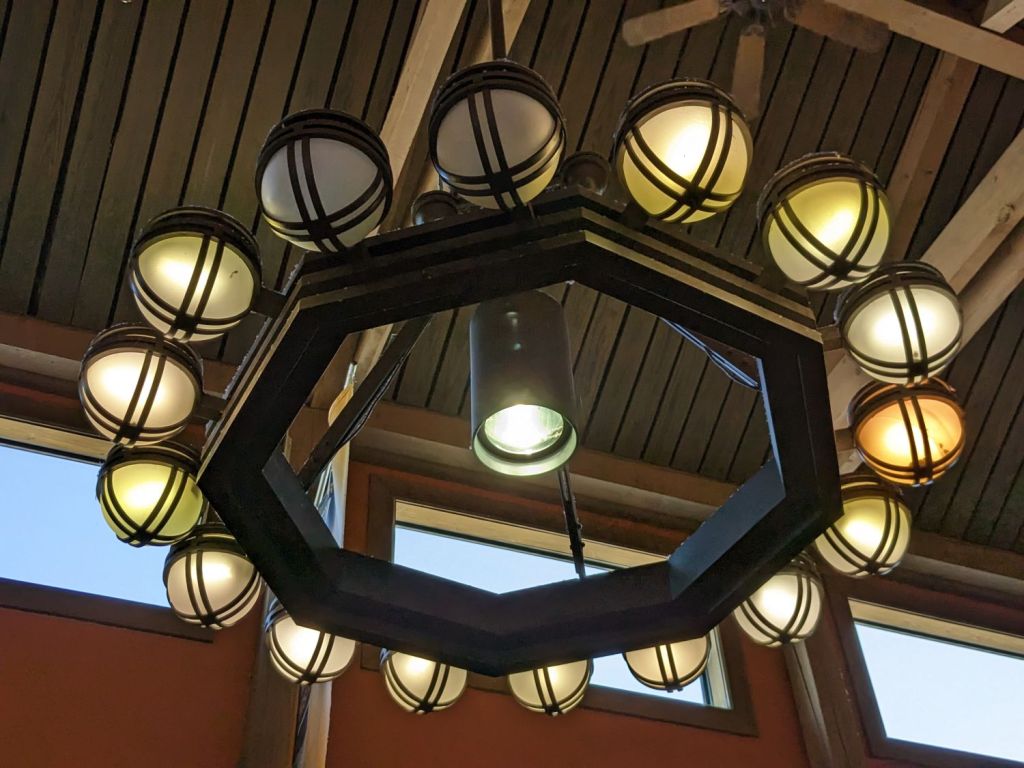
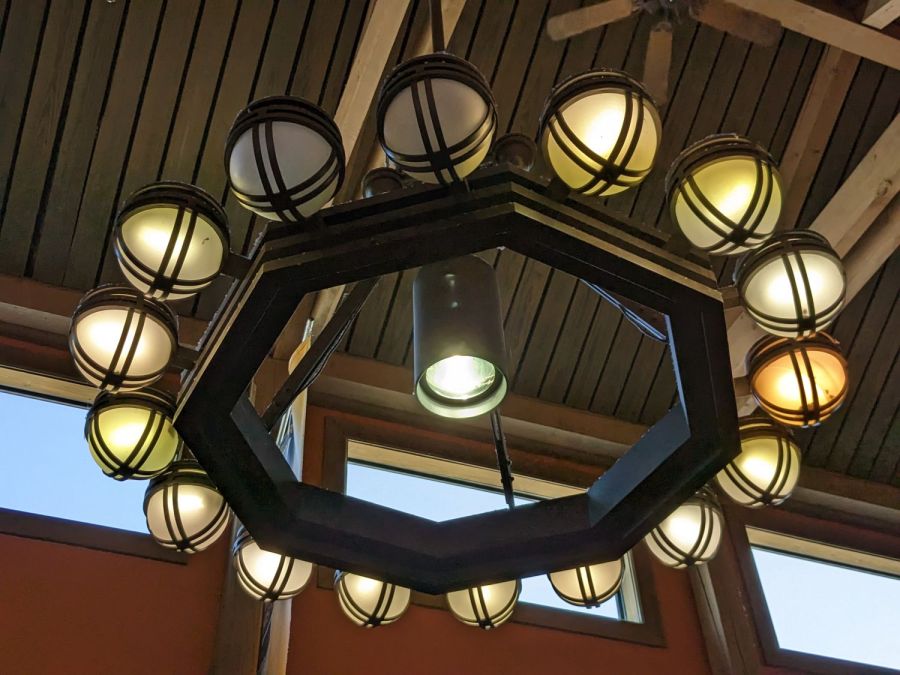
Spotted in a soon-to-be-rebuilt rest area on I-87 north of Kingston NY, a chandelier stuffed with old-school CFL bulbs of various vintages:
NYS I-87 Rest Area – CFL chandelier
The yellowish dome on the far right might still house an incandescent bulb, but I can’t tell from here.
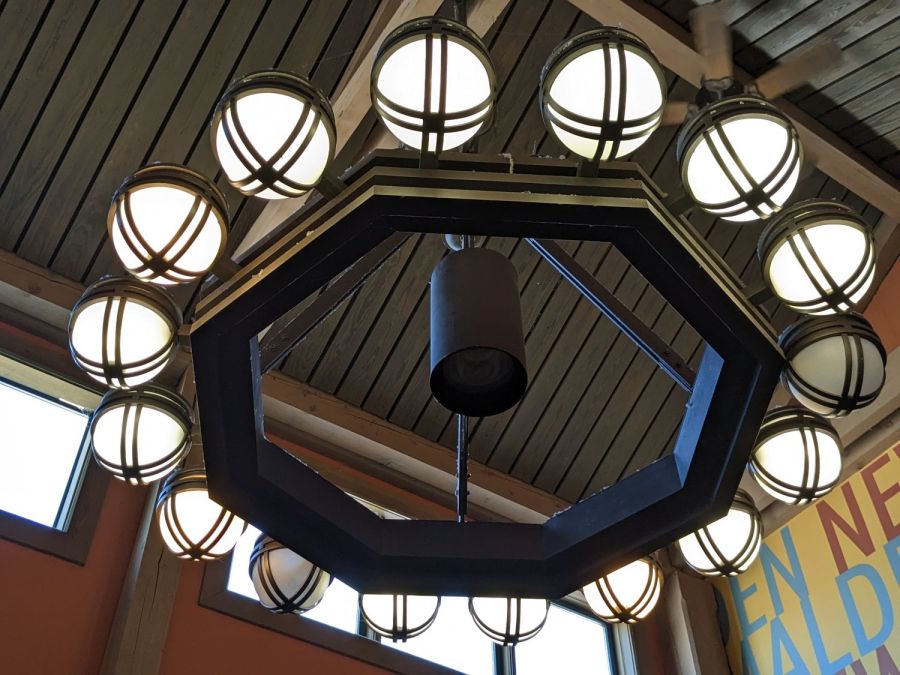
Judging from the high color temperature and even illumination, the chandelier next to it has 16 newish LED bulbs:
NYS I-87 Rest Area – LED chandelier
What’s of interest: both chandeliers have two dead bulbs and, perhaps, the center floodlight of the LED fixture had died, too. We don’t know how long they’ve been in place, other than that the LEDs are certainly more recent, but a 6% failure rate is nothing to brag about.
From what I’ve seen, the reliability of both CFL and LED bulbs is greatly overstated and certainly do not justify preemptive replacement of a working bulb of any vintage.
Some drivers give us absurd amounts of clearance, which is what we thought the driver of the white Jeep was doing:
New Jeep Reckless Driving – Jeep passing
Some drivers give us very little clearance, either deliberately or though negligence, which is what I thought the driver of the silver Subaru was doing:
New Jeep Reckless Driving – Subaru close pass
Reviewing the videos revealed a different story that could have ended very badly for everyone involved.
Moving back in time, we crossed the bridge over the Wappingers creek, which has two southbound lanes. The left lane is dedicated to left turns onto Red Oaks Mill Road and the right lane is for through traffic southbound on Rt 376:
New Jeep Reckless Driving – Red Oaks Mill bridge
I had noticed oncoming drivers in the northbound lane were moving far over to the fog line, but (unseen by me) they were definitely swerving off the road:
New Jeep Reckless Driving – swerve 1
It seems the Jeep driver crossed the bridge in the left lane and continued straight through, passing the solid line of vehicles in the right lane behind us. You can see the top of the Jeep’s windshield peeking out behind the Subaru, with minimal clearance to the black car swerving out of the way:
New Jeep Reckless Driving – swerve 1 clearance
There’s not much shoulder on that side of the road, but the driver of the white Honda is using it all:
New Jeep Reckless Driving – swerve 2
With all the oncoming traffic out of the way, the Jeep driver now accelerates in the wrong lane:
New Jeep Reckless Driving – passing 1
And passes the Subaru just behind us:
New Jeep Reckless Driving – passing 2
The license plate looks like JAE-7751, early in the “J” plate series, so that’s a shiny new Jeep.
Being passed at close range in an obviously no-passing zone caused the Subaru driver to flinch in our direction:
New Jeep Reckless Driving – Subaru clearance
Unsurprisingly, the Jeep driver ran the red light at the top of the hill, presumably to avoid being stopped directly in front of us.
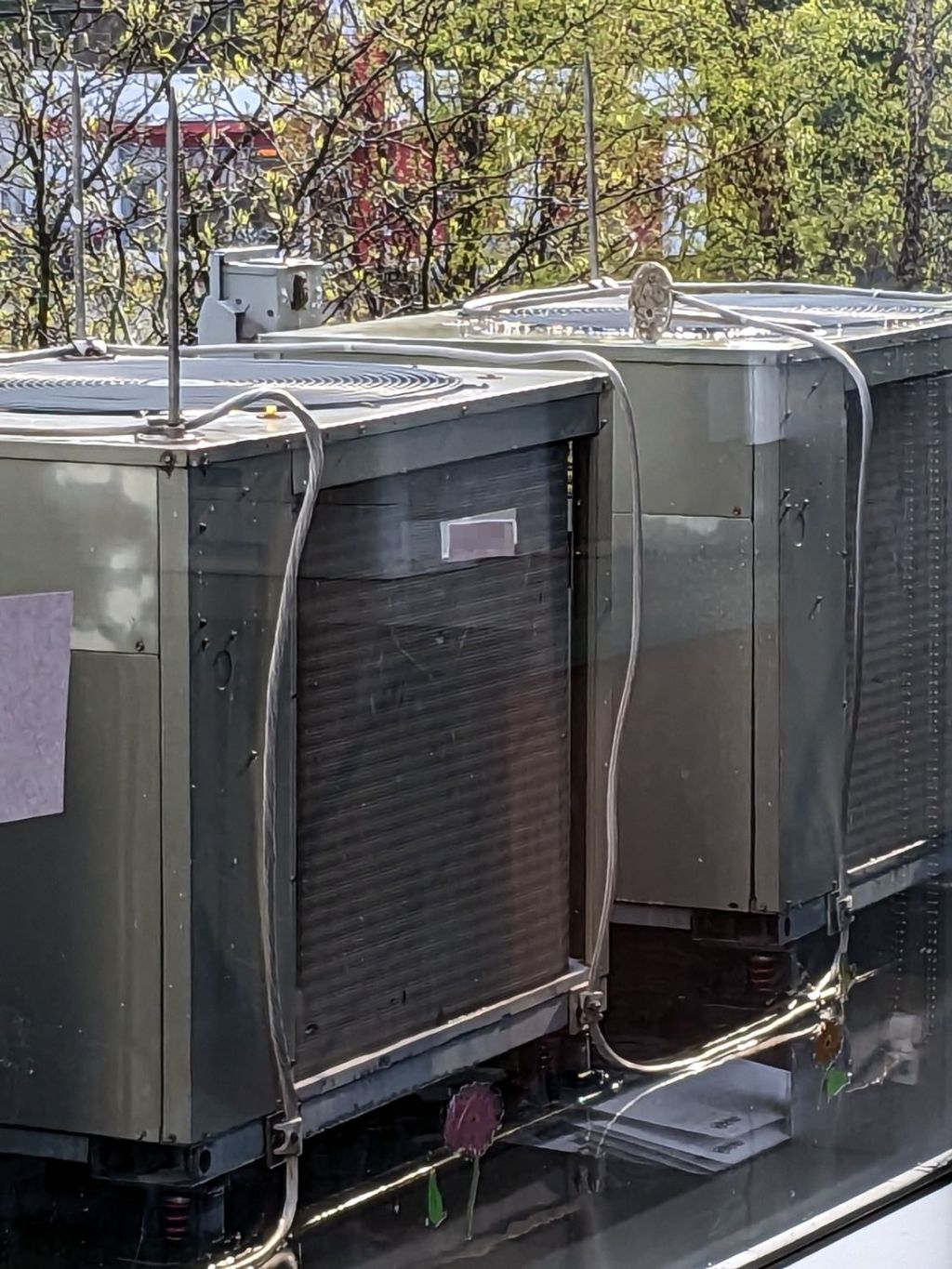
Each air conditioning unit has a pair of lightning rods atop it, with their aluminum grounding cables securely clamped to the steel frame underneath.
The rod reclining on its side caught my eye. Perhaps its fat cable wasn’t relaxed enough during installation, although I thought those wide bases would be firmly screwed to the unit’s steel top. Of course, that could be the only one without screws.
The building extends another three stories upward from that roof, but our experience suggests lightning strikes where it will.
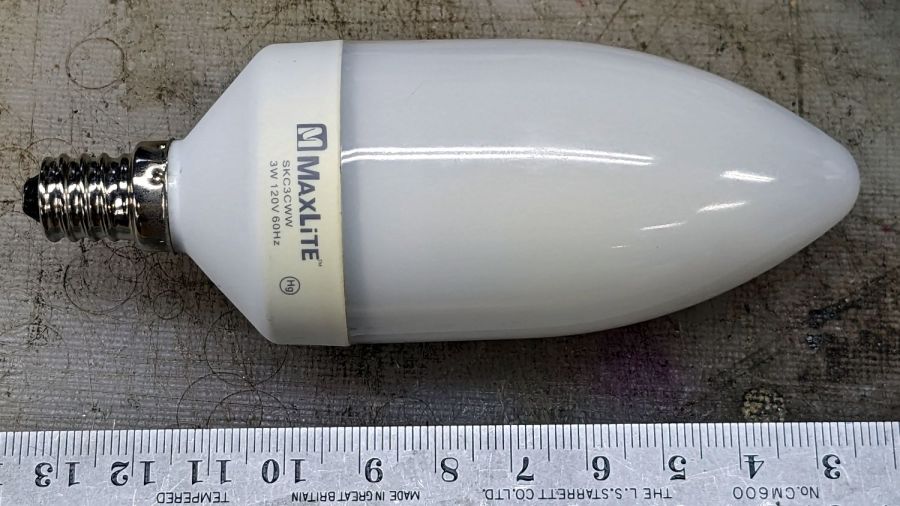
The bathroom ceiling fixture has a nightlight position that we use occasionally, but eventually the little 7 W Christmas Tree bulb failed and I installed this hulk from a box of CFL bulbs a friend scrapped out after switching to LED bulbs:
MaxLite CFL – overview
I never tested whether it actually drew 3 W, but, hey I could feel good. Right? Right?
Anyhow, this one failed after a few years, too. The “bulb” envelope looked like it might make an attractive blinkie or glowie, so I decided to harvest it.
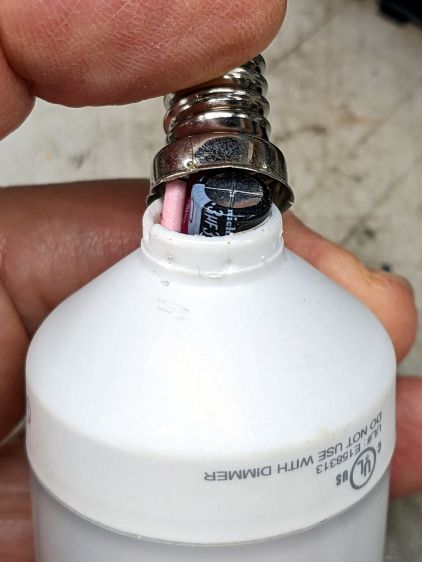
The candelabra screw base felt loose and popped off with a push:
MaxLite CFL – overflow cap
Perhaps they chose the envelope before finalizing the circuitry?
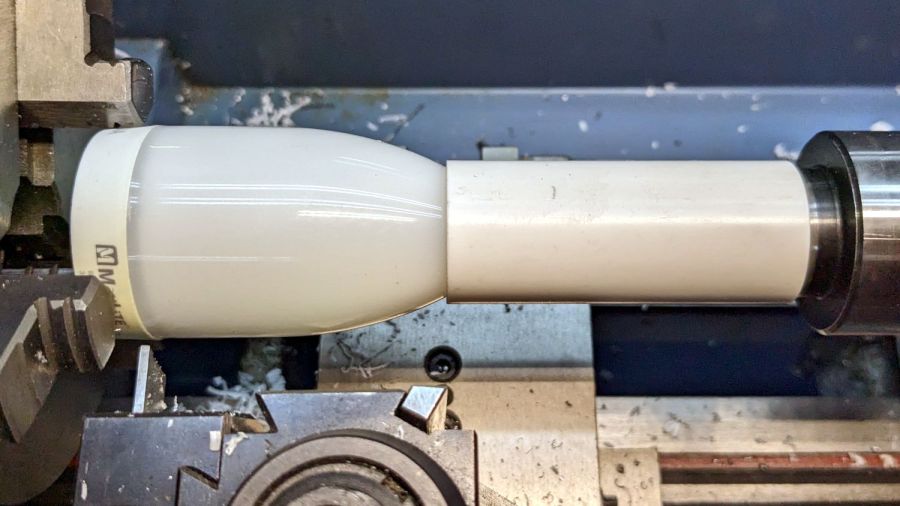
This is why you need a lathe in your shop:
MaxLite CFL – lathe cutting
It wasn’t particularly well centered, so that was done dead slow and finished with a few hand turns of the chuck. Obviously, I need a crank for the spindle.
The rest of the circuitry is pretty well packed under that tall cap:
MaxLite CFL – circuitry
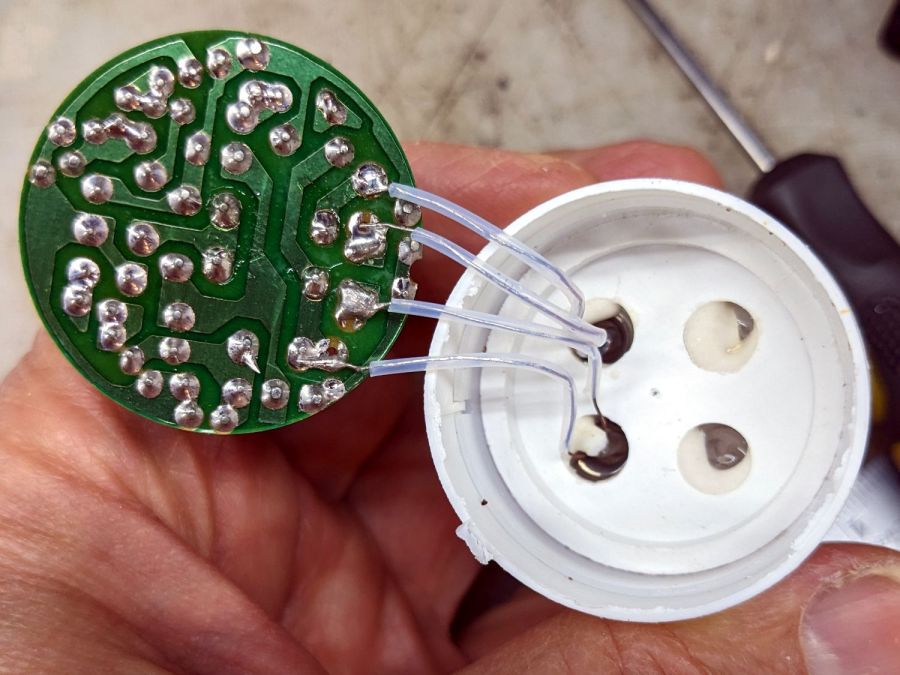
Pulling the PCB out revealed the tube wiring:
MaxLite CFL – tube wires
Cut the wires and chuck it up again:
MaxLite CFL – envelope turning setup
Turn dead slow again until it breaks through:
MaxLite CFL – envelope breakthrough
Then finish by hand:
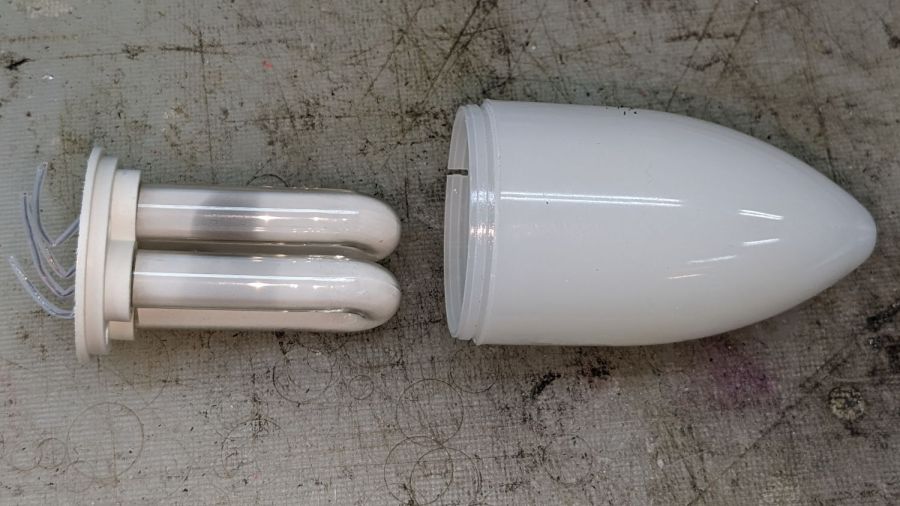
MaxLite CFL – tube and envelope
It’s too cute to throw out, but … sheesh you can see why recycling this stuff is so difficult.
For whatever it’s worth, I replaced it with a 3 W LED candelabra bulb that is way too bright.
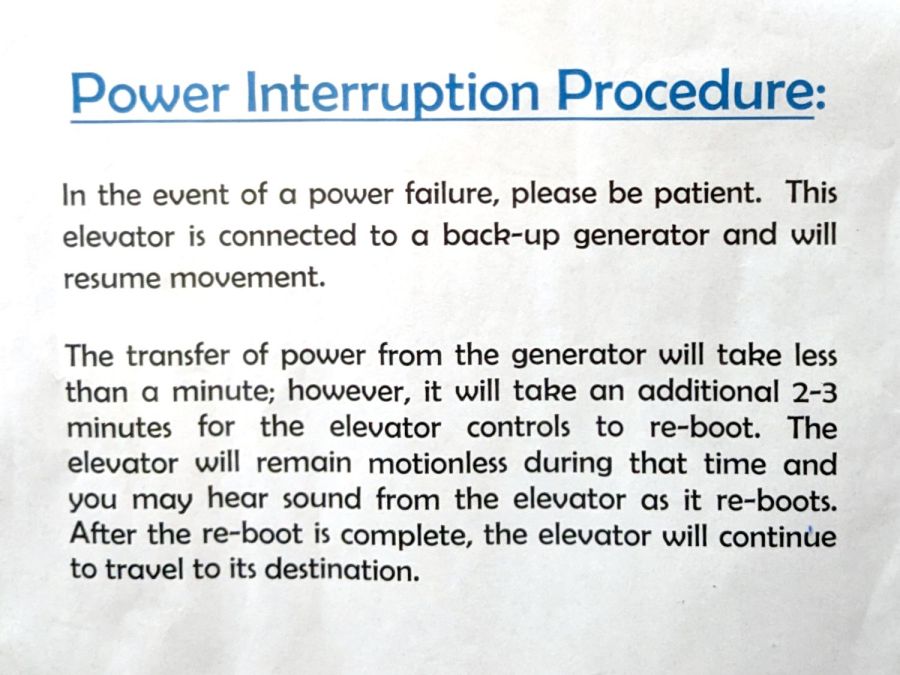
I read these reassuring instructions in the elevator of a different building:
Elevator power failure instructions
I’d be mildly unsurprised to discover the elevator controls also handle the interior lighting, invariably putting me in the dark while the thing reboots. At least the paper would remain readable, because phones can become flashlights under duress.

























 The Smell of Molten Projects in the Morning