The Smell of Molten Projects in the Morning

Ed Nisley's Blog: Shop notes, electronics, firmware, machinery, 3D printing, laser cuttery, and curiosities. Contents: 100% human thinking, 0% AI slop.

Category: Home Ec

Things around the home & hearth

  • Multicolored Chicken Eggs

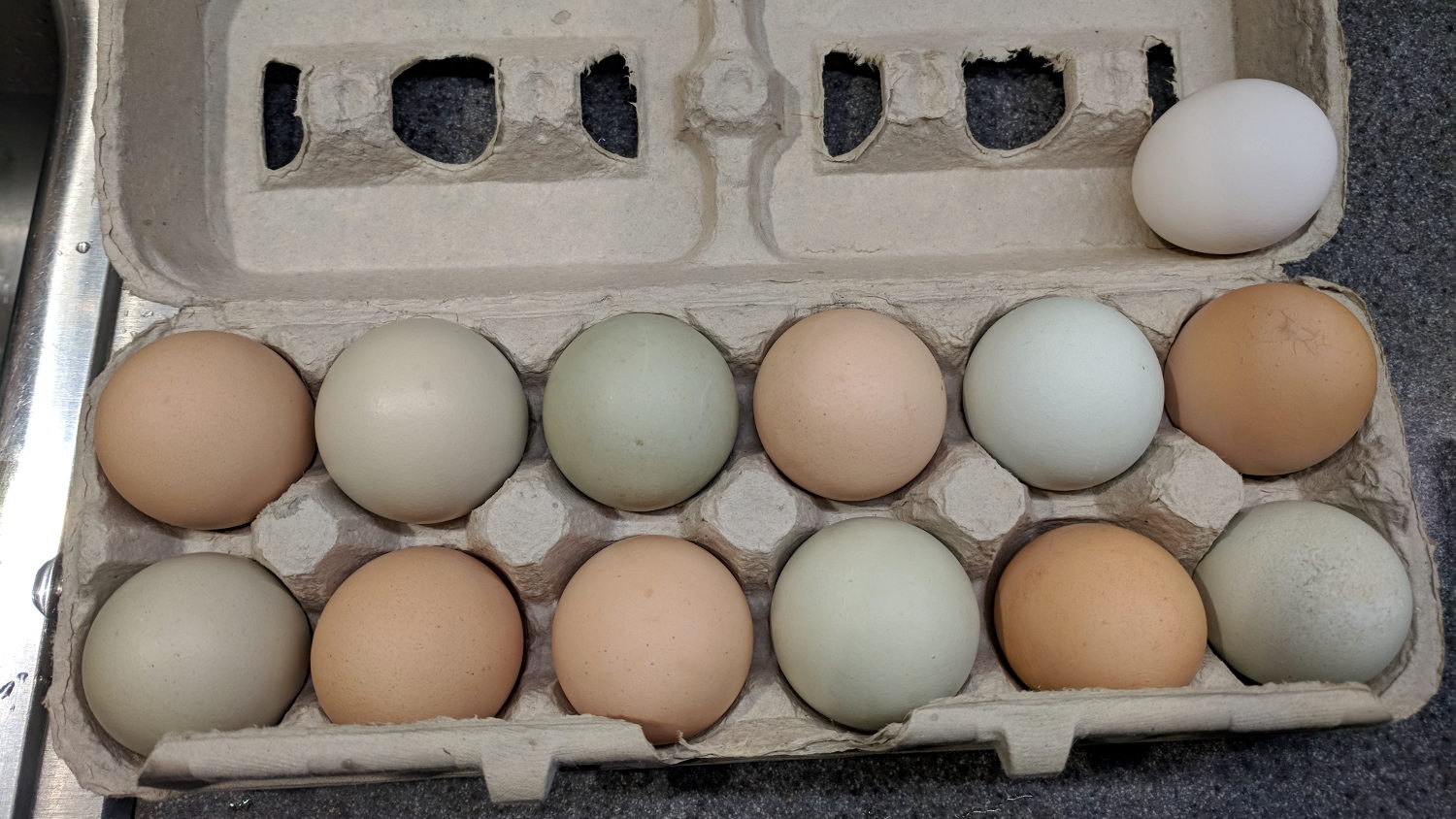
    This cheerful assortment came from a friend with an assortment of happy chickens:

    Multicolored chicken eggs
    Multicolored chicken eggs

    The lonely Medium white egg, obviously strictly from commercial, serves as a size and color reference. Most of the others weighed in the Large to Extra-Large range.

    Even though none of the chickens had the digital upgrade, the morning omelet tasted just fine!

  • End of the Sienna

    Although I knew the Sienna showed signs of a leaky head gasket, the exhaust system needed some attention, and a sporty used car recently put it in the shade, this still came as a surprise:

    I’m trying to get a crew … together and live the demolition derby dream

    By the time I arrived, the dashboard trim had vanished and the air bags were safely out:

    Demolition Derby - Sienna dashboad prep
    Demolition Derby – Sienna dashboad prep

    Diligent application of a Harbor Freight “Professional Windshield Removal Kit” cut through the side window seals, but the rear window rested on four impossible-to-cut locating studs:

    Sienna - rear window locating stud
    Sienna – rear window locating stud

    I managed to pry the glass off using a Gasket Scraper and considerable muttering.

    With all the exterior trim, lights, and mirrors gone, the Sienna was in fine race trim:

    Sienna - Demo derby race trim
    Sienna – Demo derby race trim

    But, being no longer street-legal, it required trailering. For the record, not all huge pickup trucks have bulky guys with pot bellies behind the wheel:

    Demolition Derby - Tow Vehicle Rental
    Demolition Derby – Tow Vehicle Rental

    A few hours later, it was in the Short Track Full Size pack at the Upperco Volunteer Fire Company’s Demolition Derby:

    Sienna at Upperco VFC Demolition Derby - start
    Sienna at Upperco VFC Demolition Derby – start

    The driver required a few laps to shake off years of safe-driving indoctrination:

    Sienna - Demolition Derby - running alone - 2018-04-28
    Sienna – Demolition Derby – running alone – 2018-04-28

    But eventually the spirit of the thing took over:

    Sienna - Demolition Derby - right crunch - 2018-04-28
    Sienna – Demolition Derby – right crunch – 2018-04-28

    We now know the transmission oil cooler sat just ahead of the left front wheel, where it was exposed to damage by a glancing collision:

    Sienna - Demolition Derby - left crunch - 2018-04-28
    Sienna – Demolition Derby – left crunch – 2018-04-28

    The Sienna finished the race and made it almost all the way to the trailer before bleeding out through the ATF cooler.

    The driver emerged in fine shape, although the door didn’t work nearly as well as it had fifteen minutes earlier:

    Sienna - Driver exiting Van - 2018-04-28
    Sienna – Driver exiting Van – 2018-04-28

    A race staffer in a Bobcat aimed the carcass in the right general direction and shoved it onto the trailer for the return to base:

    Sienna - Final Trailer Tiedown - 2018-04-28
    Sienna – Final Trailer Tiedown – 2018-04-28

    You can find shaky low-res camera action documenting the event, because video-or-it-didn’t-happen.

    We piled the windows / parts / detritus into the back, a scrapper hauled it away the next morning, and that’s the end of our Sienna’s story.

    Toyota sold a lot of Siennas, which means the Hot Topics list over on the right will show a need for Sienna ABS trouble codes long into the future.

    In fact, the adjacent motel slot had a disconcerting sight:

    Yet Another Sienna
    Yet Another Sienna

    I think it was a 2001 model, but …

  • Digital Chicken

    Because you get white eggs from white chickens and brown eggs from brown chickens (*), this one came from a brown chicken with the digital option:

    Date-coded brown egg
    Date-coded brown egg

    The egg matched the carton date stamp, so this must be an additional part of the process.

    Some casual searching shows egg shell printing is a production-line thing.

    I suppose RFID-per-egg will eventually be the Next New Thing.

    (*) Yes, and chocolate milk from brown cows. Work with me on this, OK?

  • Roadside Debris: Cannabis Energy Drink

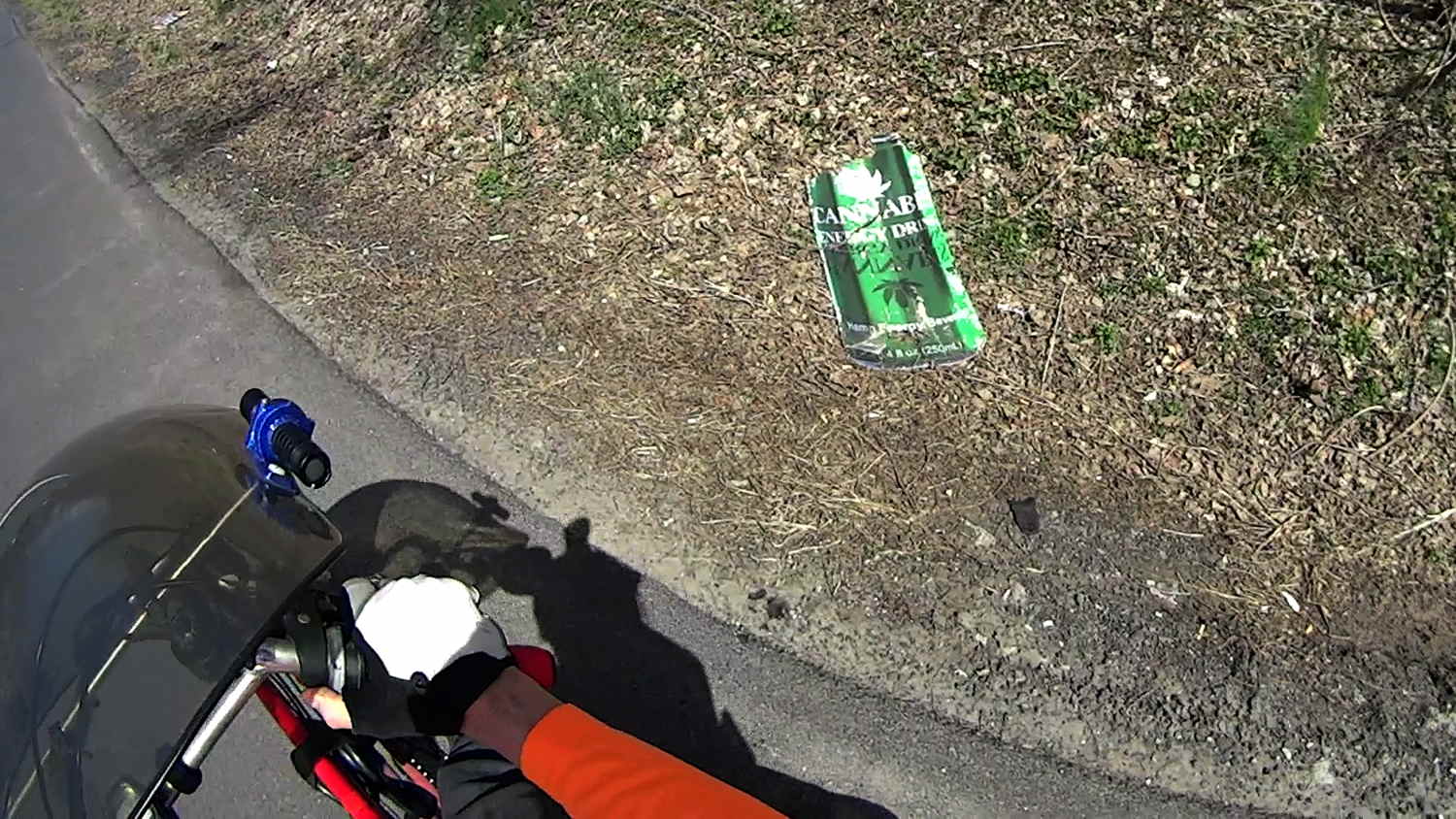
    Spotted this on Rt 376 during a ride around the block:

    Cannabis Energy Drink - roadside debris
    Cannabis Energy Drink – roadside debris

    A “Cannabis Energy Drink” without the obvious active ingredient seems like deceptive marketing to me, but, apparently, there was no law against that, even here in New York State.

    It’s becoming obvious I don’t get out nearly enough.

  • Propane Tank QD Fitting Adapter, PETG Edition

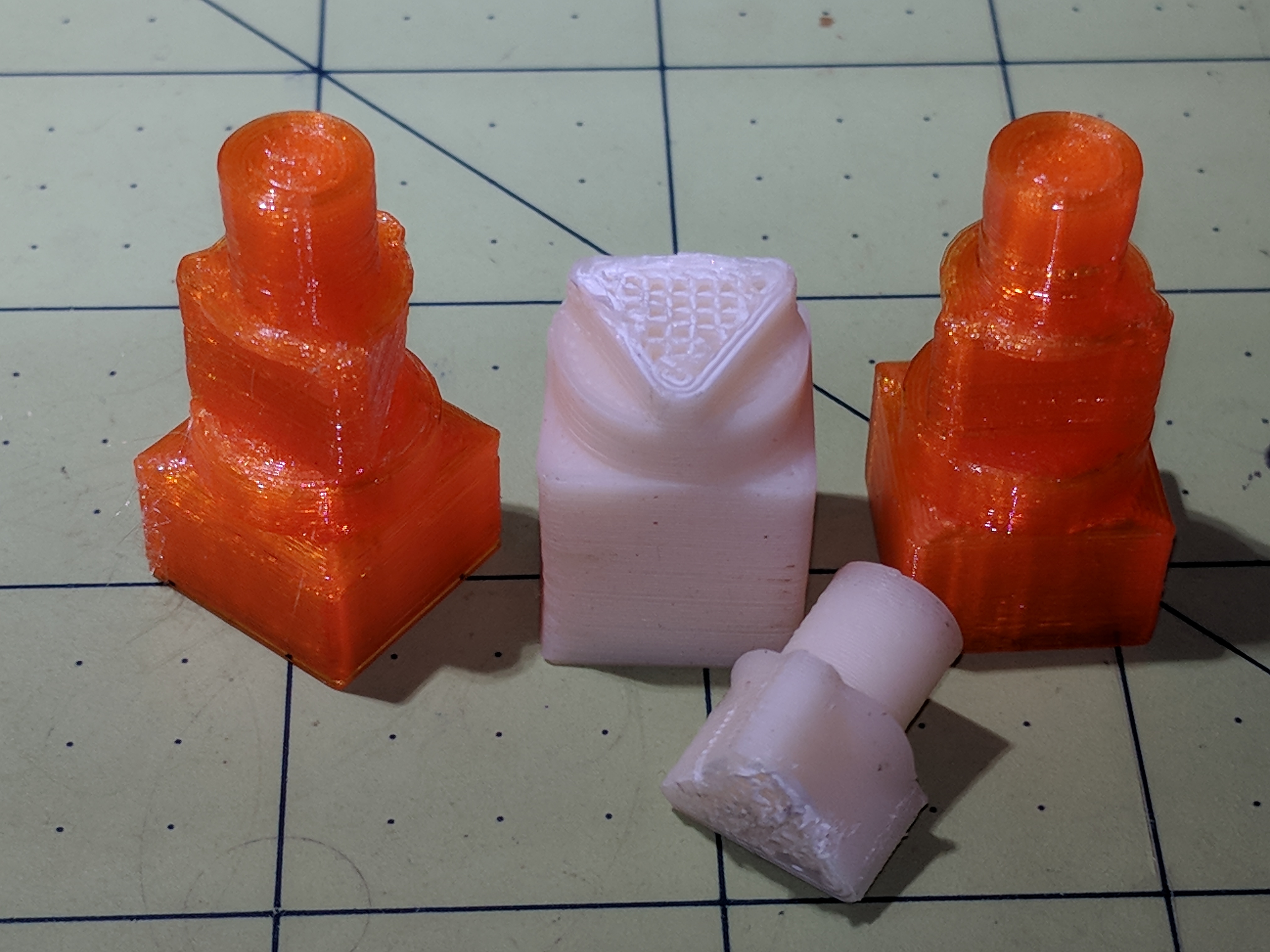
    Smoking bacon during the winter months brought the third tank into play, requiring the POL-to-QD adapter I’d had in the drawer for just such an occasion. Not much to my surprise, the old PLA fitting adapter snapped along the layers near the outside end of the triangular snout:

    IMG_20180408_125018
    IMG_20180408_125018

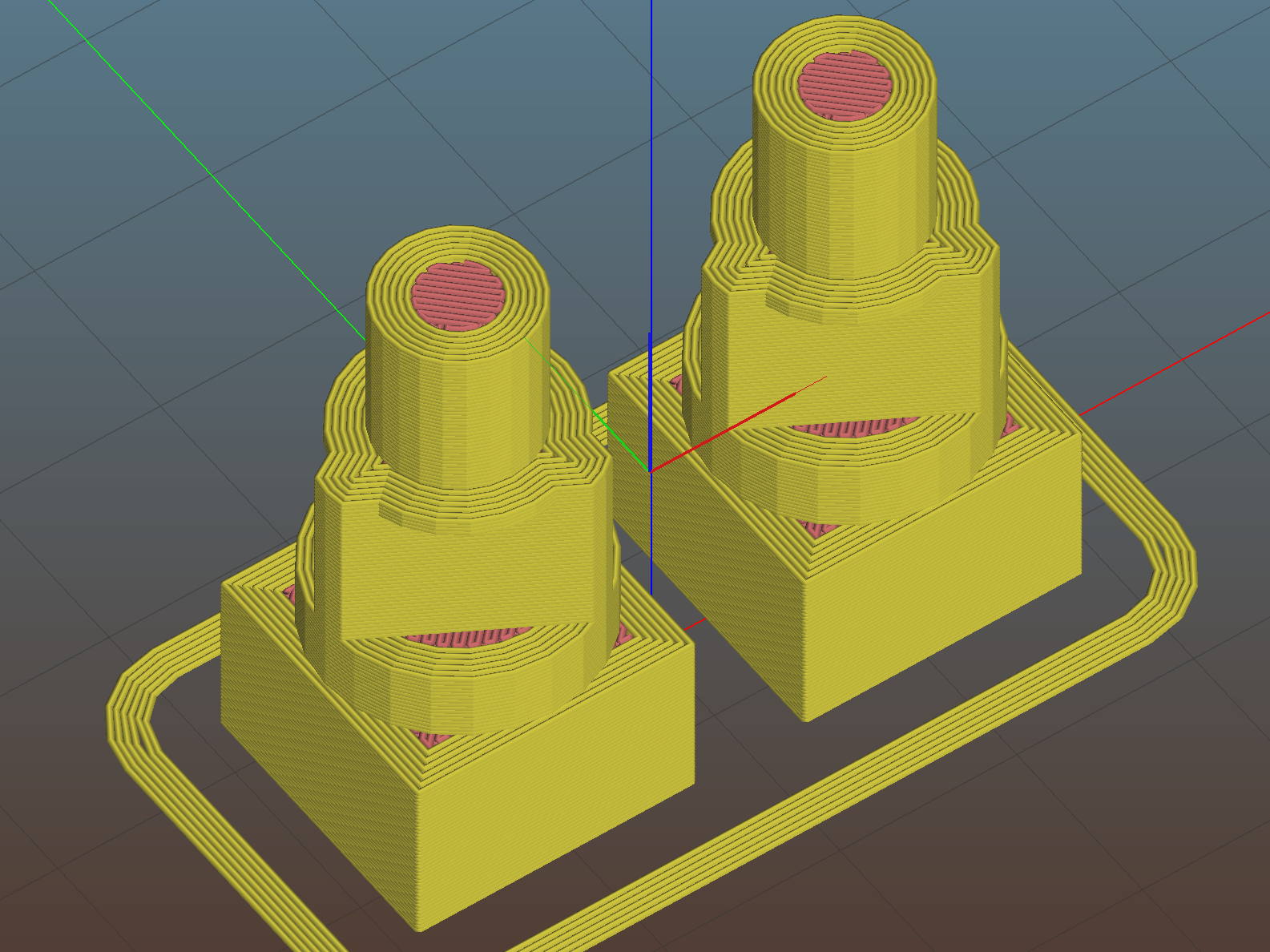
    So I ran off the two orange ones in PETG with six perimeter layers and 50% infill density:

    Propane QD Adapter Tool - Slic3r
    Propane QD Adapter Tool – Slic3r

    Those should last roughly forever …

    The OpenSCAD source code as a GitHub Gist:

    // Propane tank QD connector adapter tool
    // Ed Nisley KE4ZNU November 2012
    // 2018-04-08 toss MCAD includes overboard
    //- Extrusion parameters must match reality!
    // Print with about half a dozen perimeter threads and 50% infill
    ThreadThick = 0.25;
    ThreadWidth = 2.0 * ThreadThick;
    HoleWindage = 0.2;
    function IntegerMultiple(Size,Unit) = Unit * ceil(Size / Unit);
    Protrusion = 0.1; // make holes end cleanly
    inch = 25.4;
    //———————-
    // Dimensions
    WrenchSize = (5/8) * inch; // across the flats
    WrenchThick = 10;
    NoseDia = 8.6;
    NoseLength = 9.0;
    LockDia = 12.5;
    LockRingLength = 1.0;
    LockTaperLength = 1.5;
    TriDia = 15.1;
    TriWide = 12.2; // from OD across center to triangle side
    TriOffset = TriWide – TriDia/2; // from center to triangle side
    TriLength = 9.8;
    NeckDia = TriDia;
    NeckLength = 4.0;
    //———————-
    // Useful routines
    module PolyCyl(Dia,Height,ForceSides=0) { // based on nophead's polyholes
    Sides = (ForceSides != 0) ? ForceSides : (ceil(Dia) + 2);
    FixDia = Dia / cos(180/Sides);
    cylinder(r=(FixDia + HoleWindage)/2,
    h=Height,
    $fn=Sides);
    }
    /*
    module ShowPegGrid(Space = 10.0,Size = 1.0) {
    Range = floor(50 / Space);
    for (x=[-Range:Range])
    for (y=[-Range:Range])
    translate([x*Space,y*Space,Size/2])
    %cube(Size,center=true);
    }
    */
    //——————-
    // Build it…
    $fn = 4*6;
    //ShowPegGrid();
    union() {
    translate([0,0,(WrenchThick + NeckLength + TriLength – LockTaperLength – LockRingLength + Protrusion)])
    cylinder(r1=NoseDia/2,r2=LockDia/2,h=LockTaperLength);
    translate([0,0,(WrenchThick + NeckLength + TriLength – LockRingLength)])
    cylinder(r=LockDia/2,h=LockRingLength);
    difference() {
    union() {
    translate([0,0,WrenchThick/2])
    cube([WrenchSize,WrenchSize,WrenchThick],center=true);
    cylinder(r=TriDia/2,h=(WrenchThick + NeckLength +TriLength));
    cylinder(r=NoseDia/2,h=(WrenchThick + NeckLength + TriLength + NoseLength));
    }
    for (a=[-1:1]) {
    rotate(a*120)
    translate([(TriOffset + WrenchSize/2),0,(WrenchThick + NeckLength + TriLength/2 + Protrusion/2)])
    cube([WrenchSize,WrenchSize,(TriLength + Protrusion)],center=true);
    }
    }
    }
  • Monthly Image: Amazon Packing

    I have often kvetched about Amazon’s casual approach to packaging, so this took me completely by surprise:

    Amazon packaging - 16 mm linear motion rod
    Amazon packaging – 16 mm linear motion rod

    There’s a 500 mm length of 16 mm round linear motion rod / shaft inside the small blue-and-white box. Previous shipments of similar rod have arrived in a lightly padded envelope or rattling loose in a box of other stuff.

    The small blue-and-white corrugated cardboard box contains a bag protecting the well-oiled shaft, with padded end caps preventing the shaft from escaping or whacking against anything.

    The middle box is made from two U-shaped sheets of molded (not corrugated) fiberboard, with one rigid U stapled into those wood end caps, the other U fitting over the assembly, and plenty of packing tape securing the two. Enough bubble wrap fills the cavity to surround and completely immobilize the inner box.

    FedEx carried the armored box from Thomson to an Amazon warehouse in February, so it wasn’t packed specifically for me.

    The upper box is a standard Amazon corrugated carton, with slightly more than a token amount of paper packed around the fiberboard box. The paper didn’t completely immobilize the middle box, but did serve to keep it from rattling loose.

    I paid twenty bucks for the rod, with “free” Amazon Prime shipping, and UPS delivered it in the usual two days.

    The whole affair weighs 7 pounds. If I were to reship it to somebody using UPS 2nd Day, they’d charge me $39 just for the shipping.

    I felt unworthy …

    On the other paw, Amazon recently sent a dozen LED lights with a casual disregard for protection:

    Amazon packaging - shredded LED lamp carton
    Amazon packaging – shredded LED lamp carton

    Both ends of the carton were shredded, although all of the cardboard tubes and LED lamps remained still inside. Not all the tube end caps completed the journey, however.

    The carton didn’t sport the usual Box Certificate mark found on all Amazon cartons and was made of brittle Chinese cardboard, so it was intended for protected shipping, perhaps inside a freight container, not as a business-to-consumer shipping box.

    Somewhat to my surprise, all the LED lights worked, including several that shrugged off their tube caps, as in the upper right, or broke their white cardboard end plates, as in the rest. The plastic protectors on the LED pins served their purpose!

    Amazon provided a partial refund when I filed Package Feedback, so they’re paying attention to damages.

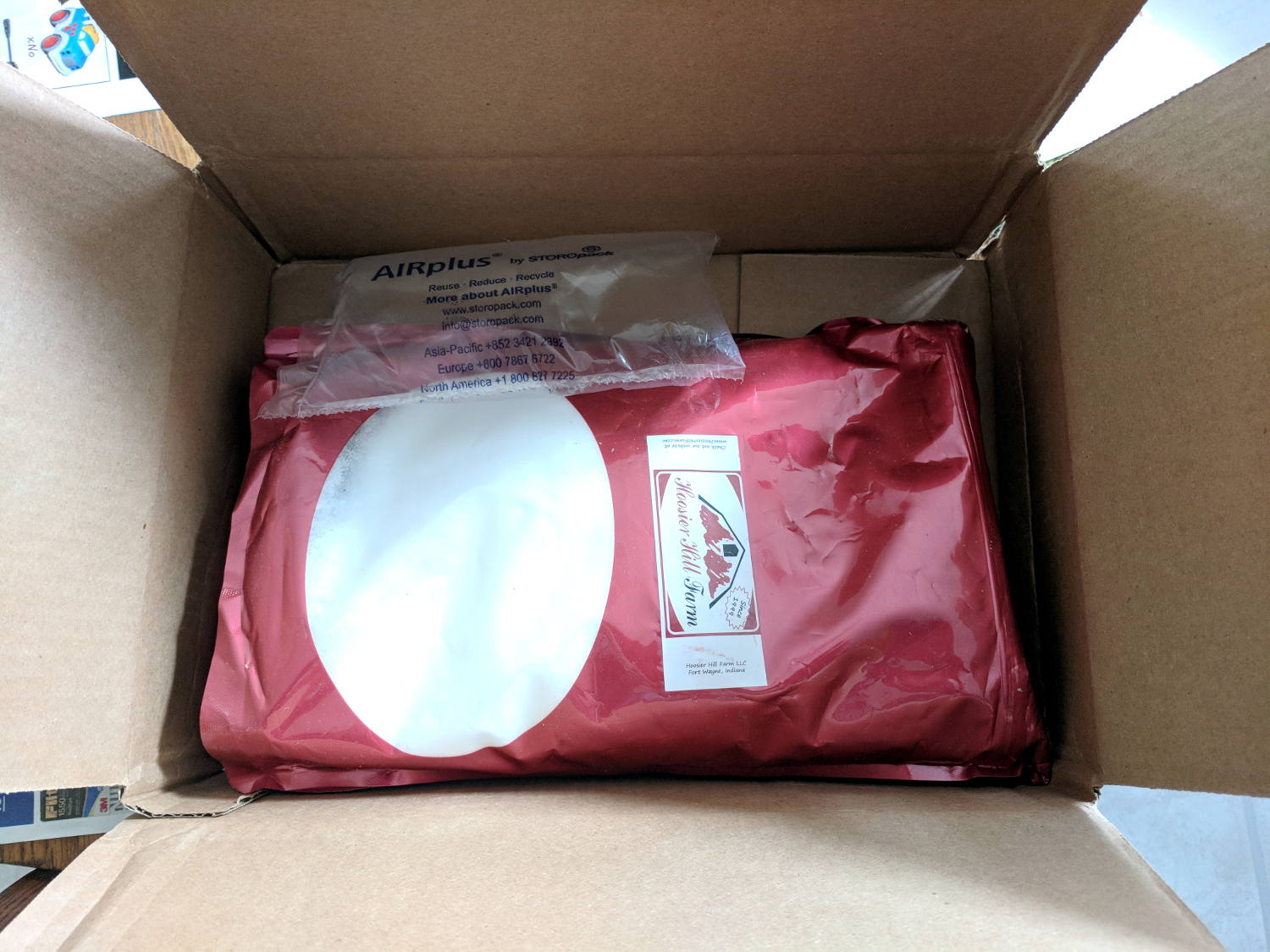
    Five pounds of granular erythritol fared better, with a token air pillow contributing nothing:

    Amazon packaging - 5 lb bag
    Amazon packaging – 5 lb bag

    It makes ya wonder, it does …

  • Fluorescent Shop Light Ballasts, Redux

    As usual, several shoplights didn’t survive the winter, so I gutted and rebuilt them with LED tubes. Even the fancy shoplights with genuine electronic ballasts survive less than nine years, as two of those eight “new” lamps have failed so far.

    The dead ballast looks the same as it did before:

    Electronic ballast - label
    Electronic ballast – label

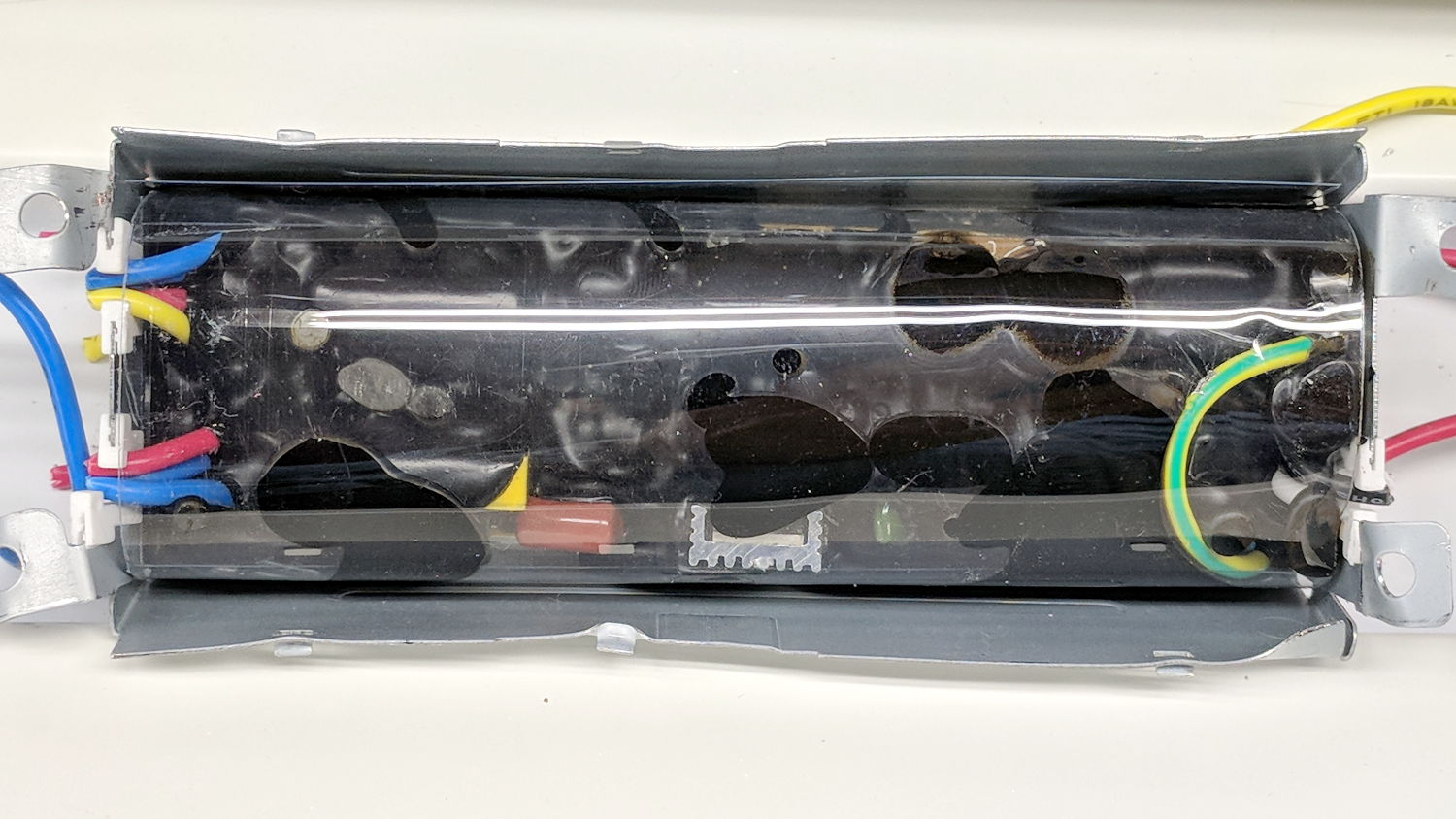
    Some deft work with a cold chisel and my Designated Prydriver popped the top to reveal a plastic-wrapped circuit board:

    Electronic ballast - interior wrapped
    Electronic ballast – interior wrapped

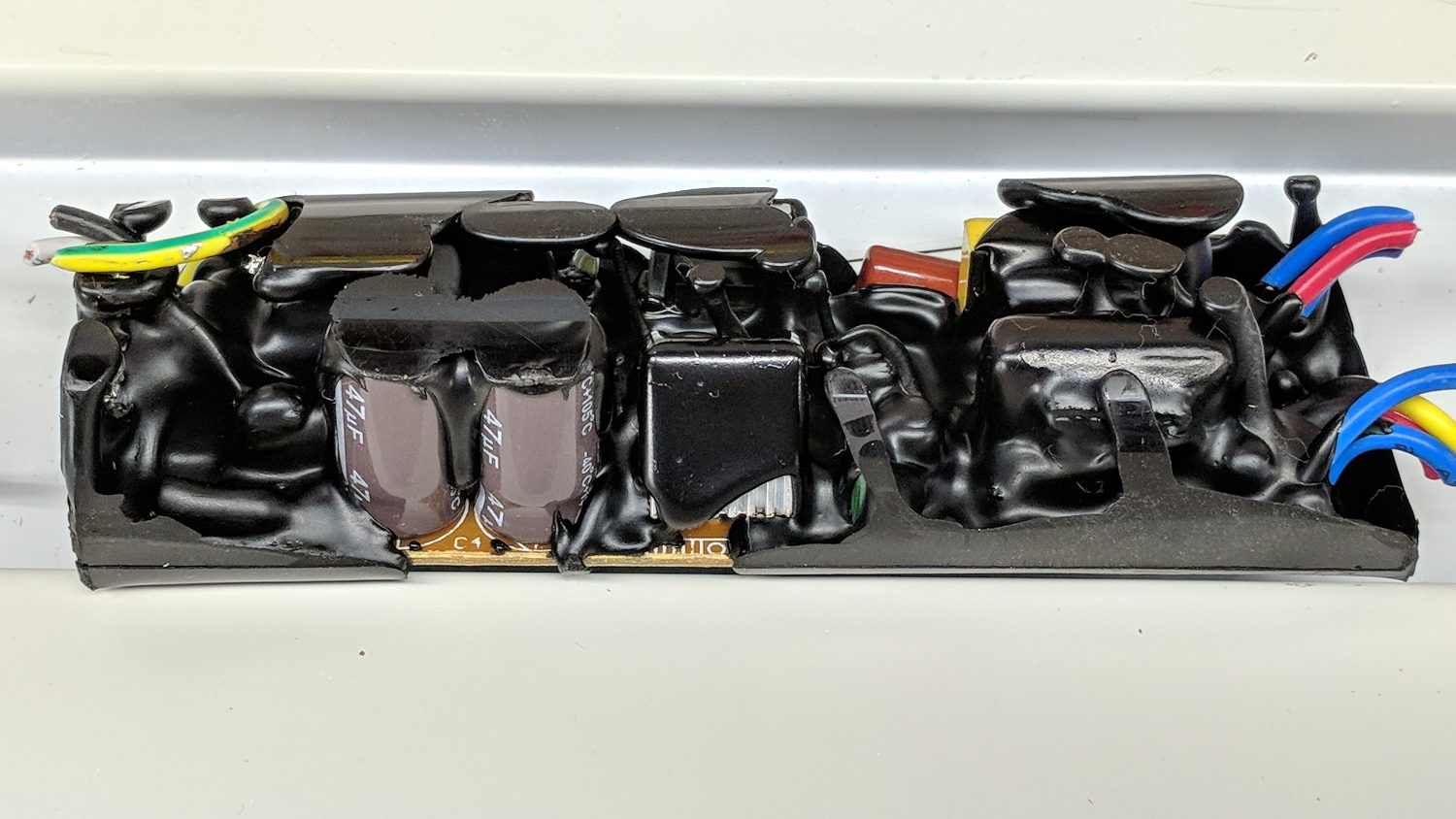
    Perhaps the flexy gunk reduces the sound level:

    Electronic ballast - interior A
    Electronic ballast – interior A

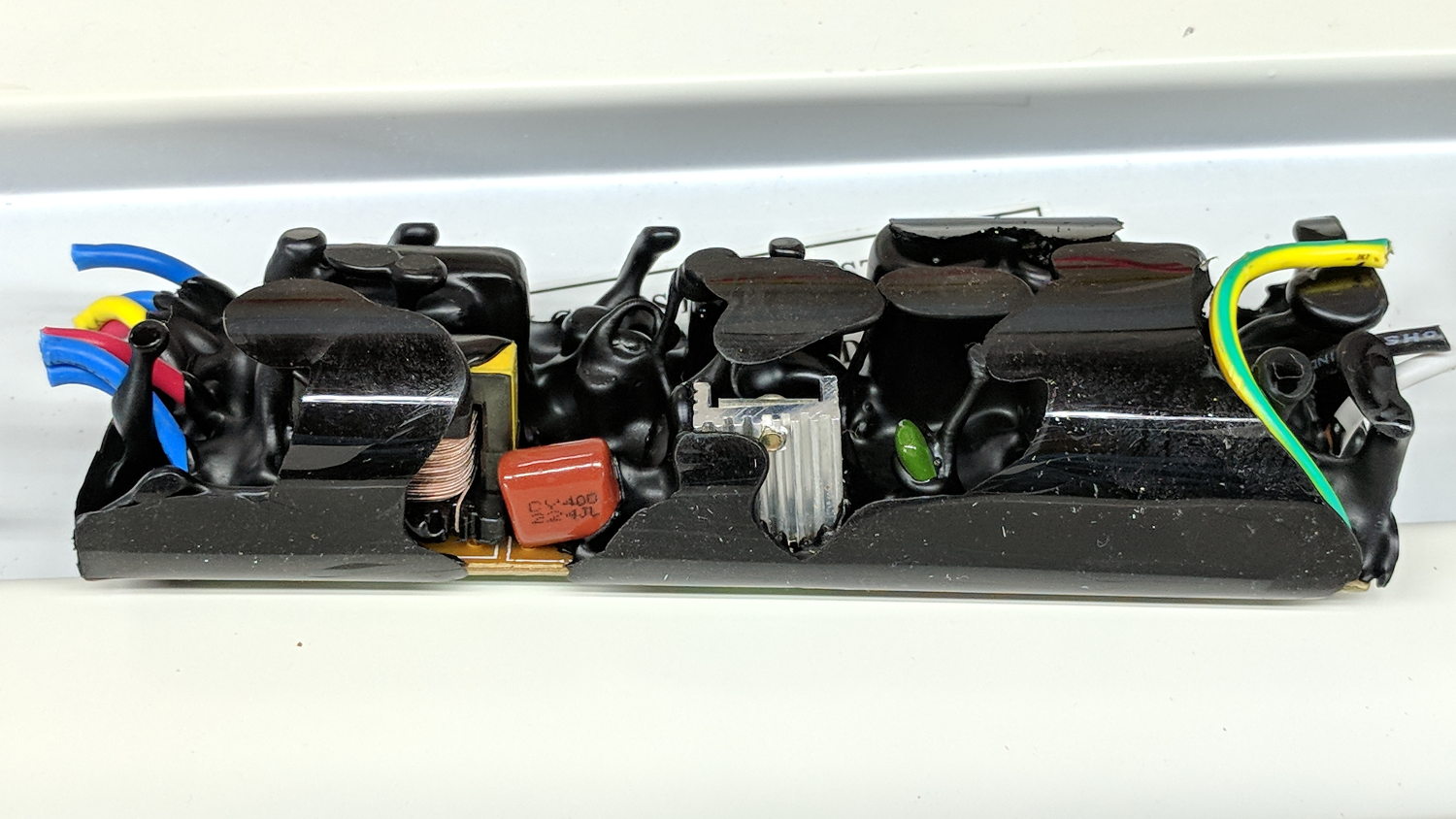
    While also preventing casual failure analysis and organ harvesting:

    Electronic ballast - interior B
    Electronic ballast – interior B

    The black gunk smells more like plastic and less like old-school tar. It’s definitely not a peel-able conformal coating.

    One the other paw, the two magnetic ballasts in another lamp sported actual metal-film capacitors, which I harvested and tossed into the Big Box o’ Film Caps:

    Shoplight choke ballast - film cap
    Shoplight choke ballast – film cap

    If a dying ballast didn’t also kill its fluorescent tube(s), I’d be less annoyed. I’m running the remaining tubes through the surviving fixtures, but the end is nigh for both.

    The new LED tubes produce more light than the old fluorescents, although I still don’t like their 6500 K “daylight glow” color.