Ed Nisley's Blog: Shop notes, electronics, firmware, machinery, 3D printing, laser cuttery, and curiosities. Contents: 100% human thinking, 0% AI slop.
I know no more than you do about the situation, but I’d lay long, long odds Hannaford created the poster with a more recent version of Microsoft Word (or whatever) than the recipient organization has available, making the file essentially read-only.
Not casting shade on ’em; sometimes, you do what you gotta do.
FWIW, I’d expect LibreOffice and any Microsoft Word version other than the exact one used to create the poster to mangle the formatting differently. Been there, done that.
This table must sit across the threshold of a walk-in / sit-down shower, with the shower curtain draped across the table to keep the water inside.
Starting with another patio side table, as before, I installed a quartet of 5 mm stainless screws to lock the top panels in place and convert the table into a rigid assembly:
Arm Supports – wide table – overview
Because the shower floor is slightly higher than the bathroom floor, I conjured a set of foot pads to raise the outside legs:
Patio Side Table Feet – OpenSCAD model
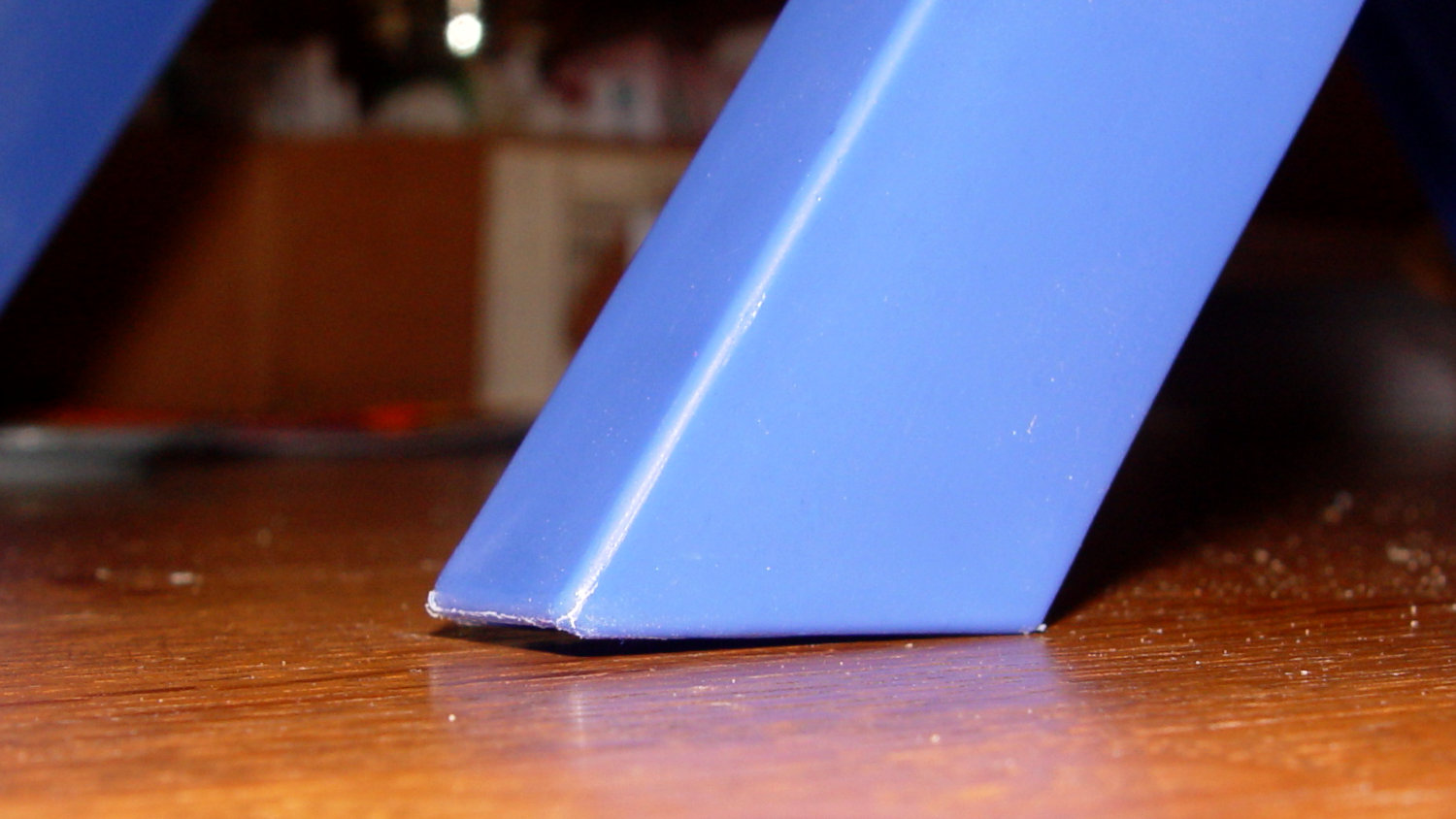
The sloping top surface on the pads compensates for the angle on the end of the table legs:
Arm Supports – leg end angle
I think the leg mold produces legs for several different tables, with the end angle being Close Enough™ for most purposes. Most likely, it’d wear flat in a matter of days on an actual patio.
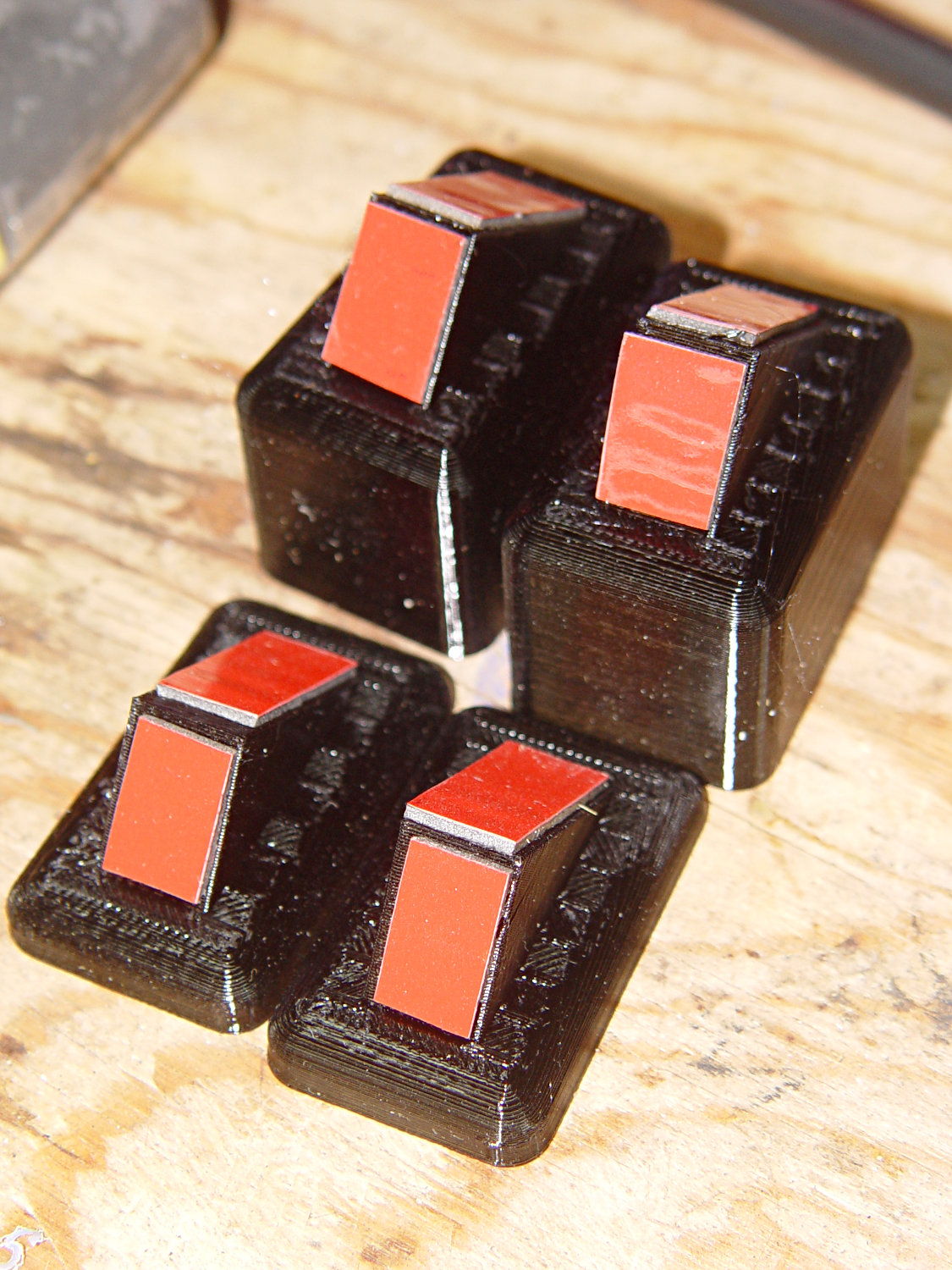
Using good 3M outdoor-rated foam tape should eliminate the need for fiddly screw holes and more hardware:
Arm Supports – leg pads
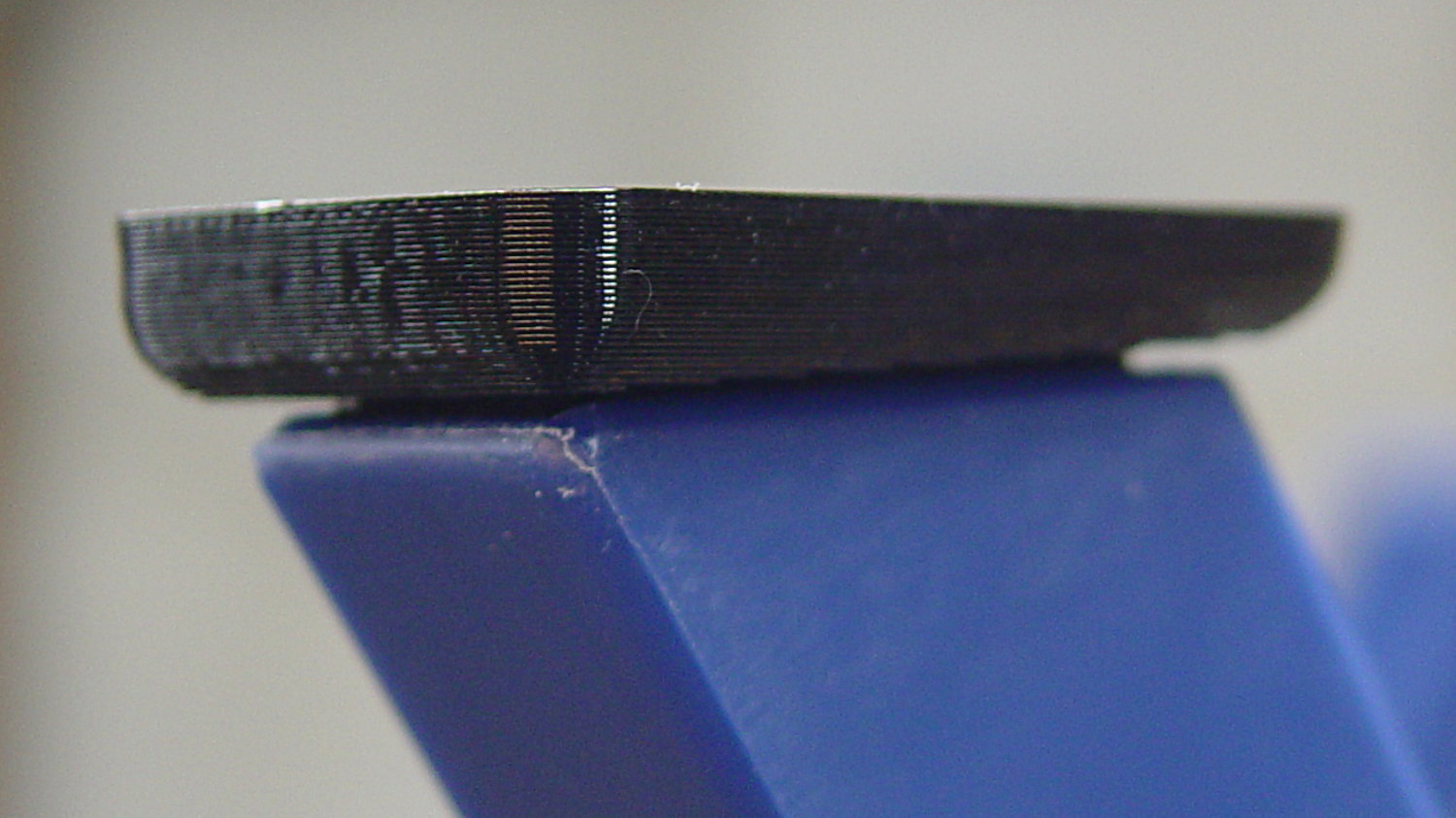
The feet fit reasonably well:
Arm Supports – leg pad in place
They may need nonskid tape on those flat bottoms, but that’s in the nature of fine tuning.
And, as with the narrow table, it may need foam blocks to raise the top surface to arm level. Perhaps a pair of Yoga Blocks will come in handy for large adjustments.
This file contains hidden or bidirectional Unicode text that may be interpreted or compiled differently than what appears below. To review, open the file in an editor that reveals hidden Unicode characters.
Learn more about bidirectional Unicode characters
For reasons not relevant here, I recently conjured a pair of tables to support an injured arm (ours are OK!) in the bathroom: one table fitting in the narrow space adjacent to a toilet and the other across the threshold of a walk-in / sit-down shower.
The raw material came from a plastic side table intended for outdoor use:
Arm Supports – OEM Patio table
That’s the Patriotic Blue version, which seemed the least offensive of the colors on offer at the local store.
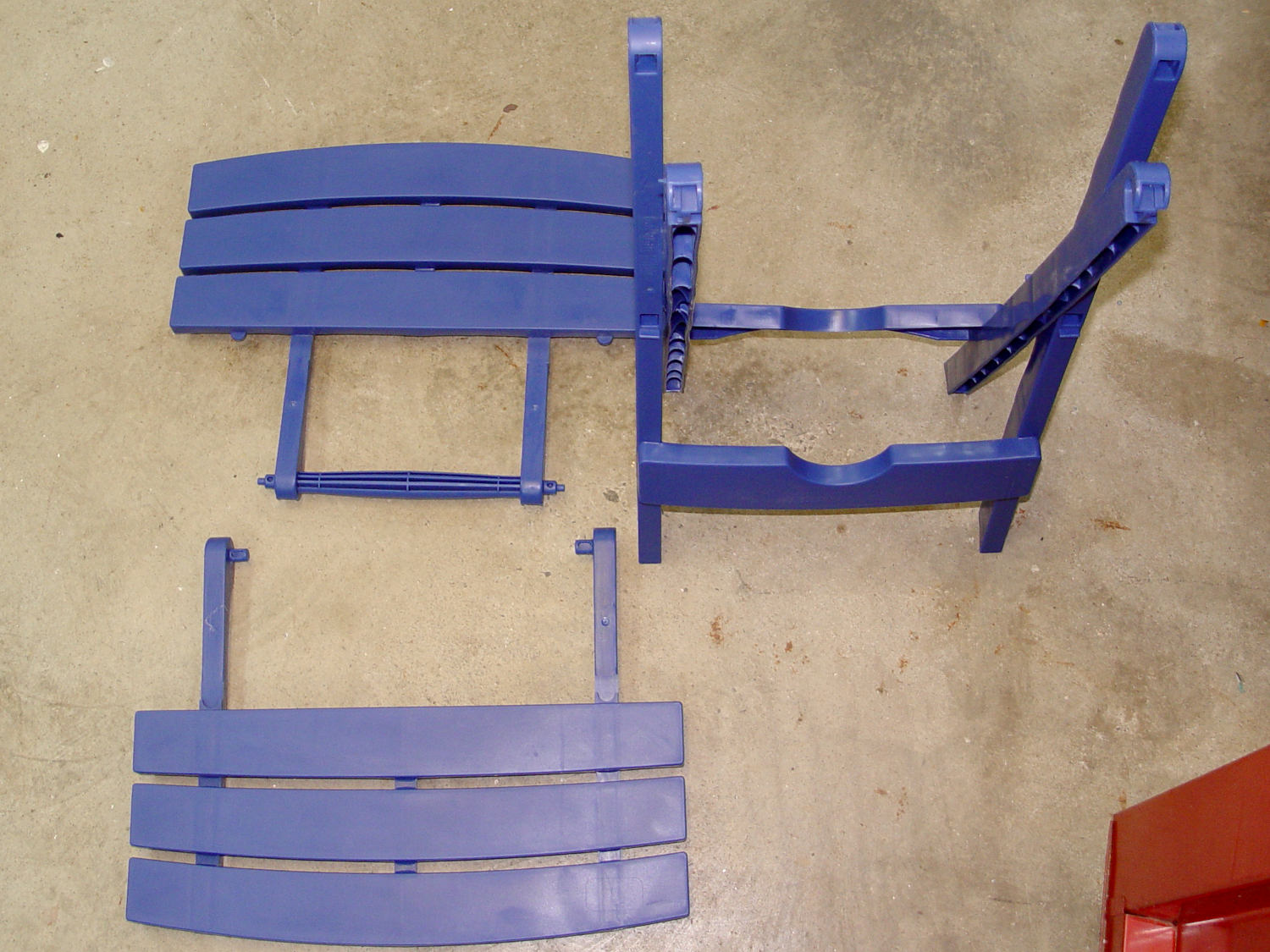
The plastic pieces unsnap easily enough:
Arm Supports – top panel disassembly
The legs also come apart by pulling outward at the crossover points. You may need to clean the flashing from all the joints, as they’re only as finished as absolutely necessary.
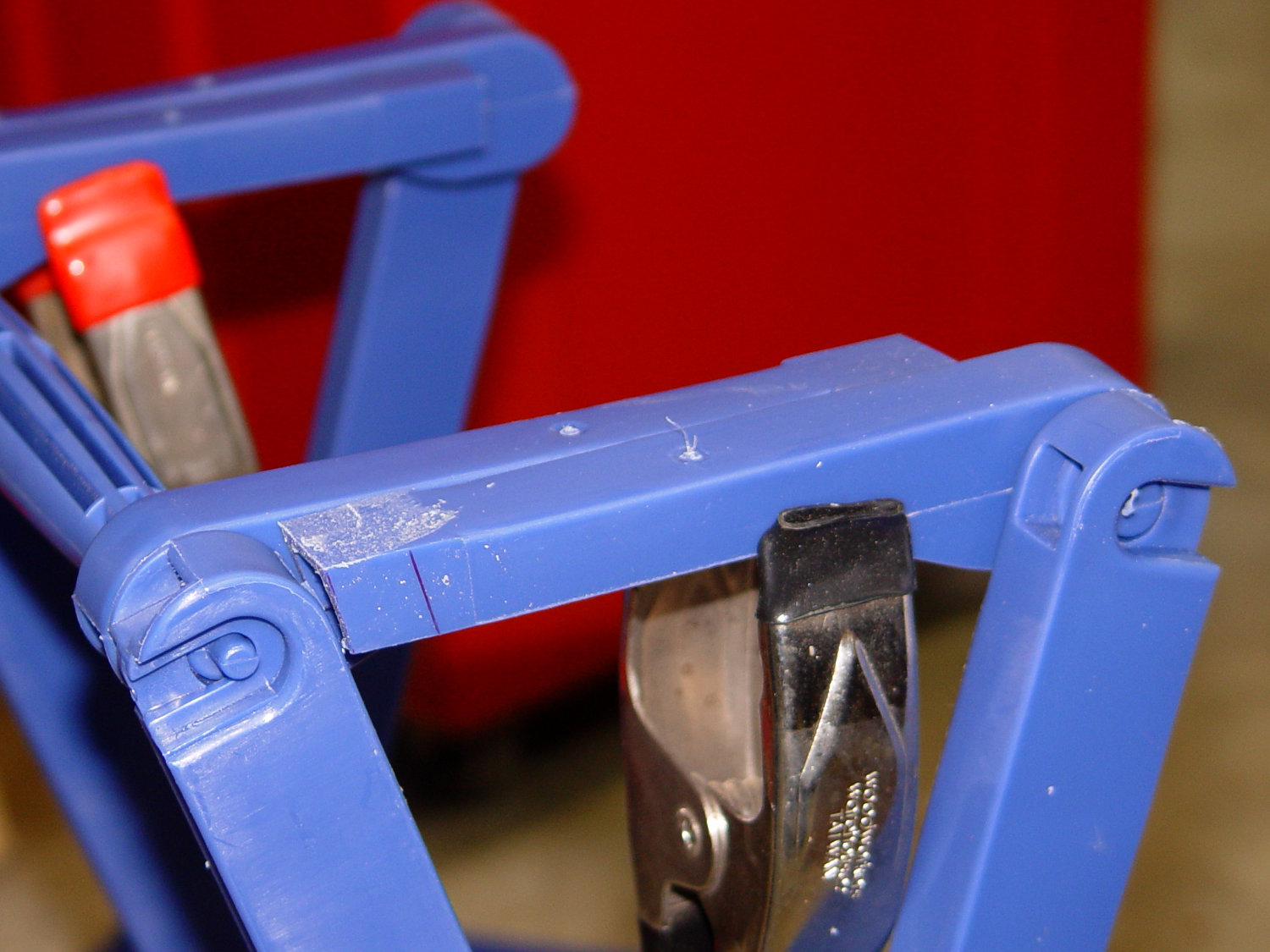
A table about half the width seemed about right, so I sawed the two top plates off their struts, then angled the strut ends to match the new leg angle:
Arm Supports – trimming table struts
Because it’s now completely floppy, I drilled holes for 5 mm screws through the struts:
Arm Supports – cross-drilling struts
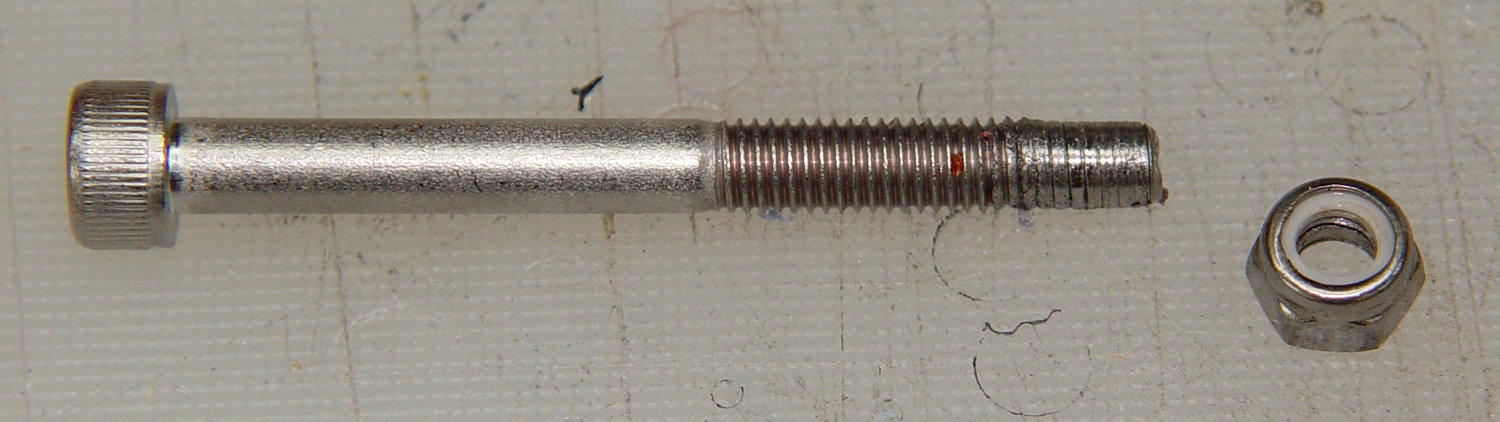
In the process, I discovered stainless steel nyloc nuts tend to gall on stainless steel screws:
Galled stainless steel cap screw and nyloc nut
I lost a pair of screws + nuts before I got a clue and began adding a drop of machine oil to each screw before tightening the nuts. Haven’t had that problem with the 3 mm SS screws, so there’s always something new to learn.
With all the screws in place, the half-table becomes a rigid contraption:
Arm Supports – narrow table – bottom view
The top looks like it’s suffering from severe barrel distortion, but it really started out looking that way:
Arm Supports – narrow table – overview
The slat sides are all curved, except the far edge that was once in the middle of the table and now fits against the wall.
It may be slightly too short, but we can stack foam slabs on the top, probably held in place with cable ties.
Memo to Self: lube all the stainless steel screws!
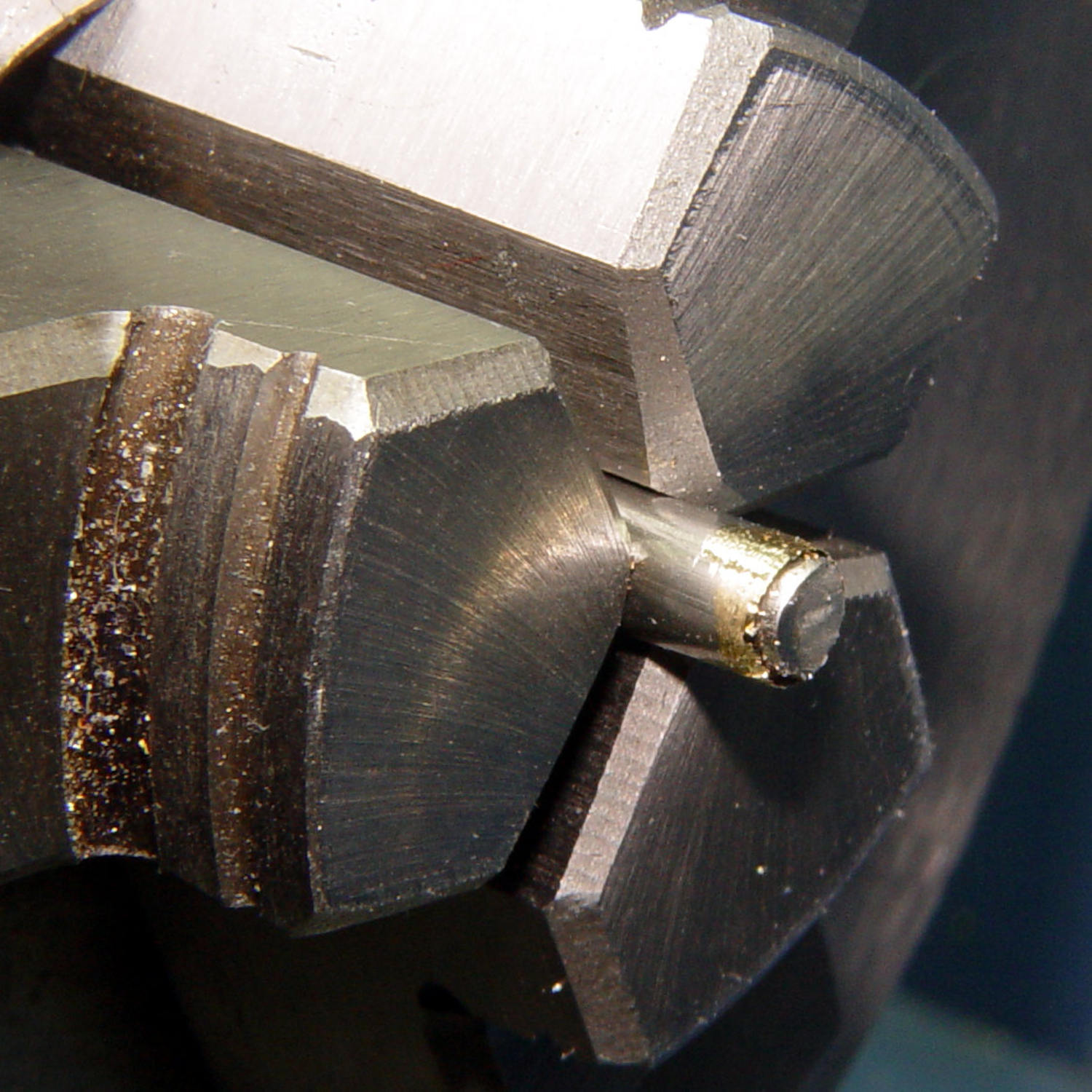
After considerable evaluation, the Customer decided the shoelaces were still too long and said the hex-crimped ferrules were entirely too rough and tended to snag on things. This time, I prepared the ferrules by chucking them in the lathe:
Ferrule – original flange
The steel rod inside the ferrule encourages it to remain round and not collapse while I’m filing off the flange that normally holds the plastic strain-relief doodad:
Ferrule – reshaped flange
I snipped another half inch off each end of the laces and crimped on the prepared ferrules:
Shoelace ferrule aglets
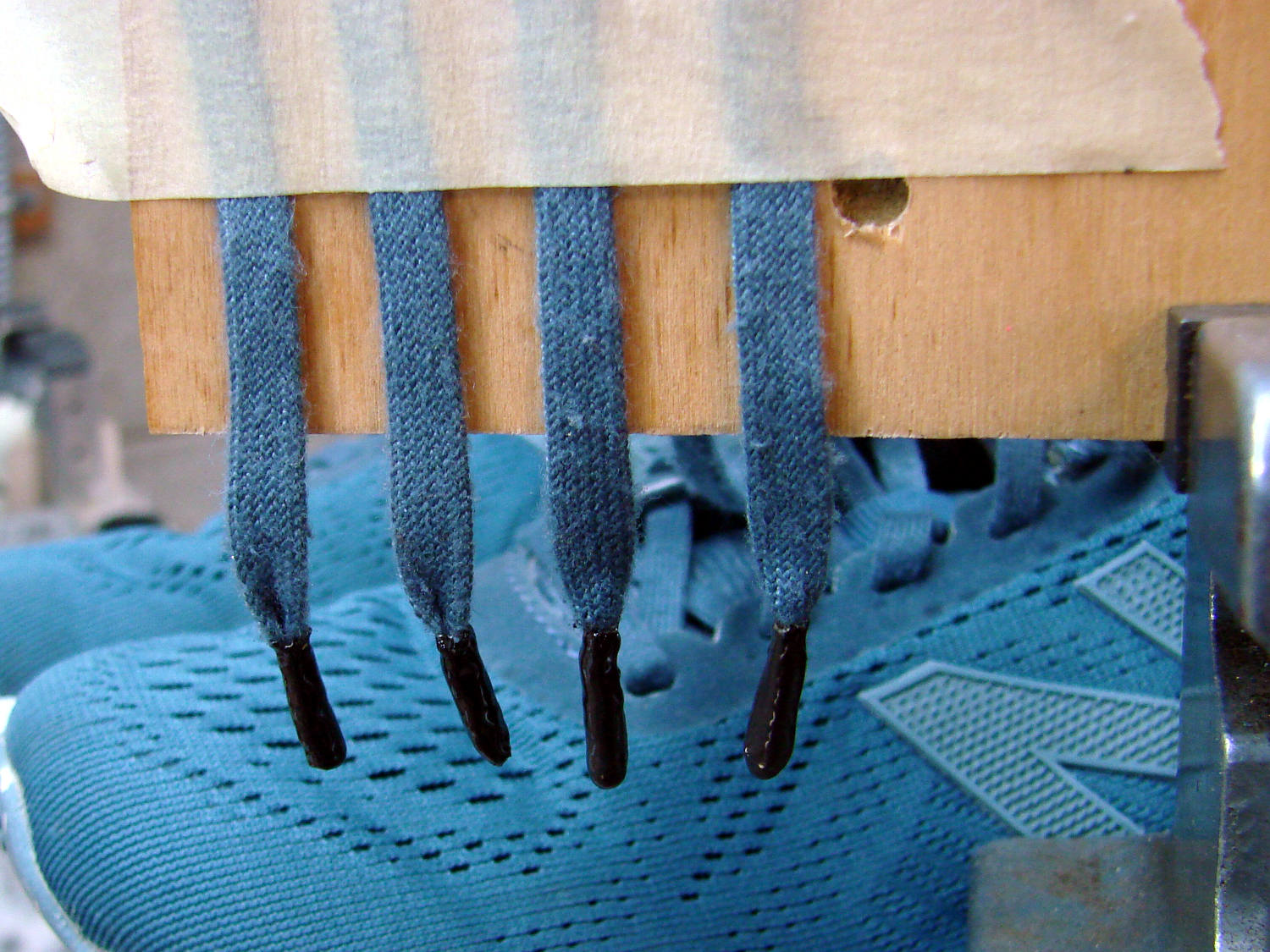
Which were definitely too jaggy, so they now sport an epoxy coat:
Ferrule aglets – epoxy coat
Alas, JB Kwik epoxy has a pot life measured in minutes, so the last ferrule looks a bit lumpy. They seem to work fine and the Customer is happy with the results.
Memo to Self: Next time, dunk the ferrules in a pot of slow-curing JB Weld and let them drain overnight.
Seen after topping bowls of chili late on a wintry day:
Cutting board – grazing sunlight
Late afternoon sunlight streams across the living room and through the kitchen doorway to sidelight cheddar cheese crumbs on the far side of the kitchen.
There’s also one magic wintry night when the full moon aligns with the front doorway to light the entire hallway floor for a few Stonehenge moments. It’s always a delightful surprise, even though I’m sure it’s predictable.
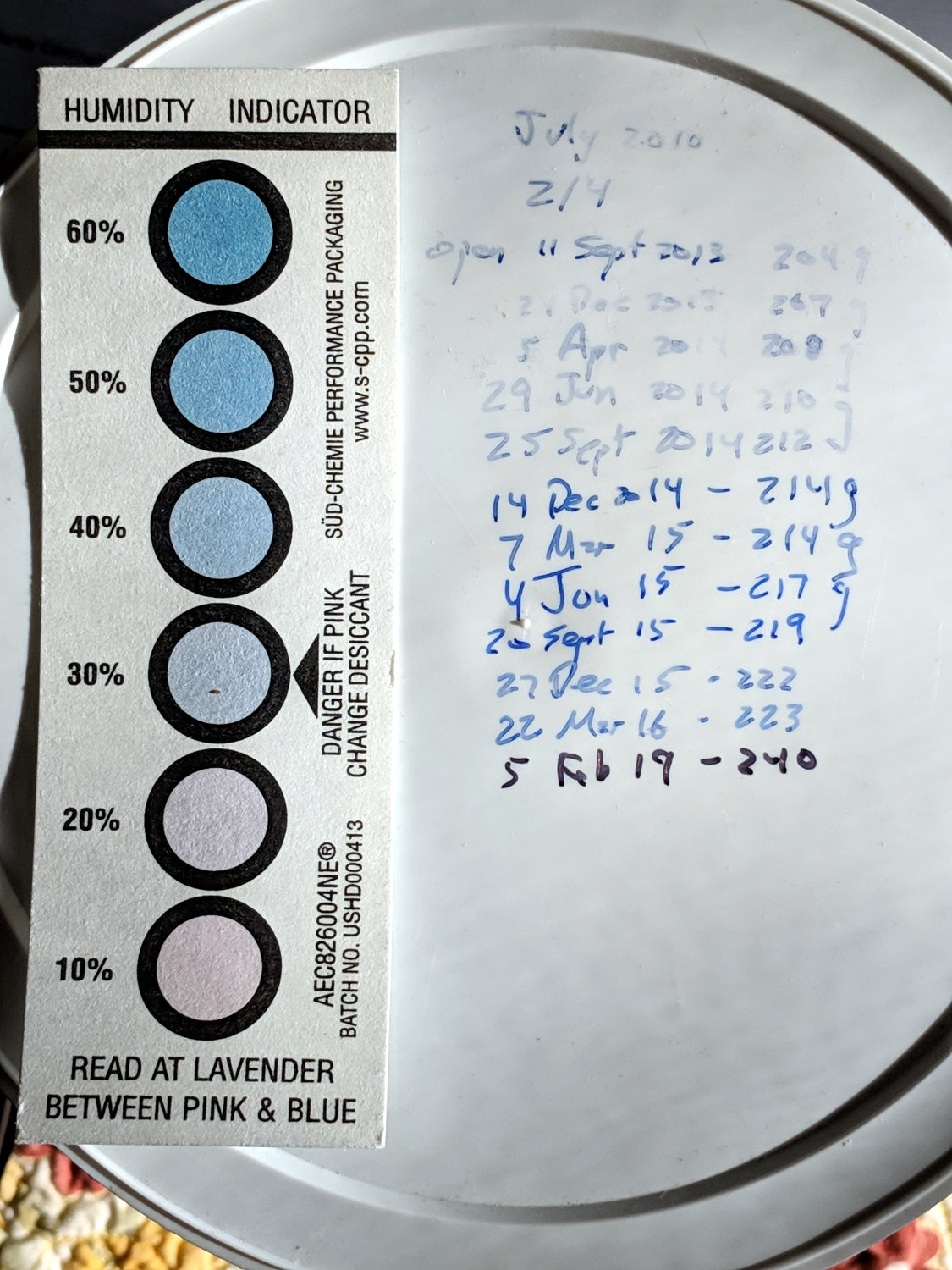
Being that type of guy, I tucked a bag of silica gel desiccant and a humidity indicator card into a #10 can of baking powder, then recorded the bag weight whenever I refilled the kitchen container:
Baking Powder Can with Data
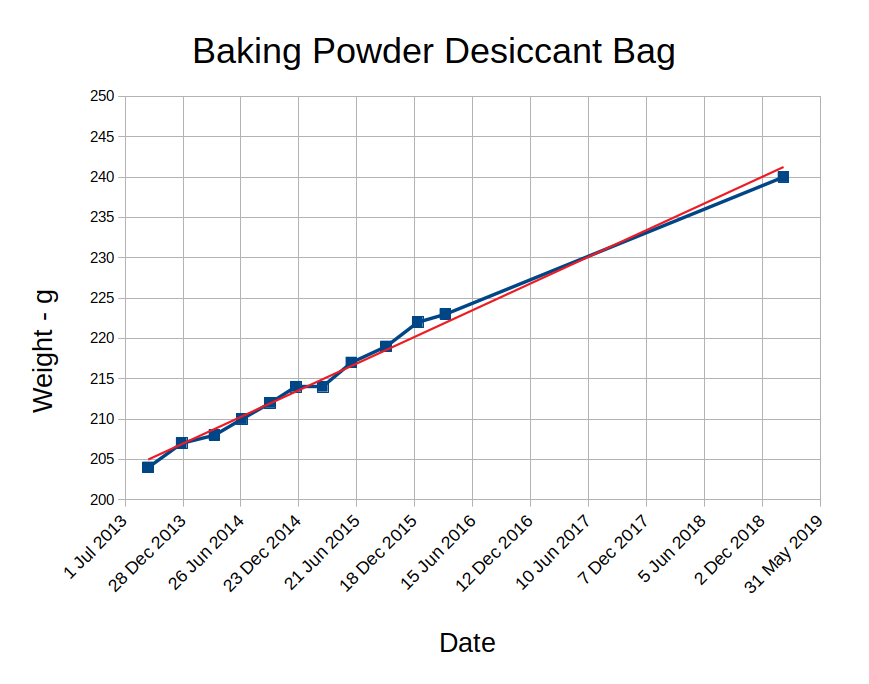
For reasons not relevant here, we pretty much stopped using baking powder a couple of years ago, so there’s a protracted silence between the last two data points:
That last point emptied the can and, after a few days in the 60% RH basement, the bag weighed 243 g. The slope of the line suggests it’s been near 240 g for a while, although the humidity card showed the air was reasonably dry in there.
At our current rate, we’ll open the next can in a year or so …
I’ve been using the J5 Tactical flashlight as a “walking light” on our walks around the neighborhood, because its bright white spot has definitely caused a few drivers to look up from their phones at the last moment and swerve away.
Of late, however, it turned on with a weak light and operated erratically. Removing the lens and unscrewing the front end revealed one mmmm potential problem:
J5 Tactical Flashlight – loose LED PCB
It looks like they’re depending on the “gold” in cutaway plated-through holes to make electrical contact with the aluminum mount, then through the threads to the case. The PCB joint would work much better with consistent pressure all the way around its perimeter.
I mashed the PCB into place with a machinists vise, but, given the number of problems I’ve had with J5 flashlights (one a QC reject), they’re on my Non-Preferred Vendor list; if I’m going to get junk, I may as well pay bottom dollar.










 The Smell of Molten Projects in the Morning