The Smell of Molten Projects in the Morning

Ed Nisley's Blog: Shop notes, electronics, firmware, machinery, 3D printing, laser cuttery, and curiosities. Contents: 100% human thinking, 0% AI slop.

Category: Home Ec

Things around the home & hearth

  • Car vs. Mailbox

    Car vs. Mailbox

    Things remained rather quiet at the end of the driveway for a few months, then this happened just before breakfast:

    Mailbox killer - driveway view
    Mailbox killer – driveway view

    Rt 376 had accumulated some sleet overnight and freezing rain was still falling. The driver apparently lost control around the curve, missed the fire hydrant behind me, and went up the embankment sideways at a pretty good clip.

    As far as I can make out, the left front door took out the mailbox post, which was the stump of a utility pole installed long before we bought the property:

    Mailbox killer - snapped post
    Mailbox killer – snapped post

    Admittedly, the post was rotten around its base, but remained a substantial chunk of wood. The black plastic curl is the air deflector formerly sealing the front of the car’s undercarriage.

    Seen from the far end of the debris field, the car smashed dead center into the mighty honeysuckle bush, shed a variety of small parts, recoiled backwards, and tagged the tree as it rolled down the embankment:

    Mailbox killer - yard view
    Mailbox killer – yard view

    The mailboxes sit on the shoulder to the right of the car.

    No serious injuries to the driver or passengers, although they got an ambulance ride to the ER to make sure.

    Those dents just ain’t gonna buff out:

    Mailbox killer - flatbed
    Mailbox killer – flatbed

    I did get three years out of the repaired mailbox hinges and perhaps I should preemptively transfer the hardware to the new mailbox.

    There’s never a dull moment around here.

  • Bobbin Rock

    Bobbin Rock

    Mary handed me a bobbin with a trouble report: it fit into the bobbin holder either way, but would go into the sewing machine either poorly or not at all.

    Based on past experience with this lot of bobbins (*), I expected to find a burr inside the steel hub left behind by the saw cut creating the drive dog slot, so this came as a surprise:

    Bobbin Rock - overview
    Bobbin Rock – overview

    A closer look:

    Bobbin Rock - detail
    Bobbin Rock – detail

    That pebble was jammed in place so firmly I needed a pin punch: a small screwdriver wasn’t enough.

    It came new from the factory like that, which makes one wonder just exactly what the factory floor looks like.

    More likely, the bobbins spend their last few hours in a vibratory polisher and that little rock just crept with all the walnut shell kibble.

    Works fine now, so we’ll call it a win.

    (*) I gave her a lot of 100 to ensure she never had to unload a bobbin to keep her new Juki well-fed.

  • Eyeglass Spring Temple: Screw Hole Tweak

    Eyeglass Spring Temple: Screw Hole Tweak

    A screws in one of Mary’s eyeglasses unscrewed itself, but, miraculously, we found it and I retired to the shop.

    Because the glasses have spring temples, the screw would not align no matter what force I applied to it:

    Eyeglass spring temple - screw misalignment
    Eyeglass spring temple – screw misalignment

    So I just embiggened the hole until the available force did the trick:

    Eyeglass spring temple - hole filing
    Eyeglass spring temple – hole filing

    Dots of Loctite worked into the threads should prevent that from happening again, but I’ve learned to never say never.

    In retrospect, the temple pivots have an exposed slot that I think would allow jamming a block in place after pulling the spring-loaded pivot outward. Temple springs are impossibly stiff and I have previously failed to budge them in glasses without the slots, so I don’t know how well that might work.

    Verily: If brute force isn’t working for you, then you’re not using enough of it.

  • Kitchen Under-sink Cabinet Fan Incident

    Kitchen Under-sink Cabinet Fan Incident

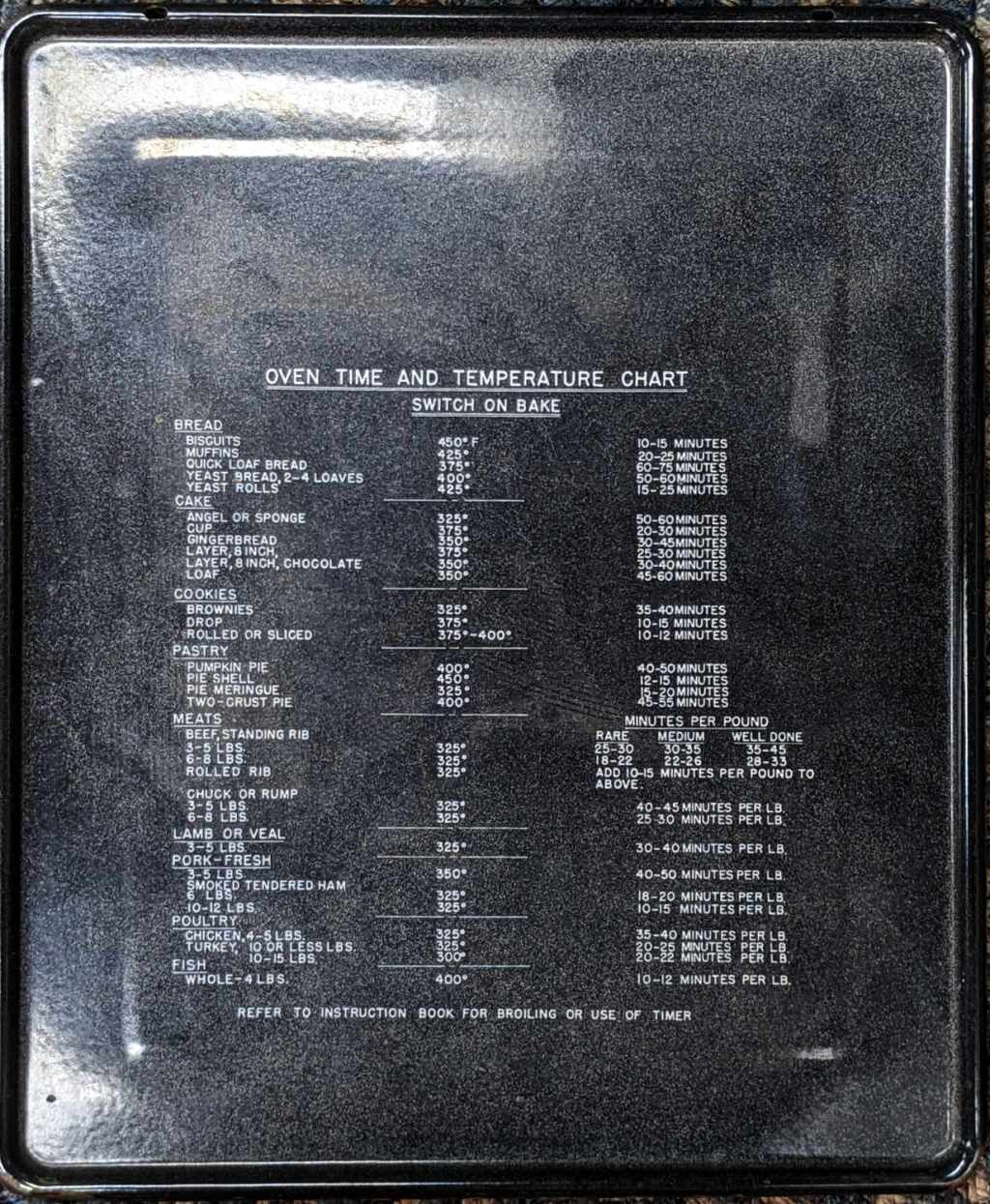
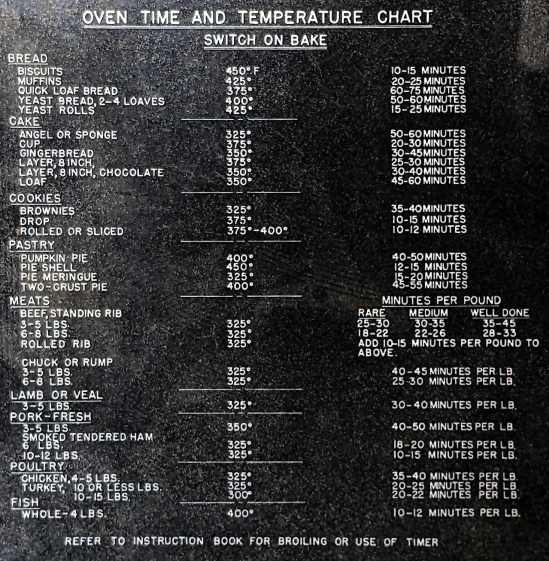
    During the course of diagnosing and fixing the latest oven igniter failure, an unrelated series of events produced a flood under the kitchen sink and across the floor. After cleaning up the mess and determining the floor under the cabinet was merely damp, rather than wet, I drilled a hole suitable for another PC cooling fan from the Box o’ MostlyFans, installed the fan to pull air upward, and let it run for a couple of days while watching the humidity drop.

    Fortunately, I had a hole saw exactly the right size for an 80 mm case fan:

    Kitchen sink - fan cover plate
    Kitchen sink – fan cover plate

    I will lay big money on a bet saying your kitchen cabinets don’t have Real Wood like that, nor are the interiors painted bold Chinese Red. This place really is a time capsule from 1955.

    While the drying happened, I made a hole cover from 1.5 mm black acrylic and, there being no style points involved, rounded up a quartet of black-oxide self-drilling sheet metal screws to hold it in place.

    Although it’s not obvious, there’s a layer of transparent plastic “shelf paper” in there. It covers the fan hole under the cover, so any future spills will have approximately the same difficulty reaching the floor as this one did.

    The LightBurn layout produces both the fan cover and a template to mark the four screw holes around the fan opening:

    Kitchen Sink Fan - LB layout
    Kitchen Sink Fan – LB layout

    The blue tool layer lines serve as a guide for the rest of the cover layout; the matching orange square on the right marks the fan outline on the drill template as a quick size check.

    No need for an SVG version, because now that you have the general idea, it’s easy to recreate it for your own fan.

  • Kenmore 362.75581890 Oven: Another Igniter Bites The Dust

    Kenmore 362.75581890 Oven: Another Igniter Bites The Dust

    Our story so far:

    • We installed a Kenmore gas range around the turn of the millennium
    • 2006 – Oven burner tube & igniter replaced
    • 2014 – Igniter replaced

    Apparently igniters last about eight years, regardless of provenance, because the igniter just failed, with the usual symptoms of low current draw (about 2 A), failed ignition, and a faint smell of propane (well, mercaptan) before the safety valve kicked in:

    Oven igniter - location
    Oven igniter – location

    The new igniter, another low-buck Amazon offering, came with half a green plastic connector block that mated neatly with the existing half under the oven. Unfortunately, the new wires had female pins crimped on their ends, rather than the male pins required by the existing connector and the ceramic wire nuts I’d used to join the previous igniter to the OEM connector were non-removable.

    So I trimmed the old wires to a usable length and applied the new ceramic wire nuts to the stubs:

    Oven igniter - connector rewiring
    Oven igniter – connector rewiring

    Also as before, the new igniter measures 3 A, definitely below the low end of the valve’s 3.3 to 3.6 A range:

    Oven igniter - current test
    Oven igniter – current test

    If this one lasts eight years, I won’t be the guy replacing it …

  • Holly Coaster: Improved Mirror Setup

    Holly Coaster: Improved Mirror Setup

    Other than demonstrating that it’s possible to laser-engrave a 3 mm deep pocket in a ¼ inch thick piece of scrap paneling, the process didn’t have much to recommend it:

    Holly Coaster - mirror flaws
    Holly Coaster – mirror flaws

    So I re-did the layout to put the 3 mm mirror in 3 mm thick plywood:

    Holly Coaster - overview
    Holly Coaster – overview

    The coaster has a self-adhesive cork pad on the bottom, which required an intermediate adhesive layer holding the aluminized Mylar reflector on the bottom of the mirror to brighten the colored areas.

    The LightBurn layout shows all the pieces:

    Holly Mirror Coaster - LB layout
    Holly Mirror Coaster – LB layout

    The plywood cuts with the good side down, although “good” is certainly a judgement call with B/BB grade plywood. I cover the good side with blue painter’s tape to reduce scorch marks. In a real application, you’d do some sanding and finishing, probably before cutting; in this case, I want to see what happens to bare wood in coaster duty.

    Engrave and cut the mirror with the backing upward:

    Holly Coaster - removing mirror layer
    Holly Coaster – removing mirror layer

    The tracer rounds may be burning aluminum.

    I colored the engraved areas with fat-tip permanent markers, despite knowing the alcohol will crack the acrylic. In real life, you’d use spray paint, probably with laser-cut tape masks.

    The adhesive layer extends 2 mm beyond the mirror perimeter to stick onto the bottom face of the plywood:

    Holly Coaster - adhesive placement
    Holly Coaster – adhesive placement

    Peeling off the paper reveals the adhesive tape stuck to the back side of the mirror:

    Holly Coaster - adhesive exposed
    Holly Coaster – adhesive exposed

    Apply the similarly embiggened aluminized Mylar to the adhesive:

    Holly Coaster - mylar placed
    Holly Coaster – mylar placed

    Cutting the holly shape directly from the original foot-square adhesive sheet lets me tuck smaller shapes into the remaining uncut areas. In a production environment, however, joining the Mylar and adhesive (perhaps using pre-cut squares), then cutting them as one sheet would definitely simplify the process.

    Then peel-n-stick a cork disk (thus explaining why the plywood is exactly 4 inch OD) on the bottom:

    Holly Coaster - edge view
    Holly Coaster – edge view

    I’ve been aligning the cork by feel, which explains the half-millimeter overhang along the right side. Inexplicably, I have yet to justify an alignment fixture.

    The LightBurn SVG layout as a GitHub Gist:

    Loading
    Sorry, something went wrong. Reload?
    Sorry, we cannot display this file.
    Sorry, this file is invalid so it cannot be displayed.

  • Frosted Snowflakes

    Frosted Snowflakes

    After the first two snowflake coasters, it finally penetrated my thick skill that putting a 1 mm hole in the flake cut from the center of the plywood would convert it into a decorative window hanging:

    Snowflake Hanger - plywood
    Snowflake Hanger – plywood

    Admittedly, I may be using the word “decorative” in a manner you had not previously encountered, but work with me on this.

    Cutting a similar flake from transparent acrylic looks better:

    Snowflake Hanger - blue acrylic
    Snowflake Hanger – blue acrylic

    Transparent acrylic turned out to be, well, too transparent, so I set up a LightBurn layout to “engrave” a light frosting on the flake before cutting it out:

    Snowflake Hangers - engraving in situ
    Snowflake Hangers – engraving in situ

    That worked for all subsequent flakes, but I had to do something about the first few flakes. After realizing that the time to engrave an object depends only on its width, I set up a rectangle with the proper parameters, snugged two forlorn flakes next to each other, and fired the laser:

    Snowflake Hangers - retroactive engraving
    Snowflake Hangers – retroactive engraving

    I thought using cardboard was a Good Idea™ for a stable backing, but lightly vaporizing the top layer produced an unbelievable amount of filth:

    Snowflake Hangers - frosted
    Snowflake Hangers – frosted

    I had to scrub those poor flakes with dish detergent and a toothbrush to get them even close to their former pristine state; the blue one may never recover.

    Anyhow, frosted flakes look good if you don’t look closely:

    Snowflake Hangers - frosted
    Snowflake Hangers – frosted

    The grid pattern comes from the window screen in direct sunlight; the vertical bars are DIY BirdSavers.

    The LightBurn layout produces 120 mm coasters to fit my 20 ounce mugs:

    Snowflake Coaster 120 mm - LB Layout
    Snowflake Coaster 120 mm – LB Layout

    You get two hanging flakes: one plain plywood and one frosted acrylic!

    The LightBurn SVG layout as a GitHub Gist:

    Loading
    Sorry, something went wrong. Reload?
    Sorry, we cannot display this file.
    Sorry, this file is invalid so it cannot be displayed.