Ed Nisley's Blog: Shop notes, electronics, firmware, machinery, 3D printing, laser cuttery, and curiosities. Contents: 100% human thinking, 0% AI slop.
The second banana plug on one of my multimeters failed, so I finally got around to replacing them with a dual plug from the Drawer o’ Banana Stuff:
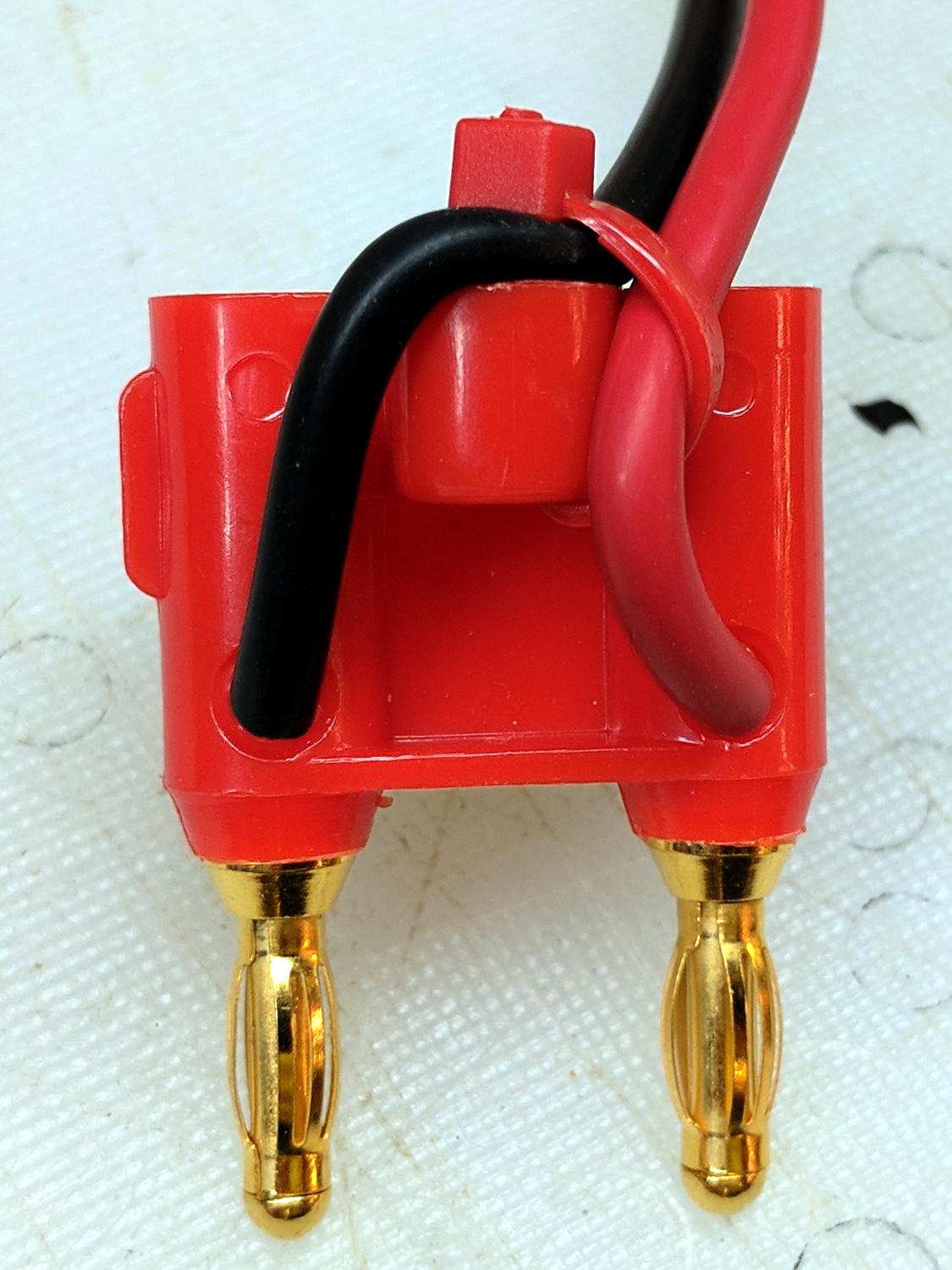
Dual banana plug – assembled
The bulky test leads don’t quite fit through the convenient retaining ring, so the zip tie holds ’em in place.
A setscrew at the base of each banana jack tunnel crunches the test lead wire against the plug base, but, alone among the collection, this plug had one missing screw. Rather than toss it away (or, worse, back in the Drawer), I decided to Solve The Problem once and for ever:
Dual banana plug – improvised clamp screw
That’s an ordinary M3 screw from the Drawer o’ Random M3 Stuff with its head hacksawed off, a slot crudely hacksawed slightly off-center into the end, then lightly filed to hide the worst damage. With a bit of luck, nobody will ever notice it …
The persuasion includes un-bending various header pins:
RAMPS shield – bent pin
Correcting bowlegged pin strips:
And clipping offending pins:
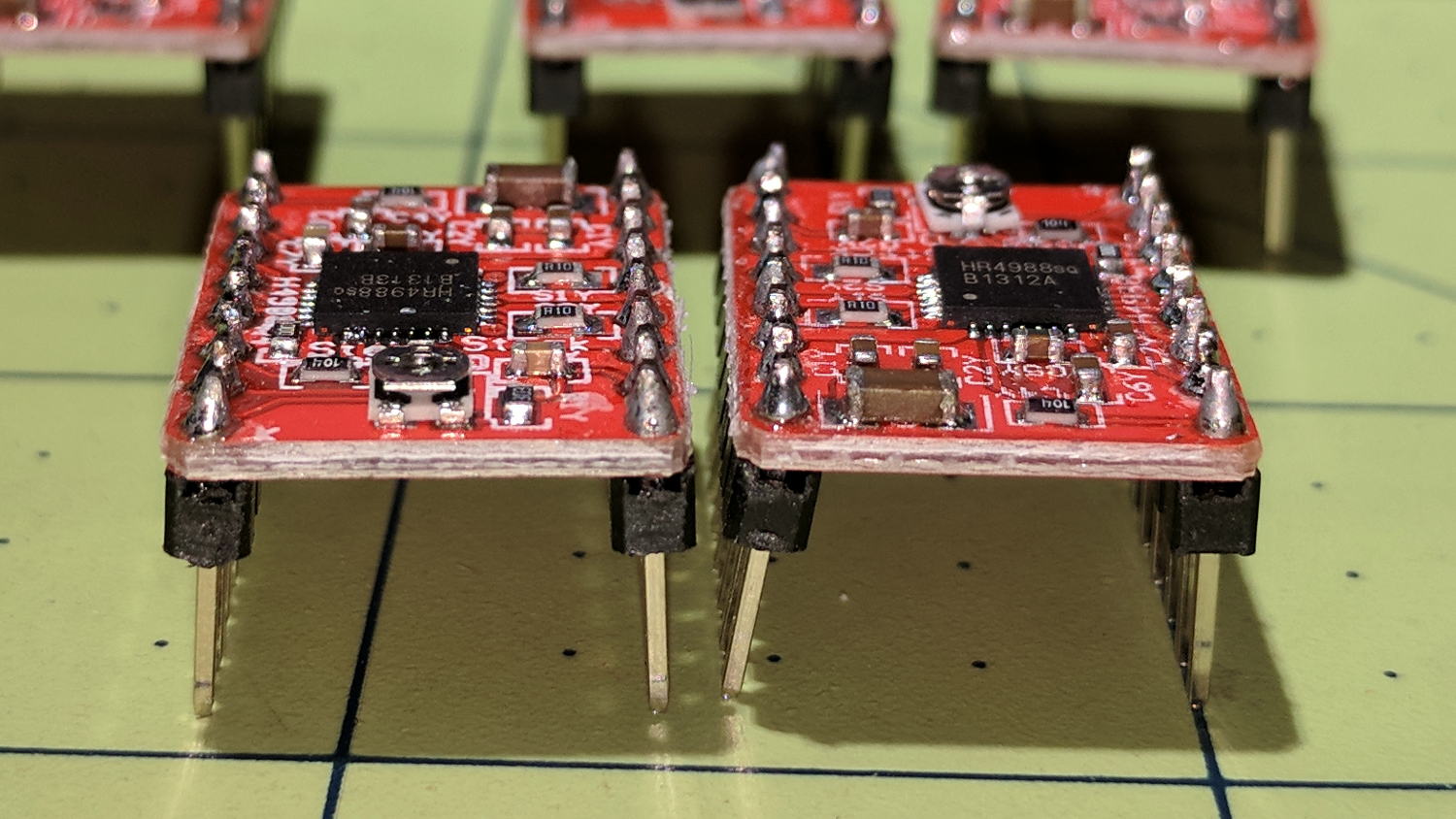
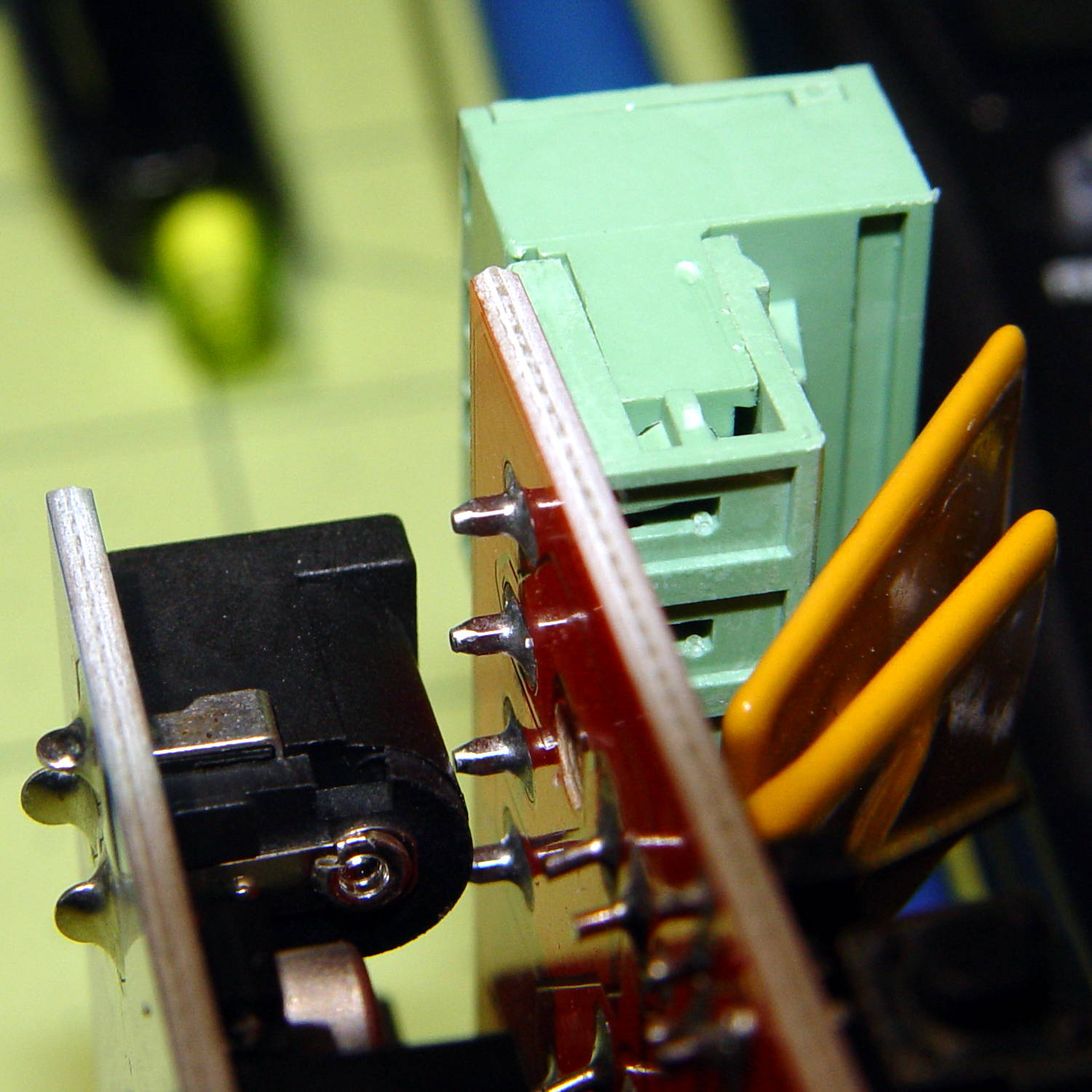
The interference between the bottom of the RAMPS power connector pin and the top of the Arduino Mega coaxial power jack seems baked right into the original PCB layout, which is puzzling. If you don’t trim the pins, this is as close as the boards will get:
Well, of course, you could just jam all those headers together and bend the RAMPS PCB.
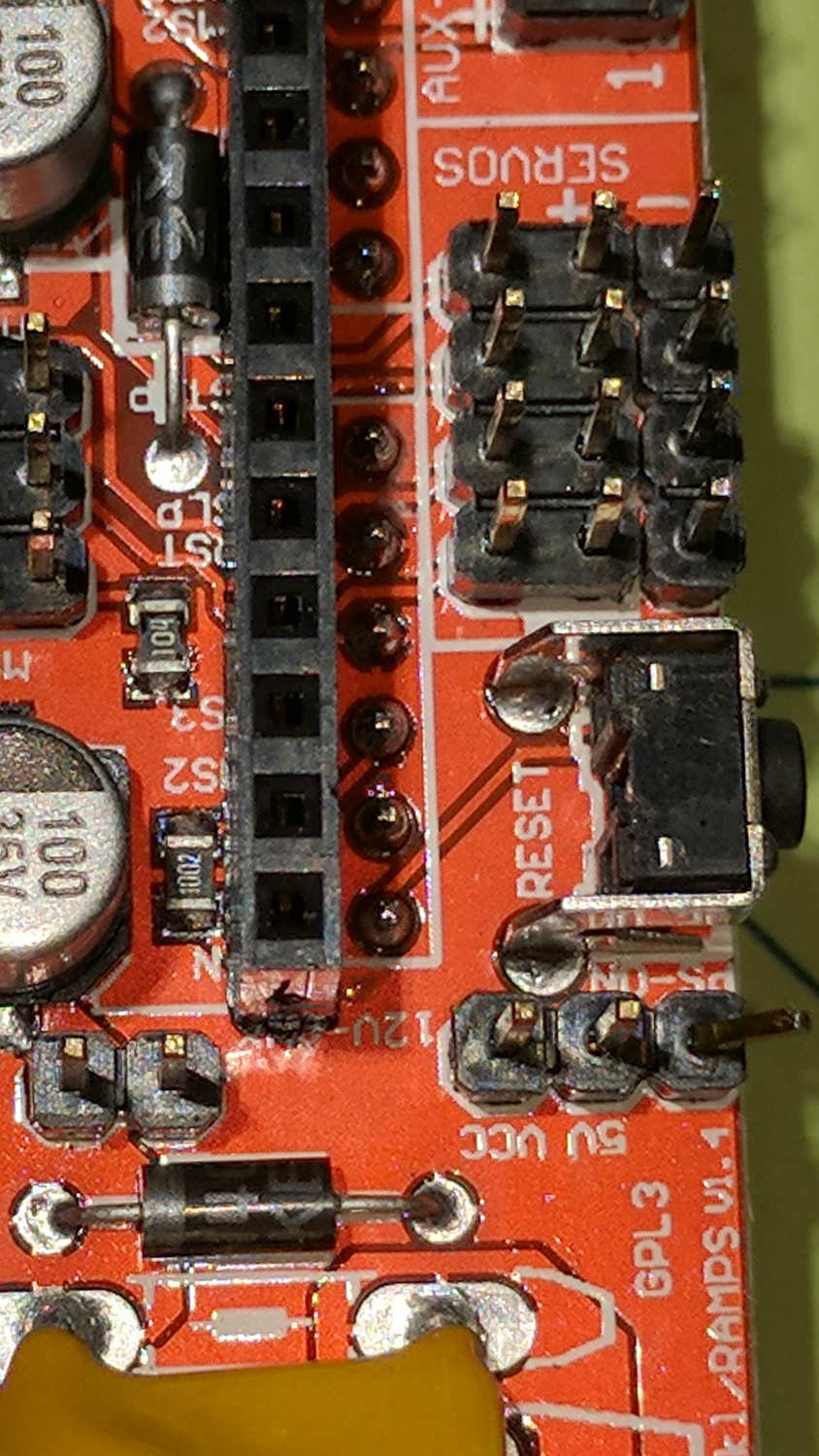
The bent pin near the Reset button connects to the PS_ON output used to enable ATX-style power supplies. You connect the supply’s 5V_SBY always-on output to the VCC pin, which powers the Mega and most of the logic, but not the stepper motor outputs or the heaters.
To make that work, remove D1 from the board where it’s snuggled along the header strip:
RAMPS shield – D1 D2 locations
D2, next to the fuse near the bottom of the picture, provides reverse-polarity protection for the RAMPS board.
The servo motor power comes from the 5V pin. If you don’t need the PS_ON output and 5V_SBY input, then jumper the VCC and 5V pins together. Otherwise, you could solder-blob those pins on the bottom of the board, which means the servos are always powered.
Configuring the latest 1.1.x version of Marlin should be straightforward …
Earlier this year, I finally hauled a pile o’ scrap metal to the recycler. For future reference, here’s what clattered down on the scale:
Scrap Metal Prices – 2017-04
I think the IRONY tag means ferrous bits & pieces in the mix. There’s a powerful motivation to hand them clean copper scrap, although I stop just after cutting off soldered pipe fittings and before stripping insulation.
Memo to Self: Next time, ask about PCBs and gold-plated connectors.
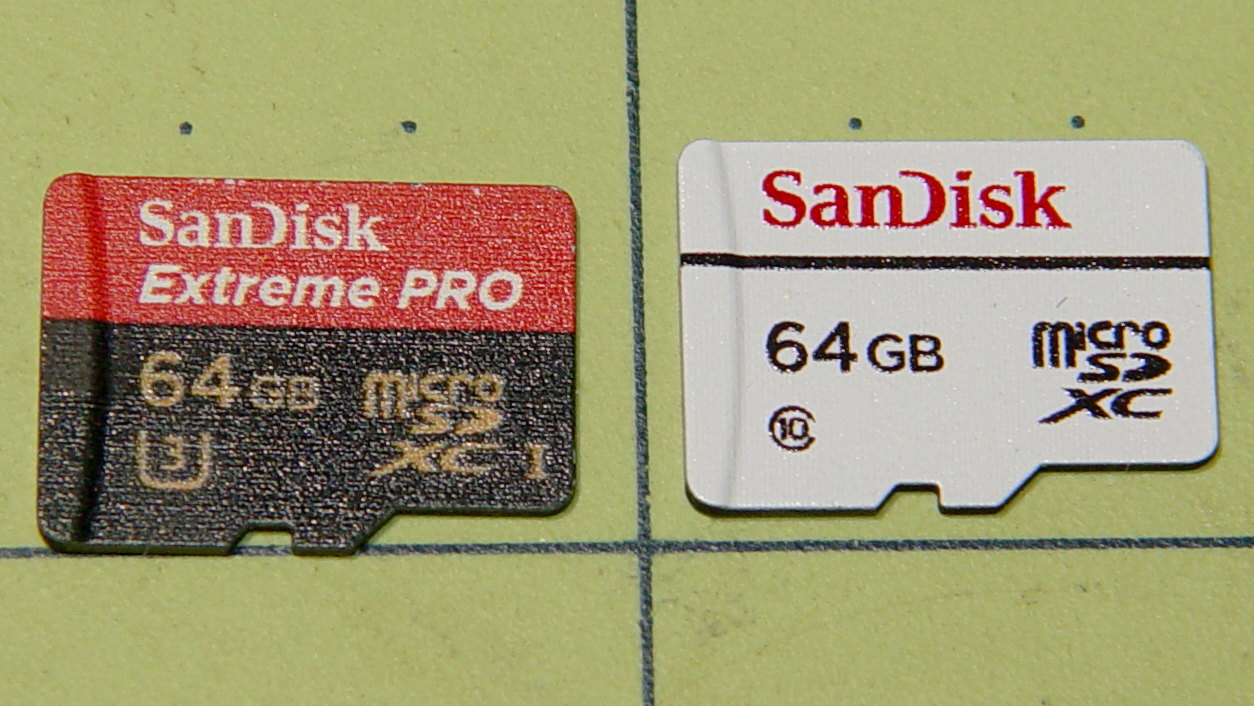
The Sandisk Extreme Pro 64 GB MicroSD card in the Sony HDR-AS30V died on the road once more, got reformatted, worked OK for a while, then kicked out catastrophic I/O errors after being mounted, so I swapped in the High Endurance card:
Sandisk – 64 GB MicroSDXC cards
The Extreme Pro still passes the f3probe tests, so it’s not completely dead, but if I can’t trust it in the helmet camera, it’s dead to me.
It survived 17 months of more-or-less continuous use, although we didn’t do nearly enough riding for three months early this year. Call it 14 months x five rides / week x 1 hour / ride = 300 hours of recording. Multiply by 4 GB / 22.75 minutes to get 3 TB of video, about 50 times its total capacity.
The never-sufficiently-to-be-damned Sony cards failed after less than 1 TB and 15-ish times capacity, making the Sandisk Extreme Pro much better. However, it’s painfully obvious these cards work better for low-intensity still-image recording, rather than continuous HD video.
Using them as Raspberry Pi“hard drives” surely falls somewhere between still cameras and video, although Octoprint’s video snapshots and streaming media must make ’em sweat.
We’ll see how Sandisk’s High Endurance memory works in precisely the application it’s labeled for.
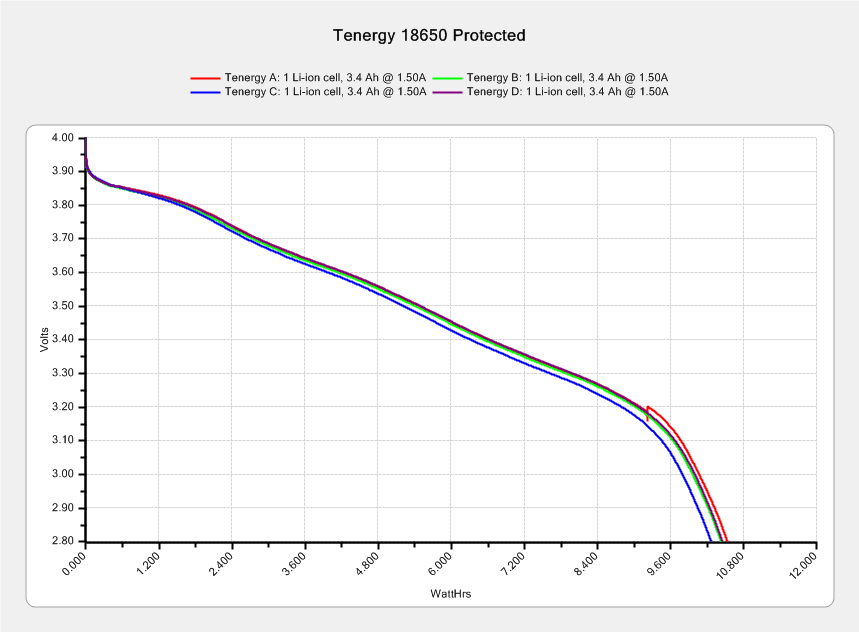
The daytime running lights on the bikes get noticeably dimmer when the 18650 lithium cell voltage drops below 3.6 V, so I picked up a quartet of Tenergy protected cells and ran ’em through the battery tester:
Tenergy 18650 Protected – 2017-08-04
As with the ATX cells, the voltage decreases almost linearly with charge until it falls off the cliff near the end, but these have a higher terminal voltage throughout most of the curve, which is a Good Thing for LED flashlights.
These four seem to have about the same overall capacity as the ATX cells, so we’ll run ’em all in sequence and see how long they last.
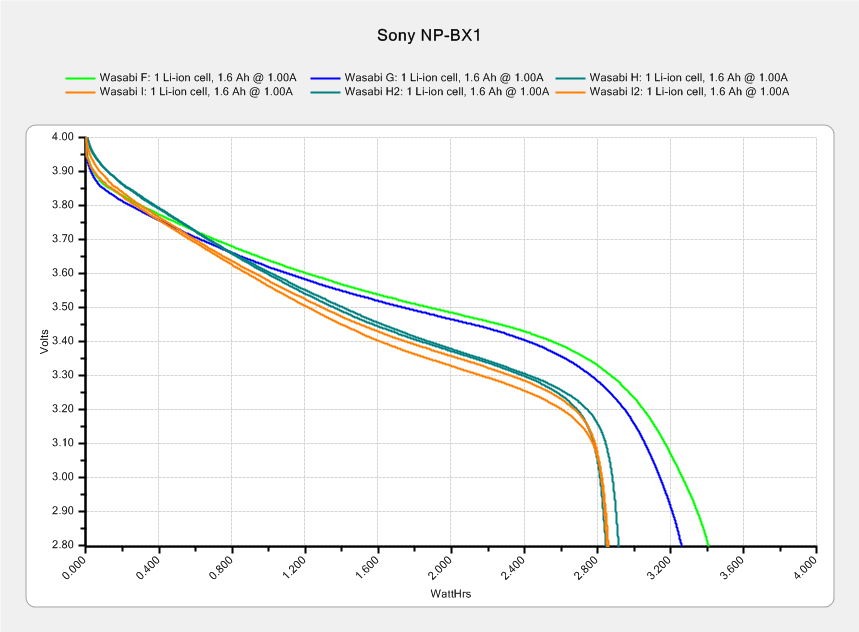
I just got a new pair of Wasabi Power NP-BX1 batteries for the HDR-AS30V helmet camera, charged them up, and ran them through the CBA:
Sony NP-BX1 – Wasabi FGHI – 2017-08-08
Huh.
The new ones (H and I) cost near twice as much as the 2-1/2 year old previous pair (F and G), while delivering less energy at a lower terminal voltage. Tested ’em twice to be sure and the curves overlay just about perfectly, so it’s not a fluke.
The rep assures me the replacement cells will deliver their promised capacity. We shall see.
From the start, the (second) J5 V2 flashlight had an erratic switch that flickered the LED at the slightest pressure. Not enough to switch modes, as it does with a half press, but enough to show something’s not quite right inside.
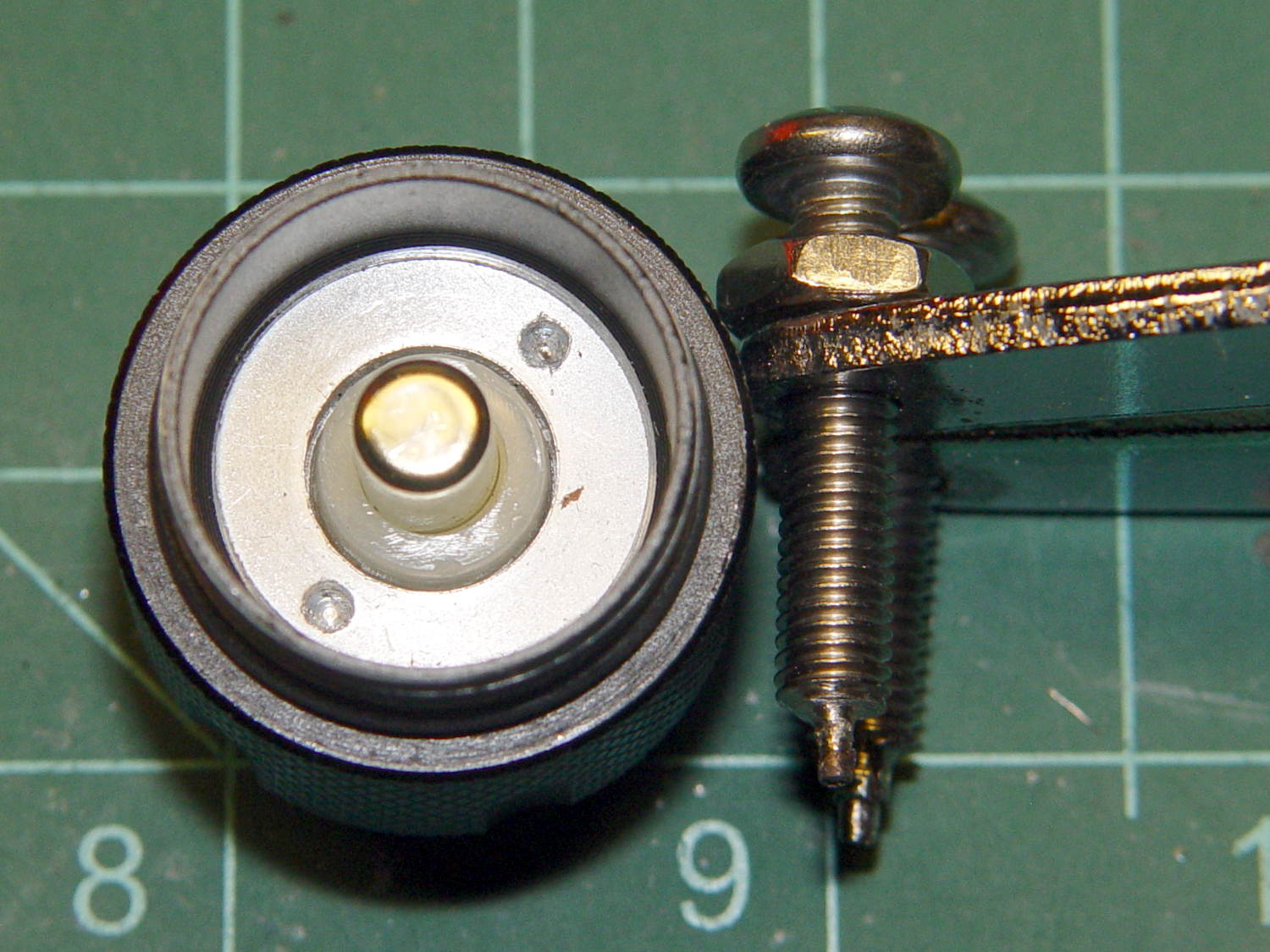
Taking it apart requires a pin wrench, which I have, but the deeply recessed ring required more reach than any of the tips I’ve made over the years. Introducing a pair of stainless steel 10-32 screws to Mr Grinder added two more pins to the collection:
J5V2 Flashlight – custom pin wrench
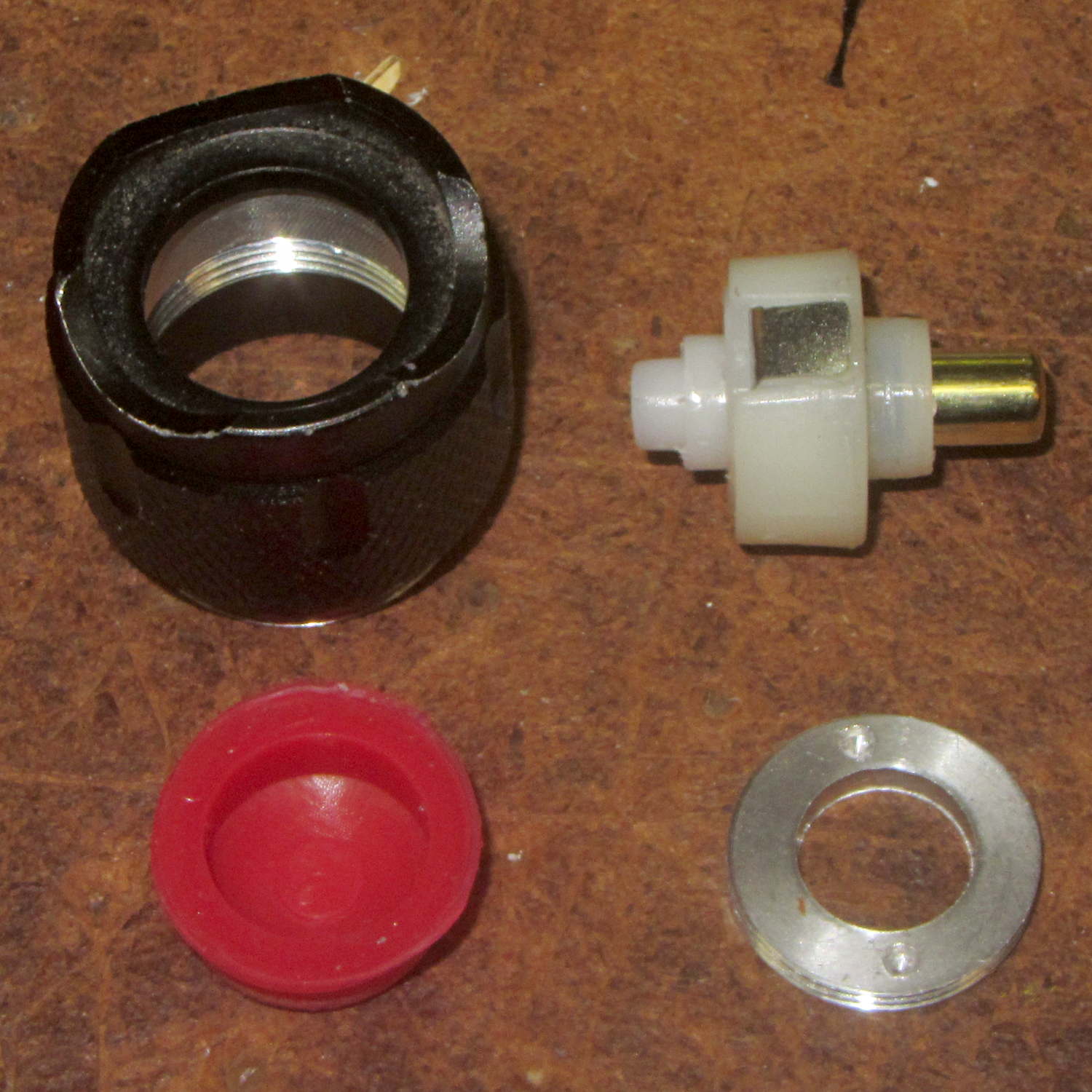
The lock ring in the flashlight cap turned out to be finger-loose, certainly contributing to the problem. Removing the lock ring, peeling the rubber dome out of the cap, and poking with a punch sufficed to drive out the guts of the switch assembly:
J5V2 Flashlight – switch parts
Which consists of, as you’d expect, the cheapest possible parts that don’t immediately fail.
The (steel) tab sticking out of the actual switch (in the upper right) contacts the inside of the (aluminum) cap. I bent it slightly outward, added a trace of DeoxIT Red, reassembled everything in reverse order, and it’s all good for the first time in its brief life.
The J5 V2 light claims 750 lumen output, but the spot is nowhere near twice as bright as the LC40 lights on the bikes and much dimmer than the LC90 light (which is too big for the bikes), all tweaked for equivalent-size illuminated areas. Given that lumens measure total output and candela measure lumen/steradian, there’s some wiggle room for misinterpretation.




 The Smell of Molten Projects in the Morning