The Smell of Molten Projects in the Morning

Ed Nisley's Blog: Shop notes, electronics, firmware, machinery, 3D printing, laser cuttery, and curiosities. Contents: 100% human thinking, 0% AI slop.

Tag: Wildlife

Other creatures in our world

  • Milkweed Tussock Moth

    Although we no longer see Monarch butterflies, our milkweed patch attracts Milkweed Tussock Moth caterpillars:
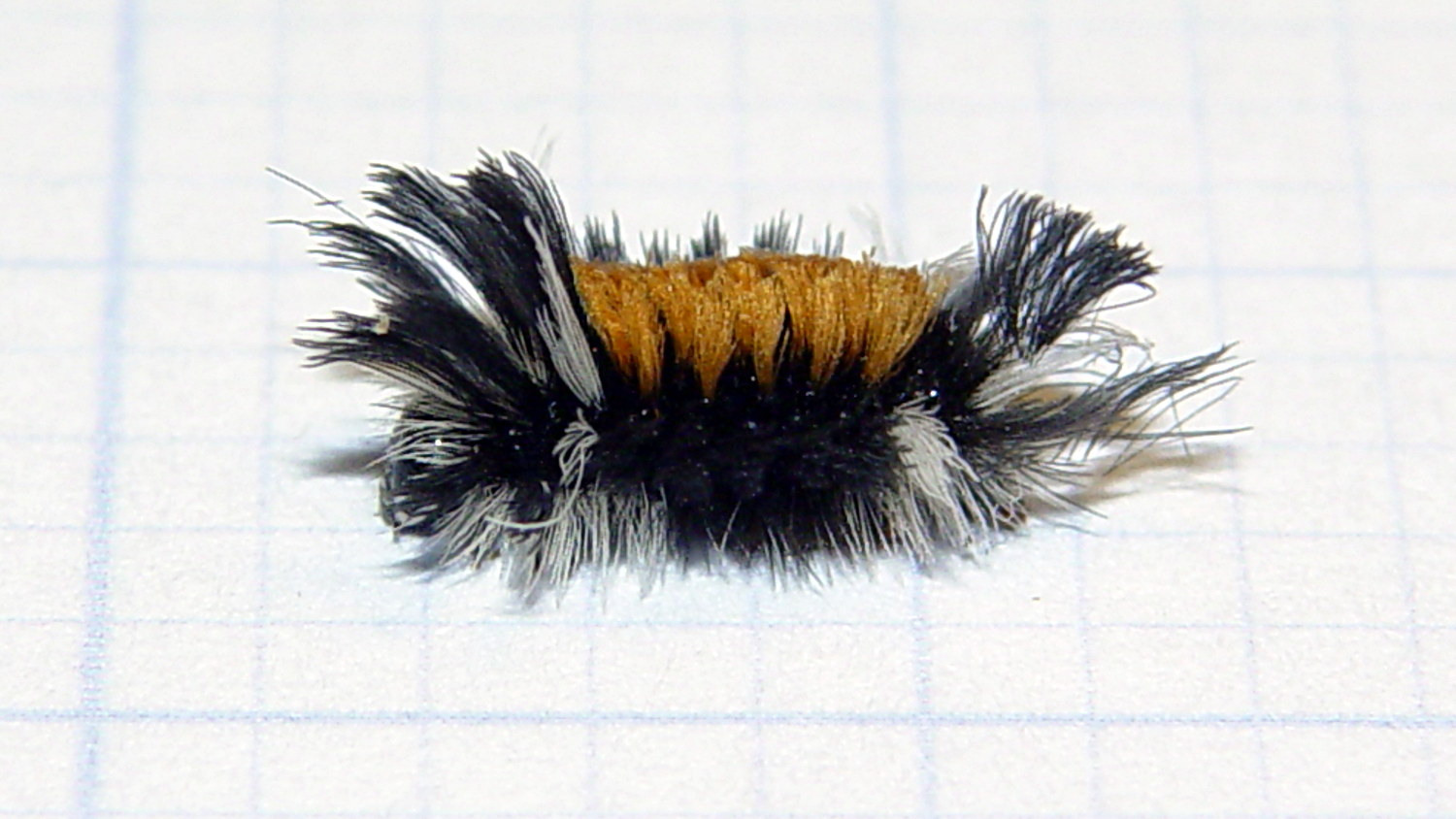
    Milkweed Tussock Caterpillar
    Milkweed Tussock Caterpillar

    This one apparently died on the patio step, half the house away from the milkweed patch, and the rear spines (on the right) have begun falling out. During the next week, I teleported two more from that step to the patch, under the assumption they’d be happier on a tasty leaf than on a slate slab.

    They were all early instars, very short and quite fuzzy. Later instars will be much longer, with more distinct tussocks.

    I wonder if you could shear them and use the “fur” for decoration? It wouldn’t spin into thread like wool, but someone, somewhere, has surely performed art with Tussock Caterpillar spines…
  • Clymene Moth

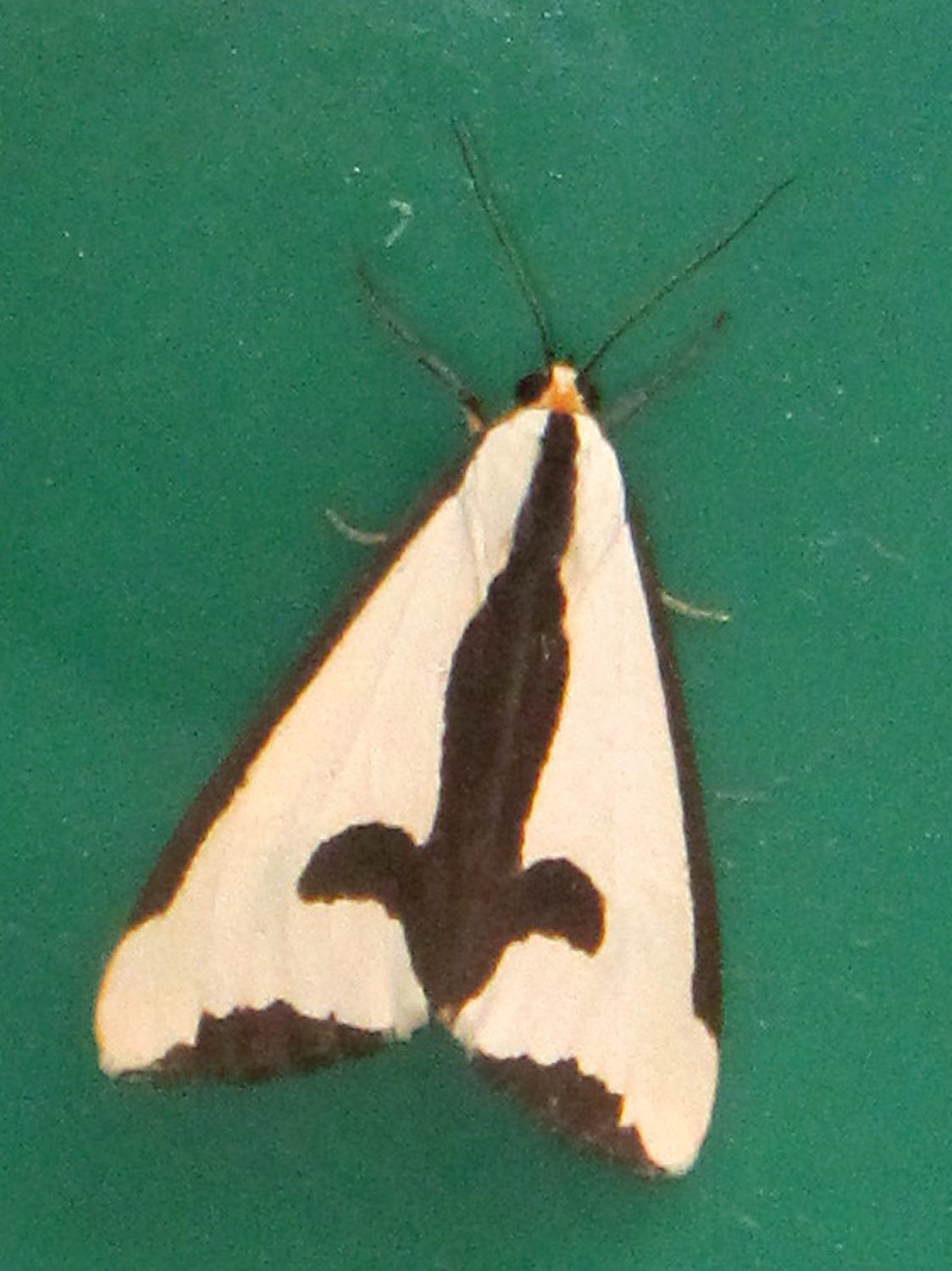
    The first Clymene Moth we ever saw:

    Clymene Moth
    Clymene Moth

    It’s a poor picture, but the moth was up and away after that; as always, the poor picture you get is better than the great picture you might have gotten.

    A few days later, we spotted two of them on a brick wall, so there must be a bunch more out there.

  • Turtle Tragedy: Raymond Avenue

    Verily, ’tis the season for turtles on the move. This one clunked over the curb on Raymond Avenue at Vassar Lake, couldn’t find an escape route, and got smashed:

    Smashed turtle - Raymond Ave at Vassar Lake - 2014-07-06
    Smashed turtle – Raymond Ave at Vassar Lake – 2014-07-06

    Turtle armor works pretty well against their usual predators, but can’t handle automobile tire impacts.

    That’s a tight crop from the helmet camera, with terrible compression artifacts smearing the spalled concrete sidewalk.

    For whatever reason, NYSDOT can’t do concrete sidewalks; the entire length of Raymond Avenue has lousy concrete. The fact that Vassar College B&G uses the sidewalks as their private golf-cart highway may have something to do with it, but that’s not the primary problem, because the concrete on DOT’s showcase Rt 55 between Burnett Blvd and Titusville Rd looks the same way.

  • Turtle Teleportation: Love Road

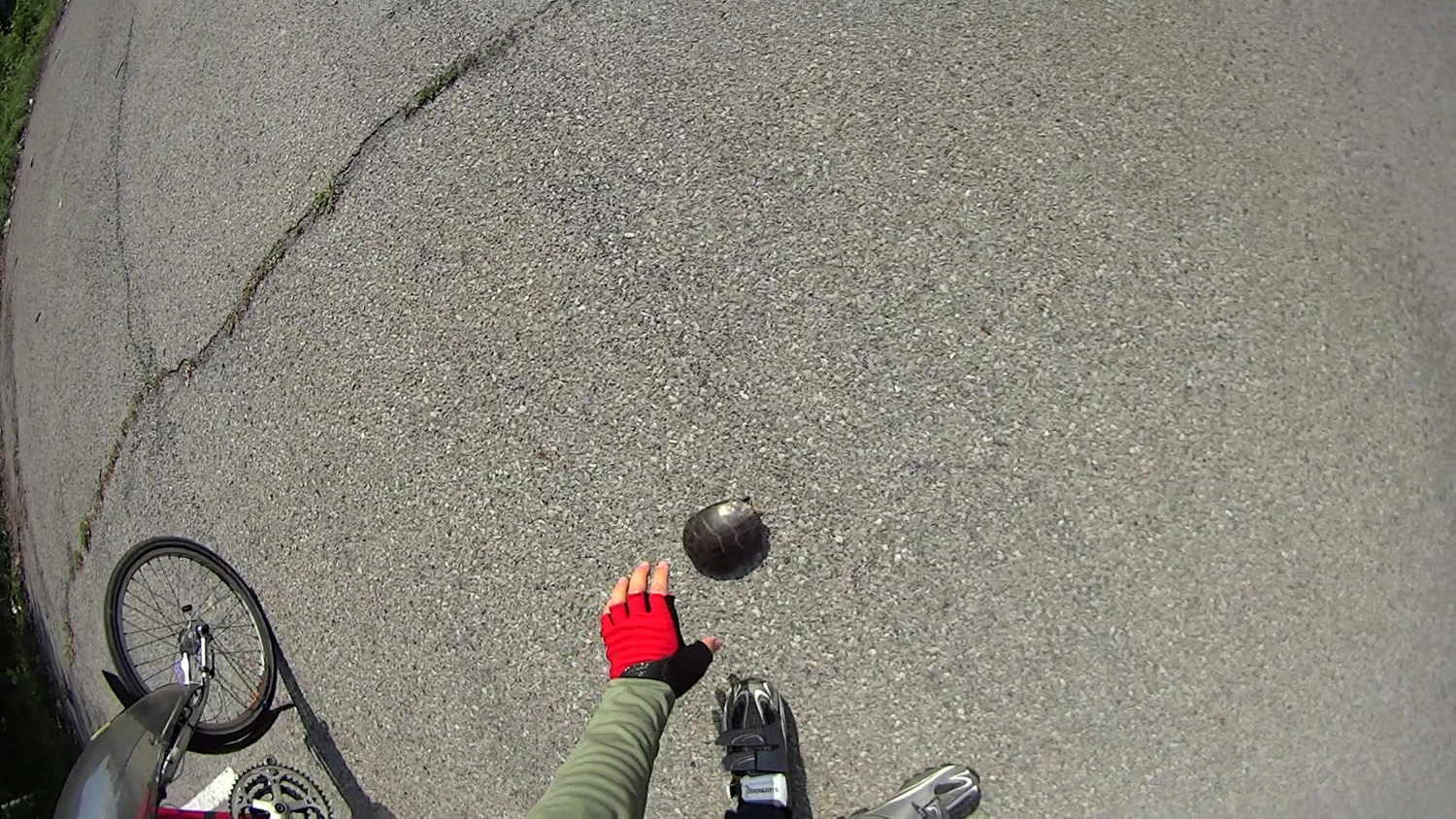
    We spotted another turtle while on a grocery ride:

    Turtle on Love Rd - as spotted - 2014-07-02
    Turtle on Love Rd – as spotted – 2014-07-02

    Although this is certainly meddling in the turtle’s affairs, it seemed reasonable on a torrid day with plenty of hot asphalt to cross:

    Turtle on Love Rd - pickup - 2014-07-02
    Turtle on Love Rd – pickup – 2014-07-02

    I made the (possibly unwarranted) assumption that the turtle wanted to cross the road; I’ve been wrong before.

    In any event, this must be what teleportation feels like:

    Turtle on Love Rd - delivery - 2014-07-02
    Turtle on Love Rd – delivery – 2014-07-02

    There’s not really much on that side of the road, other than an inactive oil spill site left over from when Love Oil ran a tank farm. That’s why it’s called Love Rd, of course.

    Perhaps someone else will help the turtle cross the road in the other direction…


  • A Pleasant Ride, With Turtle

    It was not, however, a pleasant turtle:

    Snapping Turtle on DCRT - 2014-06-04
    Snapping Turtle on DCRT – 2014-06-04

    That’s a fairly large snapping turtle in the middle of the Dutchess Rail Trail, between Morgan Lake and the Violet Avenue tunnel.

    Snappers can move just under the speed of light for about a foot in order to latch onto you, but they’re not quite as fast while turning around: always pass to their rear. You do not attempt to save them from their folly at being in the middle of the road / trail / driveway: they have absolutely no patience with meddlers.

    Turtles lay eggs around this time of year, which means they’re on the move, which means they cross roads, which means they get mashed. We’ve seen maybe half a dozen smashed turtles on our usual routes.

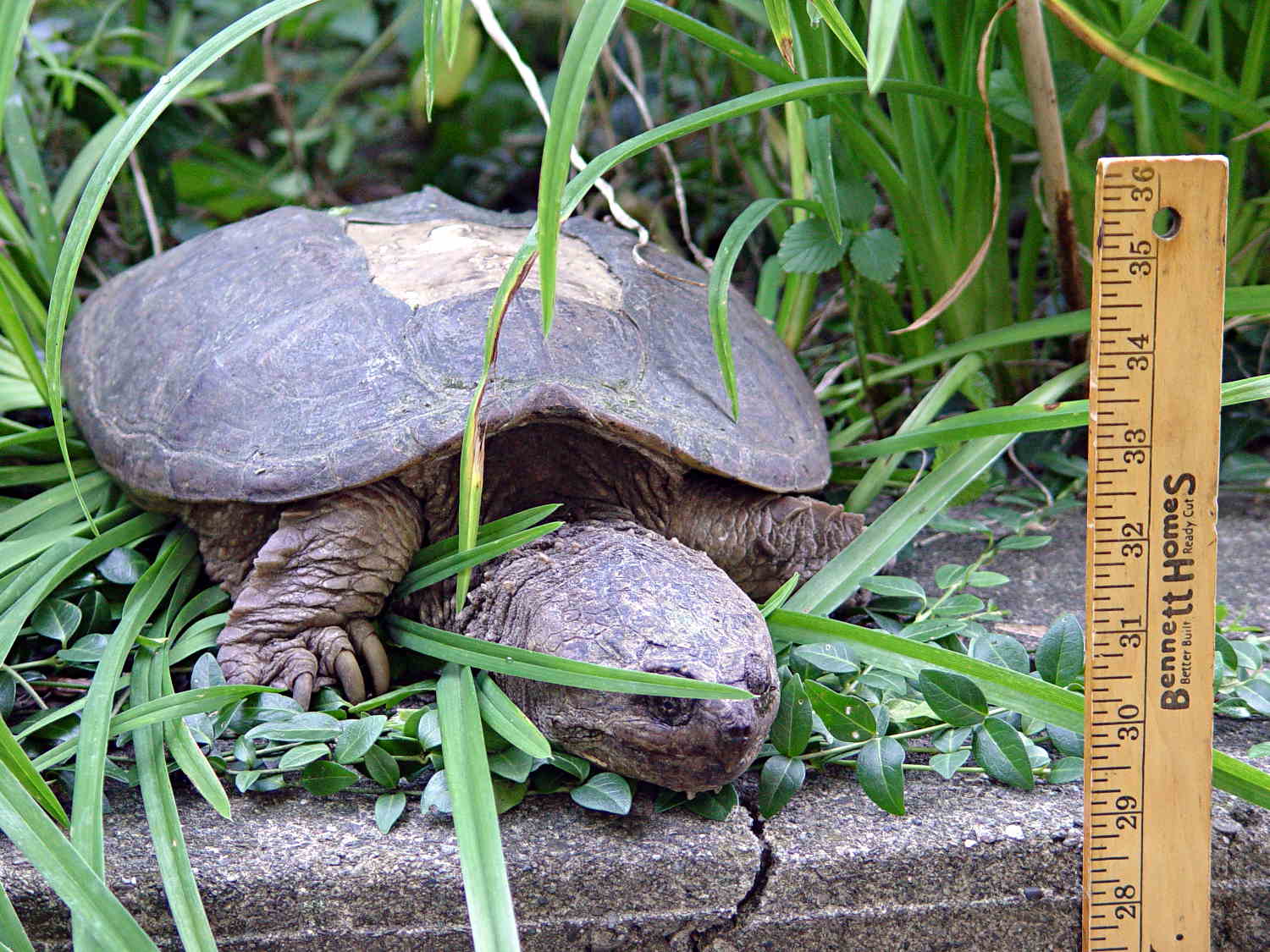
    Quite some years ago, we found one of its relations in the flower garden beside our house, where it climbed at least 18 inches of vertical concrete block to see what was inside. It was about two feet long, jaws to tail, and obviously a survivor:

    Snapping Turtle on wall
    Snapping Turtle on wall

    Those missing plates probably didn’t help its attitude in the least.

    It eventually klonked down to the driveway without our assistance:

    Snapping Turtle on driveway
    Snapping Turtle on driveway

    After a pause for gimbal unlocking and compass recalibration, it ambled off toward the Mighty Wappingers Creek. The wall gets much shorter to the right, which is likely where it climbed up.

    We wished it good hunting …

    Neither turtle was radio-active.

  • Monthly Image: Marmorated Stink Bug

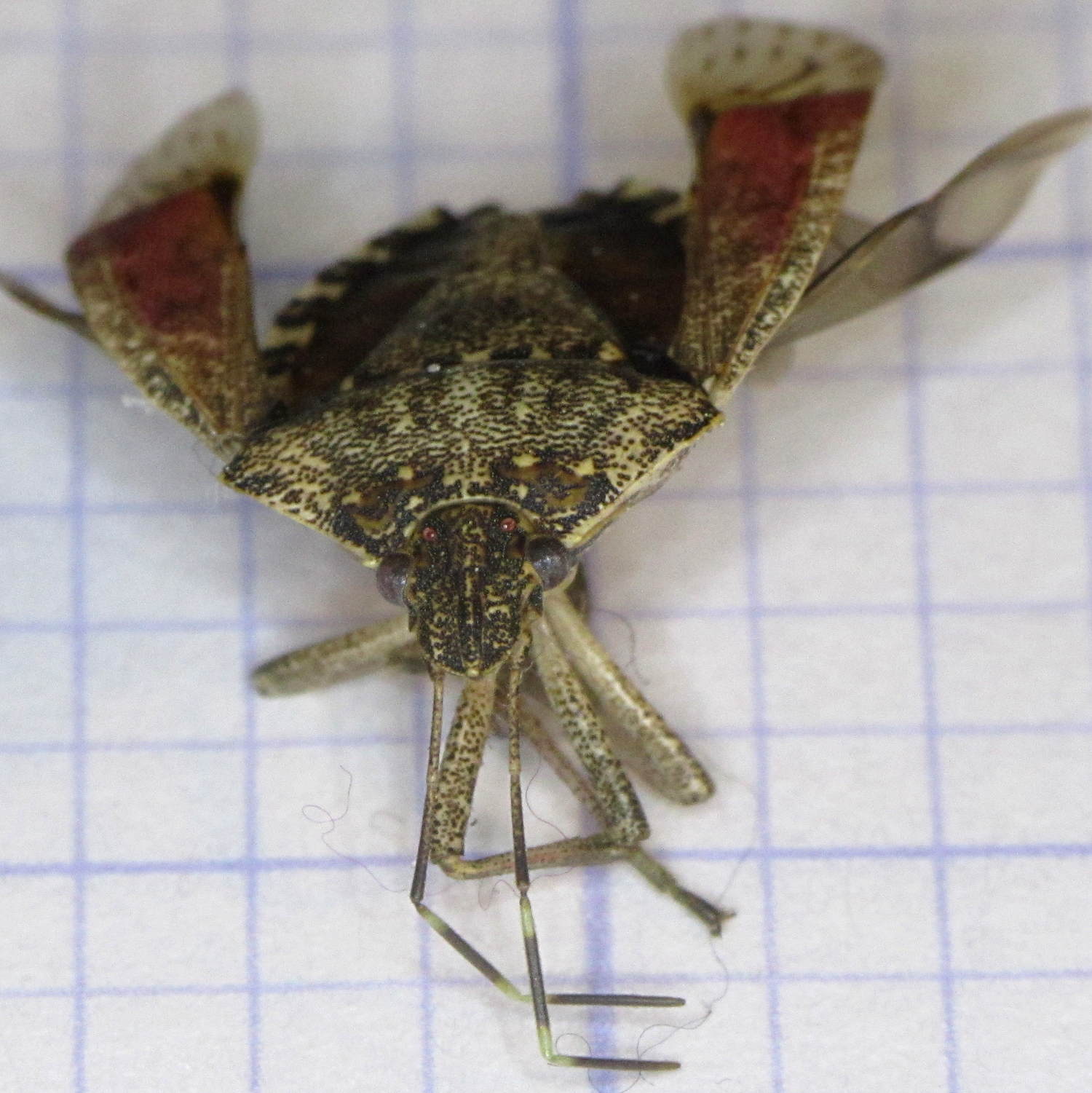
    Found what I think is a Brown Marmorated Stink Bug dead on the Forester’s dashboard:

    Stink Bug - front
    Stink Bug – front

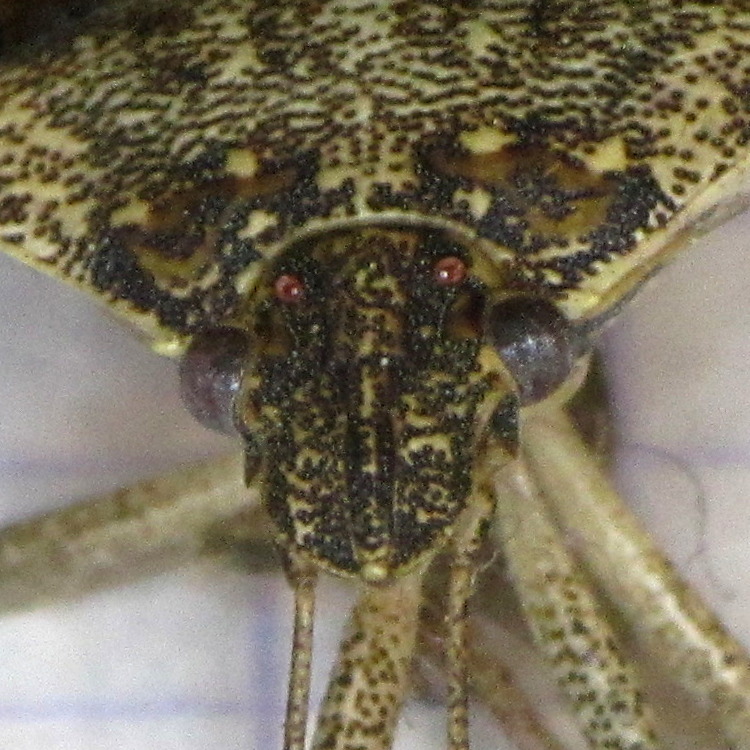
    I didn’t know they had red ocelli:

    Stink Bug - front - detail
    Stink Bug – front – detail

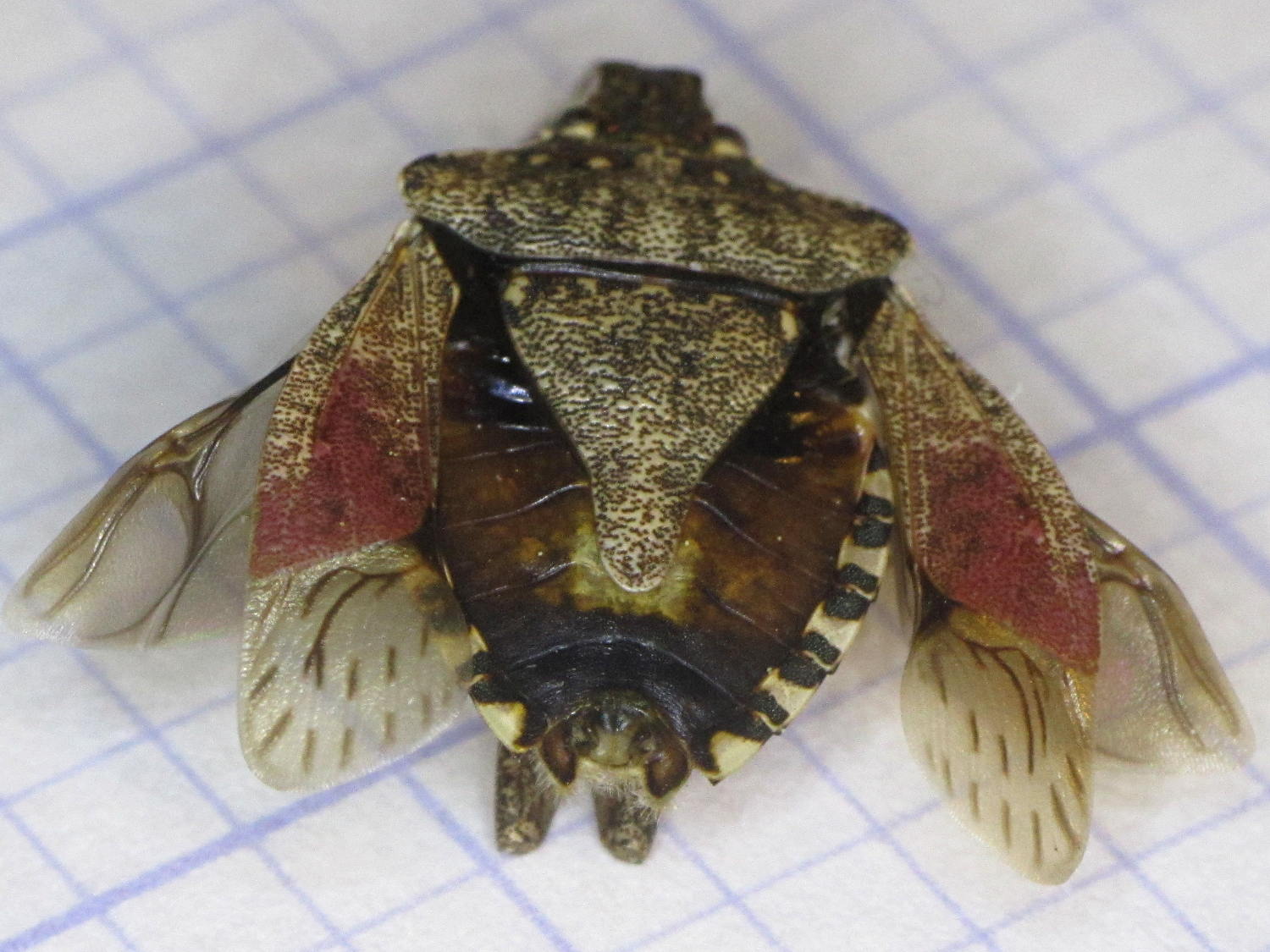
    The wing covers have a red tint, too, which makes me wonder if this one came from a different stink bug family:

    Stink Bug - dorsal
    Stink Bug – dorsal

    The stylet recessed along the ventral midline does all the damage:

    Stink Bug - ventral
    Stink Bug – ventral

    They’d be prettier if they weren’t so destructive … Mary doesn’t want them dead; she wants them extinct.

    Taken with the Canon SX230HS through the illuminated close-up lens.

  • Sparrow Nest Plundering

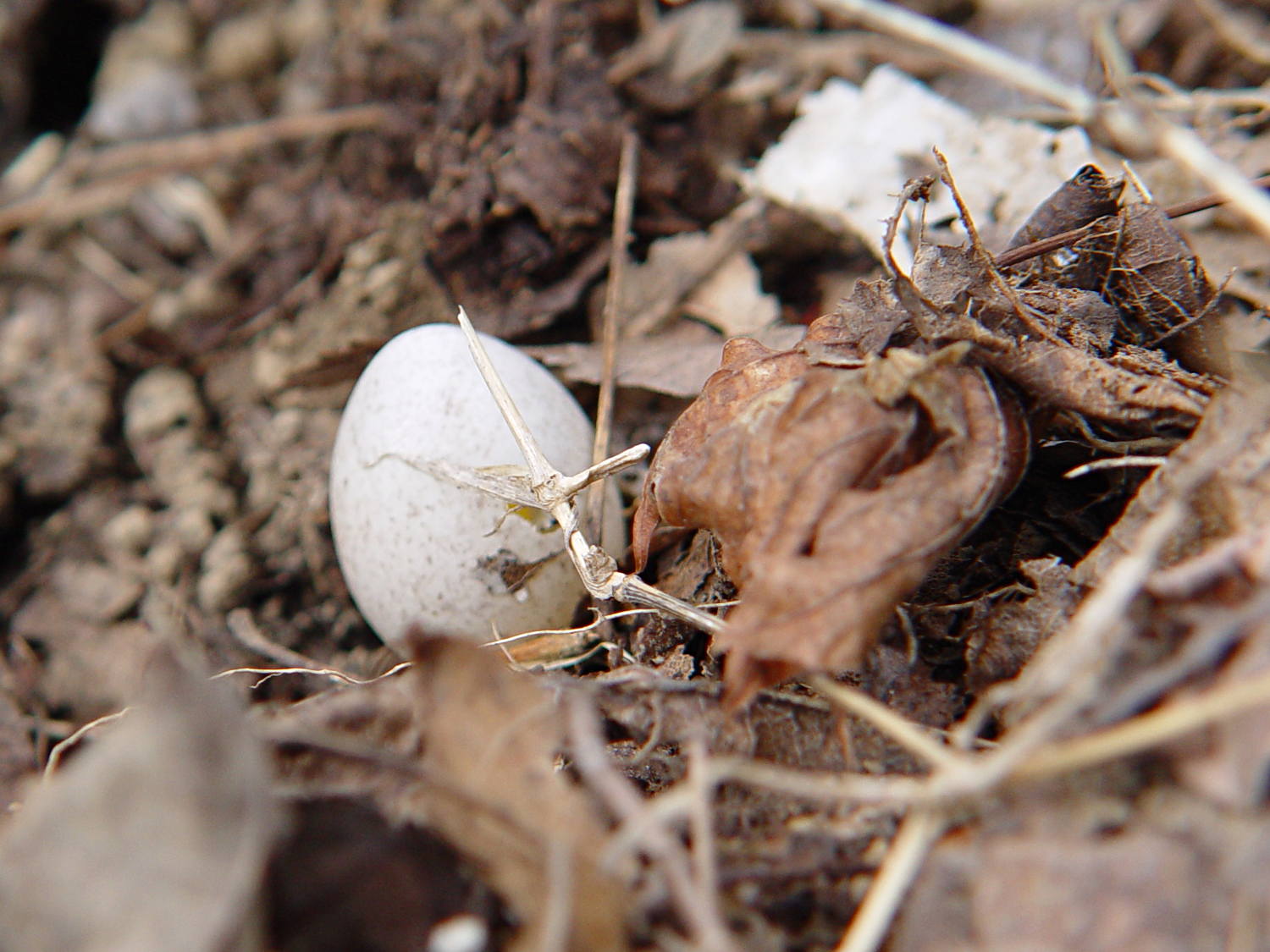
    Mary spotted three eggs on the ground under one of the garden bird boxes, surrounded by a spray of feathers. We first thought that a hawk had dismantled another songbird, but the feathers came from many different birds.

    All three eggs were stone cold and this one had a puncture wound:

    Sparrow egg in garden
    Sparrow egg in garden

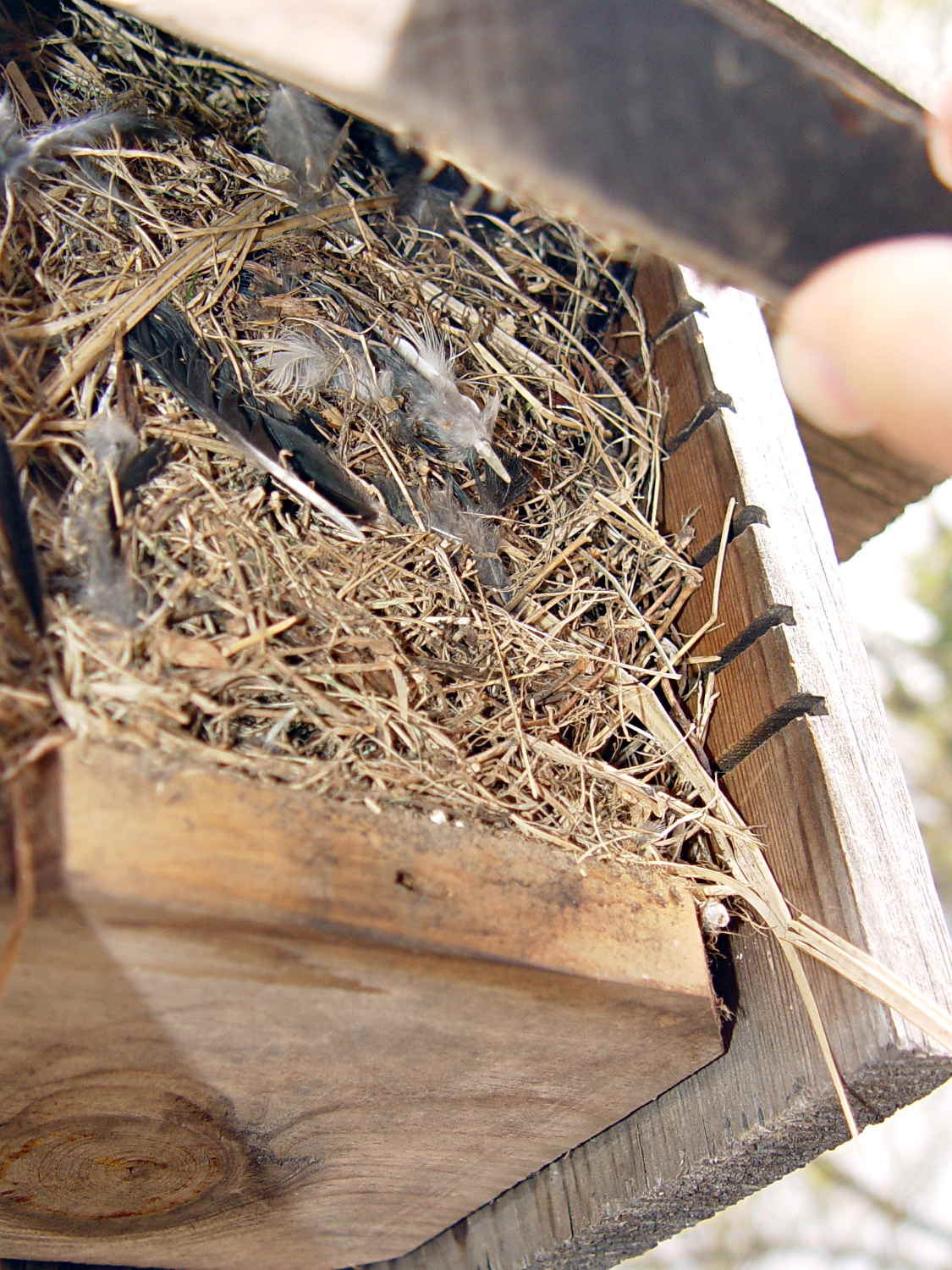
    We think one of the myriad blackbirds inhabiting the forsythia along the property line cleaned out the nest. It seems sparrows completely fill their nesting cavity, putting their eggs hazardously close to the hole.

    This side view shows the entire column of fill:

    Abandoned sparrow nest box
    Abandoned sparrow nest box

    We’d cleaned out those boxes not long ago, so we’ll let the sparrows handle this one on their own. A pair of Carolina wrens have been hauling grass into the other garden box and we hope the sparrows won’t bother them.