Ed Nisley's Blog: Shop notes, electronics, firmware, machinery, 3D printing, laser cuttery, and curiosities. Contents: 100% human thinking, 0% AI slop.
That window is far enough away that birds get up to full speed and low enough that they can see through the windows on the far side of the bedroom to the bushes and trees north of the house.
Word got around quickly after I set up the bird feeder at the corner of the patio, one week before Mary’s Project Feederwatch data collection started up:
Nuthatch on patio
You can tell this chipmunk wasn’t at all bothered by my presence:
North end of southbound chipmunk
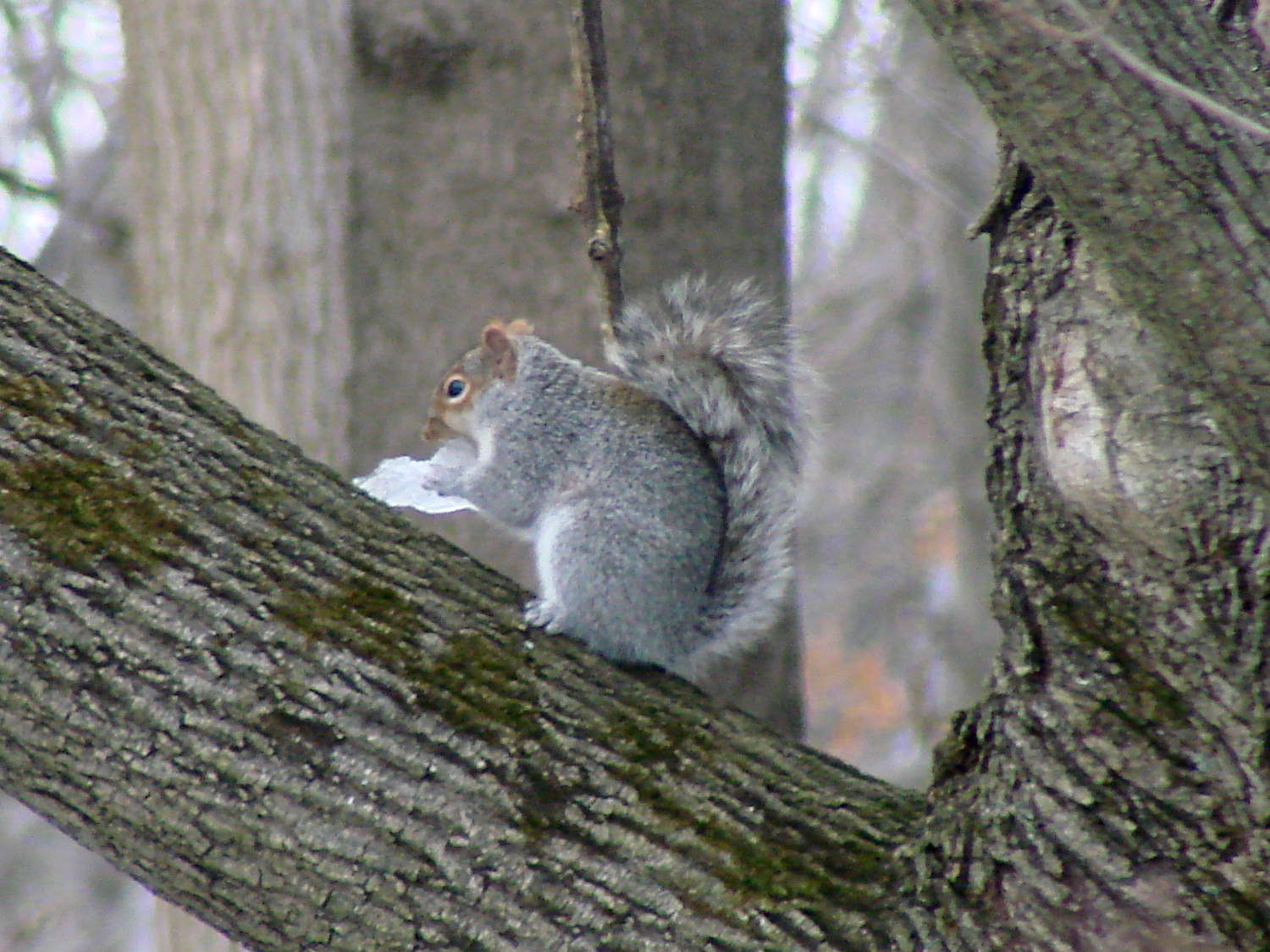
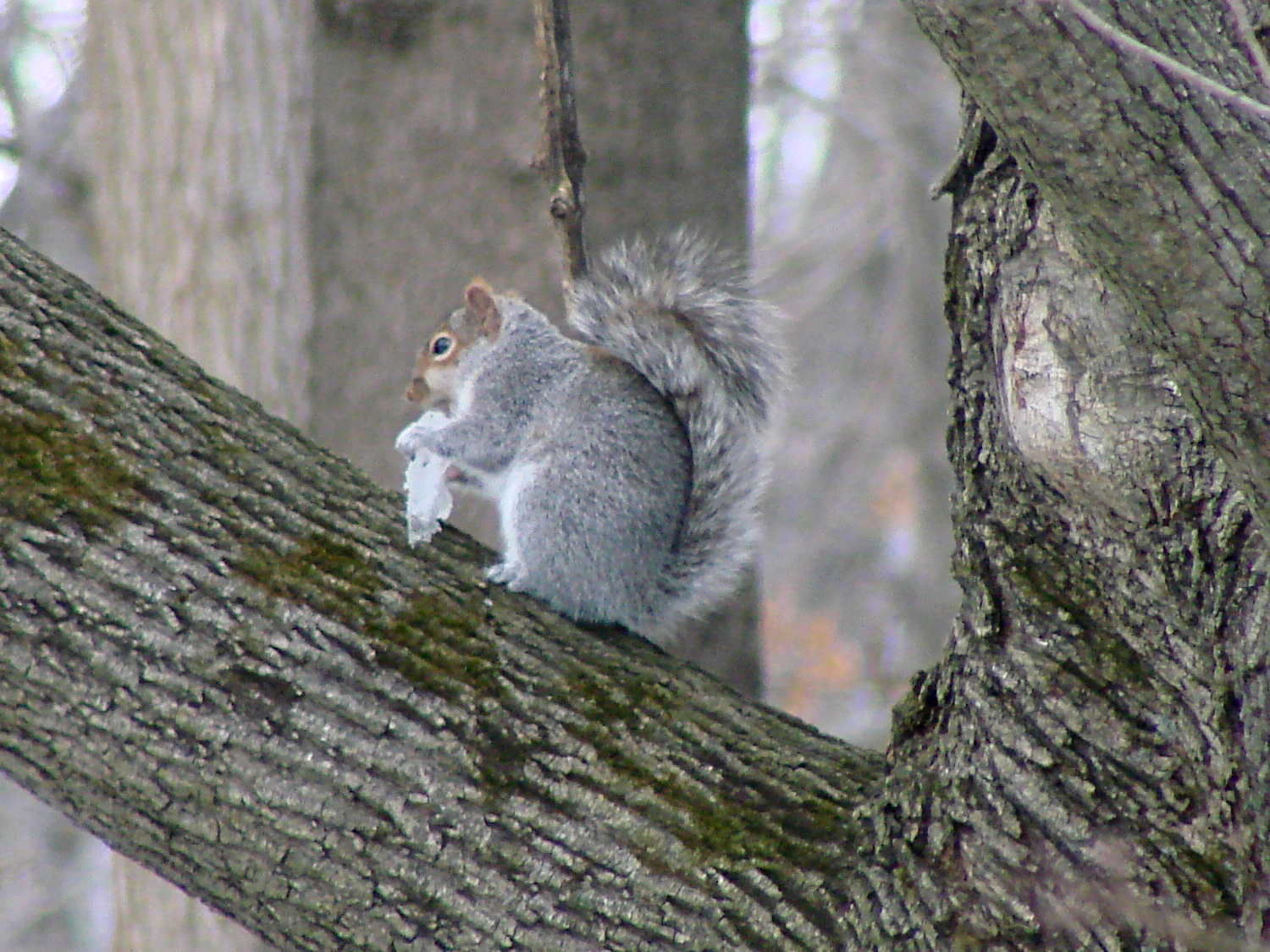
We call them fur birds, but they don’t count for Feederwatch:
Chipmunk in vacuum cleaner mode
A few days later, I put a casserole of fresh-cooked brown rice on a patio table to cool, only to have a raccoon drag it off. Of course, the Pyrex bowl shattered on the concrete: neither of us got much of the rice…
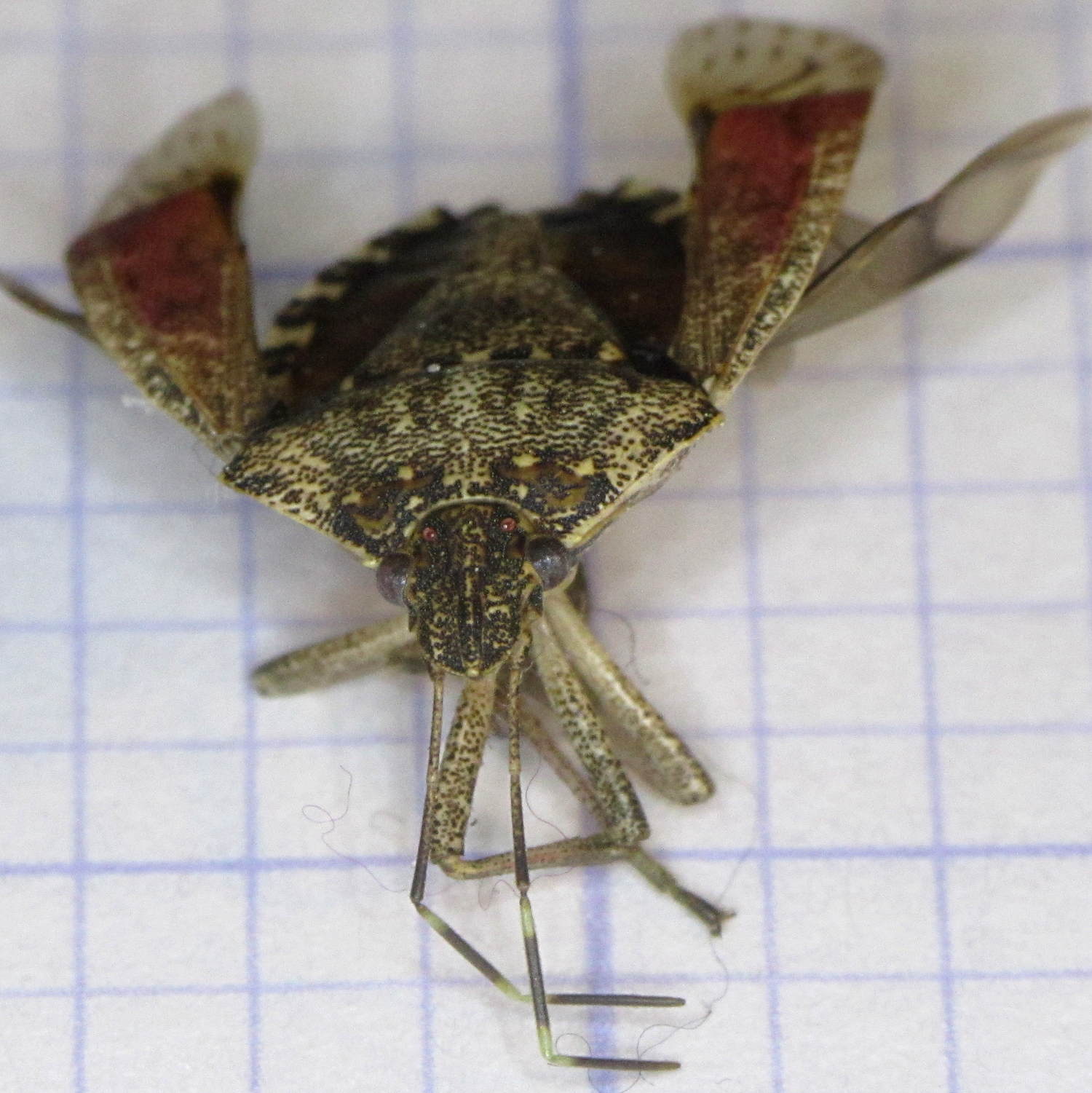
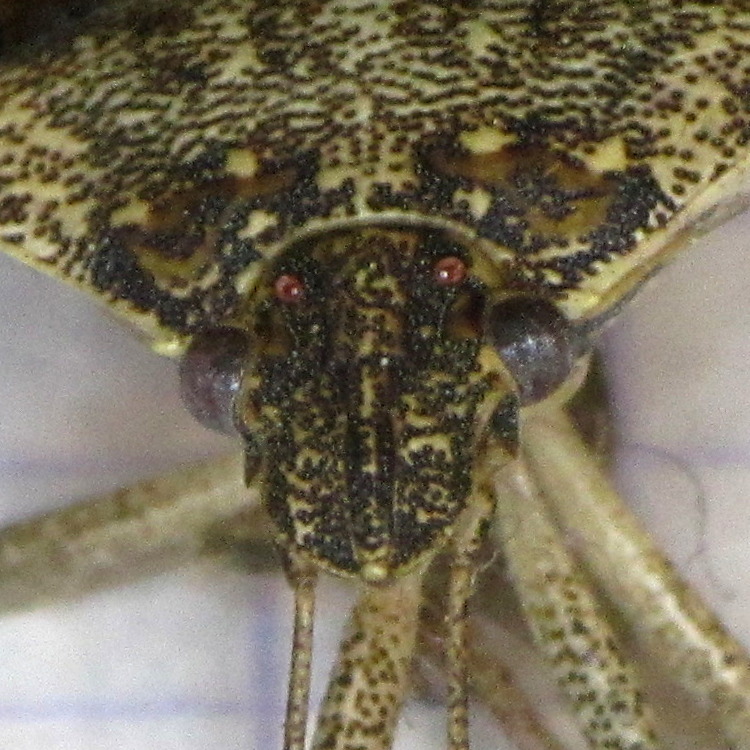
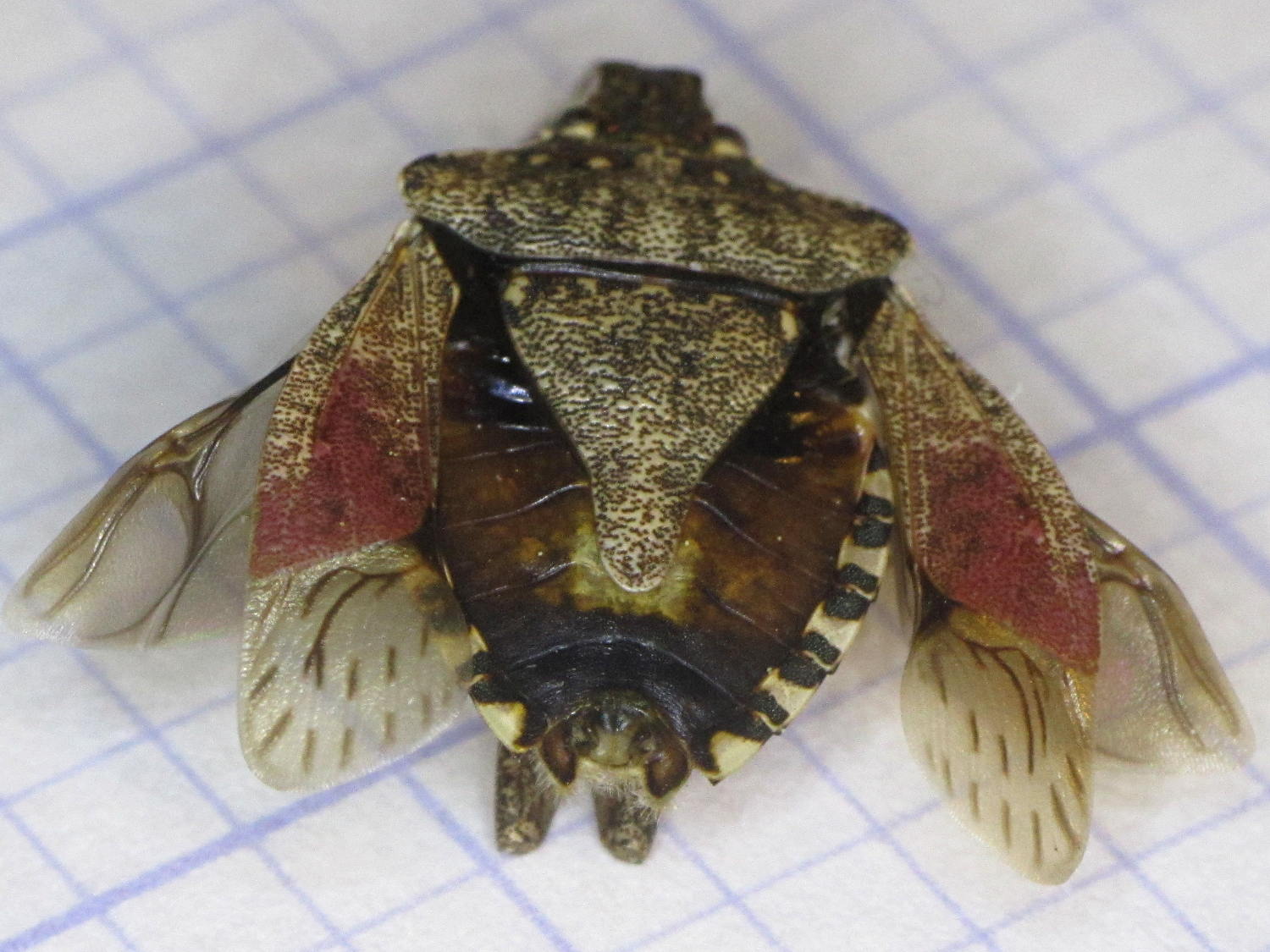
Late in the fall, Brown Marmorated Stink Bugs move indoors to spend the winter; they can infiltrate through the smallest of cracks and seem to show up unannounced in the strangest locations. This one magically appeared on my M2 printer while I was starting it up:
Brown Marmorated Stink Bug on M2 Printer
I unceremoniously flushed its contribution to the gene pool…
Mary managed to outcompete the local squirrels to the tune of 10 pounds of Shagbark Hickory nuts, which we’ve been enjoying after supper. The thickly armored nuts shrug off ordinary nutcrackers, so we deploy heavy weaponry: good old 10WR Vise-Grip pliers:
Cracking nickory nuts with a Vise-Grip
She describes the process better than I; for what it’s worth, I work on one nut at a time. We both celebrate when a shell releases its nut with minimal damage; most often, we extract fragments into a pile like the one shown. I can process half a dozen nuts before deciding I’ve had enough.
I’d be in favor of a genetic modification producing a fluorescent green shell, because overlooking a minute piece of shell in that pile of nutmeat is a Very Bad Thing…
Back in August, the squash vines were in full flower:
Bees in Squash Flower – overview
Here’s a closer look:
Bees in Squash Flower – detail
Pop quiz: how many bees do you count?
With the benefit of watching them move, I counted nine bees in that blossom!
Winter squash vines bear large flowers (that blossom is the size of my outstretched hand) that attract large bees: bumblebees and their cousins, carpenter bees. Quite often, bumblebees spend the night huddled inside the blossom and emerge early the next day when they reach flying temperature. Honeybees, being more social, return to their hives overnight; we’re pleased to see that there’s at least one feral hive in the neighborhood.
The bird on the right seems larger and may be the female of a mated pair, but it’s hard to tell at this distance. They could be siblings from the most recent nest in the area, but hawks aren’t chummy birds.
Search for hawk and you’ll find many more pix; I think they’re photogenic.
Go, hawks, go!
It’s taken at the usual 12x zoom with the 1.7 teleadapter on the Sony DSC-H5. I can’t justify the kilobucks required for a large-sensor SLR with nice long glass, but it’d definitely improve the picture quality around here. [sigh]