Ed Nisley's Blog: Shop notes, electronics, firmware, machinery, 3D printing, laser cuttery, and curiosities. Contents: 100% human thinking, 0% AI slop.
An entry from The New Garden Encylopedia, copyright 1936 through 1946, gives recommendations for using arsenical poisons in your garden:
Arsenical poisons
My father always said anybody who talks fondly of The Good Old Days wasn’t alive back then. He was and thought things had definitely improved since then.
A pair of plant stands from a friend’s collection ended up in Mary’s care and cried out for feet to keep their welded steel wire legs from scratching the floor:
Wire plant stand feet – indoor stand
Admittedly, it’s not the prettiest stand you can imagine, but the sentimental value outweighs all other considerations.
The feet are shrink-wrapped around the legs with enough curviness to look good:
Wire plant stand feet – show side view
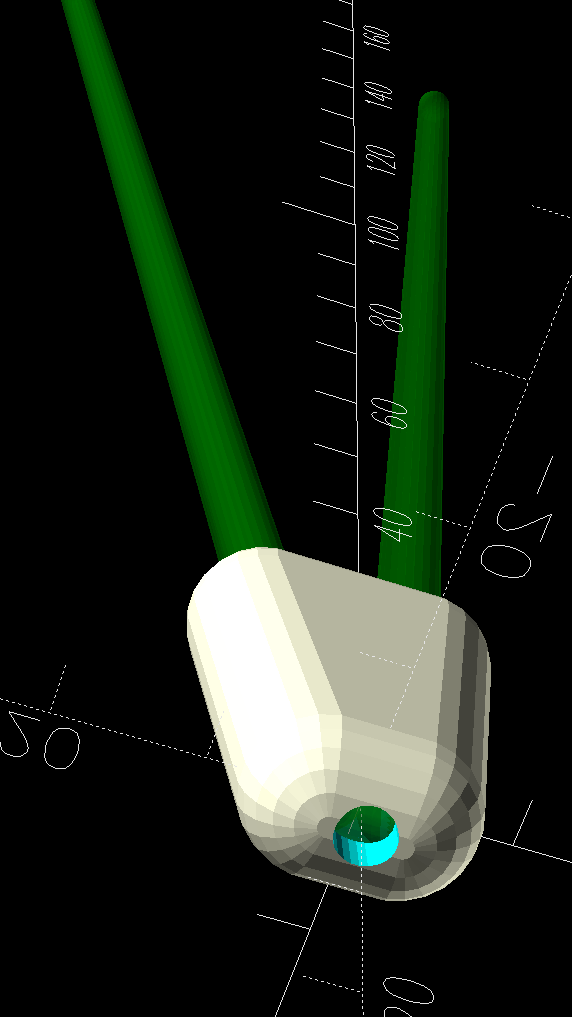
With a drain hole in the bottom to prevent water from rusting the wires any more than they already are:
Wire plant stand feet – show bottom view
I briefly considered a flat bottom at the proper angle to sit on the floor, but came to my senses; it would never sit at the proper angle.
The end results snapped into place:
Wire plant stand feet – indoor detail
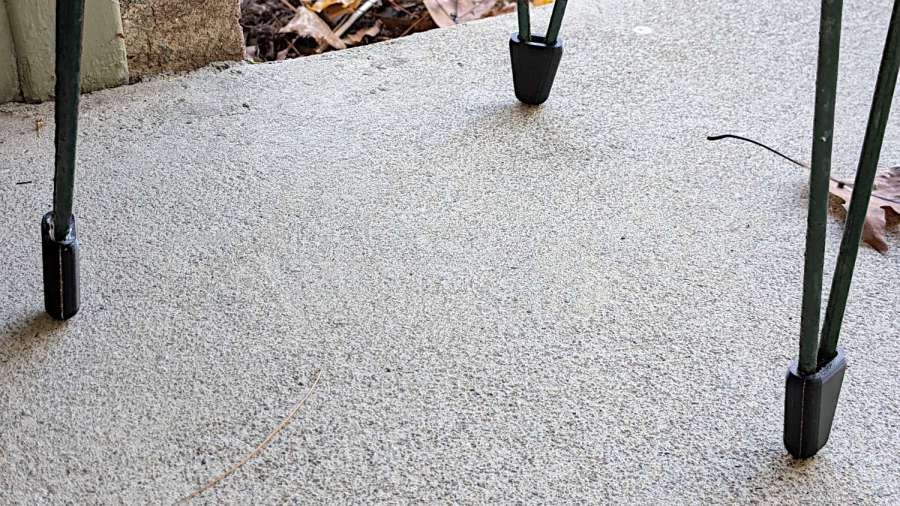
Of course the other stand, at first glance identical to the one above, has a different wire size and slightly different geometry, which I only discovered after printing another trio of feet. Changing the appropriate constants in the OpenSCAD program and waiting an hour produced a better outcome:
Wire plant stand feet – outdoor stand
Living in the future is good, all things considered.
This file contains hidden or bidirectional Unicode text that may be interpreted or compiled differently than what appears below. To review, open the file in an editor that reveals hidden Unicode characters.
Learn more about bidirectional Unicode characters
That’s the compression spring inside the curtain rod over the kitchen sink, intended to push the ends against the cabinets on either side. The screw slides along the outer rod and when tightened, backstops the spring against the inner rod.
The end of the spring is apparently intended to twist and jam inside the inner half of the rod, but that seemed so … unesthetic.
Being in the midst of setting up a Windows 11 box for the laser cutter, I used it as an excuse to fiddle with the RDP configuration to get LightBurn running in full screen mode on the monitor atop my desk; more about all that later.
The little pusher block is a hull around a pair of circles the same diameter as the smaller dimension of the inner rod, spaced apart enough to match its width, then laser-cut from a scrap of 1/4 inch acrylic:
Curtain rod pusher block – overview
Which assembles as you’d expect:
Curtain rod pusher block – installed
The spring seems much happier pushing against the block, doesn’t it?
Admittedly, this was completely unnecessary, but if you think of it as a side effect of the Win 11 thing, it makes at least a little sense.
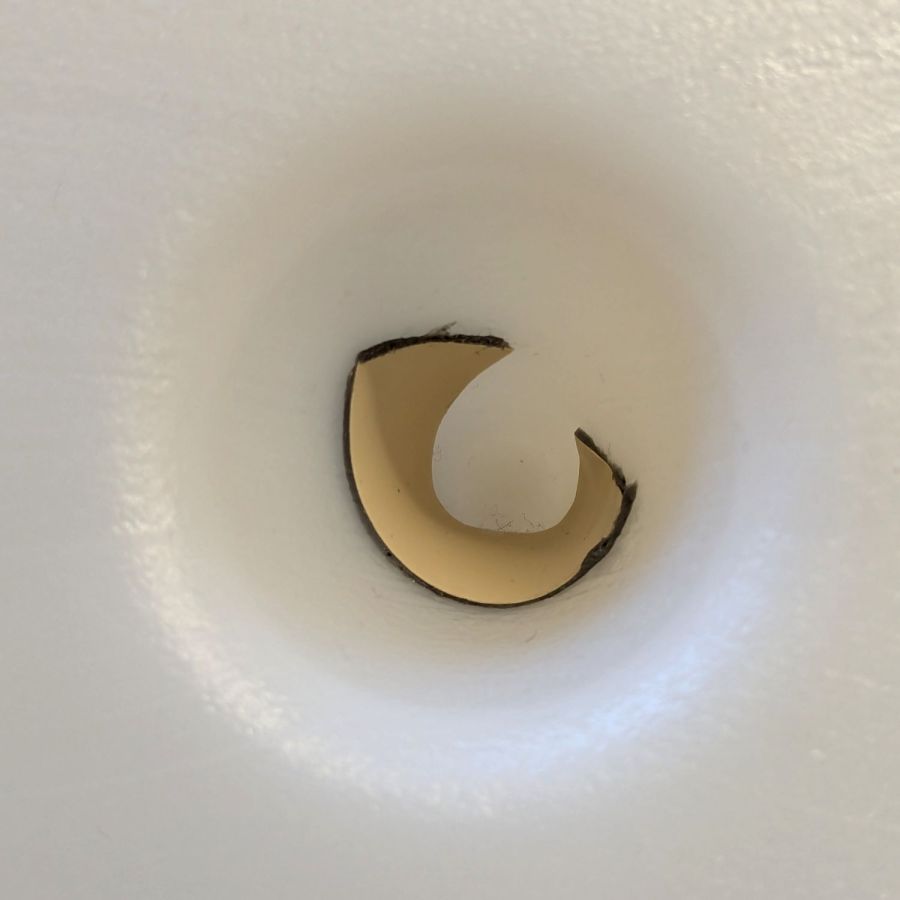
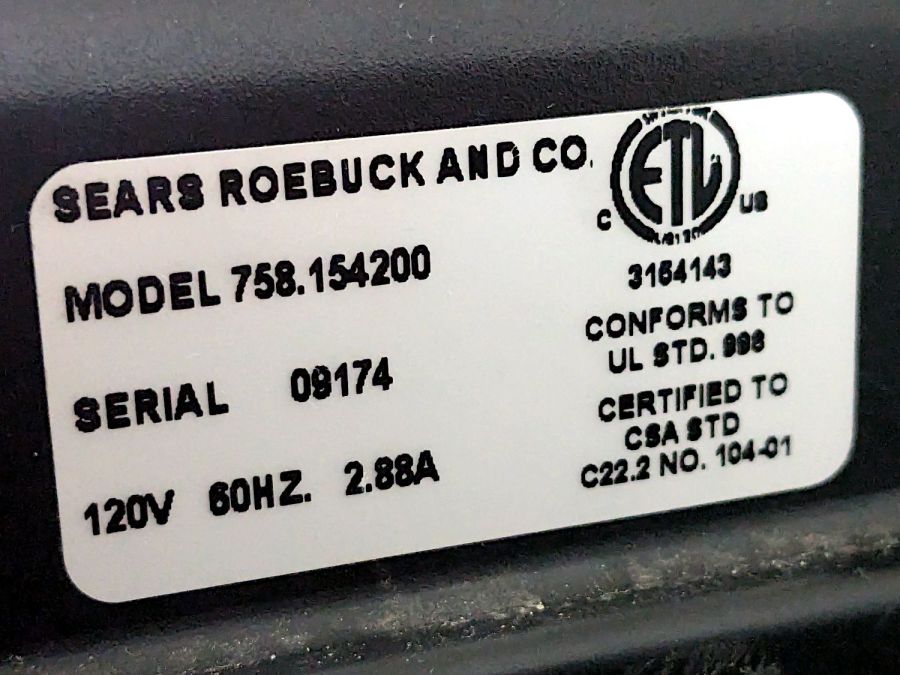
Although the Sears humidifier (Model 758.154200 if you’re keeping score) that Came With The House™ works fine with its lid hinges broken, Mary heard an odd hissing sound somewhere inside. The sound continued with the thing unplugged and, after a protracted struggle in the kitchen sink, we tracked the sound to a crack in one of the dimples joining the front and back faces of the right-side water bottle:
Sears Humidifier bottle – overview
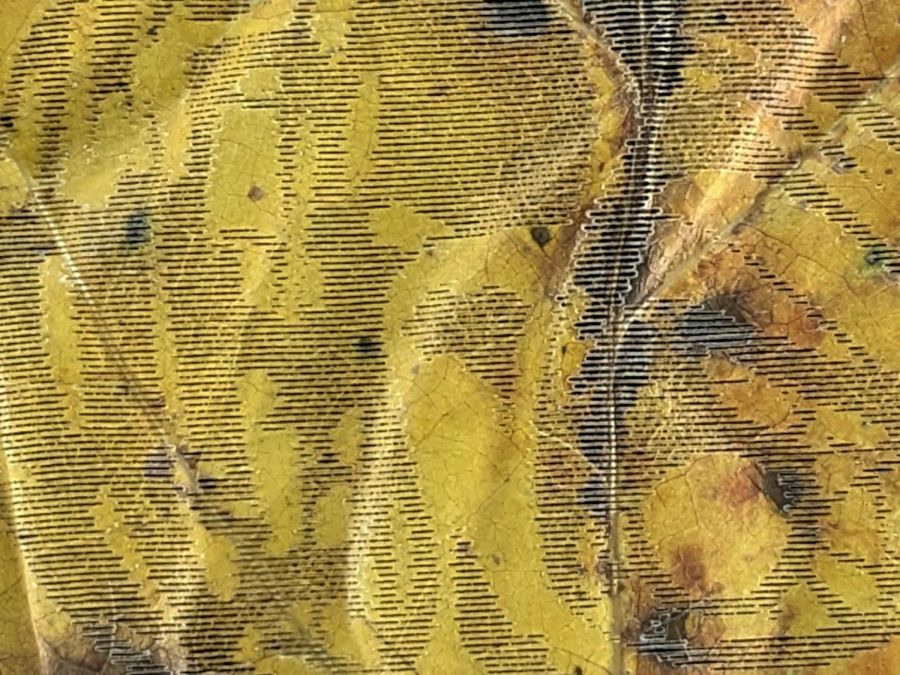
The vertical shaded bars come from the camera’s electronic shutter vs. unfiltered 60 Hz AC powering the shop LED lights.
The bottles are polyethylene that sneers at any normal sealant, but I have a few square inches of tape intended for repairs exposed to weather. I didn’t get the snippet aligned just as I wanted, but its gooey adhesive definitely covered the crack:
Sears Humidifier bottle – patched
The bottles normally operate with a slight vacuum, thus the air hissing through the crack, so the tape need not withstand any continuous pressure and the adhesive layer should flow into the crack if it goes anywhere at all.
Protip: the gooey adhesive bonds instantly and irrevocably to whatever it touches, so do a trial fit before you peel off the backing tape.
If the “Serial” is a date code, it’s been around for while:
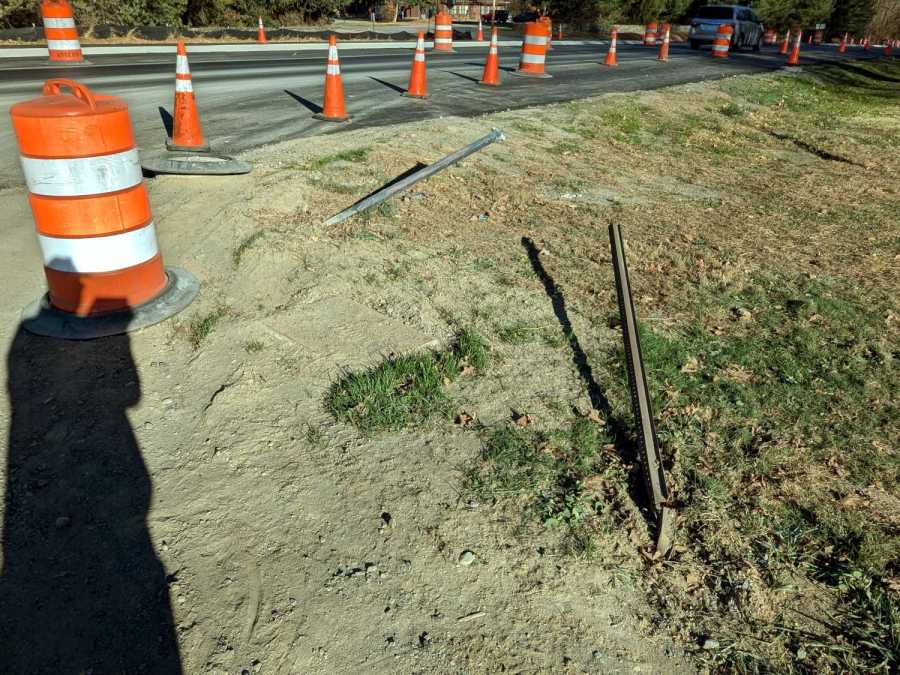
Having watched a tour bus jounce over the poor suffering street lamp base, I can easily understand how something similarly large killed the street signs:
Street Lamp Base – Overview
The black ring in the upper left formerly positioned a barrel over the lamp base:
Street Lamp Base – barrel ring
Something heavy shaved down those bolts:
Street Lamp Base – detail
The blue-and-white pull cord seems at risk of vanishing.
They’re now laying asphalt and the project continues apace.
Three months of outdoor exposure suggest that laser test paper can survive use as a plant tag for one growing season, at least when it remains flat:
Laser test paper – small plant labels – 3 month exposure
The two upper tags demonstrated the paper has no flexibility worth mentioning, so it cannot become a tag wrapped around a stem.
The two lower labels spent their time tucked into a window frame where they got plenty of sun & rain without the benefit of a backing plate. Looks good to me!
Contrary to my expectation, the craft adhesive sheet behind this label survived intact, although the label itself took some damage, perhaps from the more direct sunlight out on the deck:
Laser test paper – plant marker – 3 month exposure
In any event, they look Good Enough™ for our simple needs and next year’s plants will be properly labeled.









 The Smell of Molten Projects in the Morning