Ed Nisley's Blog: Shop notes, electronics, firmware, machinery, 3D printing, laser cuttery, and curiosities. Contents: 100% human thinking, 0% AI slop.
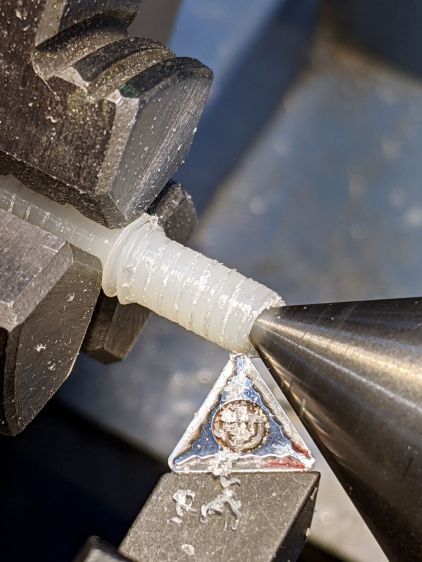
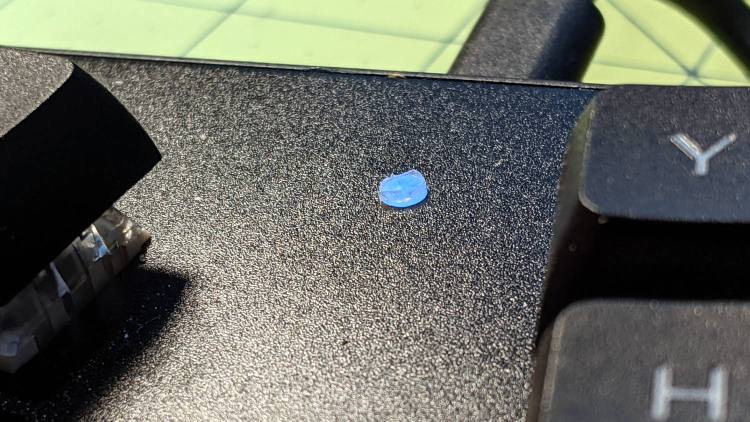
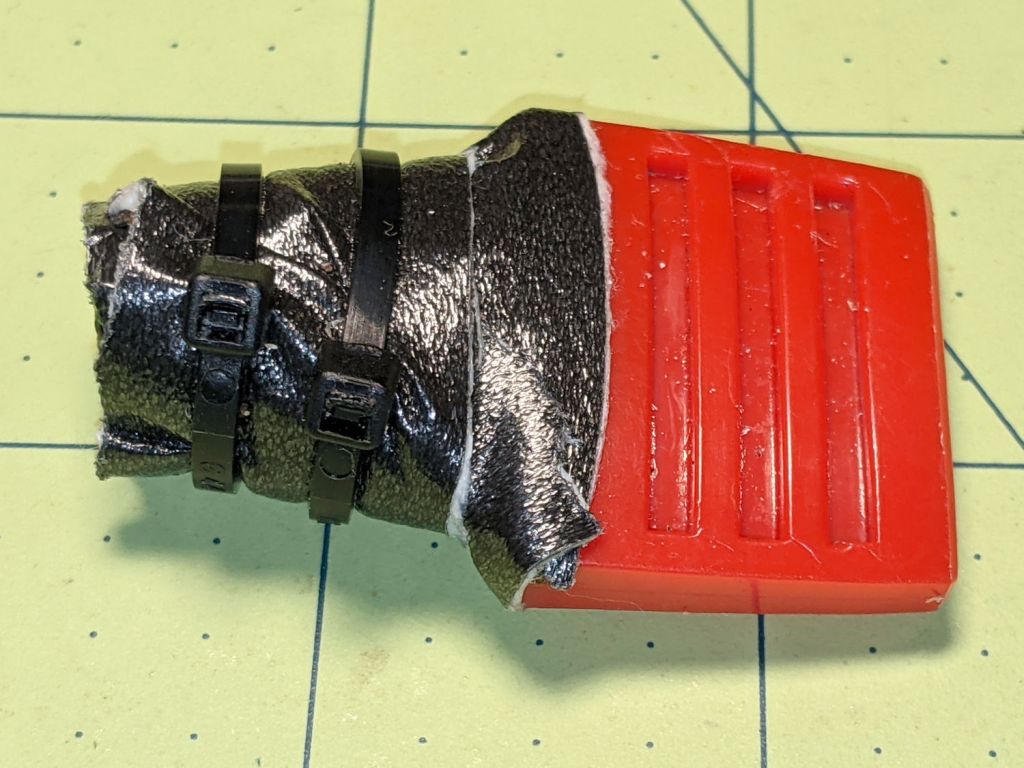
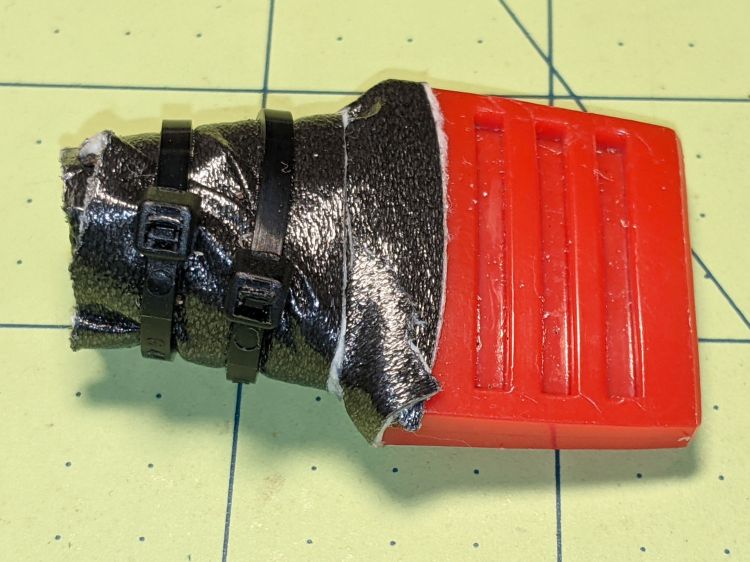
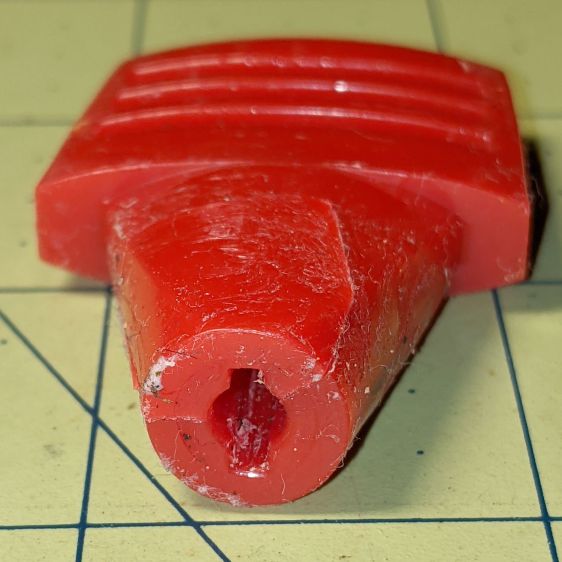
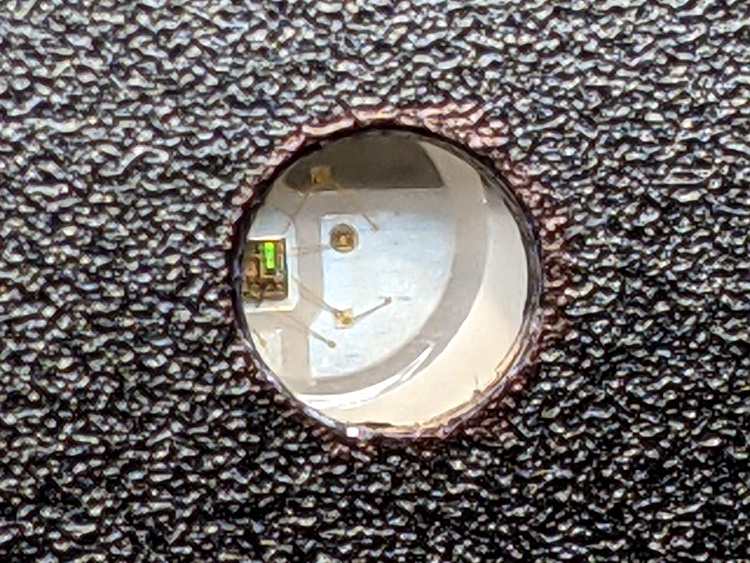
It stands slightly proud of the surface plate so I can extract it without dismantling the whole keyboard again:
Atreus keyboard – LED diffuser installed
I’ll eventually make a better-looking diffuser from a recently arrived translucent acrylic rod, but this will reduce the accumulation of fuzz inside the keyboard until the matching Round Tuit arrives.
The torchiere floor lamp in the sewing room suffered a catastrophic failure:
Floor lamp – failed plastic base shell
Contrary to what you might think from seeing the shattered plastic base, we didn’t use the lamp as a club or battering ram. Apparently the designer expected the thin plastic surrounding the hole to withstand all the torque produced by the long pole against the cheap concrete / mortar / grout / whatever lump in the base. As we can recall, this lamp came to us from either a yard sale or a roadside debris harvest, so I suppose the hardware outlasted any reasonable expectation.
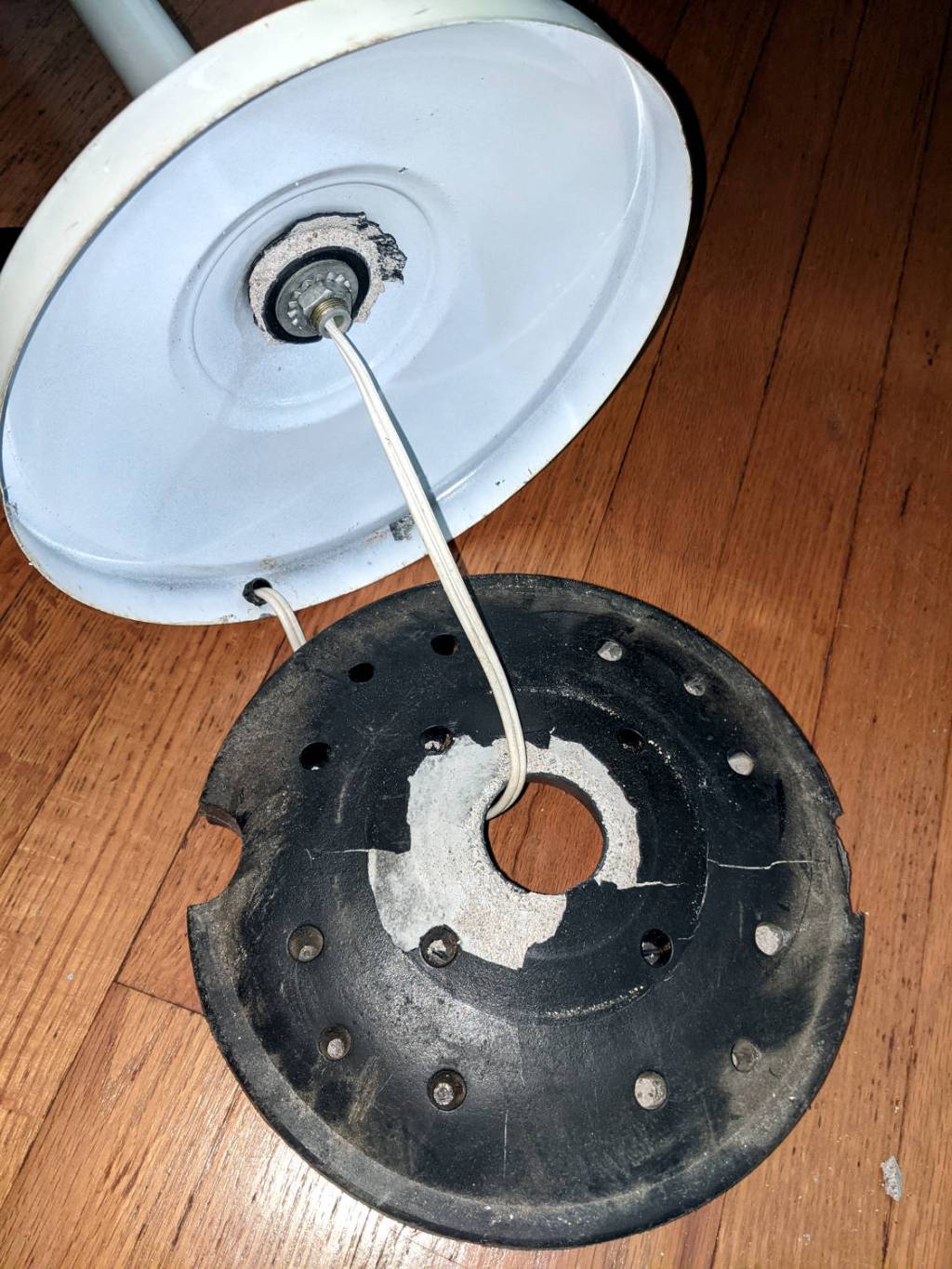
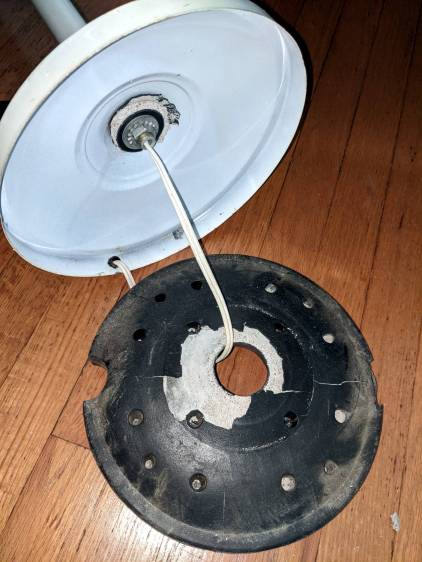
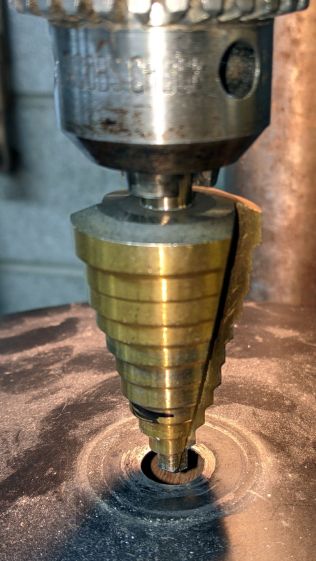
The Basement Laboratory Warehouse disgorged the pole and base from a similar lamp, albeit sporting black paint and a smaller rod connecting its pole to its somewhat larger weight. Not being too fussy about decor, I embiggened the hole in the black base to fit the white lamp’s threaded rod:
Floor lamp – enlarging replacement base
The dust on the base shows why you shouldn’t stand motionless in the Basement Laboratory for very long.
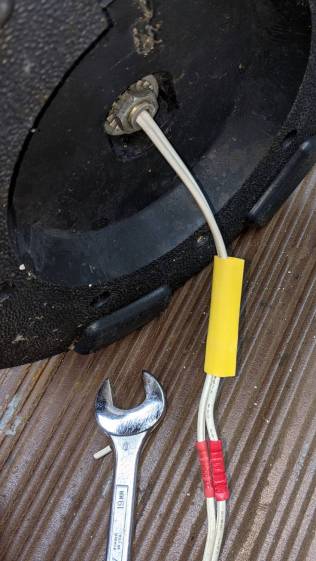
The alert reader will have noted the cord passing through a strain relief grommet in the white base. Rather than dismantle the entire lamp, I just cut the cord, ran it through the new base weight, reinstalled the washer + nut, then crimped on a pair of solderless connectors:
Floor lamp – cord splice
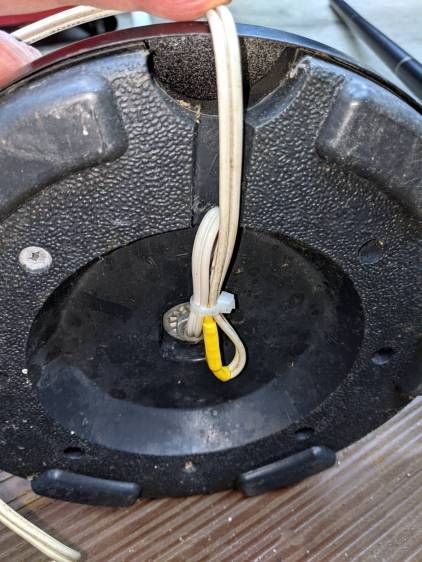
The new base doesn’t offer much in the way of attachment points, so I added a cable tie to keep the strain off the connectors:
Floor lamp – cord strain relief
A strip of genuine 3M duct tape with double-thick adhesive now traps the cord inside that small channel and, given that the lamps spends most of its time standing quietly in a corner, the cord should be fine for long enough.
“Preregistering” for a medical appointment started by clicking a link in an email to reach a website with no obvious relation to the medical office, filling in a selection of my private bits, then being confronted by this wall of text:
———- Wall of text begins ———-
Review Phreesia Authorization Please review the authorization below. A copy of this authorization form will be available at the front desk. Authorization for Uses and Disclosures of Protected Health Information Health-Related Materials
I hereby authorize my healthcare provider to release to Phreesia’s Check-in system my health information entered during the automated Check-in process, or on file with my healthcare provider, to help determine the health-related materials I will receive as part of my use of Phreesia. The health-related materials may include information and advertisements related to treatments and therapies specific to my health status. The materials may be provided by my health insurance plan, a pharmaceutical manufacturer or another healthcare entity. Phreesia may receive a payment for making such information available to me through the Check-in System or Phreesia’s Patient Communication Services including items such as newsletters, patient reminders for visits, medication/treatment adherence and other practice-related services.
If I am presented with an advertisement pursuant to this Authorization and I choose to request certain information and/or samples as described in the advertisement, then I further authorize Phreesia to disclose my protected health information to the advertiser as designated in the advertisement, such as my name, email address, mailing address, or phone number in order to receive such information and/or samples. Phreesia may receive a payment for releasing my personal information. The use and disclosure of my protected health information solely as set forth in this paragraph is valid only for purposes of when I choose to receive the information and/or samples, as described in the advertisement and until I receive such information and/or samples.
My healthcare provider is using Phreesia’s secure platform to enhance the patient-provider experience and eliminate inefficiencies associated with Check-in.
The following is the Authorization to provide me personalized educational health content and to allow Phreesia, on behalf of my healthcare provider, to conduct analytics using some of the information that I provide to gain insight into and support the effectiveness of this educational health content.
Utilizing Federal guidelines and its corporate policy, Phreesia, on behalf of my healthcare provider, ensures that all patient-related health information is protected by administrative, technical, and physical safeguards.
Phreesia will safeguard my personal information and will not use it for any purpose, other than to: provide health-related materials to me; anonymously analyze health outcomes in support of that educational health content, as well as to measure the effect of the health-related materials furnished to me on my communications with me or my family member’s healthcare provider (this analysis is computer-automated and involves no human review of my protected health information); and carry out any use or disclosure otherwise permitted by this Authorization.
Although there is the potential for information disclosed pursuant to this Authorization to be subject to redisclosure by the recipient and no longer be protected by federal privacy rules, Phreesia maintains administrative, technical, and physical safeguards as required by the Federal Government’s Health Information Privacy Rule, or “HIPAA,” to protect each patient’s confidential information. Phreesia does not disclose personally identifiable information to anyone other than each patient’s healthcare provider without this Authorization or as governed, permitted or required by law.
I do not have to grant this Authorization but, if I do not, I will not receive personalized health-related material or, as applicable, receive the materials as described in the advertisement. I understand that my healthcare provider will treat me regardless of whether I grant this Authorization.
I have a right to receive a copy of this Authorization. I may change my mind and revoke (take back) this Authorization at any time, except to the extent that my healthcare provider or Phreesia has already acted based on this Authorization. To revoke this Authorization, I must contact my healthcare provider c/o Phreesia in writing (including my name, date of birth, gender, home address and healthcare provider’s name) at: Privacy Officer, Phreesia, Inc., 434 Fayetteville Street, Suite 1400, Raleigh, NC 27601; or PrivacyOfficer@Phreesia.com. This information will not be used for any purposes other than to verify my identity in order to revoke this Authorization.
This Authorization is valid for the following time periods:
One year from the date on which I grant this Authorization – for use in delivering personalized health-related materials from my healthcare provider on the Phreesia platform;
When the Patient Communication Services Program concludes – for use in delivering Phreesia’s Patient Communication Services on behalf of my healthcare provider; and
When the Analytics conclude – for use in Phreesia’s analytics programs
Phreesia is a business associate of my healthcare provider and is bound by federal law to protect and safeguard my privacy.
Authorization signed by: The patient, [me]
———- Wall of text ends ———-
I assume your eyes glazed over immediately upon seeing the text and it’s entirely reasonable to assume most folks simply select the “Agree” button (which doesn’t appear here), sign the form, and move on.
Having actually read the damn thing, it turns out to be an agreement to let Phreesia (apparently, all the good names were used up) spam me with medical advertising vaguely related to my current malady.
Look at that first paragraph again:
I hereby authorize my healthcare provider to release to Phreesia’s Check-in system my health information entered during the automated Check-in process, or on file with my healthcare provider, to help determine the health-related materials I will receive as part of my use of Phreesia. The health-related materials may include information and advertisements related to treatments and therapies specific to my health status. The materials may be provided by my health insurance plan, a pharmaceutical manufacturer or another healthcare entity. Phreesia may receive a payment for making such information available to me through the Check-in System or Phreesia’s Patient Communication Services including items such as newsletters, patient reminders for visits, medication/treatment adherence and other practice-related services.
“May receive a payment” indeed. I declined and haven’t died yet.
This could happen:
… there is the potential for information disclosed pursuant to this Authorization to be subject to redisclosure by the recipient and no longer be protected by federal privacy rules …
Obviously, you’ll pick a different keymap name than I did. All the files mentioned below will reside in the new subdirectory, which starts out with only a keymap.c file copied from the default layout.
If you had different hardware, you could specify the driver with a WS2812_DRIVER option.
QMK can also control single-color LEDs with PWM (a.k.a. backlighting), and per-key RGB LEDs (a.k.a. RGB Matrix). These functions, their configuration / controls / data, and their documentation overlap and intermingle to the extent that I spent most of my time figuring out what not to include.
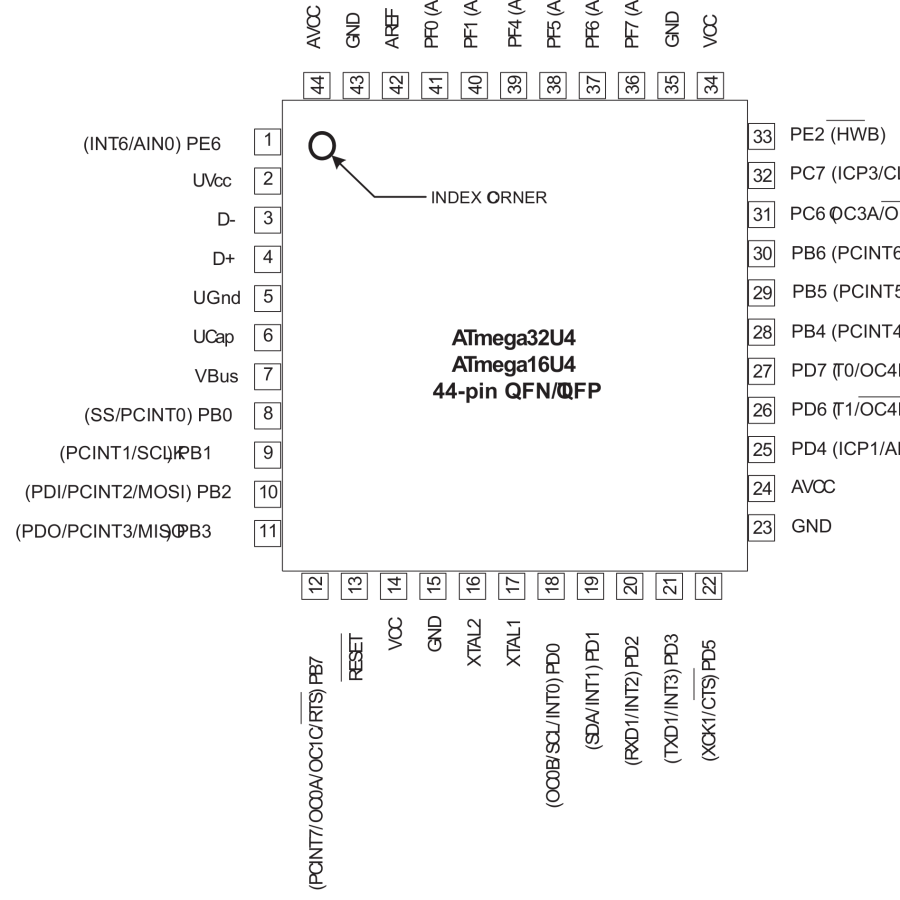
The first two lines describe a single WS2812 RGB LED wired to pin B2 (a.k.a. MOSI) of the Atmel 32U4 microcontroller. The default Reset duration and Byte Order values work for the LED I used
Protip: swapping the order from GRB to RGB is a quick way to discover if the firmware actually writes to the LED, even before you get anything else working: it’ll be red with the proper setting and green with the wrong one.
Dialing the maximum intensity down works well with a bright LED shining directly at your face from a foot away.
Turning on RGBLIGHT_LAYERS is what makes this whole thing happen. The RGBLIGHT_EFFECT_RGB_TEST option enables a simple test animation at the cost of a few hundred bytes of code space; remove that line after everything works.
The last two lines remove the debugging facilities; as always with microcontroller projects, there’s enough room for either your code or the debugger required to get it running, but not both.
With those files set up, the keymap.c file does the heavy lifting:
Undefine LED_LL to enable the test mode, compile, flash, and the LED should cycle red / green / blue forever; you also need the RGB_TEST option in the config.h file.
Define LED_LL and layer lighting should then Just Work™, with the LED glowing:
White for the basic layer with all the letters
Magenta with the Fun key pressed
Cyan with the Esc key pressed
The key map code defines colors for layers that don’t yet exist, but it should get you started.
For convenience, I wadded all three QMK files into a GitHub Gist.
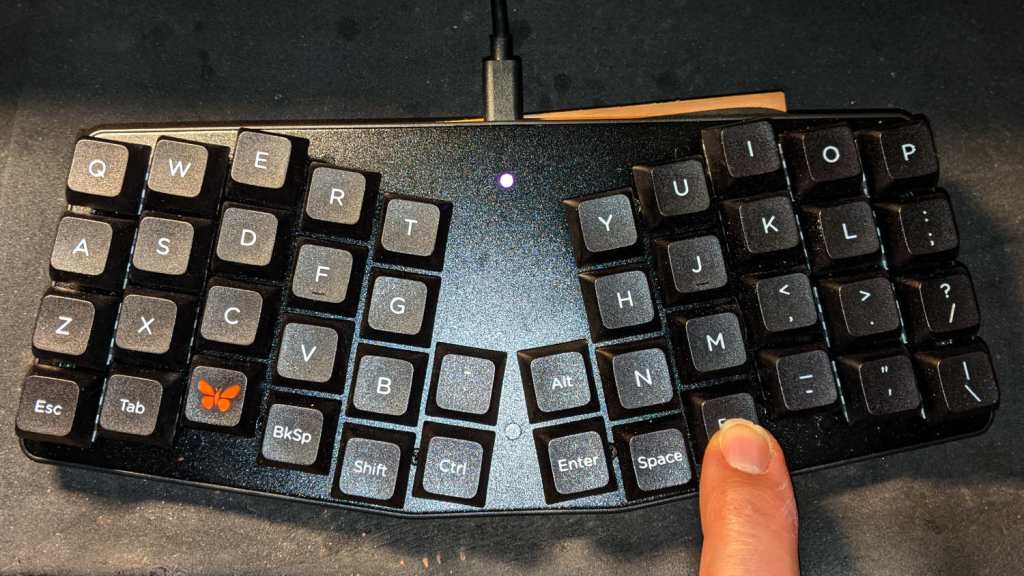
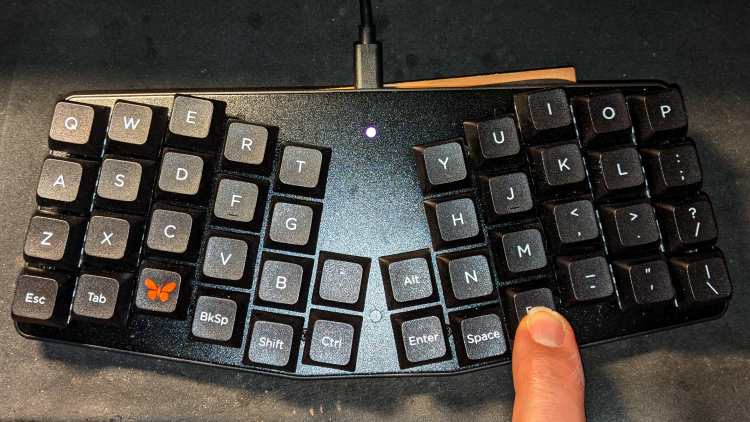
The LED is kinda subtle:
Atreus keyboard – LED installed
As you might expect, figuring all that out took much longer than for you to read about it, but now I have a chance of remembering what I did.
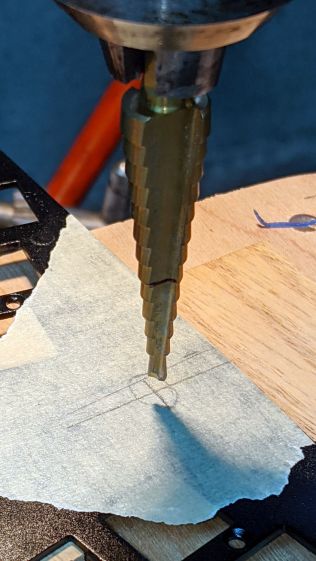
Reattaching the plate to the PCB with only three screws allows marking the hole position on the PCB, which is much easier than pretending to derive the position from first principles:
Atreus keyboard – LED marking
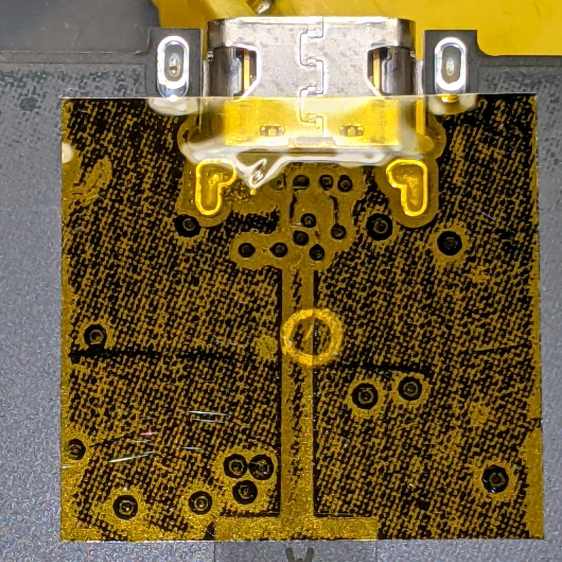
Despite appearances, I traced the hole with a mechanical pencil: black graphite turns shiny silvery gray against matte black soldermask. Also, the PCB trace is off-center, not the hole.
Overlay the neighborhood with Kapton tape to protect the PCB from what comes next:
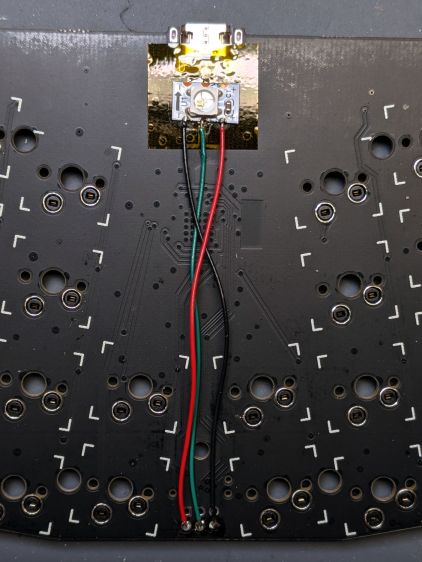
Snip a WS2812 RGB LED from a strip, stick it in place with eyeballometric alignment over the target, and wire it up:






 The Smell of Molten Projects in the Morning