Siraya TPU Air filament foams when extruded, which seems like it might make comfortable grips / handles / bumpers. Rather than starting with calibration cubes, I ran off a series of flexible snakes at different temperatures and Extrusion Multiplier values:
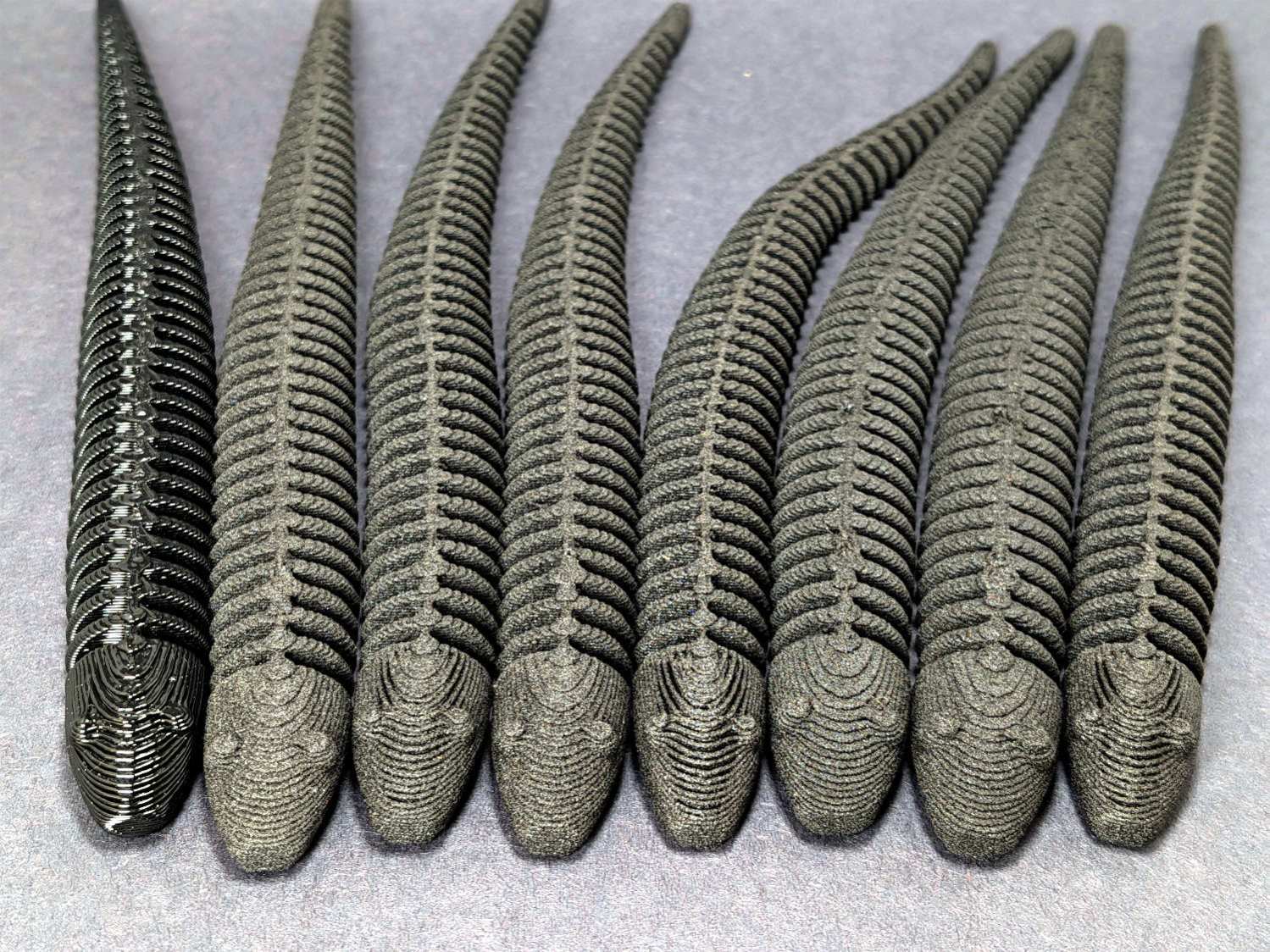
They’re done on the Prusa MK4 with a 0.8 mm nozzle and 0.4 mm layers that suppress all the fine detail. The glossy black snake over on the left is ordinary non-foaming TPU.
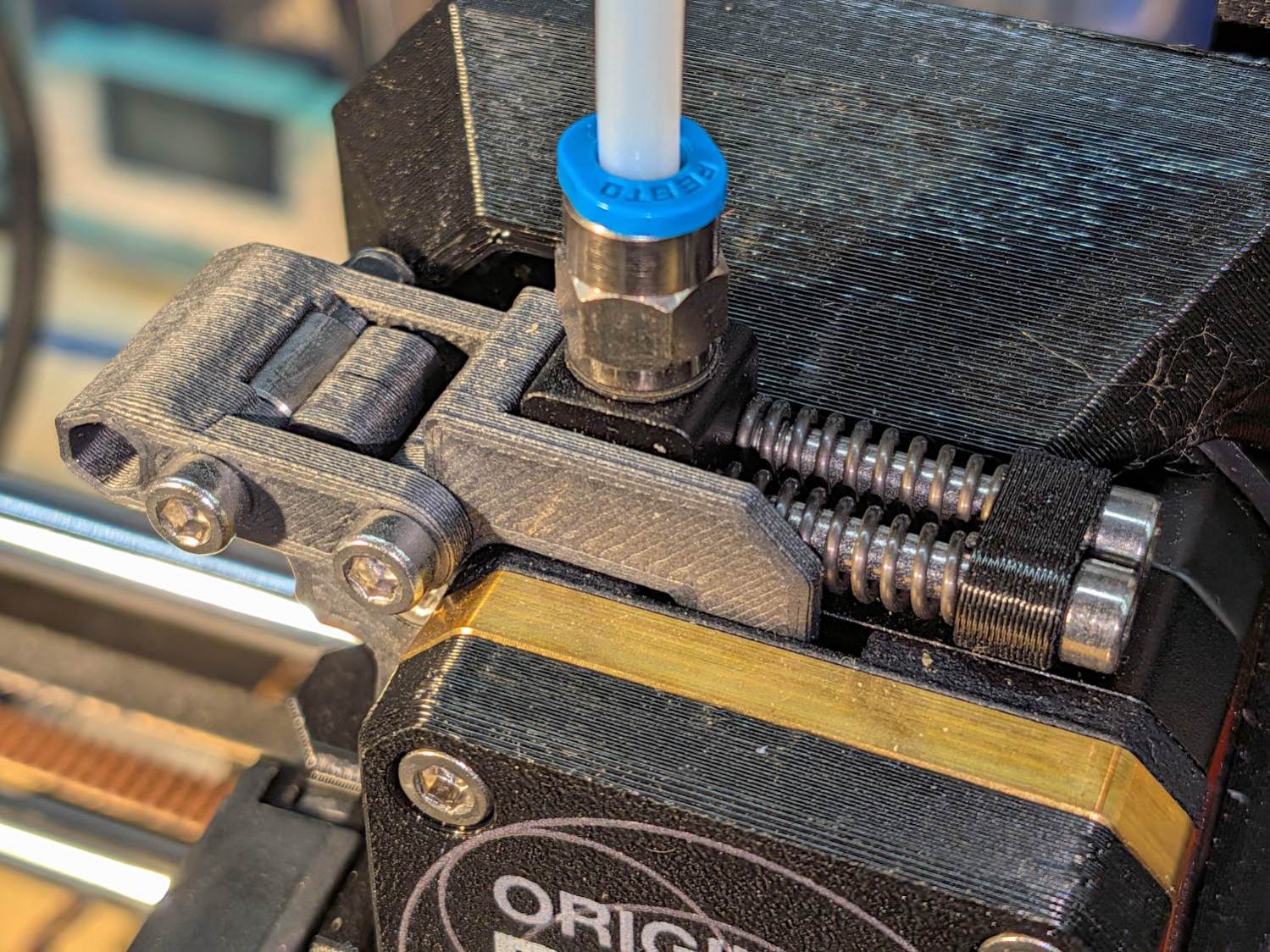
The filament is extremely soft and requires backing out the MK4’s extruder idler tension screws 1-½ turns each:
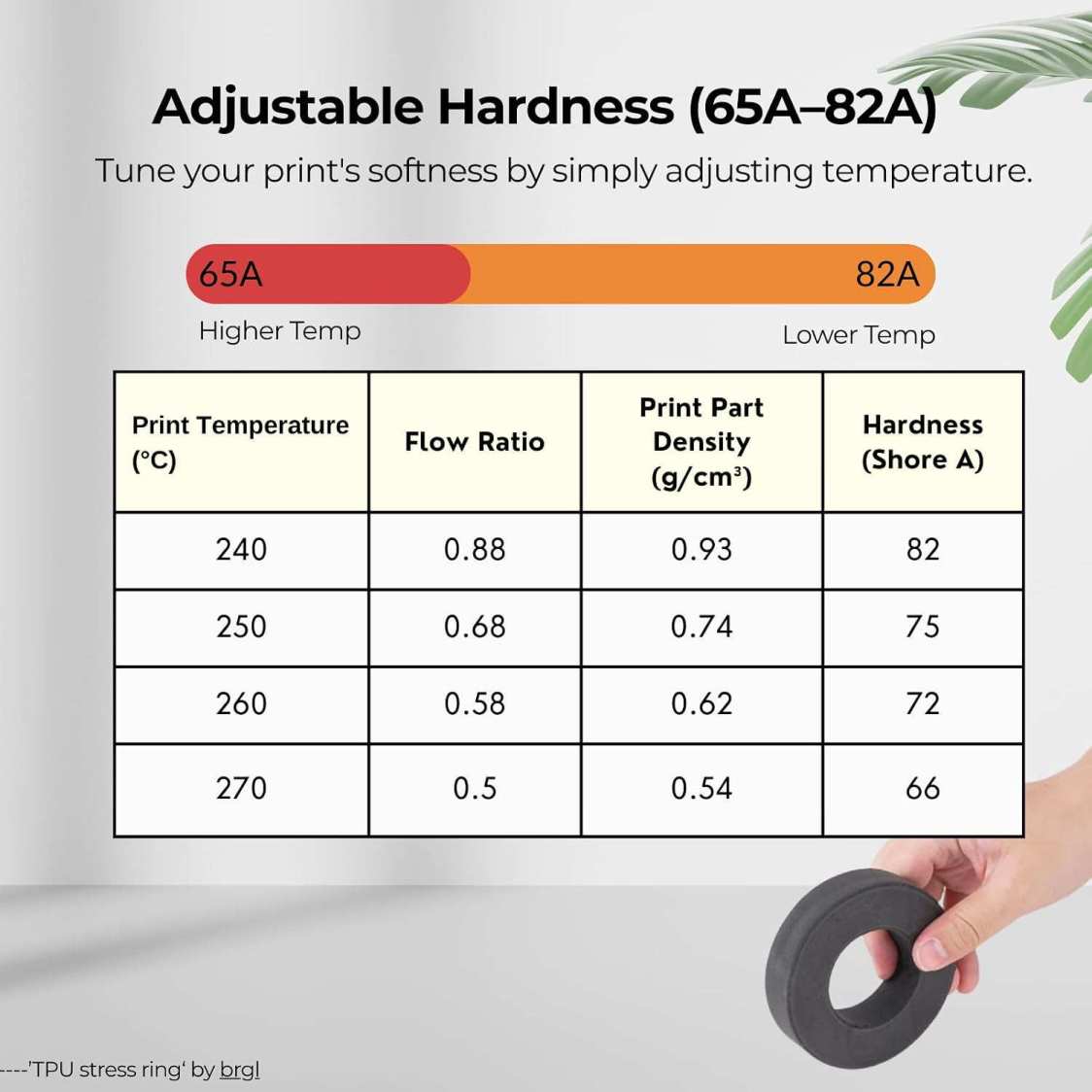
The Siraya TPU Air filament description gives a “Flow Ratio” for each temperature, which I interpreted to be the Extrusion Multiplier compensating for the foam expansion to produce more-or-less accurate thread widths:
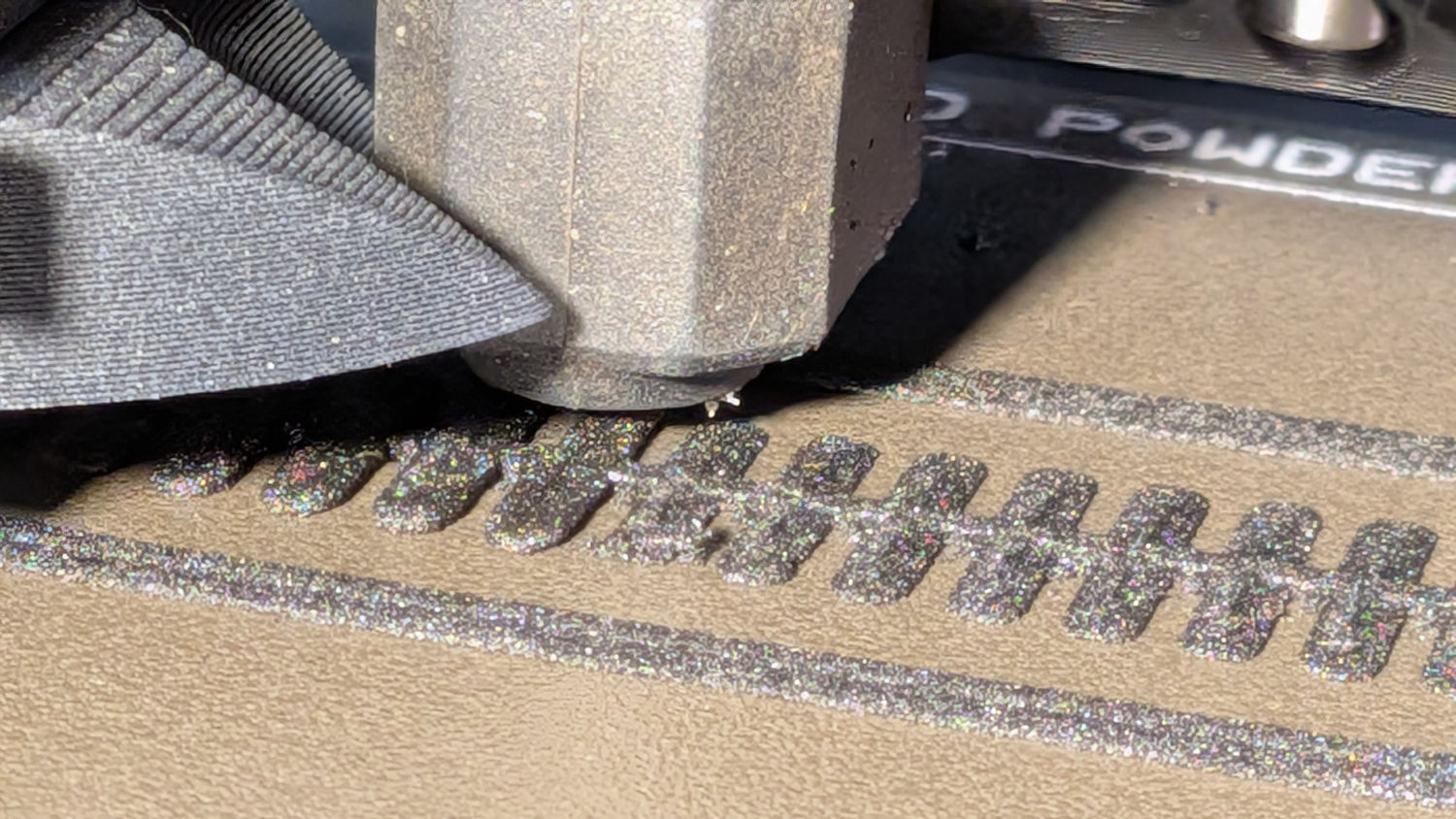
It turns out the fins along the snake body are 2 mm wide, so I adjusted the EM for that width at each temperature, which required at least two test runs:
The results, in no particular order:
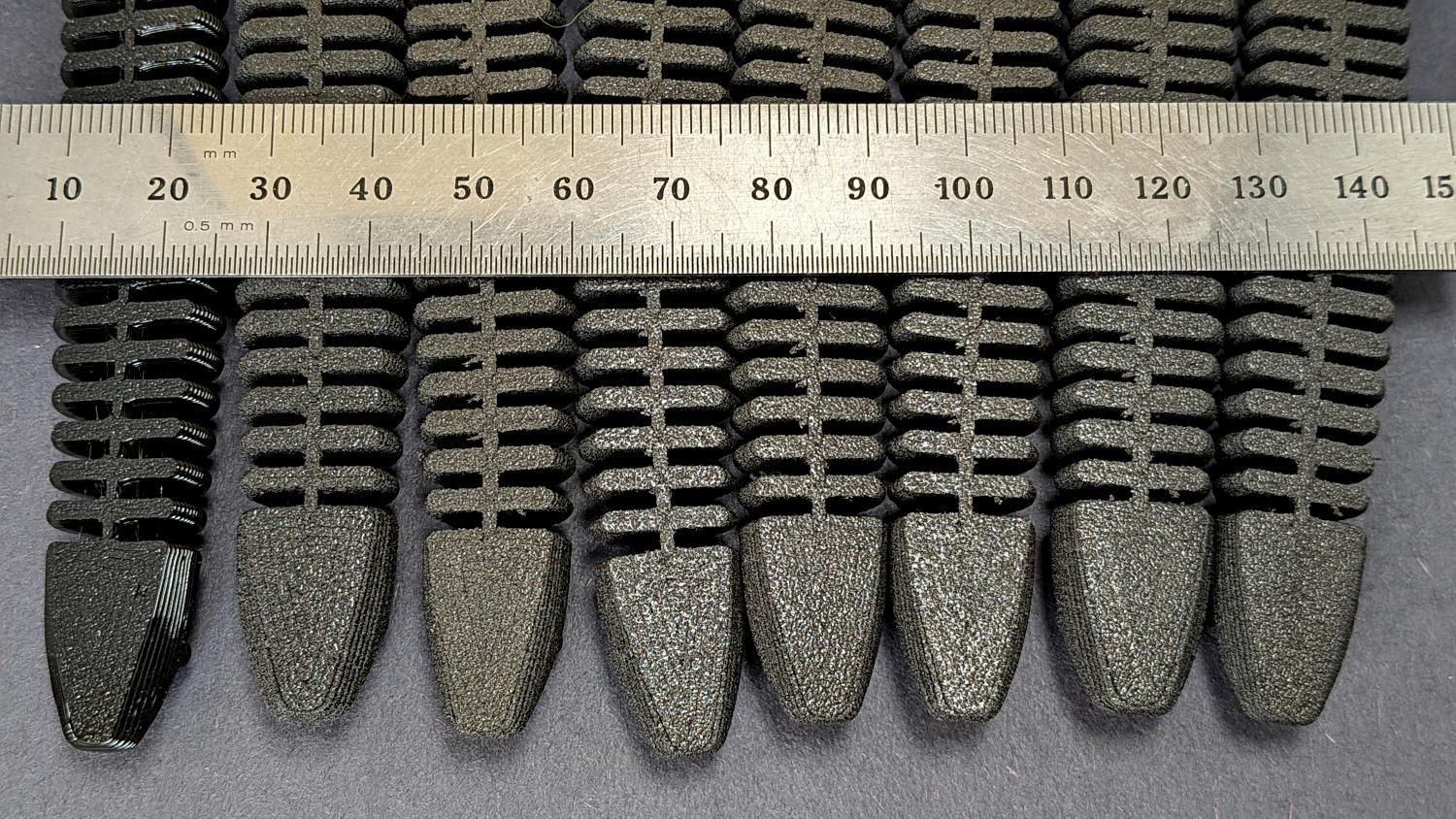
Without going into the gory details:
- 240 °C: EM=0.50
- 260 °C: EM=0.45
- 270 °C: EM=0.43
Which is not at all what I expected.
The less-overstuffed snakes definitely feel softer, so the correct EM improves the outcome, but I think the 0.8 mm nozzle is simply too big and the 0.4 mm layers too thick: the foam expands completely regardless of the temperature.
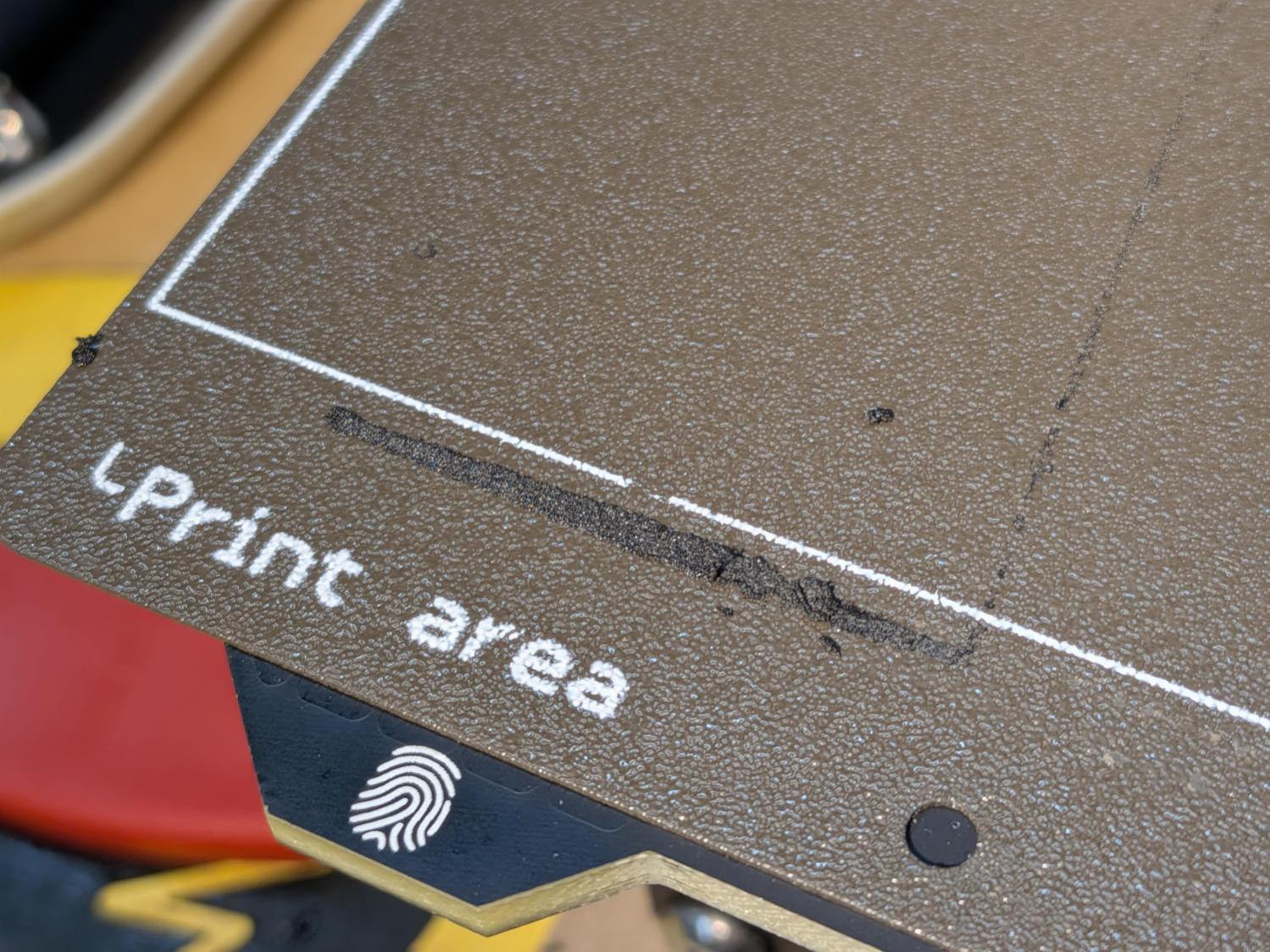
The stuff leaves nasty remnants of the nozzle’s passing:
More study is needed, although our neighbor’s lad can surely put all those snakes to good use.
Prusa’s notes on flexible filaments remain relevant.


Spam comments get trashed, so don’t bother; you’re not as clever as you think. Comment moderation may cause a delay.