Replacing the drying fan didn’t prevent the Samsung dishwasher from crashing when the drying cycle starts, so I eventually figured out how to run the “Smart Install” test sequence:
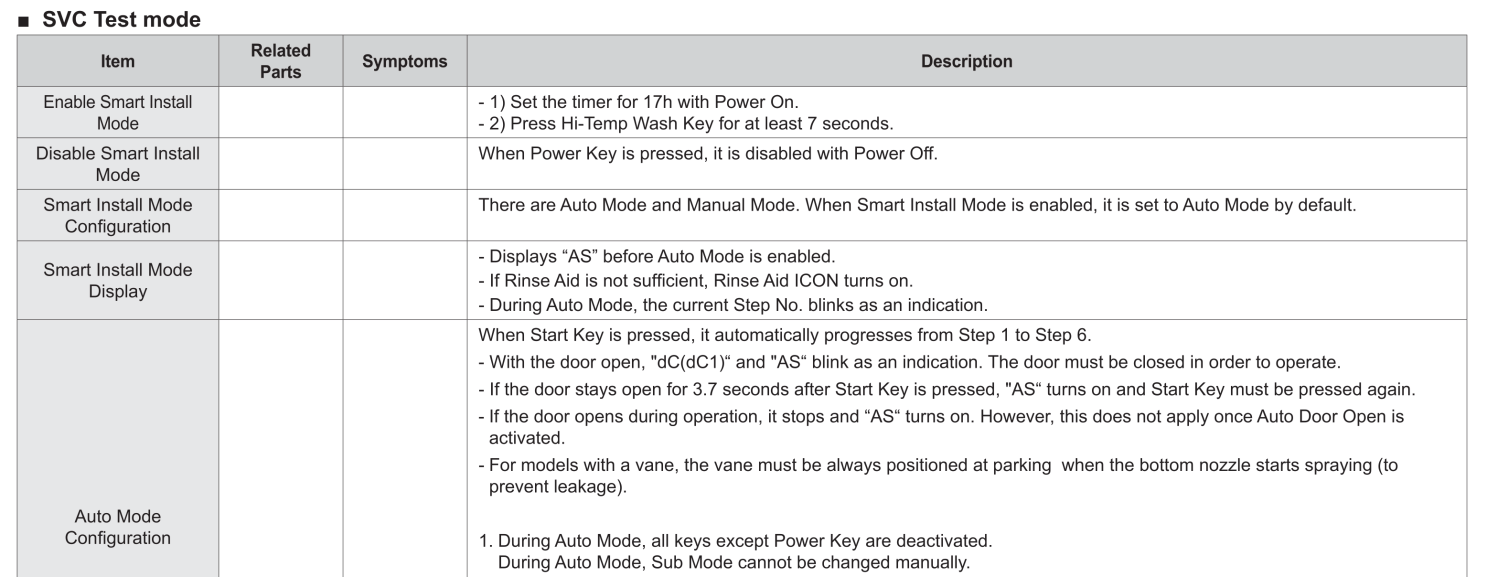
Which ticked through everything right up to the start of the “Check Drying” step:
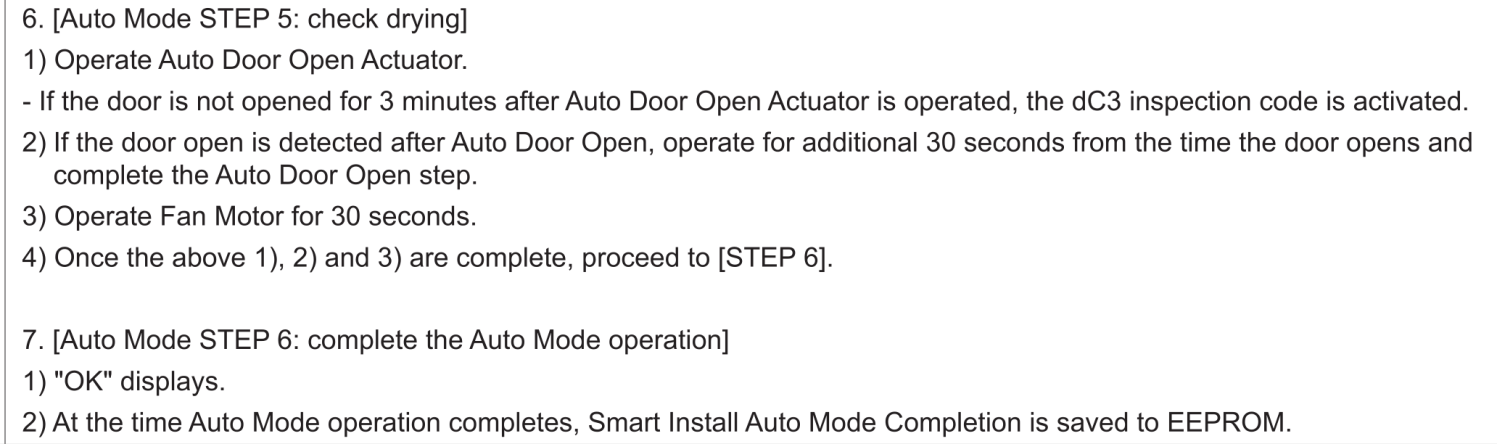
Whereupon all the control panel LEDs went dark and a little red status LED on the PCB began blinking what must be an error code: long / pause / long-short-short. Of course, I cannot find any doc for that LED’s code.
The “Auto Door Open Actuator” is a wax motor, a device I had never encountered before. It opens the door through a whippletree pushing two tabs against the door:
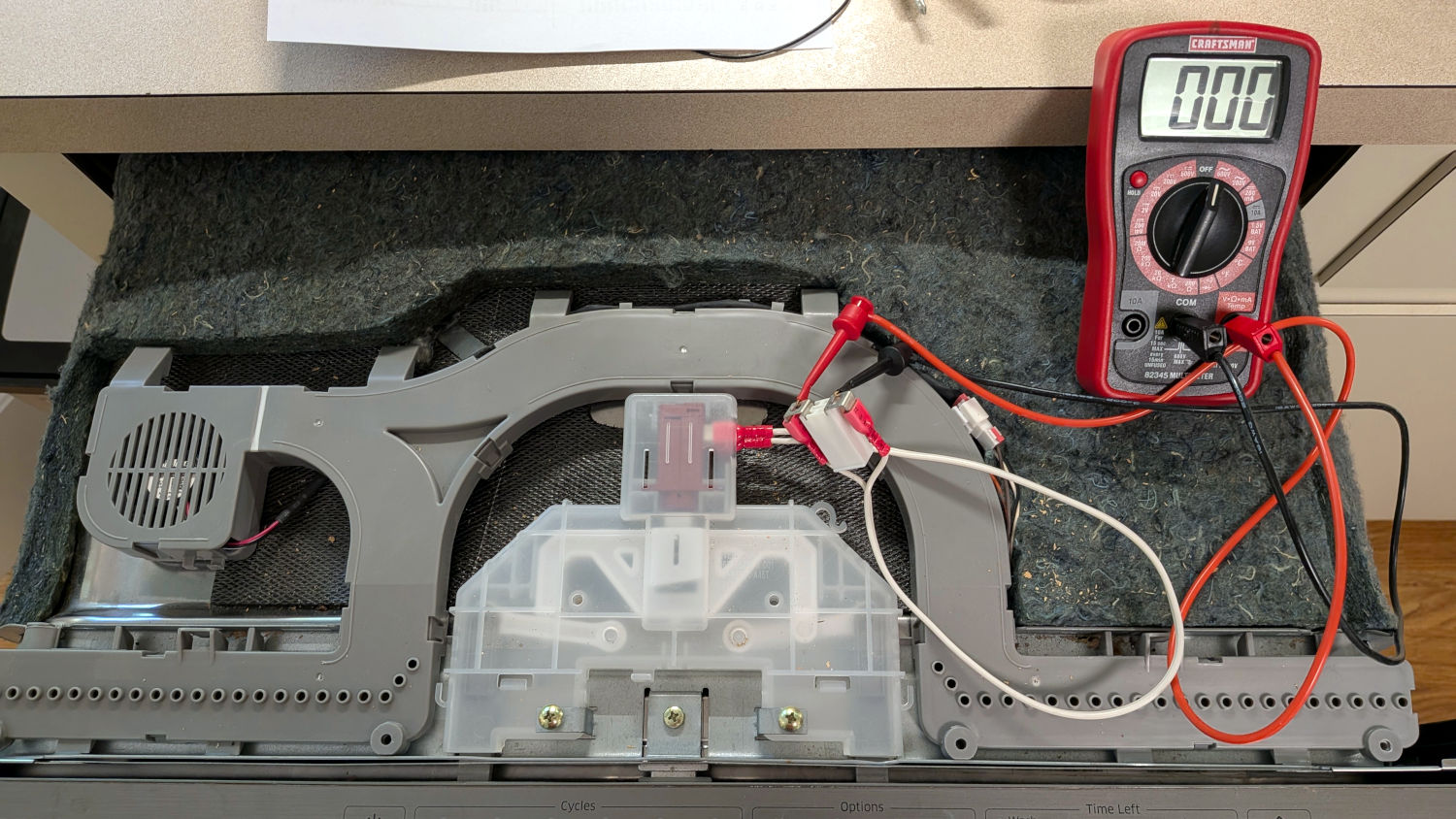
The meter measures the voltage across the wax motor Auto Door Open Actuator through improvised widowmaker jumpers jammed onto the quick-disconnect fittings. As you might expect, the meter showed 000 VAC before, during, and after the crash, suggesting something is wrong with the relay intended to activate the motor.
Because the test sequence activates the drying fan after opening the door, the fan never even twitched.
For twelve bucks (spend up to $150 if you prefer), I had a generic DD66-00089A actuator in hand before dragging the dishwasher out of its lair and, being me, had to measure what it did:
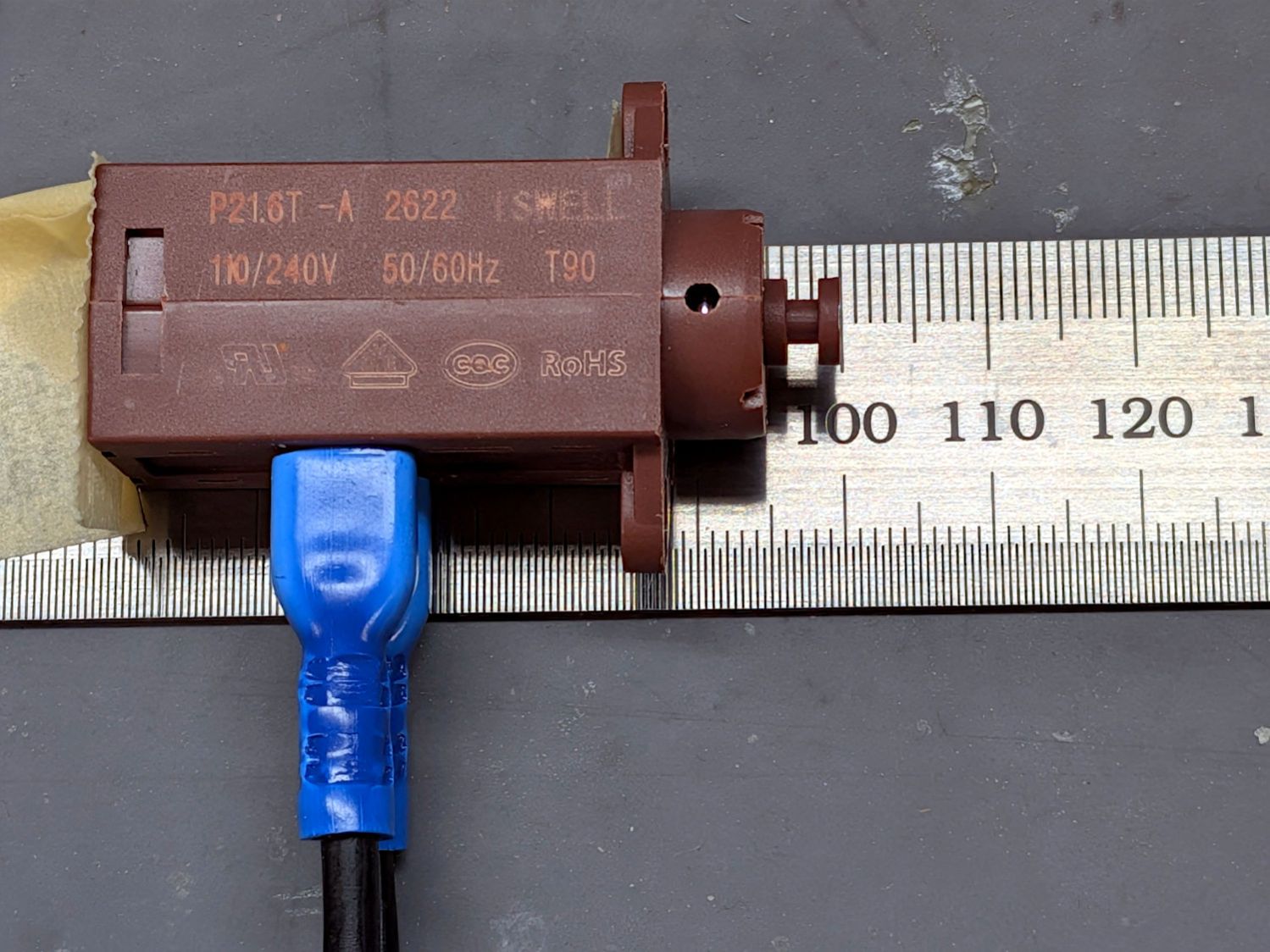
It’s about 1.8 kΩ across the terminals and, not being fussy about its input voltage, will dissipate anywhere from 6 to 32 W in operation. Because the “motor” works by the force generated by expanding liquid wax, the response time obviously goes down as the voltage goes up.
After a few cycles to figure things out, plotting elapsed time against piston displacement is surprisingly linear right out to the 6.5-ish mm maximum stroke:
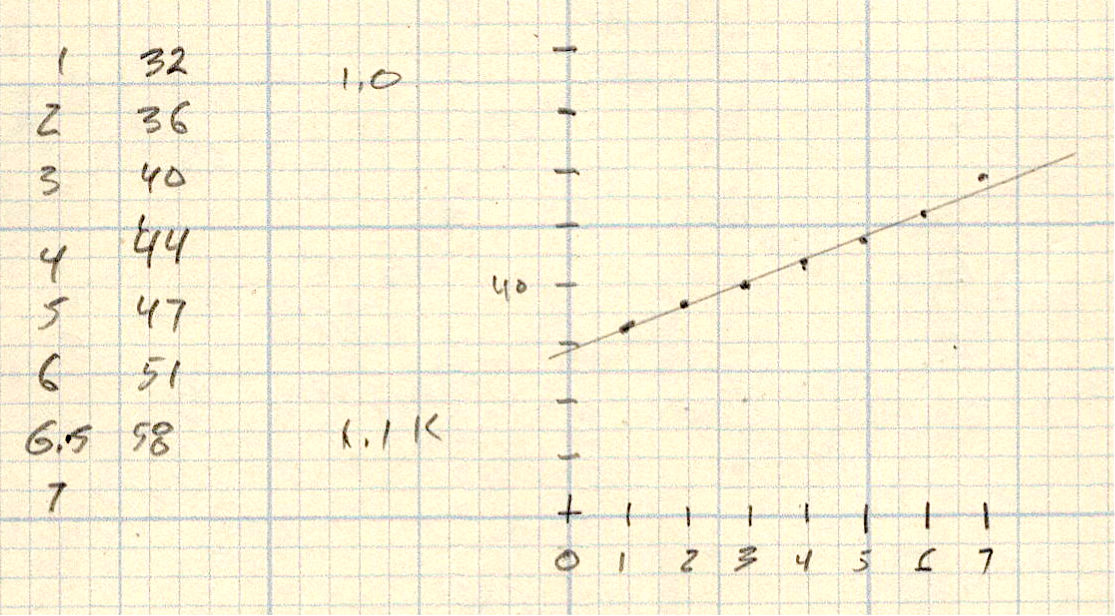
It take much longer from a cold start, which is how it’s normally used, so the 30 s intercept at 0 mm is definitely on the low side.
Samsung no longer manufactures the DD82-01337A7050 control board, the usual aftermarket suppliers report it’s out of stock, and, given the lack of doc, I am loathe to pull it out of the dishwasher for failure analysis / repair. The one-hour cycle gets the dishes clean and a 46 minute countdown timer reminds me to open the door for drying, so the failure seems survivable for the immediate future.


Spam comments get trashed, so don’t bother; you’re not as clever as you think. Comment moderation may cause a delay.