A batch of 1.3 inch white I²C OLED displays arrived from halfway around the planet, so I figured I could run a quick acceptance test by popping them into the socket on the crystal tester proto board:
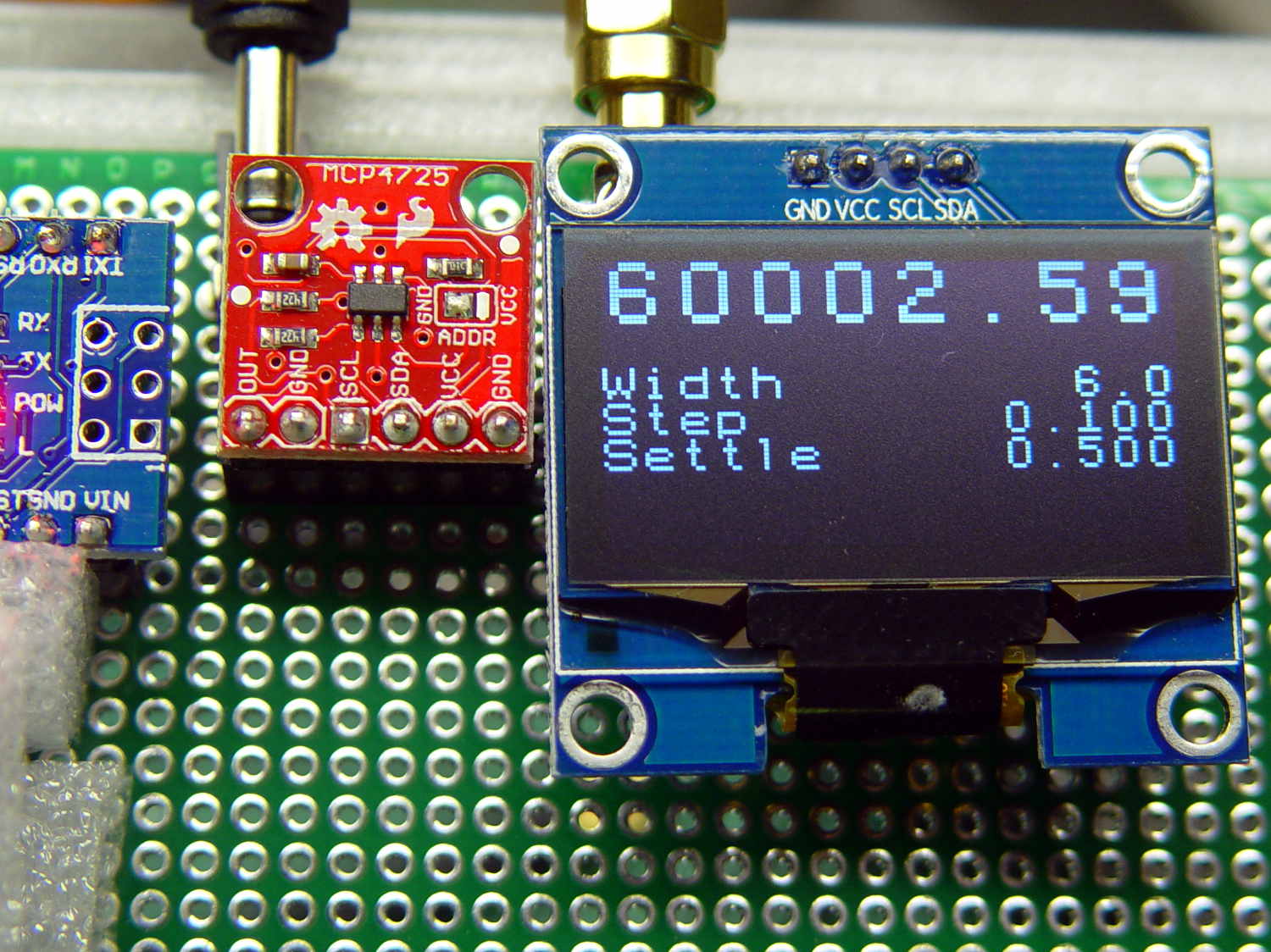
The first one flat-out didn’t work, as in not at all. The original display continued to work fine, so I compared the old & new displays:

Yup, swapped VCC and GND pins. I should be used to that by now.
I rewired the socket, tried the new displays, undid the change, popped the original display in place, and all is right with the world. Somewhat to my surprise, all five new displays worked, including the one I’d insulted with reversed power.
 The Smell of Molten Projects in the Morning
Comments
12 responses to “Generic I²C 128×64 OLED Displays: Beware Swapped VCC and GND”
Swapping leads on the PCB? That’s just mean (imagining some underpaid, passive-aggressive pcb layout engineer somewhere laughing hysterically on reading this).
Nice thing about standards: everybody can have one!
I’m from the US and live in Europe and my hobby is metalworking. Trust me, I’m QUITE aware that everyone has one. ;-)
Ooooh! Whitworth threads FTW!
It hit home recently when I needed an M7 bolt for a bicycle, my general bolt collection only had 2.5, 3,4,5,6,8,10 and my box of bicycle parts were from university days and were all something something inch.
Bicycles are a whole ‘nother universe of non-standard standard parts! I love how spokes can use either of two wire gauges (IIRC, AWG and French) that proceed in opposite directions with similar numeric values for typical spokes.
Don’t get me started, you know how I get … [heavy sigh]
Definitely no bipolar devices in there. [grin] That was a good way to blow up a device. (Electrolytic caps are fun that way, too. Just before I started at HP, one of the techs miswired a power supply cap. The explosion at power up was impressive, I’m told. No injuries, somehow.)
Long ago, I was working on a laser video disk setup in a darkened room when a reversed tantalum ‘lytic inside the fresh-off-the-tech’s-bench spindle sync box blew up. Took a while to pry my fingernails out of the ceiling, it did.
Local legend has it that one of the heads in a really chunky drive dropped on the plate, got launched clear across the room and embedded in the wooden door jamb. Can’t tell if it’s true since it was long before my time but it gives a whole new meaning to “embedded electronics” :)
Hey, not only did they label the pins, but the labels are correct! What more could you ask for?
Well played, sir!
[…] point numbers lying around and, with the I²C hardware up & running from the X axis DAC and OLED display, this was […]