I watched the Canada Goose family paddling around the pond:

A hiker on the trail around the pond brought them to DEFCON 4:

The little ones aren’t triphibans yet, but they know the drill:

Maybe he only does that when Mom’s not watching?
The Smell of Molten Projects in the Morning
Ed Nisley's Blog: Shop notes, electronics, firmware, machinery, 3D printing, laser cuttery, and curiosities. Contents: 100% human thinking, 0% AI slop.
Taking & making images.
I watched the Canada Goose family paddling around the pond:
A hiker on the trail around the pond brought them to DEFCON 4:
The little ones aren’t triphibans yet, but they know the drill:
Maybe he only does that when Mom’s not watching?
An iridescent ball appeared on the kitchen wall:
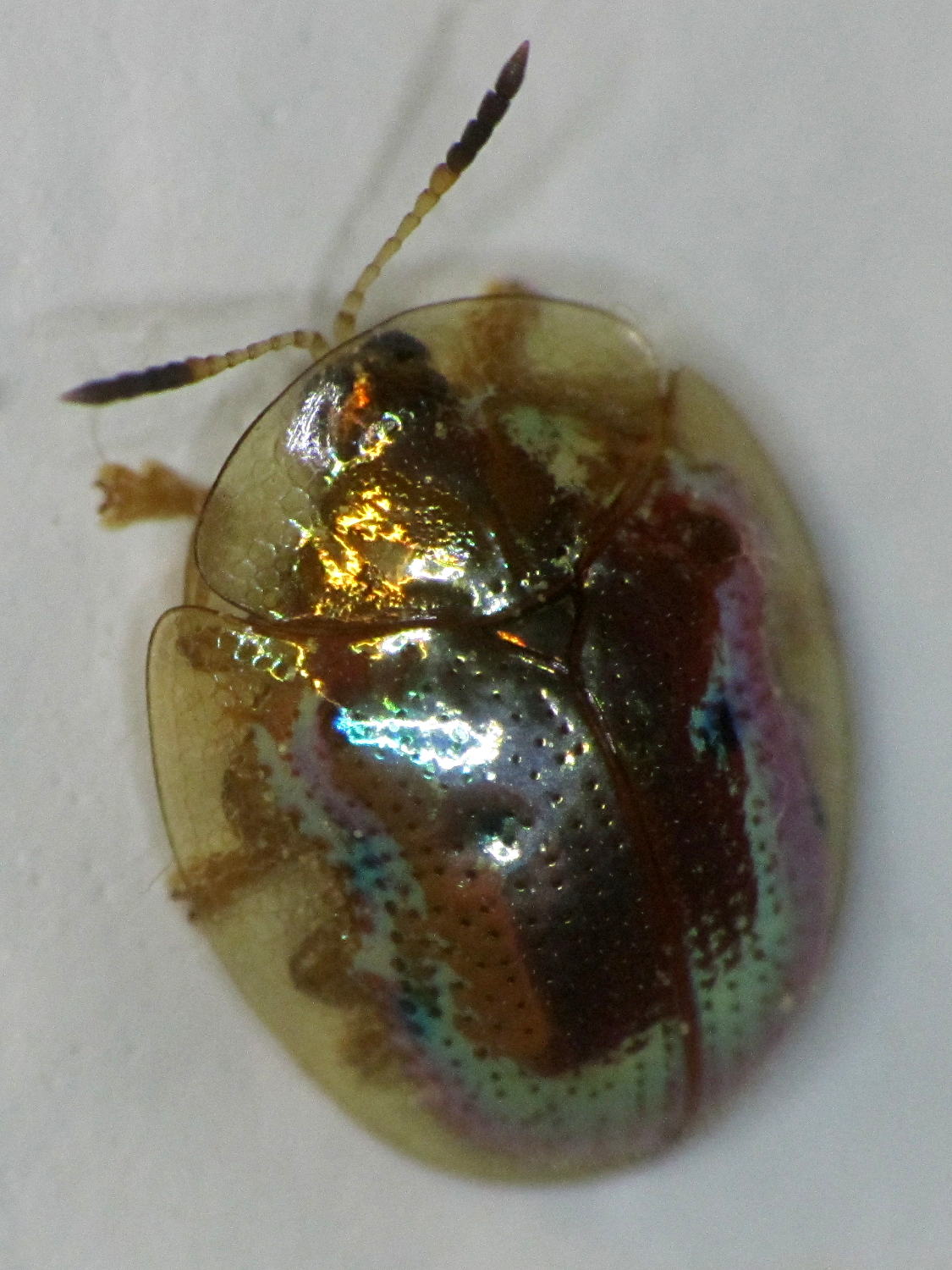
Despite the silvery shine under LED lighting, it was a Golden Tortoise Beetle:
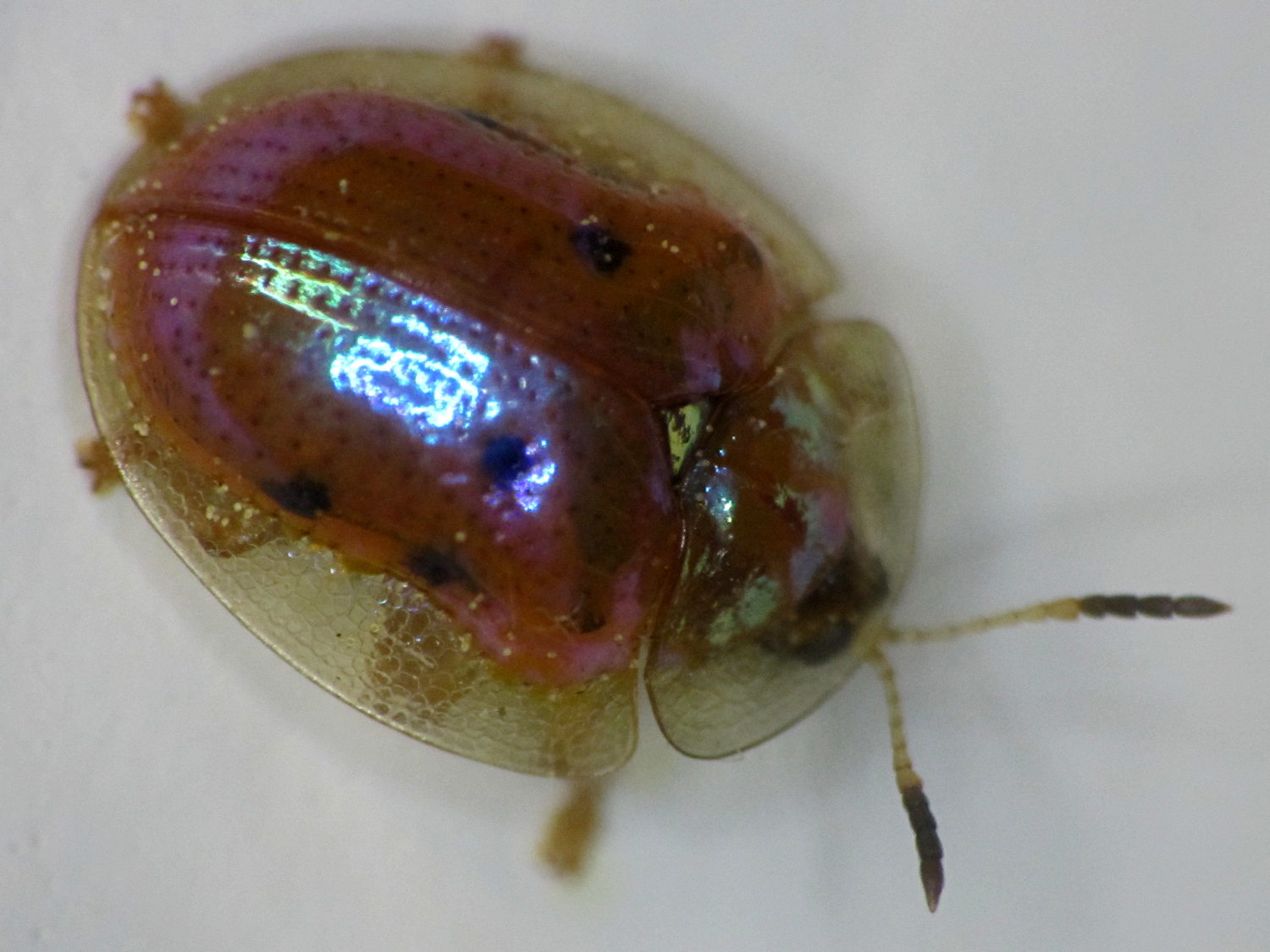
The iridescence shows up better with a bit of underexposure:
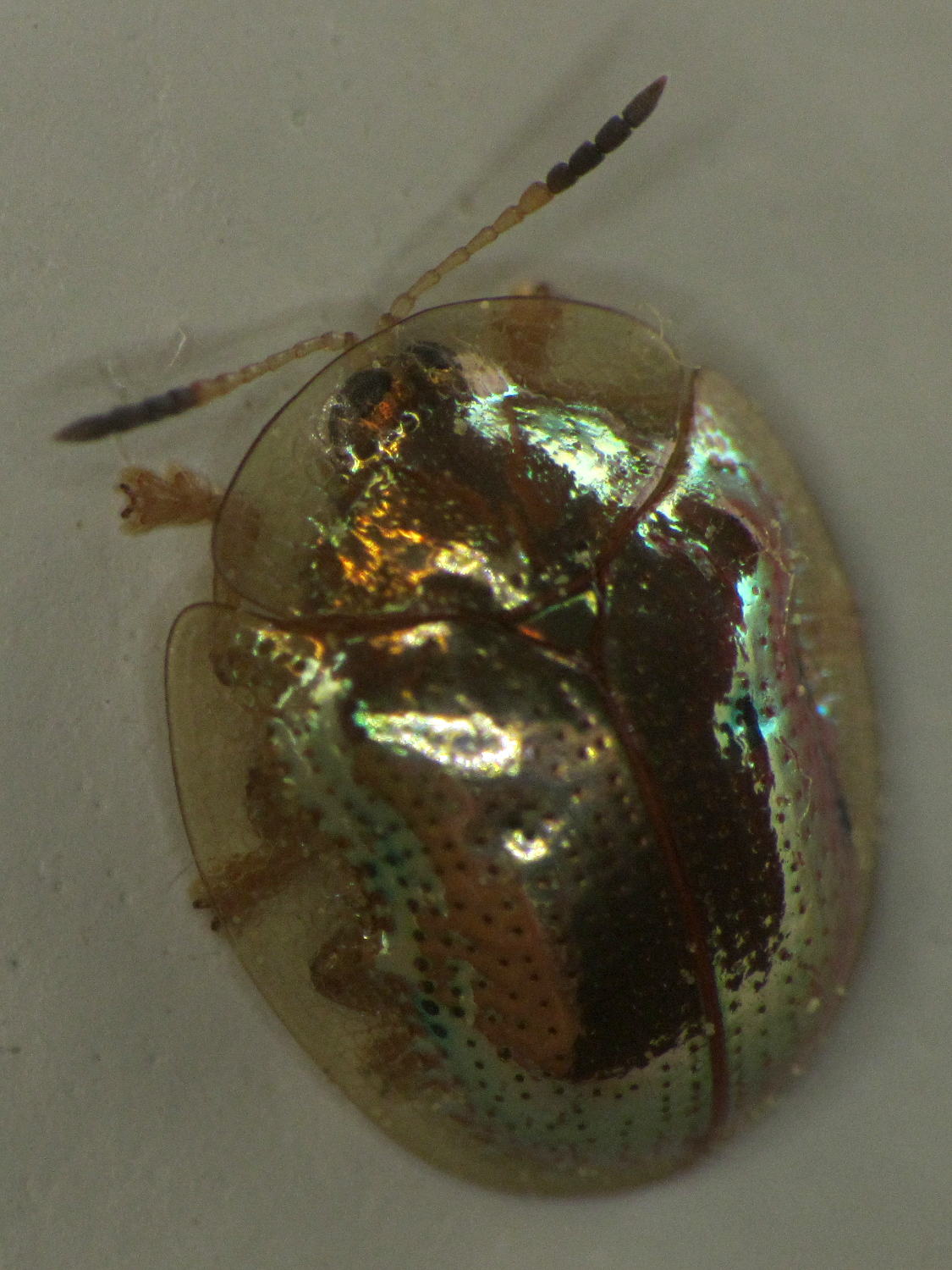
Transparent armor: who’d’a thunk it?
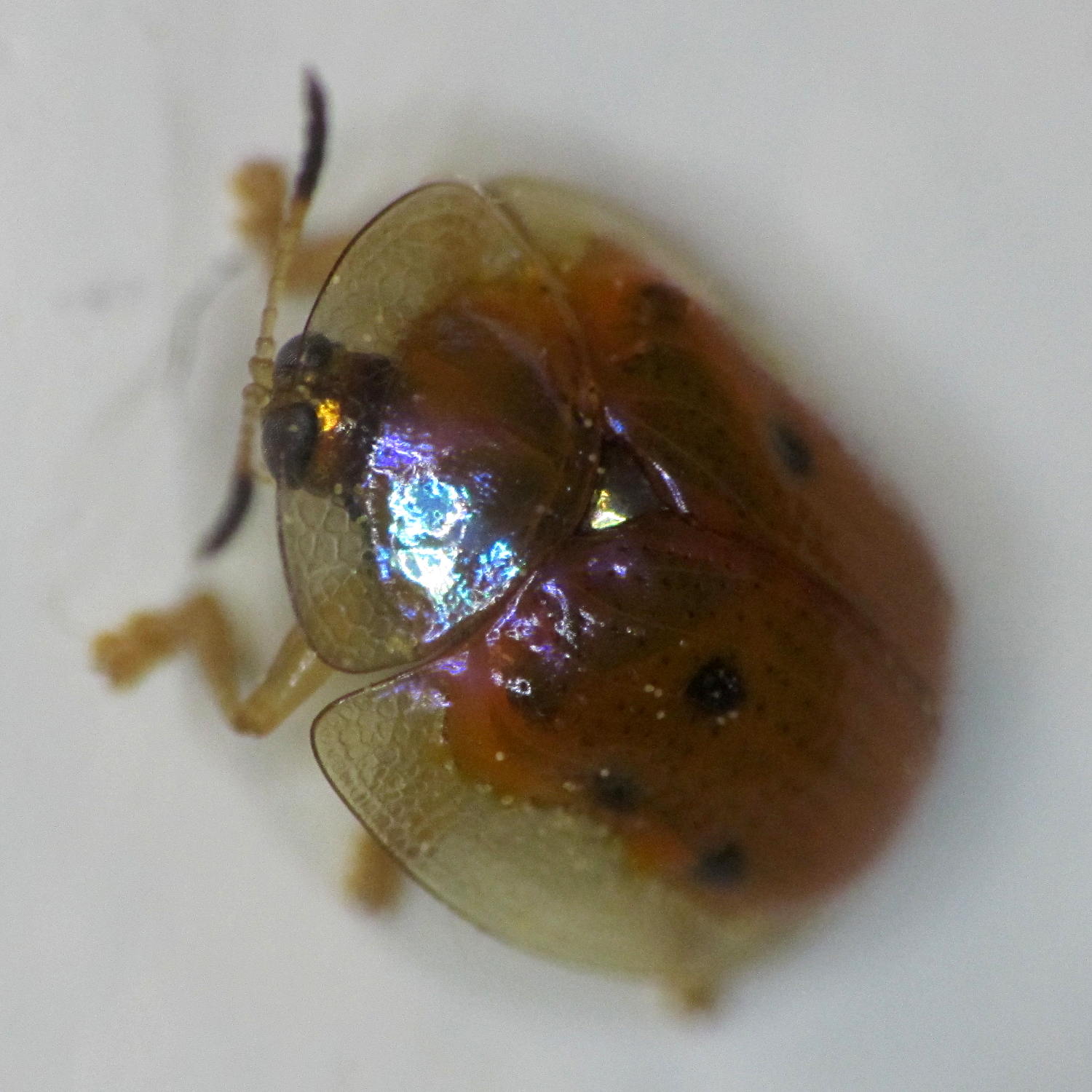
Mary spotted one in the garden some years ago; I’ve never seen such a thing.
The rail trail recently sprouted white mile markers:

This one stood out:

Not being a marathoner, I had the vague notion a marathon should be an even number of kilometers, because it’s not an even number of miles, but nooooo it’s just an arbitrary distance everybody agreed would be about right for a good long run.
During the rest of the ride, I worked out that 1 micro mile = 5+ milli foot = 60+ milli inch, so the rightmost significant figure in that marker represents increments of, oh, a smidge under ¾ inch. Middle of the hash line marks the spot, perhaps?
I’ve seen similar markers along other courses, with varying numbers of ahem significant figures, and will not say how long it took me to recognize what it represented.
NYS DOT ground the asphalt surface and repaved Rt 376, dramatically improving the southern route to the rail trail along Maloney Drive.
Alas, the Japanese Knotweed continues to flourish:
I sent a note to their email contact and got the usual autoresponder message, but may have a side channel through the Dutchess County Planning Department to their Bicycle Coordinator. We shall see.
Mary spotted this critter atop the roof and, much to my surprise, it waited courteously until I deployed the camera:

It looks, walks, and acts just like a pigeon:

… but we’ve never seen one with those feather patterns & colors. It’s not in any of our books, so it may be an escaped domestic pigeon.
Those feathers require plenty of body maintenance:
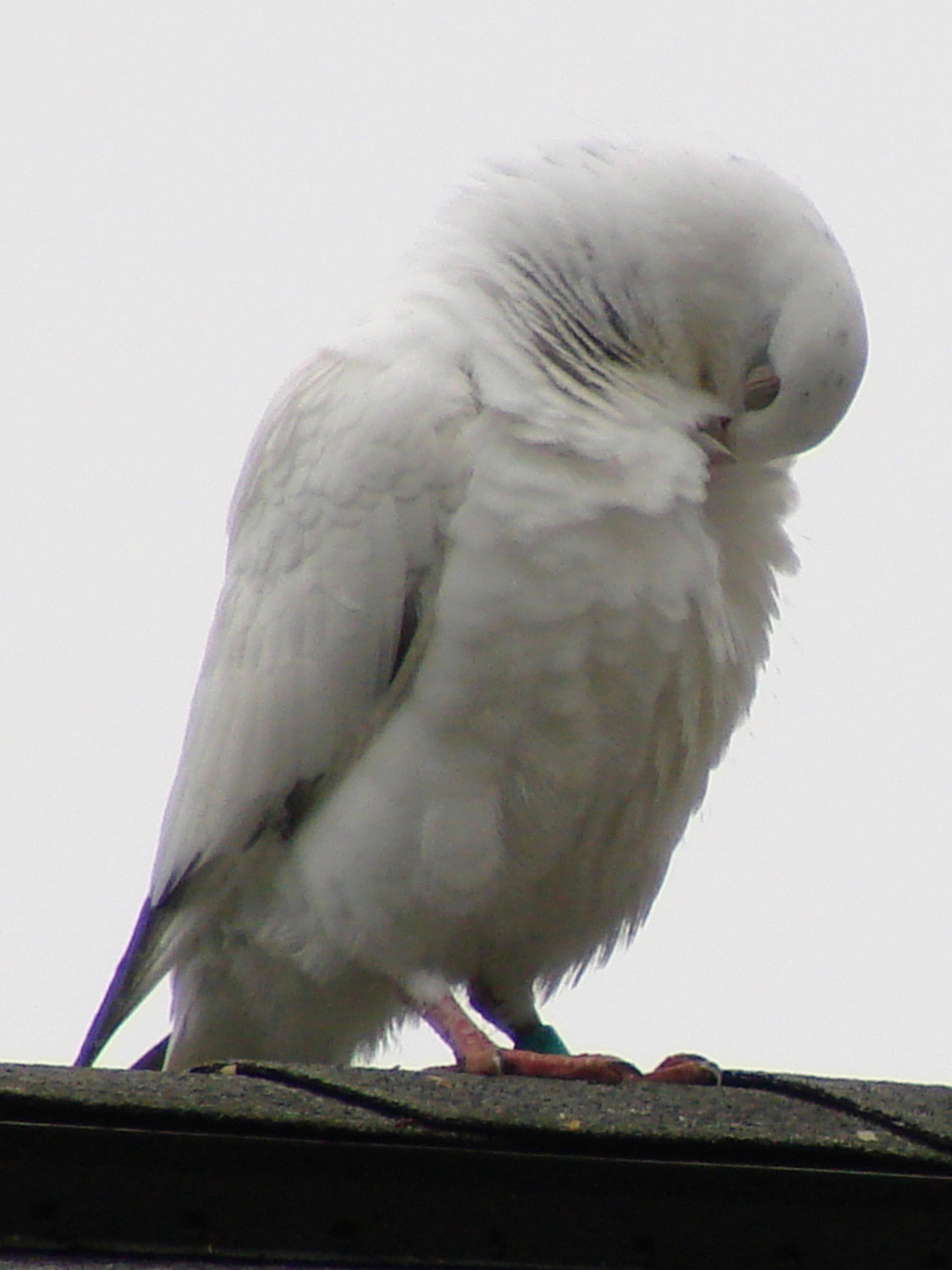
As nearly as we can tell, it’s wearing a green leg band with three digits that might be 904:

If this was your bird, it flew through Red Oaks Mill NY just after noon on 1 May 2017 …
For unknown reasons, a recent VLC update caused it to ignore uppercase file extensions: MP4 and AVI files no longer appear in its directory listings, while mp4 and avi files do. The least-awful solution involved renaming the files after copying them:
find /mnt/video -name \*AVI -print0 | xargs -0 rename -v -f 's/AVI/avi/'
find /mnt/video -name \*MP4 -print0 | xargs -0 rename -v -f 's/MP4/mp4/'
find /mnt/video -name \*THM -print0 | xargs -0 rename -v -f 's/THM/thm/'
Yup, that scans the whole drive every time, which takes care of stray files, manual tweaks, and suchlike. The THM files are useless thumbnails; I should just delete them.
While I had the hood up, I listed the remaining space on the NAS drive and cleaned up a few misfeatures. I manually delete old video files / directories as needed, usually immediately after the script crashes for lack of room.
The Sony HDR-AS30V can act as a USB memory device, but it dependably segfaults the ExFAT driver; I now transfer its MicroSD card to an adapter and jam it into the media slot on the monitor, where it works fine.
Protip: always turn the AS30V on to verify the MicroSD card has seated correctly in its socket. Unfortunately, the socket can also hold Sony’s proprietary Memory Stick Micro cards (32 GB maximum capacity = roadkill), but the dual-use / dual-direction socket isn’t a snug fit around MicroSD cards. You (well, I) can insert a card so it looks fine, while sitting slightly canted and not making proper contact. The camera will kvetch about that and it’s easier to fix with the camera in hand.
I’ve disabled USB device automounting, as I vastly prefer to handle them manually, so the script asks for permission in order to mount the drives. The transfer requires about an hour, so I’ve extended the time the sudo password remains active.
The script lets both cards transfer data simultaneously; the Fly6 generally finishes first because it produces less data. That produces a jumbled progress display and the script waits for both drives to finish before continuing.
The Bash source code as a GitHub Gist:
| #!/bin/sh | |
| thisdate=$(date –rfc-3339=date) | |
| echo Date is $thisdate | |
| date | |
| # MicroSD cards not automounted | |
| as30v=/mnt/AS30V | |
| fly6=/mnt/Fly6 | |
| sudo mount -o uid=ed /dev/sdb1 /mnt/AS30V/ | |
| sudo mount -o uid=ed /dev/sdc1 /mnt/Fly6/ | |
| # IOmega NAS defined as /mnt/video in fstab | |
| sudo mount /mnt/video | |
| mkdir /mnt/video/$thisdate | |
| rsync -ahu –progress $as30v/MP_ROOT/100ANV01/ /mnt/video/$thisdate & | |
| pid1=$! | |
| rsync -ahu –progress $fly6 /mnt/video | |
| date | |
| rc2=$? | |
| echo Fly6 RC is $rc2 | |
| echo Waiting for $as30v | |
| wait $pid1 | |
| rc=$(( $rc2 + $? )) | |
| date | |
| echo Overall RC: $rc | |
| if [ $rc -eq 0 ] ; then | |
| echo Fix capitalized extensions | |
| find /mnt/video -name \*AVI -print0 | xargs -0 rename -v -f 's/AVI/avi/' | |
| find /mnt/video -name \*MP4 -print0 | xargs -0 rename -v -f 's/MP4/mp4/' | |
| find /mnt/video -name \*THM -print0 | xargs -0 rename -v -f 's/THM/thm/' | |
| echo Space remaining on NAS drive: | |
| df -h /mnt/video | |
| echo Remove files on AS30V | |
| rm $as30v/MP_ROOT/100ANV01/* | |
| echo Unmount cards and NAS | |
| sudo umount $as30v | |
| sudo umount $fly6 | |
| sudo umount /mnt/video | |
| else | |
| echo Whoopsie: $rc | |
| fi |
A strangely equipped van-like object emerging from Vassar Farms waited entirely too long for me to ride past:
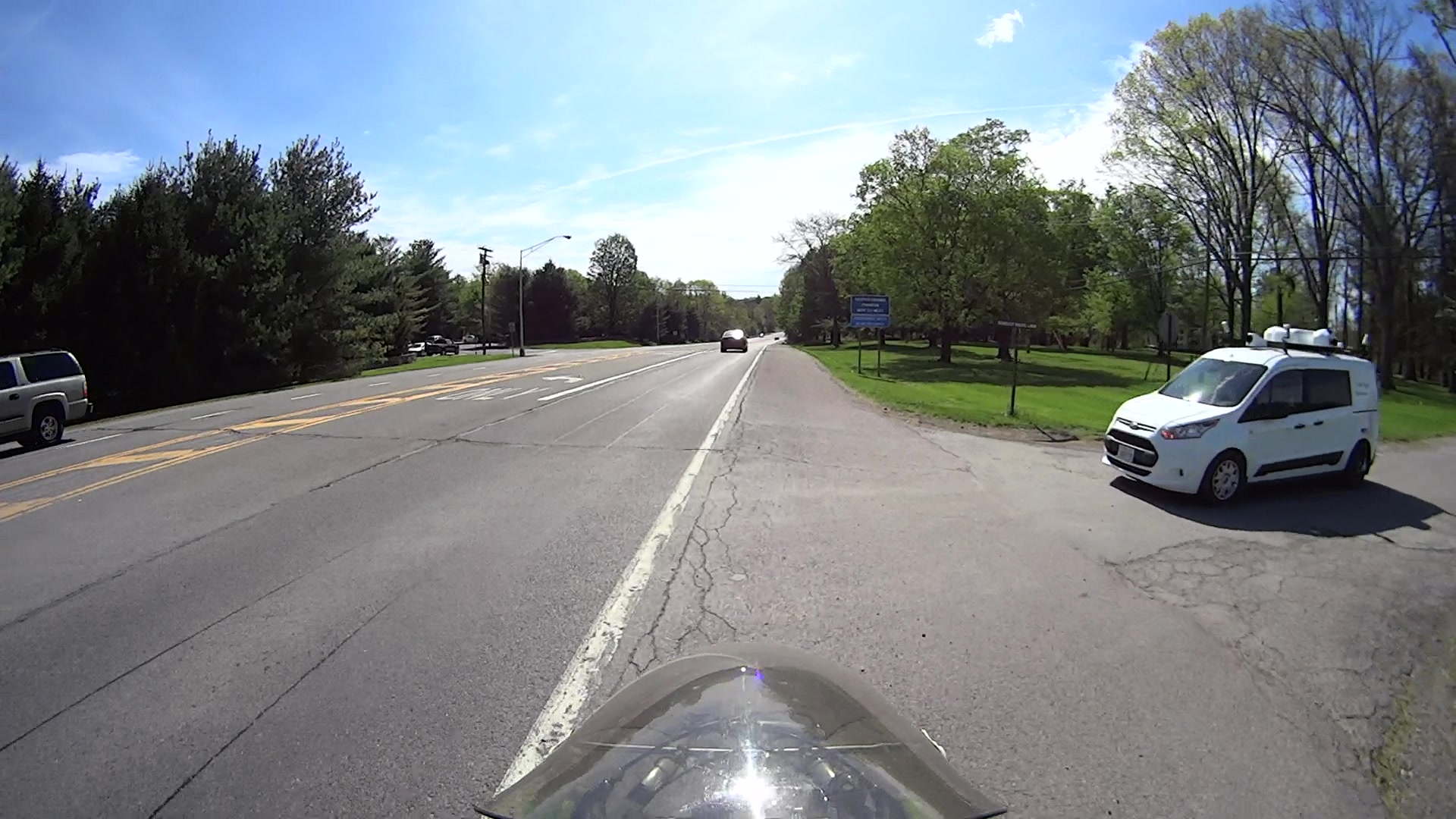
The signage on the rear quarter panel read “Apple Maps / maps.apple.com” and a search with the obvious keywords produced a much better picture from the good folks at Adafruit in NYC of what might be the very same vehicle:

The Apple Maps schedule says nothing about being in Dutchess County this month. Maybe they’re lost?
Not being an Apple kind of guy, let me know if you see me riding by …
 The Smell of Molten Projects in the Morning