Ed Nisley's Blog: Shop notes, electronics, firmware, machinery, 3D printing, laser cuttery, and curiosities. Contents: 100% human thinking, 0% AI slop.
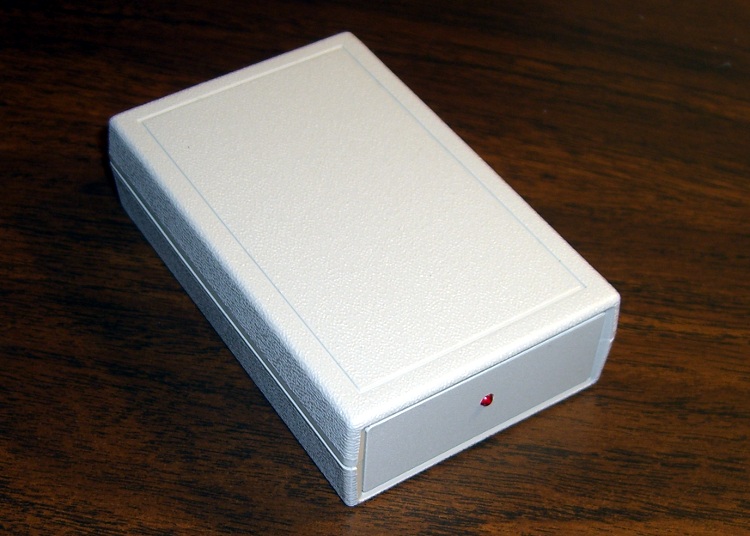
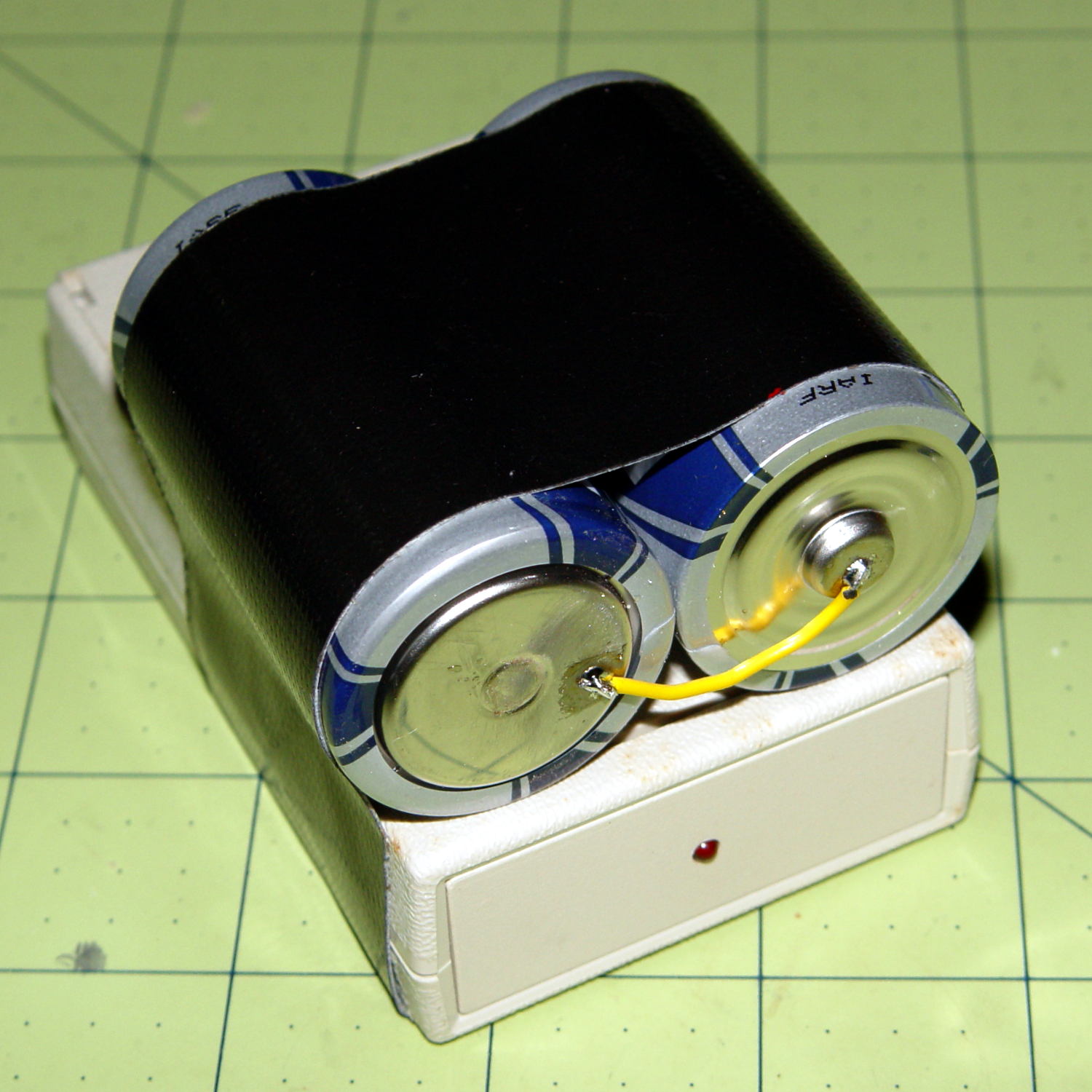
I duct-taped a pair of D cells onto the case and returned it to the bedroom shelf. According to the date scrawled on the tape, that was five years ago: 26 November 2010.
Over the last few months, the LED gradually faded from a blink to a steady glow as the battery voltage dropped below 2 V and the WWVB receiver output no longer reached the MOSFET’s threshold.
We’ll see how long these last:
Alpha Geek Clock – new batteries
Yeah, I should probably do something involving 3D printing…
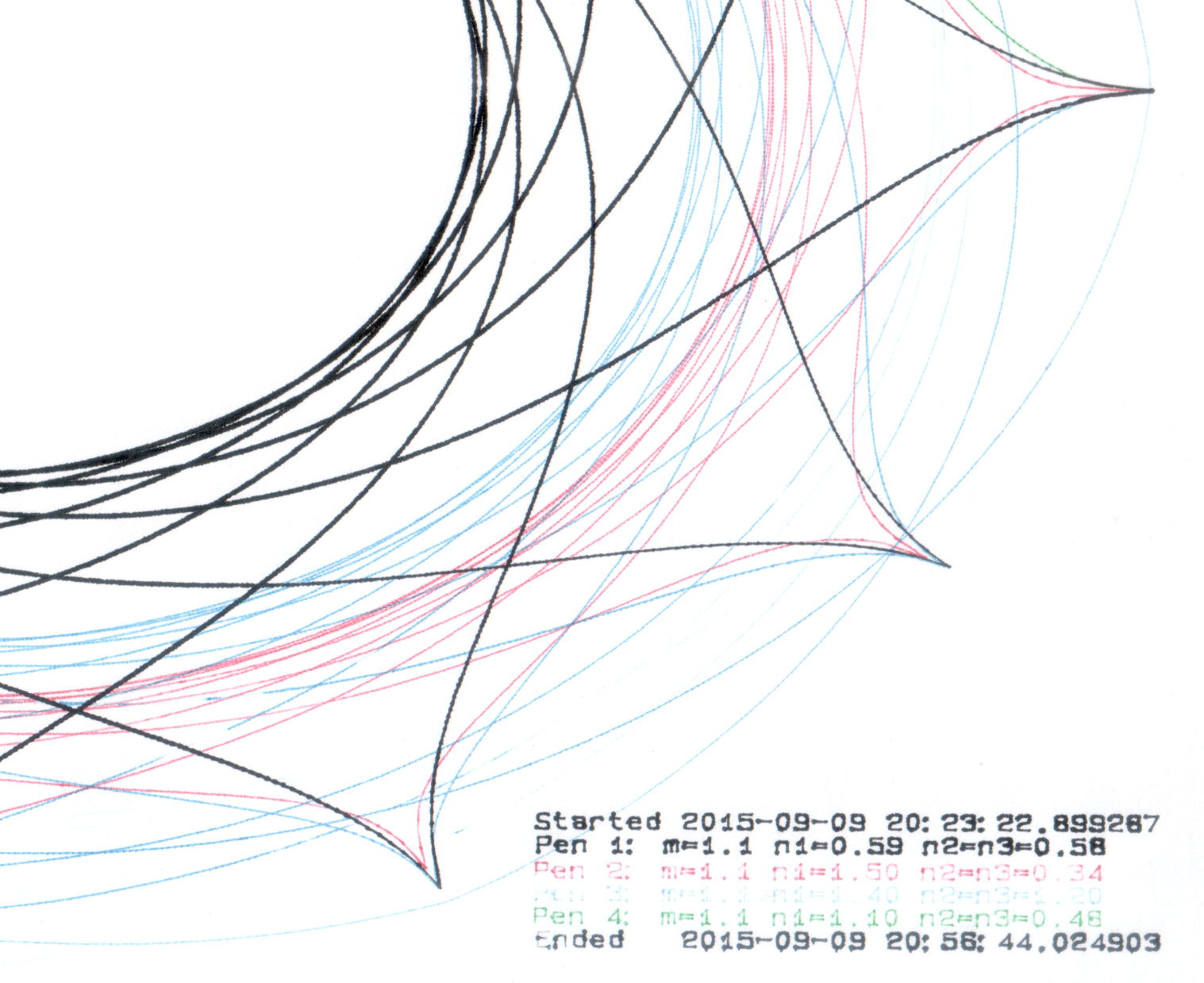
The big bag o’ new-old-stock Inmac ball-point plotter pens had five different colors, so I popped a black ceramic tip pen in Slot 0 and ran off Yet Another Superformula Demo Plot:
HP 7475A – Inmac ball pens – weak blue
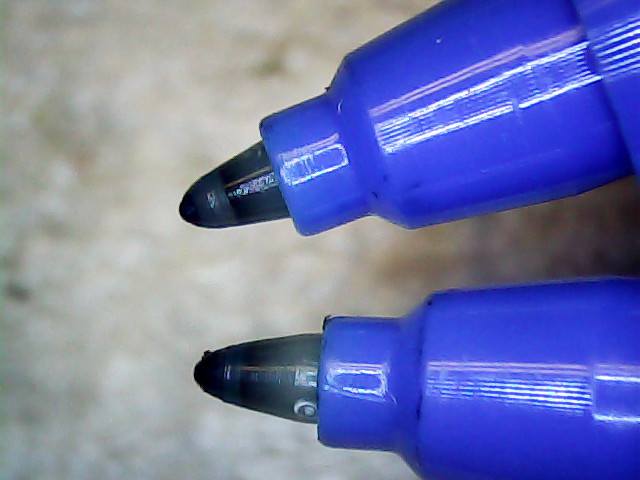
All the ball pens produce spidery lines, but the blue pen seemed intermittent. Another blue pen from the bag behaved the same way, so I pulled the tip outward and tucked a wrap of fine copper wire underneath. You can see the wire peeking out at about 5 o’clock, with the end at 3-ish:
HP 7475A – Inmac ball pen – wire spacer
The wire holds the tip slightly further away from the locating flange and, presumably, makes it press slightly harder against the paper:
HP 7475A – Inmac ball pen – stock vs. extended
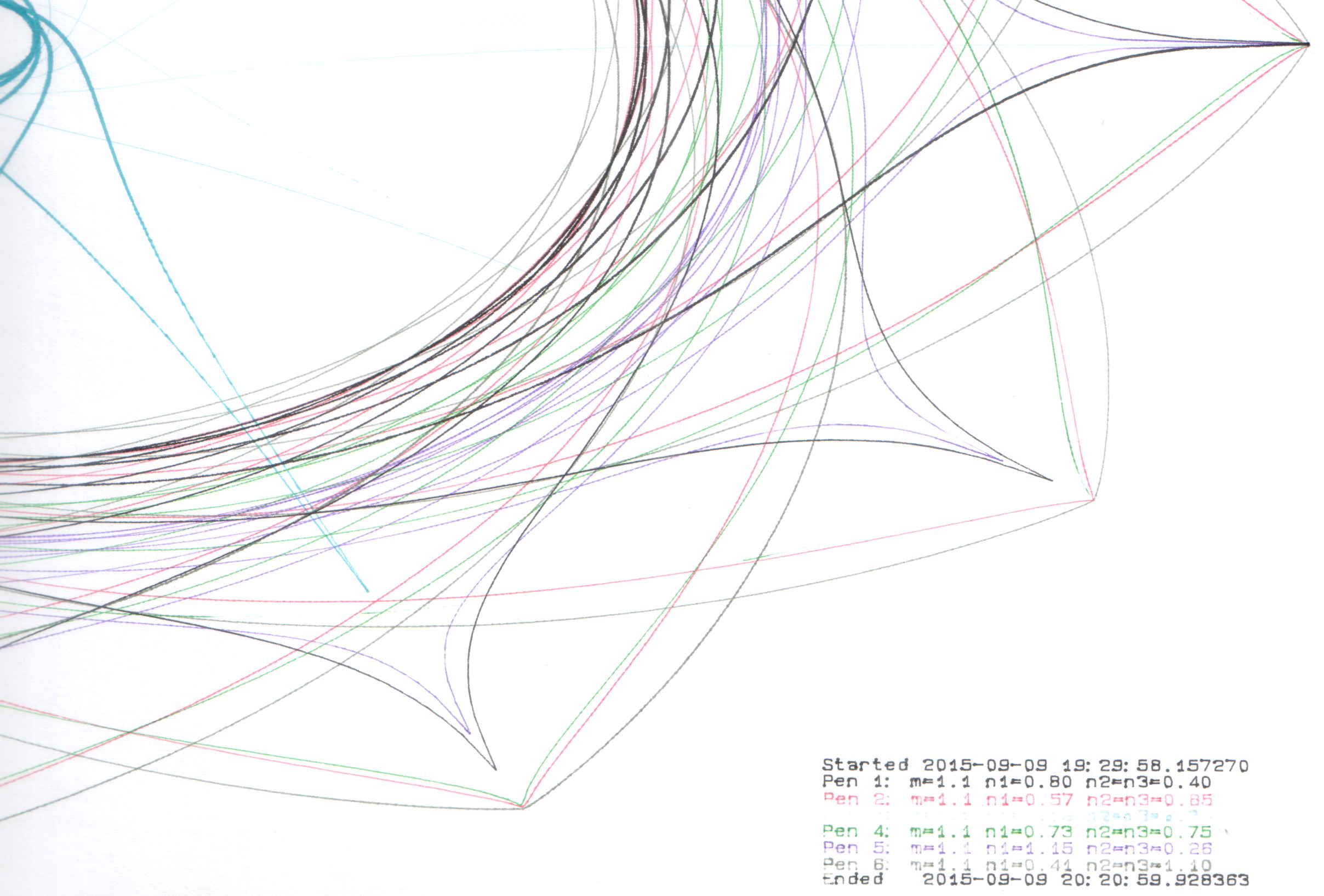
A bit more pressure helped, but not enough to make it dependable, particularly during startup on the legend characters:
HP 7475A – Inmac ball pens – extended blue
That black line comes from an ordinary fiber-tip pen that looks like a crayon on a paper towel by comparison with the hair-fine ball point lines.
Delicacy doesn’t count for much in these plots, so I’ll save the ball pens for special occasions. If, that is, I can think of any…
Being that type of guy, I measure the single-layer skirt threads to keep track of the platform alignment. Most of the time, nothing happens, because the M2 has a remarkably stable platform, but some of the objects I’d done in early August showed more than the usual variation and, worryingly, no discernible trend.
Adjusting the platform alignment between each of those sets produced no consistent effect, which is most unusual. The X in the bottom set shows where that thinwall box came unstuck from the platform, indicating that the clearance was considerably more than the nominal 0.25 mm layer height.
Peering under platform revealed something else that was quite unusual:
M3 washer – bad seating
That washer should be flat against the spider mounting plate. My first thought was a burr on the plate, but that didn’t make any sense, as the plate was clean & smooth when I installed the platform; I’d enlarged those holes with a fine file and would have checked for burrs as part of that operation.
Removing the screw nut and extracting the washer revealed the true problem:
M3 washer with burrs
It’s a bad washer!
Tossing that one in the trash and installing a good washer put everything in order:
M3 washer – proper seating
Well, that’s after re-doing the alignment to un-do the previous flailing around, of course.
As nearly as I can tell, that washer sat there without causing any trouble since I installed the hotrod platform. or, more likely, when I repaired a failed screw. In late July I poked the platform to measure how much it moved under pressure, which apparently dislodged the washer and put the burr in play.
That’s how sensitive a 3D printer is to mechanical problems…
For reasons that aren’t relevant here, I had to reinforce some old basement stairs. Rather than drilling holes, sinking anchors, and installing screws, I just nailed painted 2×4 strips to the foundation using this Craftsman 1231.3817 Power Hammer, which is not available in a Sears / Kmart near you:
Sears Craftsman Power Hammer
It’s a handheld gun that drives two inches of hardened steel nail into solid concrete by firing what looks like an overstuffed 0.22 Short blank cartridge: load a nail, fit a cartridge, press the muzzle firmly against the target, and whack the butt end with a hammer.
Worked like a champ. Scary as you’d imagine.
If the nail stands proud of the surface, you can hit it again with a low(er) power load to drive it the rest of the way. Sometimes that sinks it below the surface, leaving a cylindrical pit. In the situations where I use this thing, nobody will ever notice.
It’s similar to the Remington Model 476 Powder Actuated Fastening Tool (manual), which you can get from Amazon and surely other vendors; fancier versions also exist. Equally surely, they’re illegal in some jurisdictions.
I have reason to use it every few decades, which is entirely enough for me…
Wear goggles, earplugs, gloves, and don’t get stupid.
You cannot register or operate any of the motorized devices from the list below on any street, highway, parking lot, sidewalk or other area in New York State that allows public motor vehicle traffic. You may be arrested if you do.
[List of things]
Golf Cart (also referred to as Golf Car or Neighborhood Electric Vehicle) – a small motorized device with four wheels designed to carry people. You can’t register a golf cart as an ATV. Many low speed vehicles are similar in appearance to a golf cart, and can be registered and driven on New York State highways. 1
[More things]
1. For a low speed vehicle to be registered in New York
it must meet federal motor vehicle safety standard 500 (49 CFR 571.500)
its maximum performance speed must be certified by the manufacturer
it must appear on the list of approved limited use vehicles
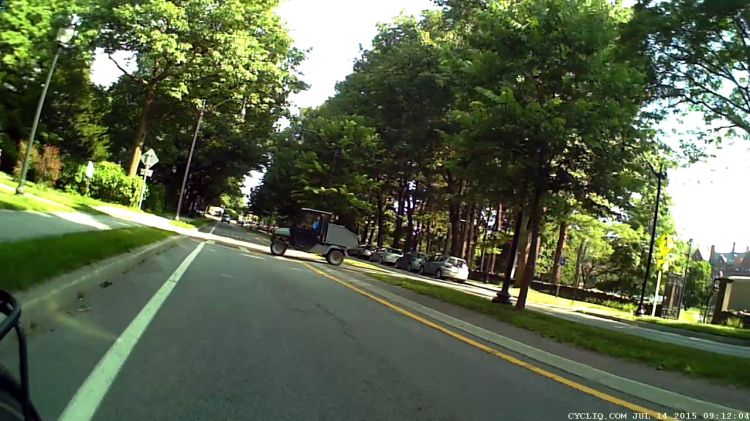
With that in mind, here’s a fairly common sight along Raymond Avenue…
Raymond Avenue 2015-07-14 – Vassar Golf Cart – approach
Raymond Avenue 2015-07-14 – Vassar Golf Cart – front
Raymond Avenue 2015-07-14 – Vassar Golf Cart – crossing
Vassar College regards as Raymond as its private driveway, with its fleet of golf-cart-class and tiny-pickup vehicles traveling the web of sidewalks and pedestrian crossings on and off campus. In point of fact, Vassar does own all of the property on both sides of Raymond from Hooker to Collegeview, but Raymond itself unquestionably has “public motor vehicle traffic”.
Vassar’s Annual Sidewalk Sodding Week occurs shortly before their graduation / alumnae homecoming ceremonies. The sidewalks and paths obviously weren’t designed for shared vehicular & pedestrian use, so the cart tires gouge unsightly ruts along the pavement edges; the sod prevents those muddy strips from marring the festivities.
The concrete sidewalks along Raymond take a beating from the vehicles, too, but the overall concrete quality (or lack thereof) may have something to do with that.
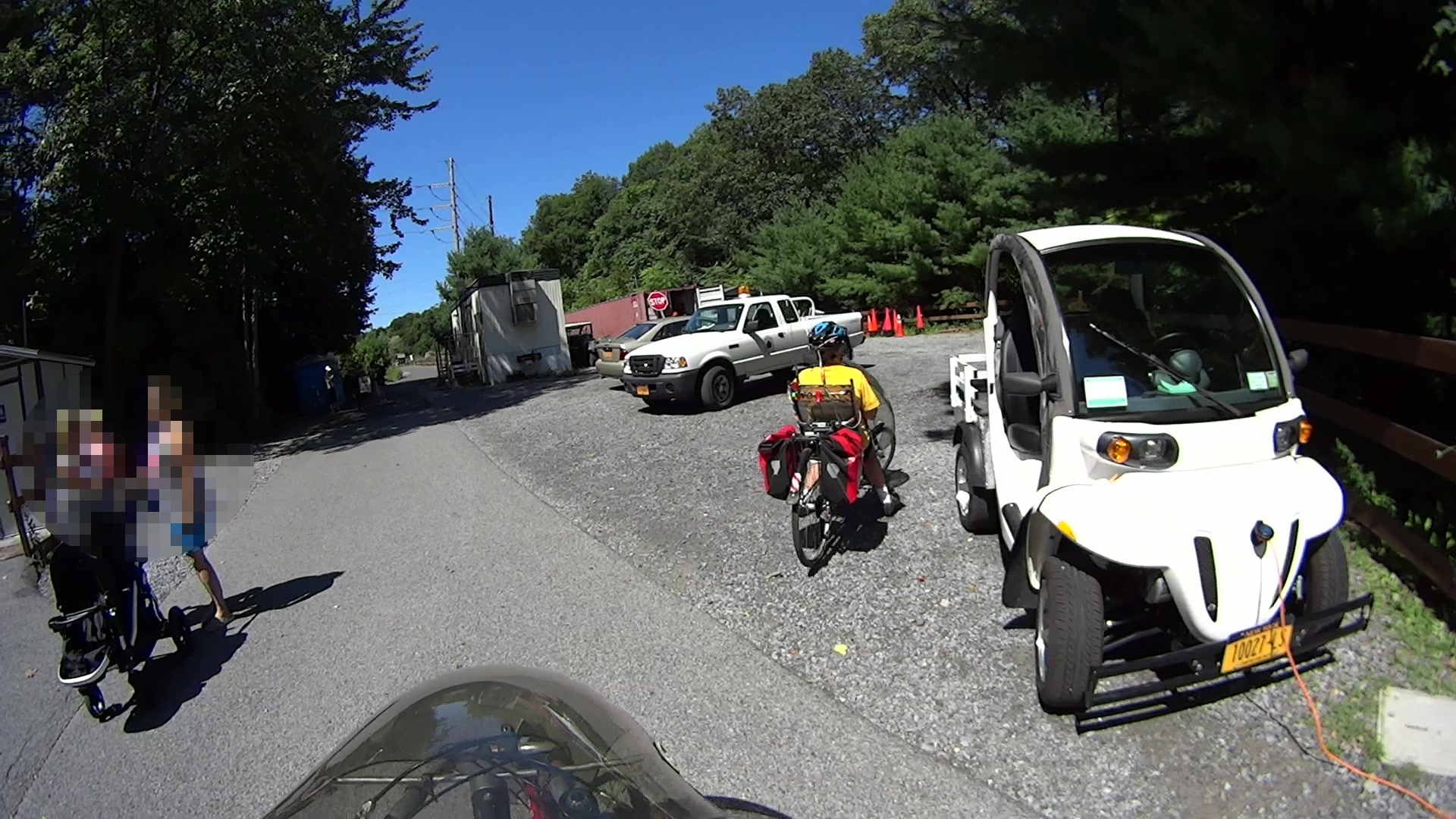
This spiffy tiny-pickup golf cart used by the NYS OPRHP sports a Limited Use Auto plate:




 The Smell of Molten Projects in the Morning