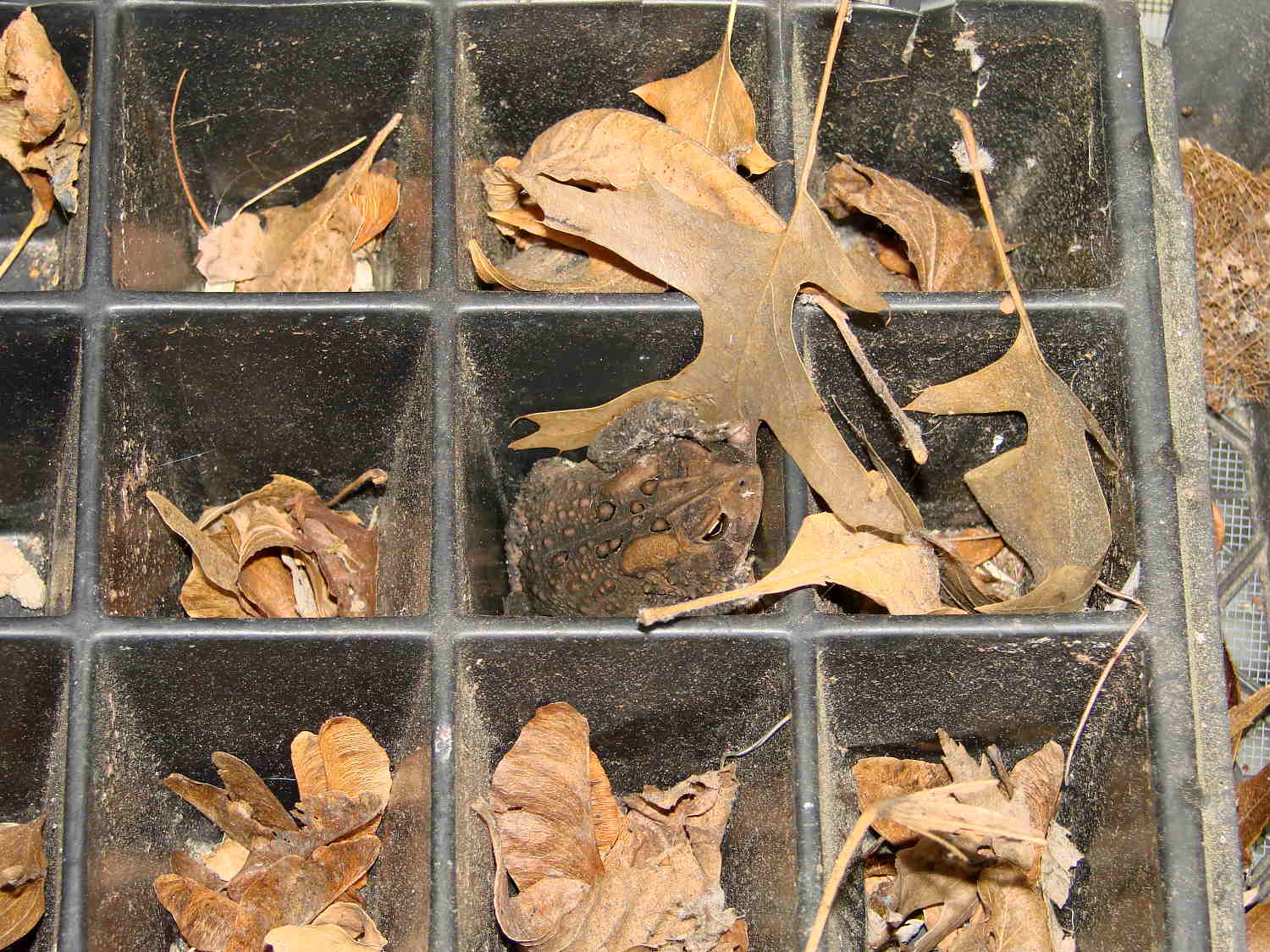
It seems toads really like the plant cell packs that Mary uses to start her garden veggies:
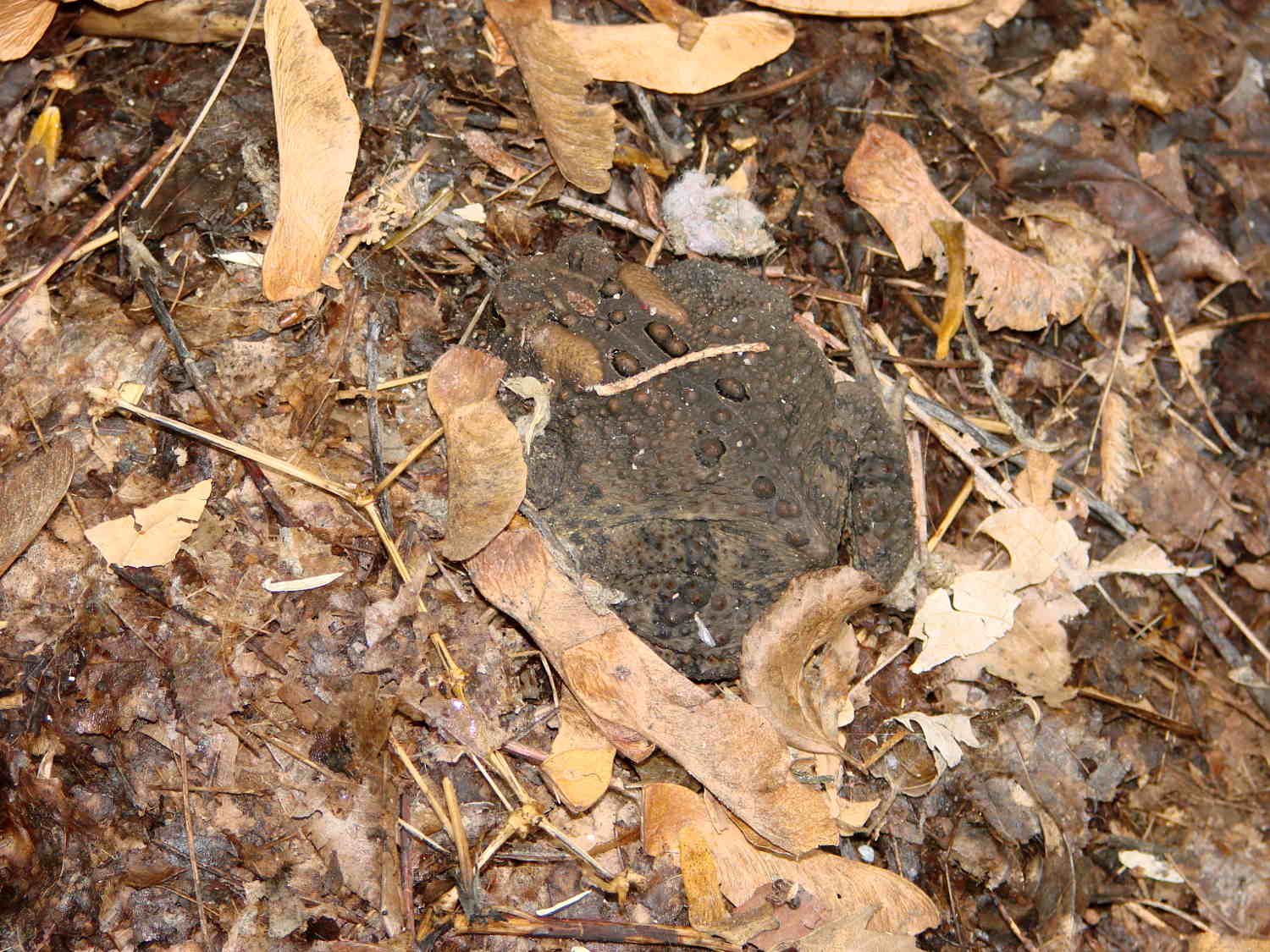
The garden isn’t quite as snug, but the camouflage works much better:
It’s been a dry year and we haven’t seen many toads or slugs around the house.
The Smell of Molten Projects in the Morning
Ed Nisley's Blog: Shop notes, electronics, firmware, machinery, 3D printing, laser cuttery, and curiosities. Contents: 100% human thinking, 0% AI slop.
Who’d’a thunk it?
It seems toads really like the plant cell packs that Mary uses to start her garden veggies:
The garden isn’t quite as snug, but the camouflage works much better:
It’s been a dry year and we haven’t seen many toads or slugs around the house.
Although we no longer see Monarch butterflies, our milkweed patch attracts Milkweed Tussock Moth caterpillars:
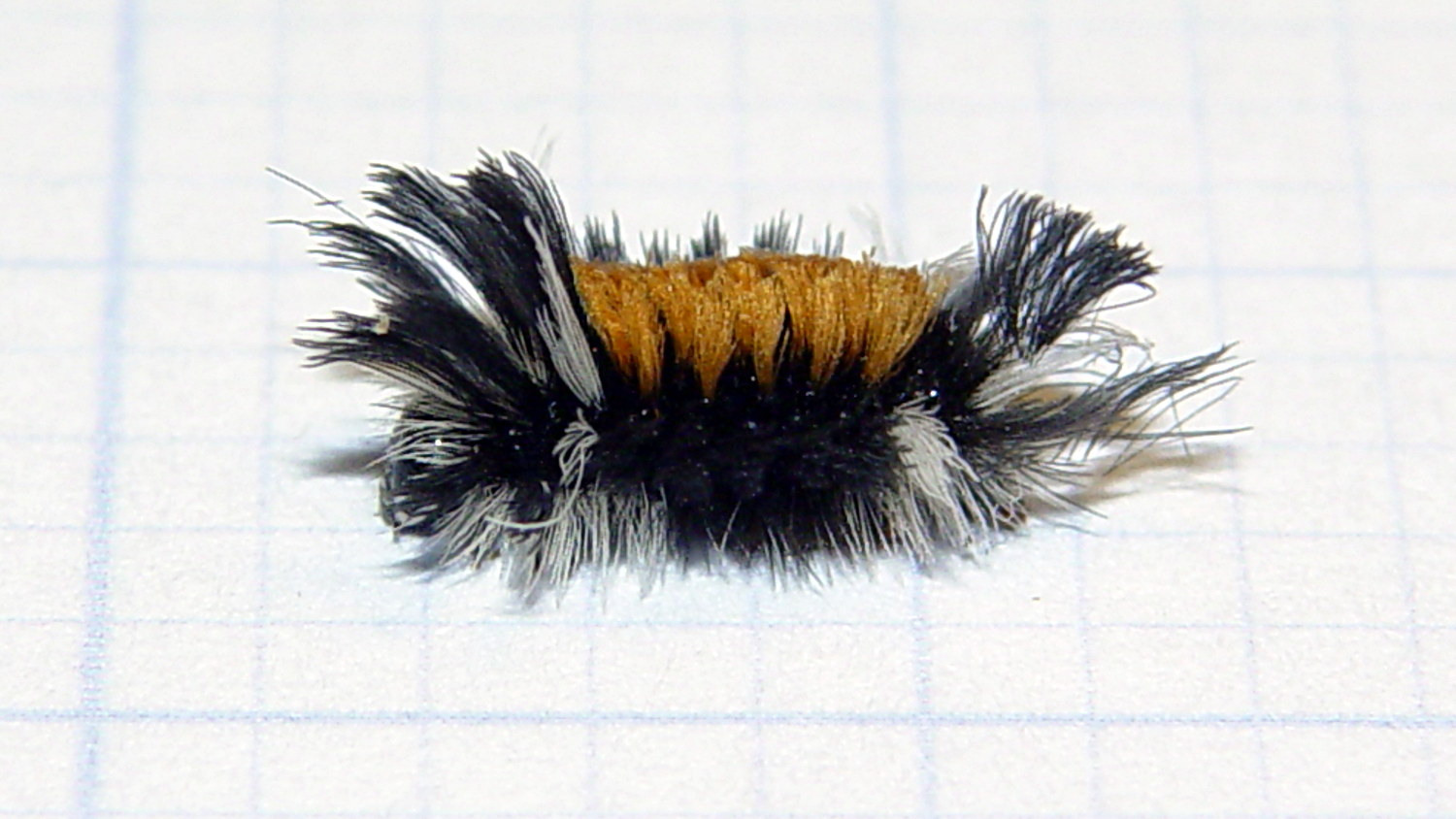
This one apparently died on the patio step, half the house away from the milkweed patch, and the rear spines (on the right) have begun falling out. During the next week, I teleported two more from that step to the patch, under the assumption they’d be happier on a tasty leaf than on a slate slab.
They were all early instars, very short and quite fuzzy. Later instars will be much longer, with more distinct tussocks.
I wonder if you could shear them and use the “fur” for decoration? It wouldn’t spin into thread like wool, but someone, somewhere, has surely performed art with Tussock Caterpillar spines…
Real Estate Agencies used to post property marker signs like this:
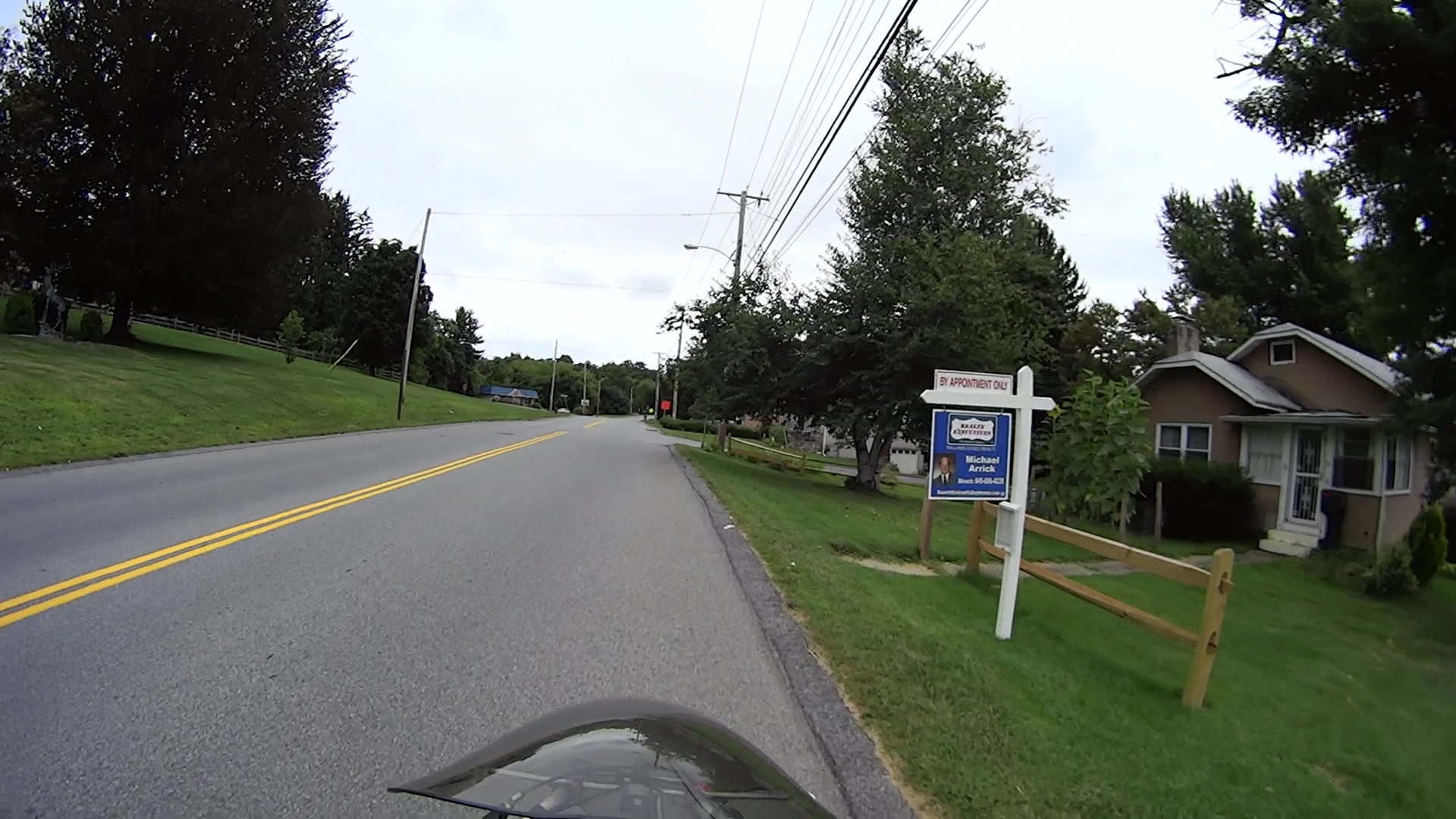
Even far off to the side, a bright background color catches your eye:
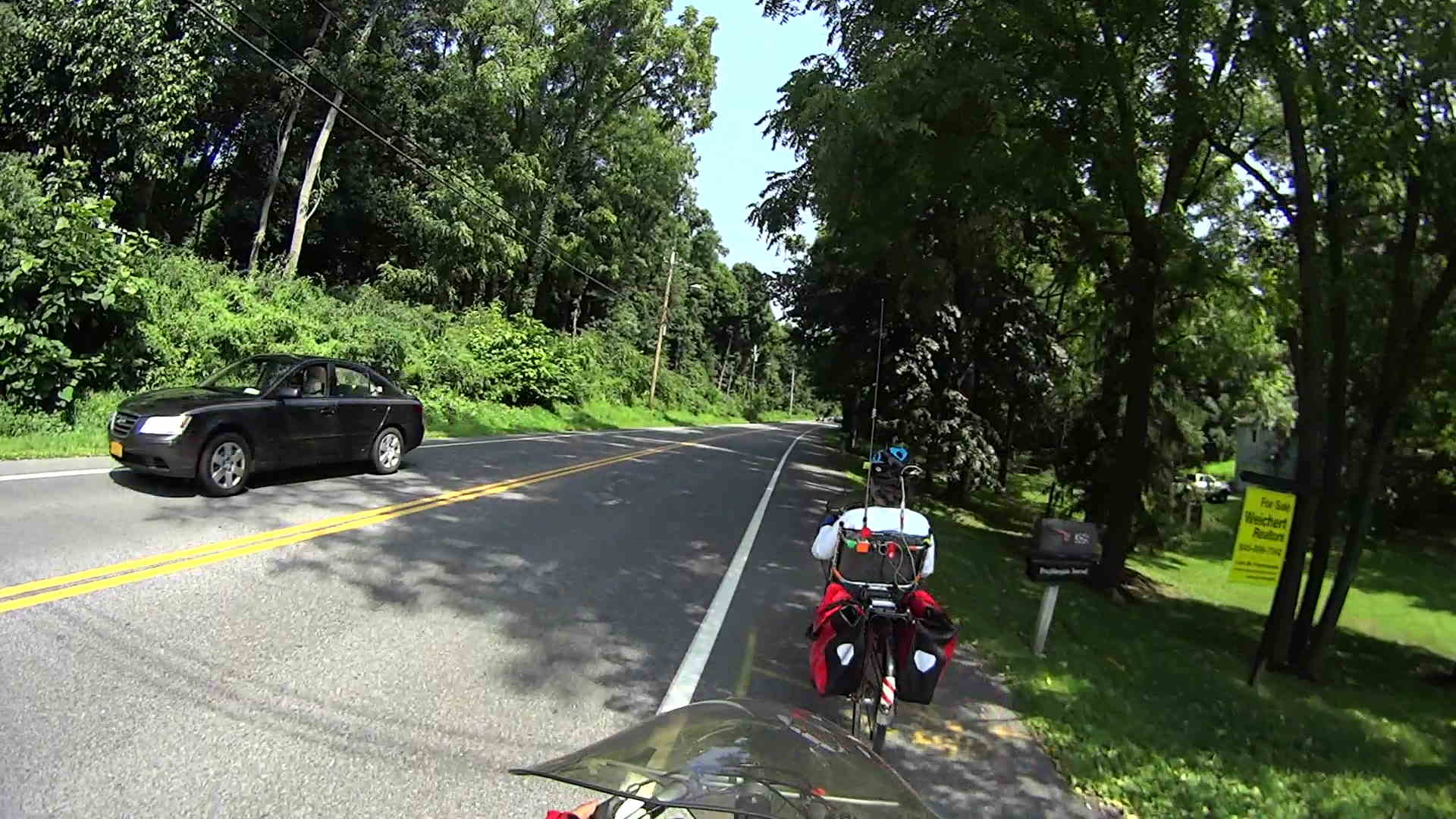
The signs sported primary colors, reasonably large type, and simple words, making them almost readable in those pictures and definitely legible from the driver’s seat. While not particularly handsome or stylin’, they got the message across: this house is for sale.
Then a strange thing happened.
Berkshire Hathaway somehow got into the real estate business and Borged several of the local agencies. BH being a Name Brand with a connotation of wealth & taste, their branding imposed a subtle touch on the new signage:
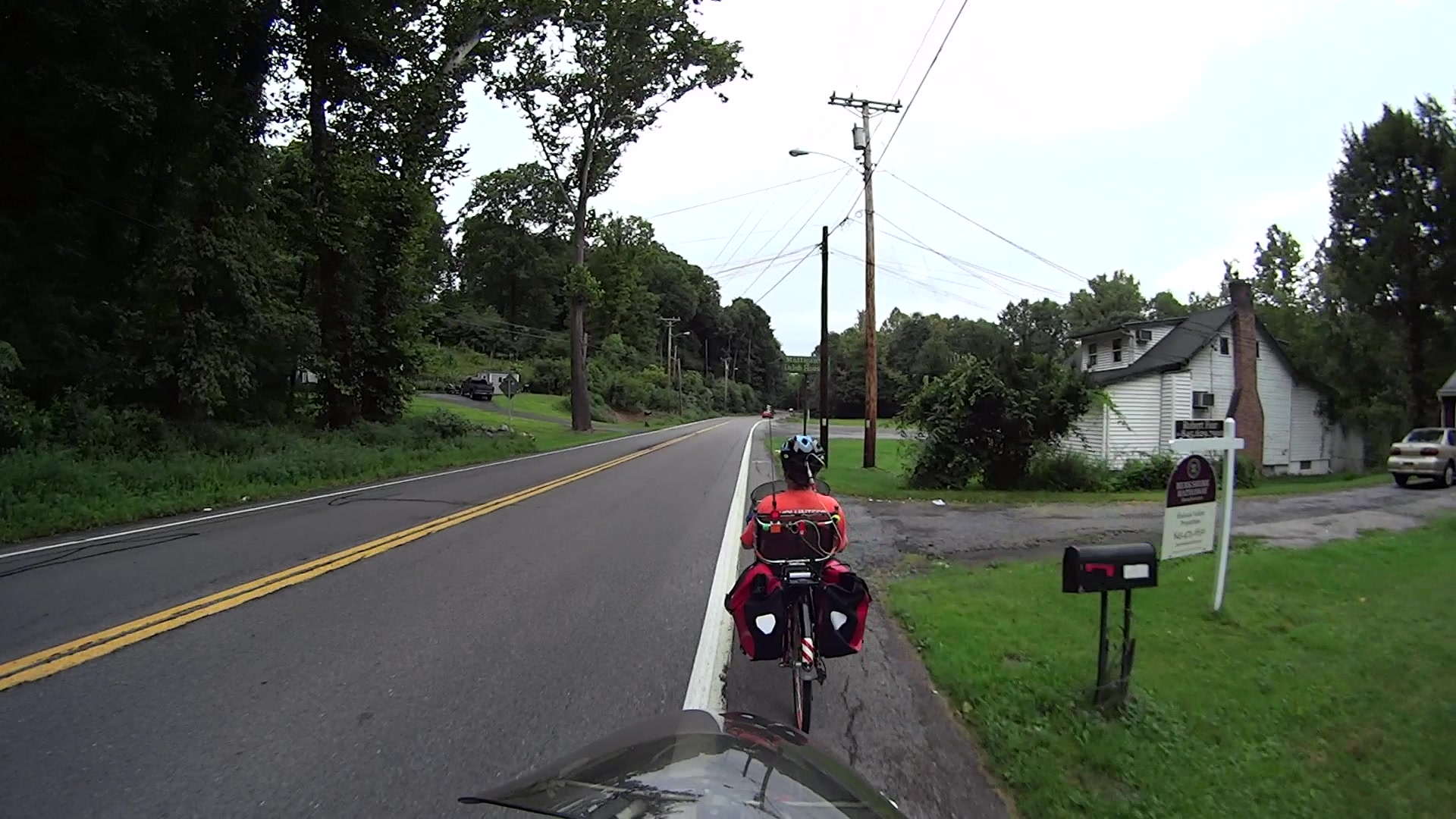
No, you can’t quite read that in real life, either, although the agent’s name and number on the header come close to the old standard.
One day, a old-school sign appeared along one of our usual routes:
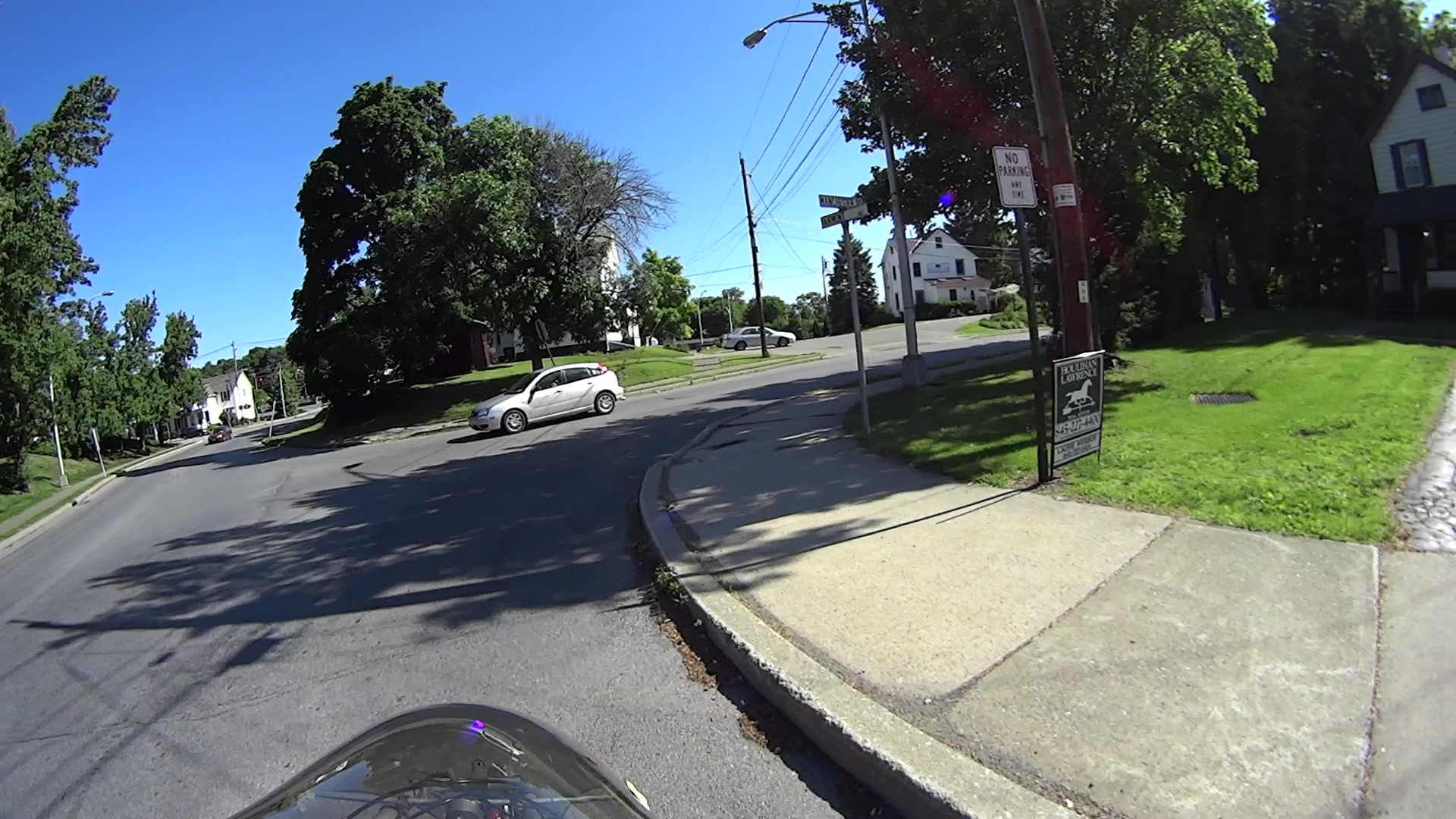
Although white and green don’t pop out of the background, the sign has enough contrast that you can read what’s needed.
Then they became affiliated with Christie’s, the Big Name in the realm of high-end auctions. I have no idea what Christie’s has to do with real estate, but if Berkshire Hathaway can do it, it seems Christie’s thinks they can do it even better.
In any event, the Christie’s Corporate Standard evidently calls for very, very subtle signage:

That sign might mark a high-end bed and breakfast, but certainly does not tell me that the place is for sale: none of the text approaches readability from the street, certainly not at normal travel speeds, and nothing about it even suggests that I should take action.
A few weeks later, two hang tags added a COMMERCIAL note (the property evidently has potential to become an office or retail space) and the agent’s name and phone number in minuscule type:

After a while, a very bright red do-it-yourself HOUSE FOR SALE placard suggested the property owner wasn’t entirely satisfied with the results to date:

The high-contrast black-on-white FOR SALE header definitely doesn’t match the rest of the sign, but its more legible information might motivate you to pause and puzzle out the rest. The red placard vanished a few days after the header appeared, leaving us with this peculiar mix:
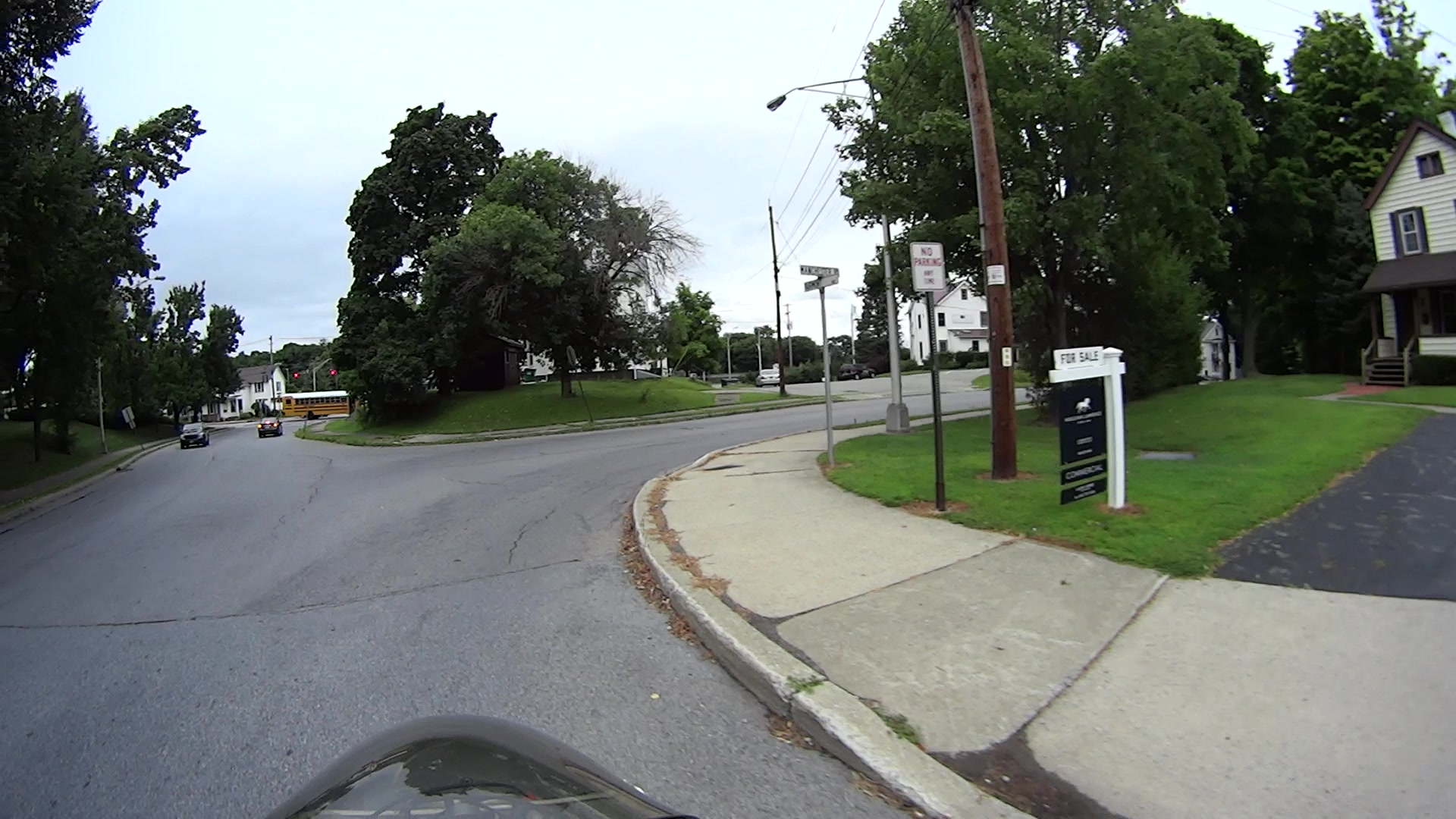
None of the (numerous) Christie’s signs in the area have a header, so this may be a case of a squeaky wheel getting greased. I won’t be surprised to see a corporate image change, including larger type, as these fancy signs weather away.
Perhaps the correct conclusion to be drawn is that, in this Internet age, nobody buys a house based on the quaint custom of driving by a house-with-sign, thinking “Hey, that’s perfect for me!”, and calling the agent, so there’s no need for anything more than a pro-forma marker identifying a property that will be selected by filters applied to MLS / Zillow databases.
The most recent change simplifies the sign to the bare minimum:

Perhaps we’ve witnessed a falling-out over typography?
This began as a test of the Sony HDR-AS30V camera’s resolution, with the obvious conclusion it wasn’t intended as a camera suitable for recording text.
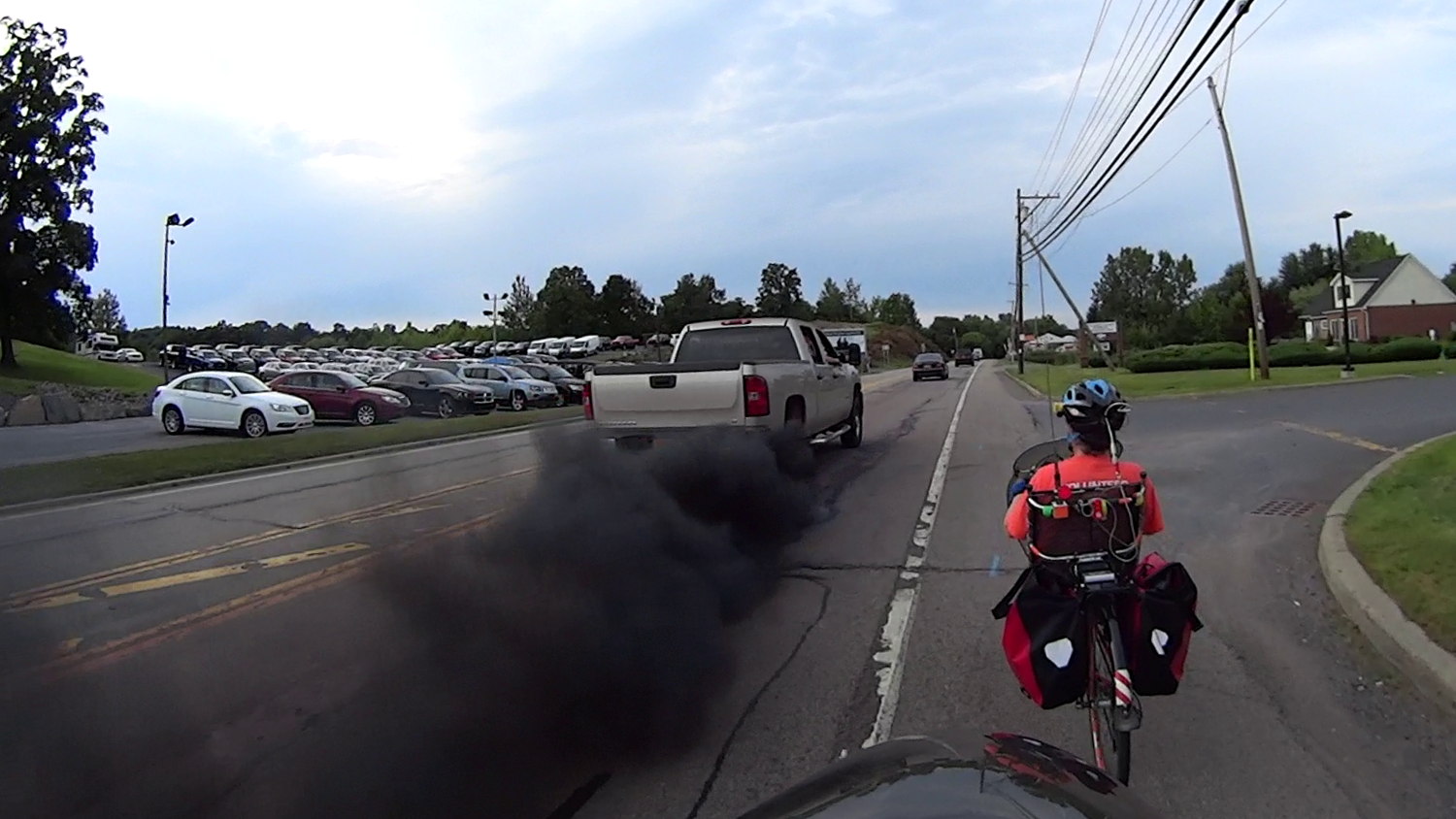
He could claim to be accelerating after a stop signal and that’s just how those big Chevy “clean diesel” engines work, even with DEF and DPF in full effect.
In point of fact, this was deliberate:
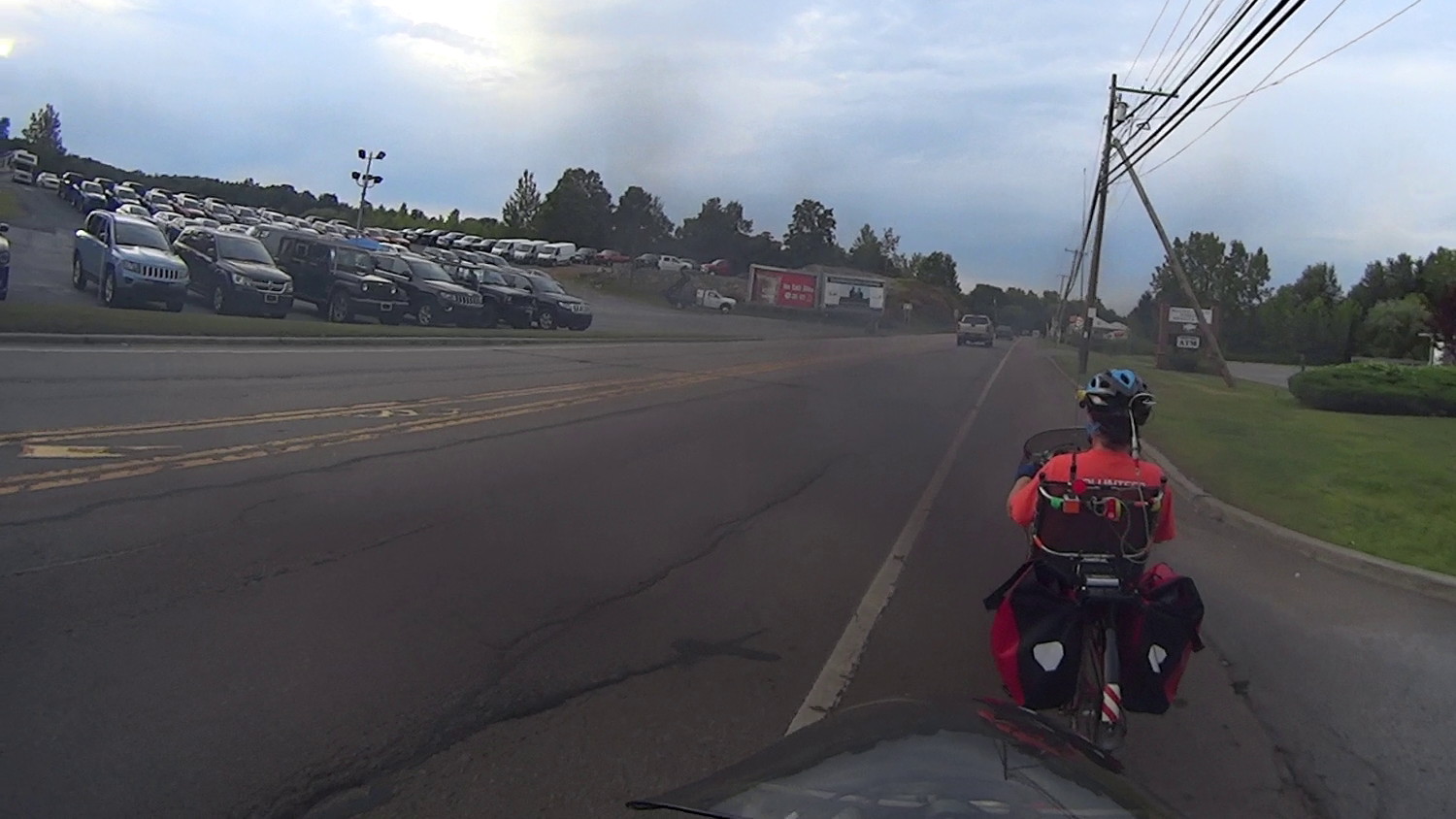
I wish no ill on any man, but, should the Fates decree that a big pickup must be found wrapped around a tree, I have a recommendation.
We were northbound on 9W, returning home after an end-of-summer party.
Seven days and 300 miles of pedal pushing:

We rode north to the start of the Cycling the Hudson Valley ride in (wait for it) Hudson, rode south while crossing the Hudson six times, then I rode north from Da Bronx while the other 100 riders proceeded south to the tip of Manhattan and the finish line in Brooklyn. Mary, alas, drove the last few days to avoid aggravating a tender tendon.
While everybody else had a touristing day in Hyde Park, we slept in our own beds for two nights.
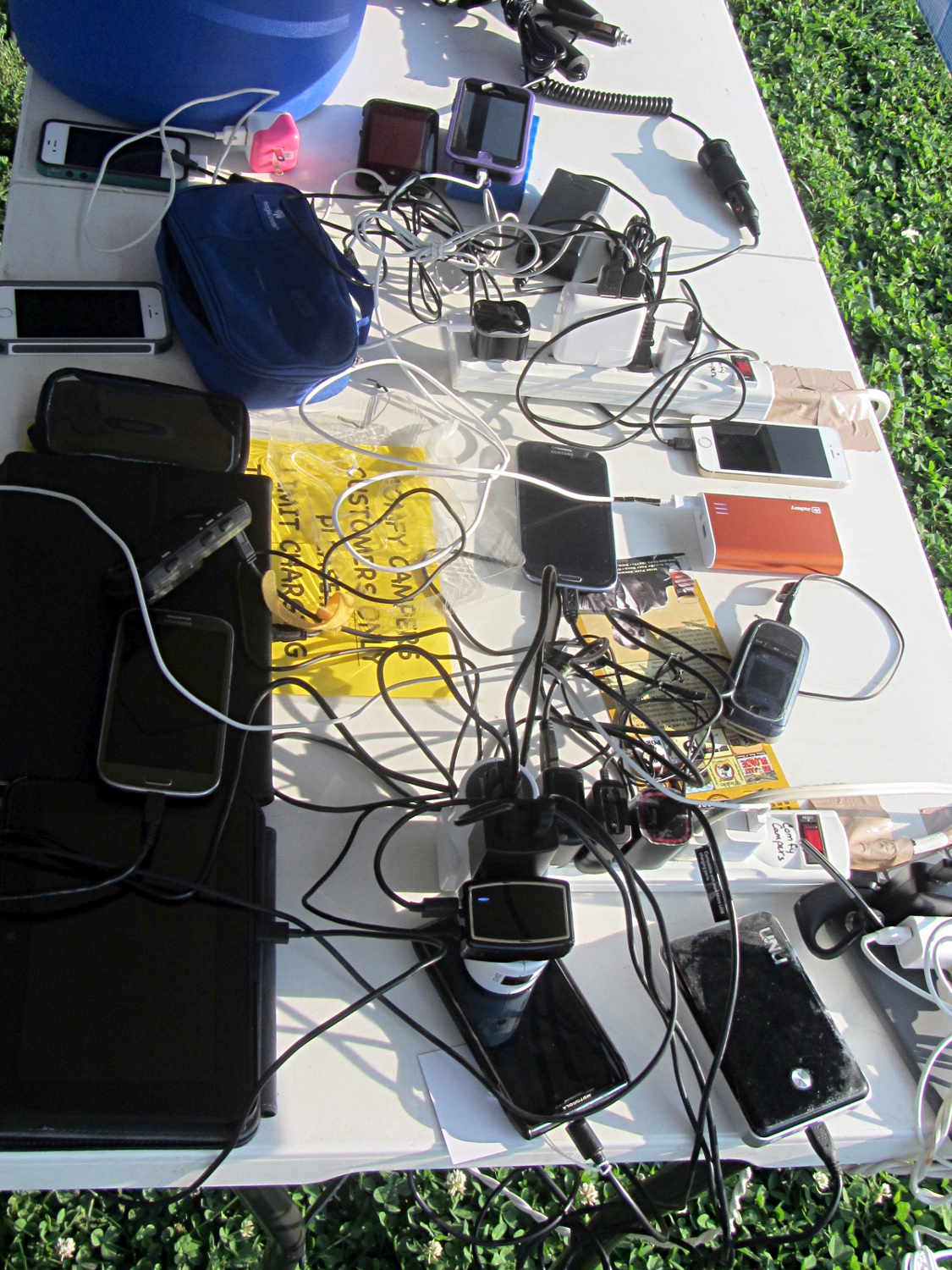
Everything you need to know about modern bicycle touring:
The straight line along the right side of the map, from just below the New Croton Reservoir to Hopewell Junction, represents data loss from riding in a valley, plus knocking the coaxial power plug out of the battery pack where the South County Trail becomes one with Rt 100 / Saw Mill River Road for a few miles.
That last day had plenty of hillclimbing, even on the rail trail, but with a rewarding section of Rt 52 that drops 500 feet in a mile; I hit 41 mph while passing under I-84.
A good time was had by all!
You can’t make this stuff up:
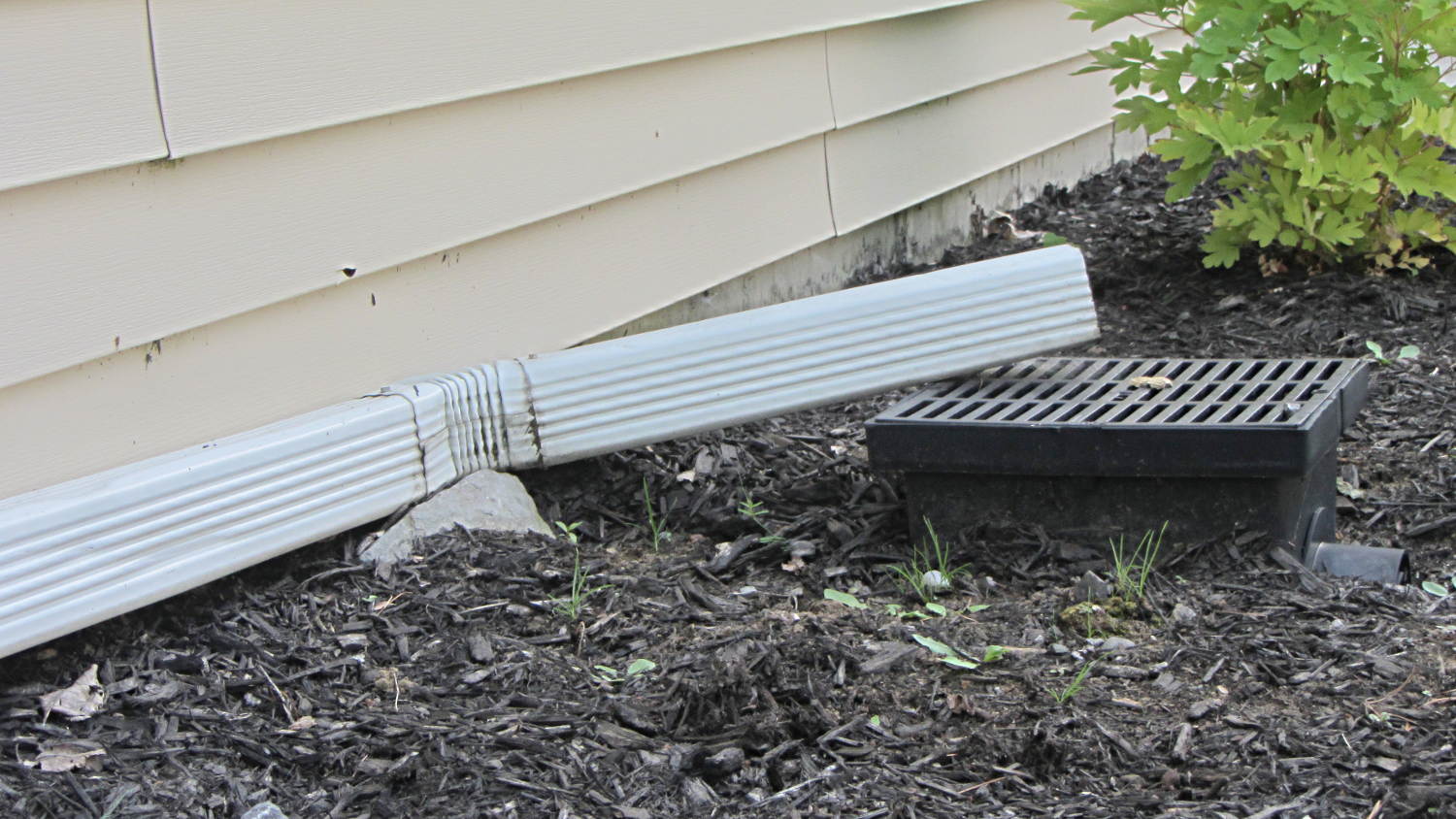
As nearly as I could tell, the vertical downspout along the edge of the building ends level with the top of the drain grate. If that convenient rock were high enough to level the last length of pipe, the elbow would be above the end of the downspout.
The architectural drawings for the apartment complex surely didn’t look like that.
I should do something like this to the Forester:

We were volunteering at the annual Locust Grove Classic Car Show, which also included a monster 1913 FIAT made in Poughkeepise.
 The Smell of Molten Projects in the Morning