Ed Nisley's Blog: Shop notes, electronics, firmware, machinery, 3D printing, laser cuttery, and curiosities. Contents: 100% human thinking, 0% AI slop.
I’m not sure how many folks will drop 1.1 large in response to that mailing, but surely it doesn’t take very many to break even. Whew!
If I’m parsing the New York Times signup page correctly, an annual daily subscription delivered here in the hinterlands will set you back a mere $691, direct from the Official Source.
Back in the day, the only way you could get there was by kayak and that just isn’t my style. Nowadays, the Bannerman Castle Trust runs weekend tour boats and that I can do.
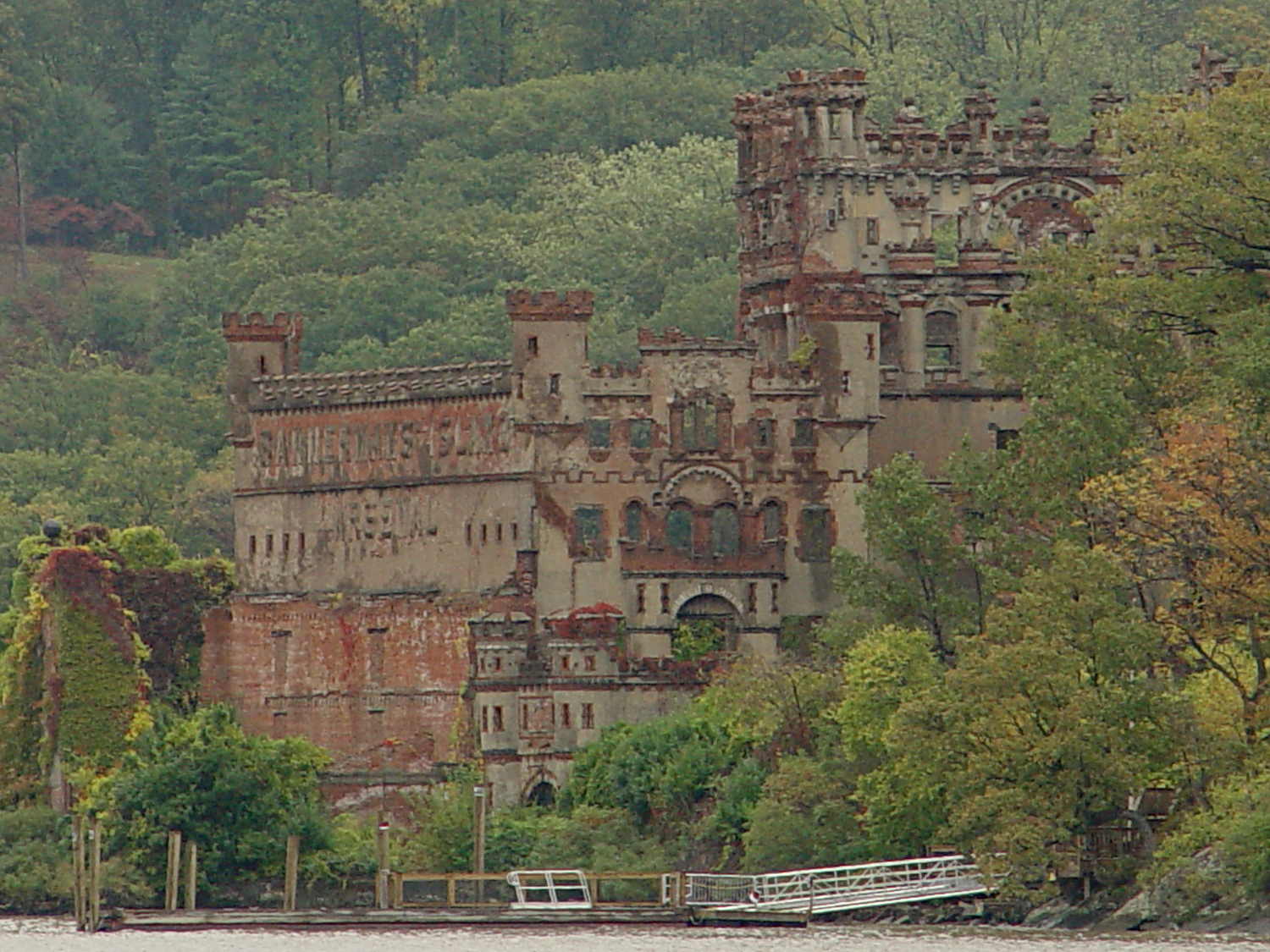
The view from the dock:
Bannermans Island Arsenal – from dock
All the pictures you’ll see of the buildings look the basically the same, because you cannot get off the tour route:
Bannermans Island – Building Collapse Zone sign
Of course, that fine might be irrelevant after they dig you out from under the rubble.
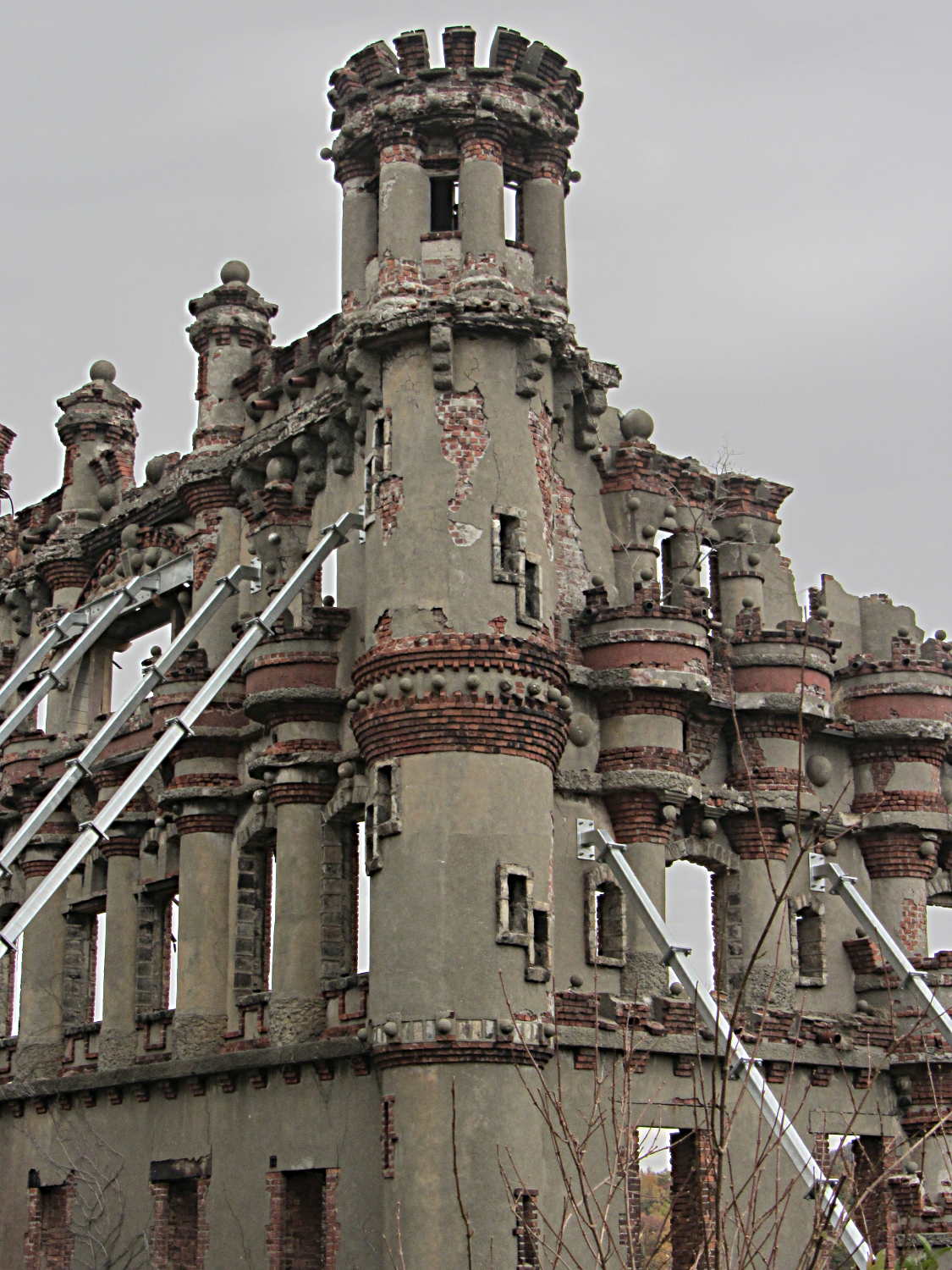
Struts hold the fragile walls in place, but it’s not long for this world:
Bannermans Island Arsenal – SW corner
You can tell that Frank Bannerman got exactly what he wanted in the way of architecture; the buildings bear an uncanny resemblance to his “make it look like this” sketches. In the normal course of a design-and-build project, somebody in the loop will suggest that, mmmm, Boss, you can’t actually build it that way. In this case, the normal course of events went along the lines of “Sir? Yes, Sir!”
Money changes everything.
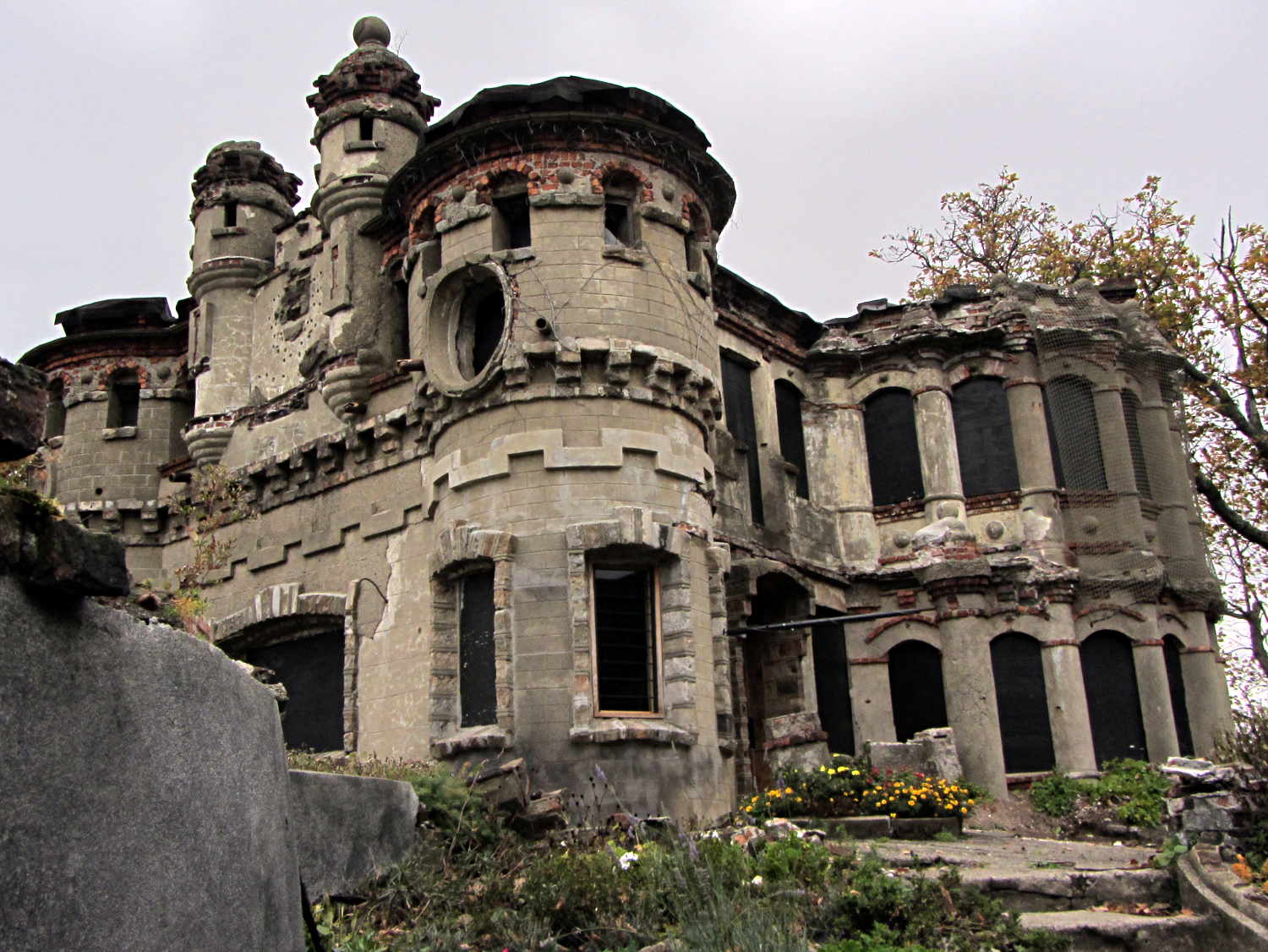
Their summer house sits dead center in the island with a commanding view of the Hudson to the south. Again, you can tell it looked just exactly like he wanted:
Bannermans Island – House
The natural state of Pollepel Island was barren rock; they hauled in all the soil when Mrs. Bannerman wanted flower gardens around the house.
That crack in the northwest tower can’t possibly be a Good Thing:
Bannermans Island Arsenal – W wall
Back in late 2005, the castle looked marginally better:
Bannermans Island Arsenal – 2005-10-22
That was from a small boat in the middle of the Hudson.
In the unlikely event you’re in the area, take the trip: it’s worthwhile just to see what one man’s obsession looks like. Wear one more layer than you think necessary, put on your lug-soled boots, and realize that nobody’s going to visit the ruins of your summer house a century from now…
The rules for disposing of latex paint around here require that it be “dried with sawdust”, whatever that means. Over the years we’ve accumulated quite a lot of latex paint, in addition to a rich stockpile that Came With The House™, and I simply don’t have that much sawdust.
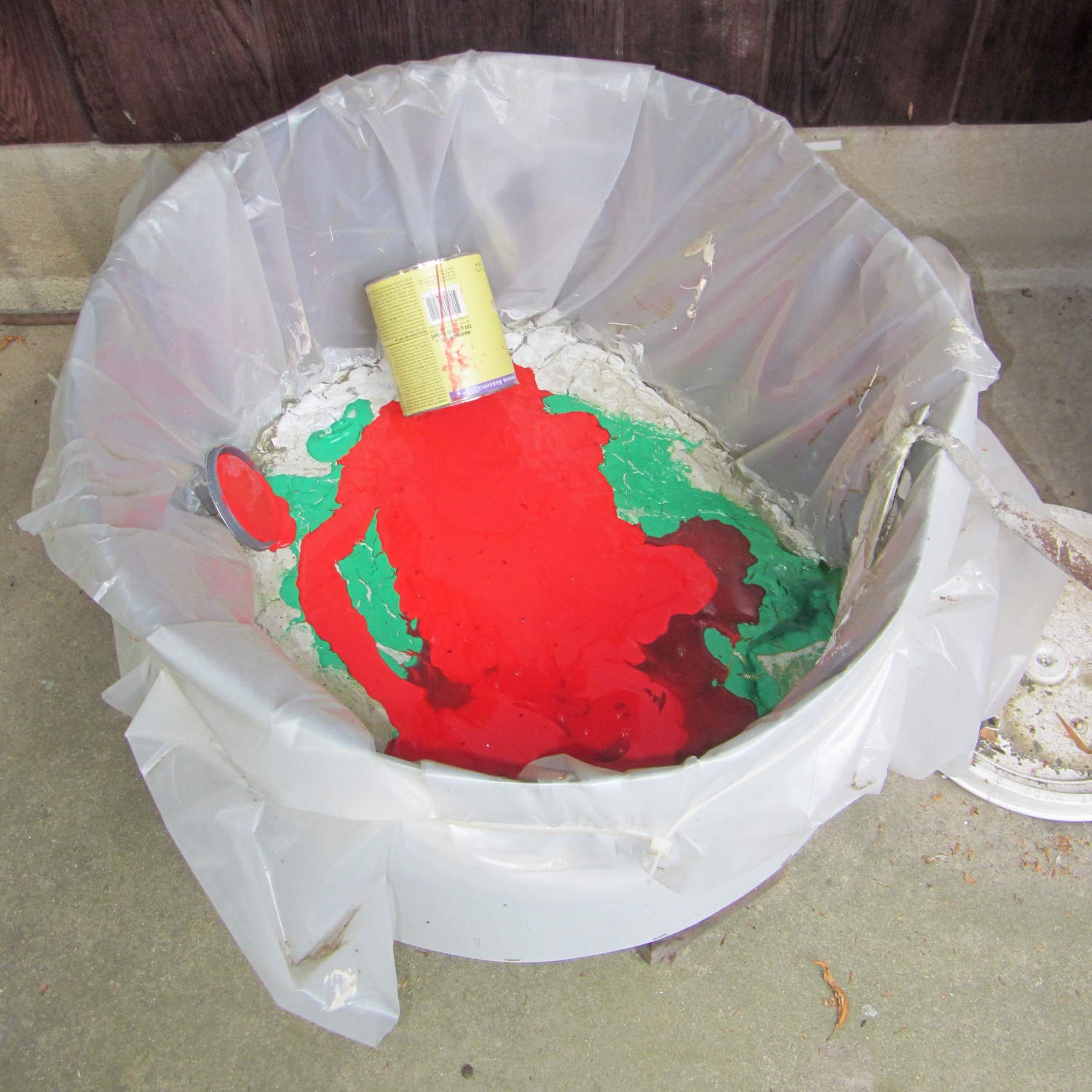
Since they don’t seem to object to dried latex paint, I made a drying tub by stapling aluminum flashing around a stand that used to hold a water heater off the basement floor, lined it with heavy plastic, and started pouring latex paint into it:
Paint drying tub
After a year of intermittently dumping paint, that solid latex cookie must be two inches thick and I suppose it’s time to toss the first batch.
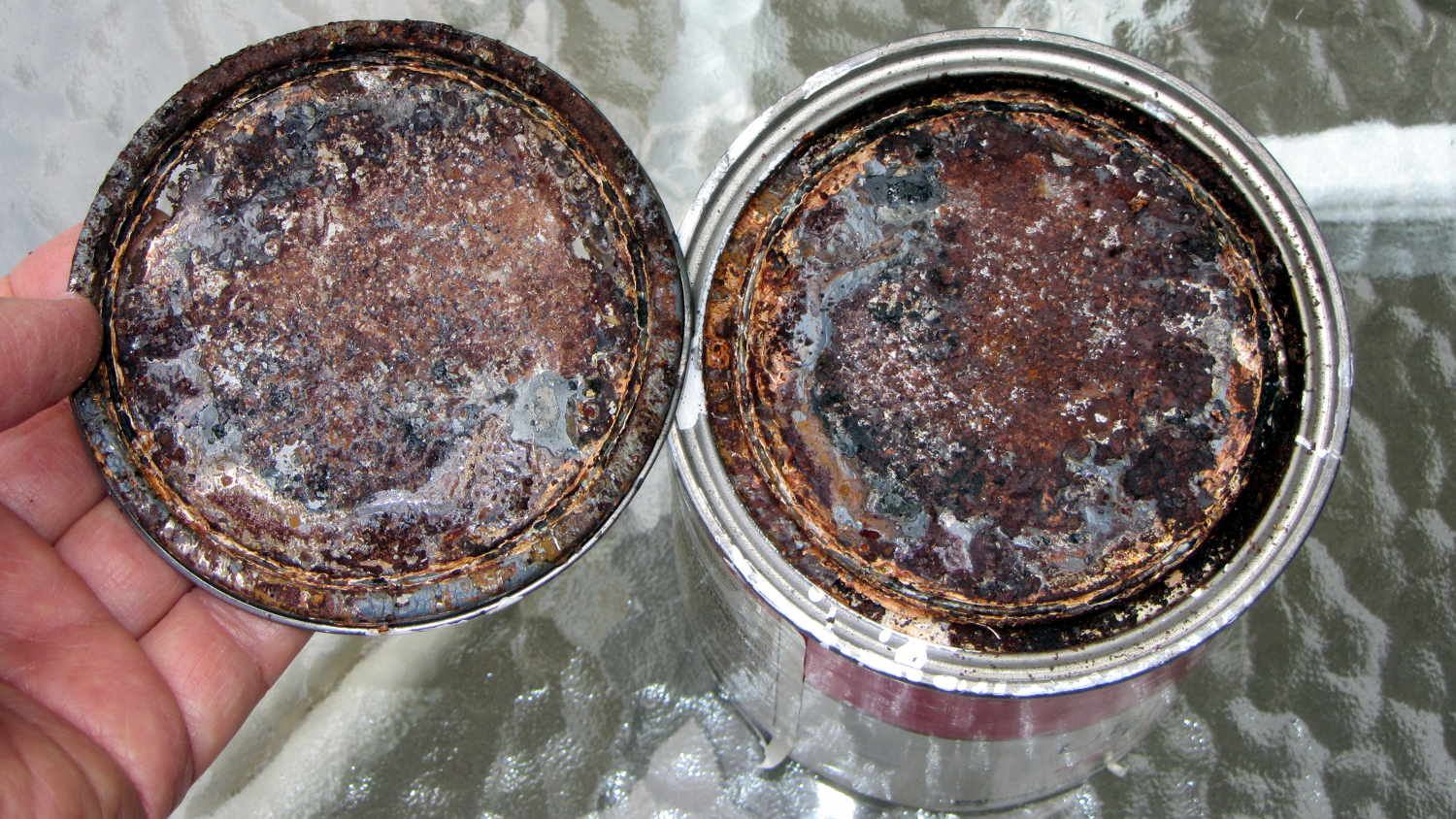
For what it’s worth, I discovered that storing paint cans upside down doesn’t guarantee that the paint remains fresh. This can had a solid latex cookie against the lid, with plenty of corrosion to go around:
Paint can stored upside-down – interior
The coagulated paint above the latex cookie was as horrible as you might expect.
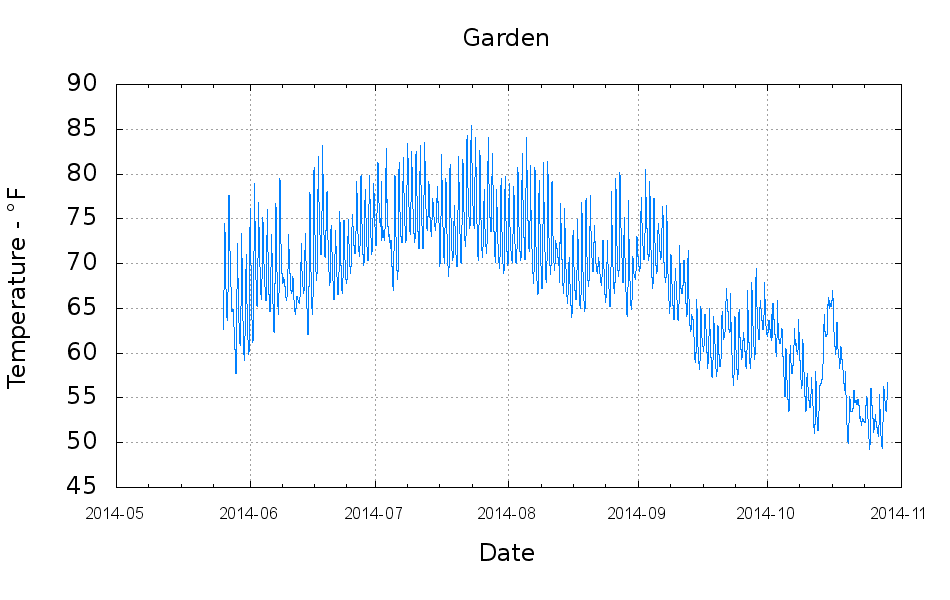
The soil temperature near the base of the bird box, under a few inches of chipped leaf mulch, shows the expected trend for the growing season, but there’s a weird bump in mid-October:
Garden Soil Temperature
The NWS temperature summary confirms the anomaly, with the DEP column giving the departure from the historic average:







 The Smell of Molten Projects in the Morning