The Smell of Molten Projects in the Morning

Ed Nisley's Blog: Shop notes, electronics, firmware, machinery, 3D printing, laser cuttery, and curiosities. Contents: 100% human thinking, 0% AI slop.

Author: Ed

  • ResMed ClimateLine Heated Hose: DOA

    ResMed ClimateLine Heated Hose: DOA

    Mary plugged a new ClimateLine heated hose into her Resmed Airsense 11 CPAP machine, spent the night feeling a bit chilly, and got an error message in the morning that boiled down to “Bad Hose”.

    Unsurprisingly, the new hose looks just like the previous ones and the old picture remains relevant:
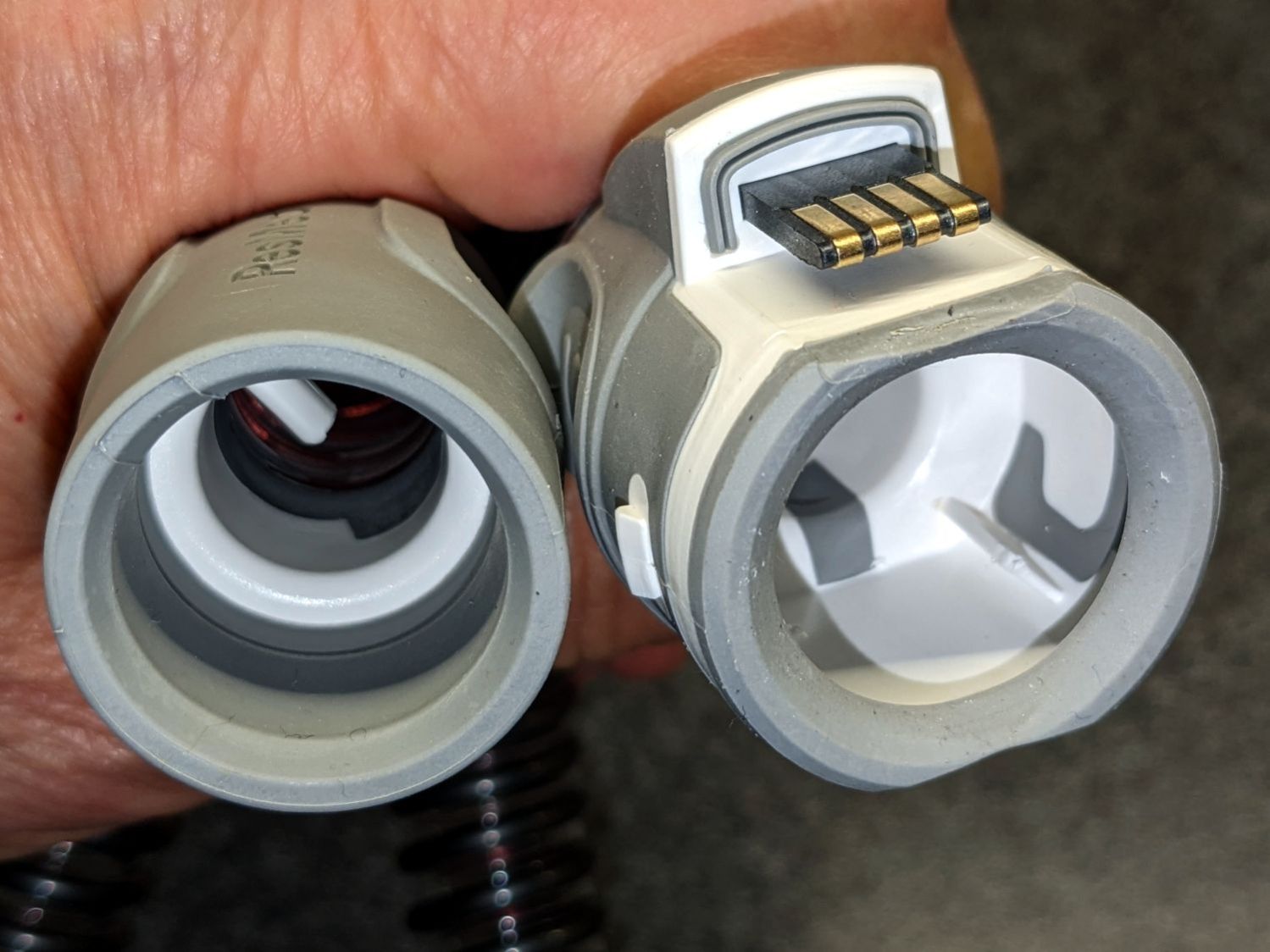
    ResMed ClimateLine heated hose ends
    ResMed ClimateLine heated hose ends

    The new hose has the same 12 kΩ resistance between the two outer contacts: the thermistor is fine.

    The two inner contacts are an open circuit, not the expected 10 Ω: the heater element or (more likely) a connector joint failed. We don’t know if it was DOA or failed during the first use, but it does not respond to the usual wiggling and poking.

    Her experience with Lincare’s Customer Disservice has been so terrible she refuses to start a warranty claim. She’ll continue using the old hose until it’s time for the next replacement and we’ll hope for the best.

    As I understand the arrangement, she must get all the consumables (masks, hoses, filters, tanks) from Lincare for five years from the date of the original prescription. After that, she can order supplies from elsewhere, although that seller must have a new prescription.

    Basically, Lincare gets five years of guaranteed business and, like the phone company of old, they don’t care about you because they don’t have to.

    So: they win.
  • Ice Flow

    Ice Flow

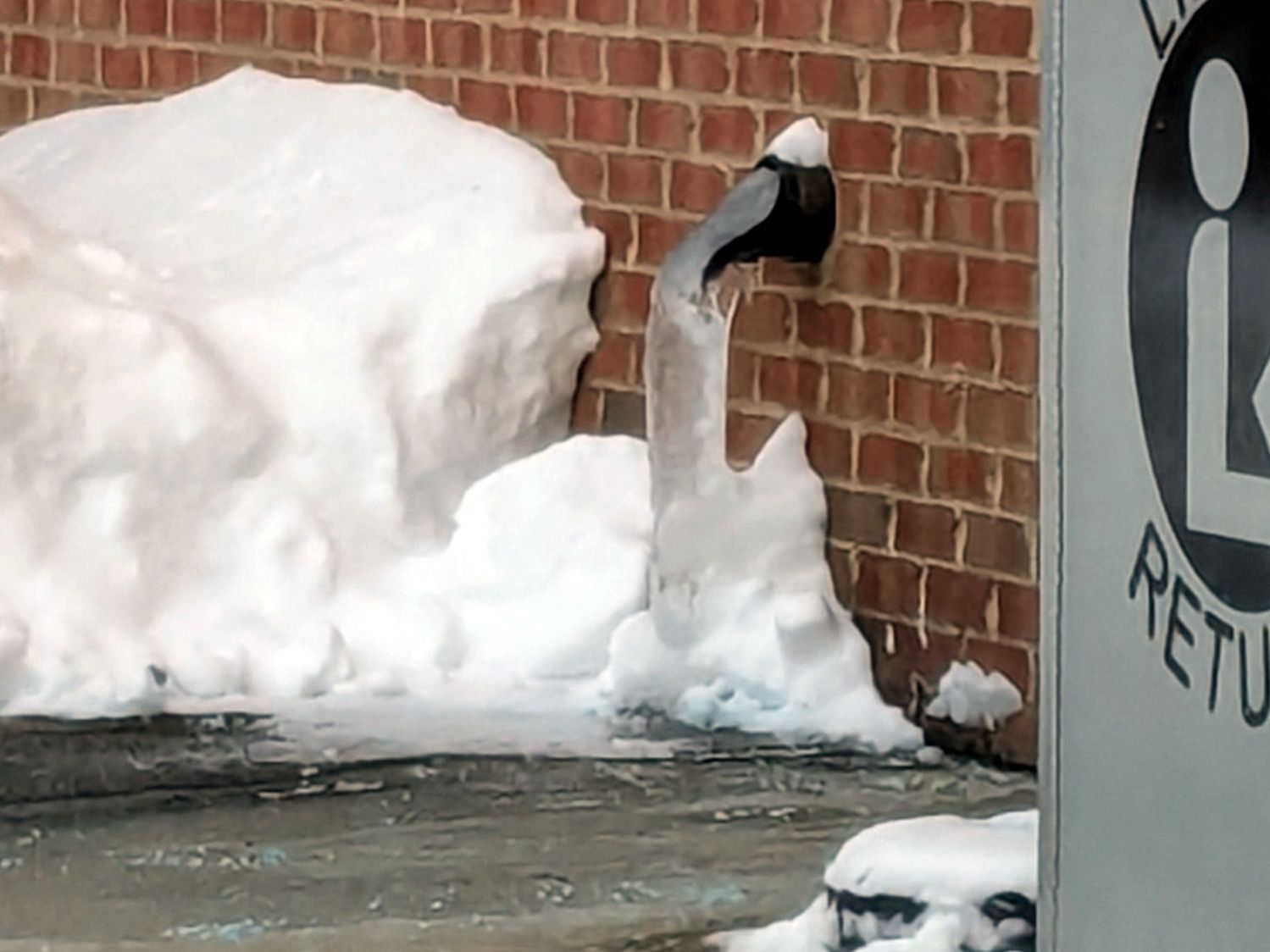
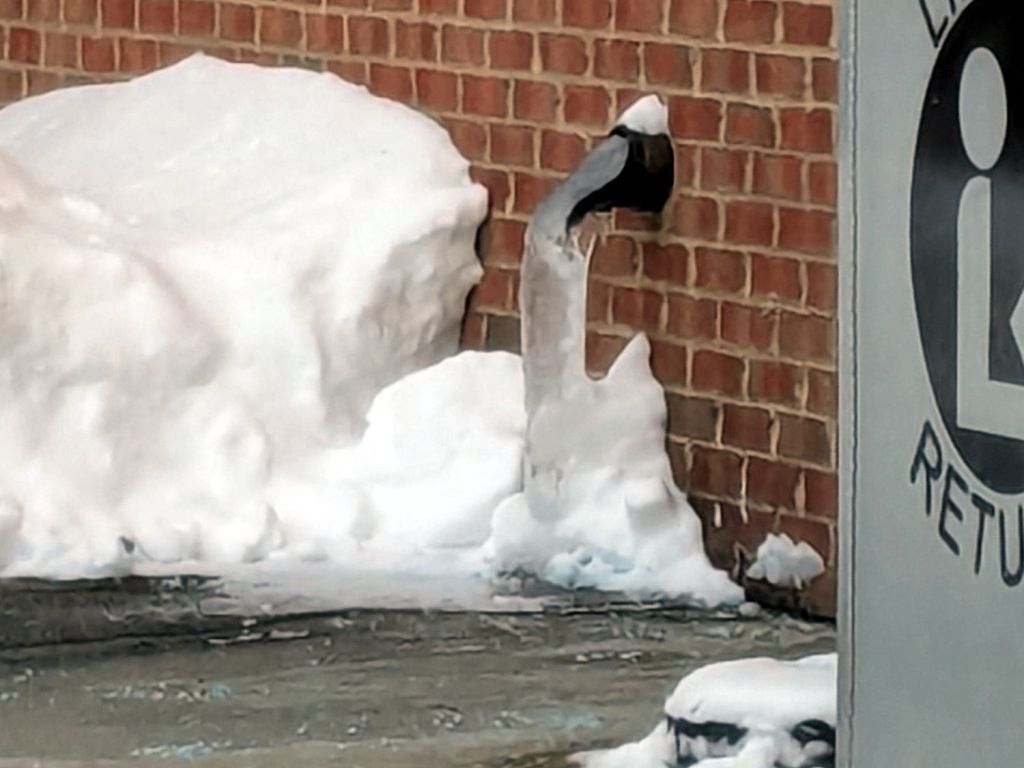
    Spotted at the local library:

    Roof drain ice
    Roof drain ice

    Putting the downspout inside the building probably made architectural sense, but I’d much rather have that pipe on the outside of the wall where a leak won’t be so expensive.

    It hasn’t leaked yet, but in a few months I won’t be surprised to learn my tax dollars were hard at work fixing the ensuing water damage.

    Taken at maximum zoom through a grubby windshield, so the picture quality isn’t up to contemporary standards.

  • Plywood Coaster Warpage

    Plywood Coaster Warpage

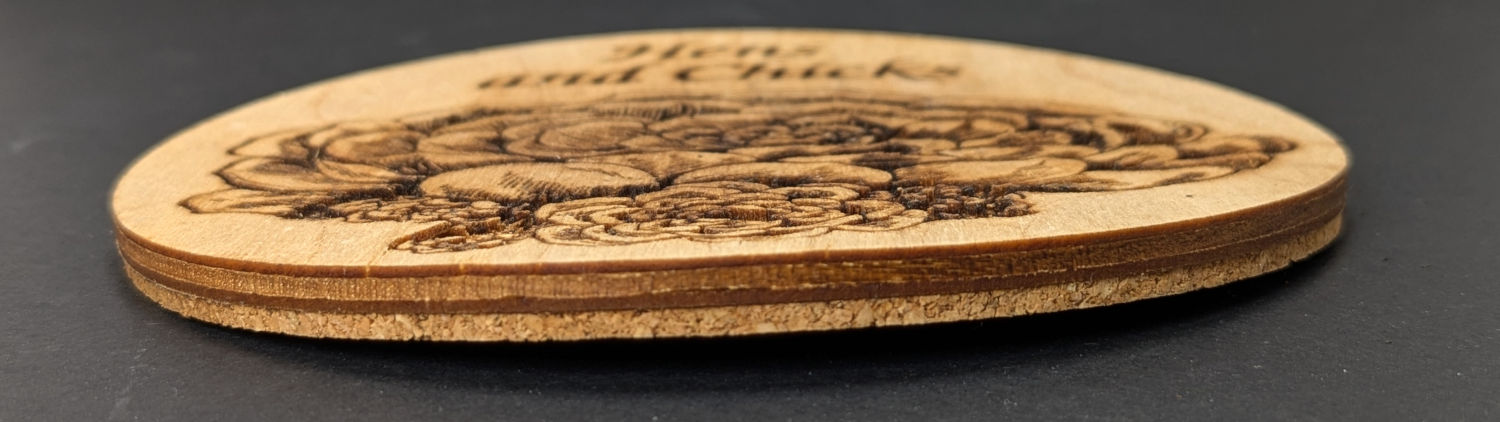
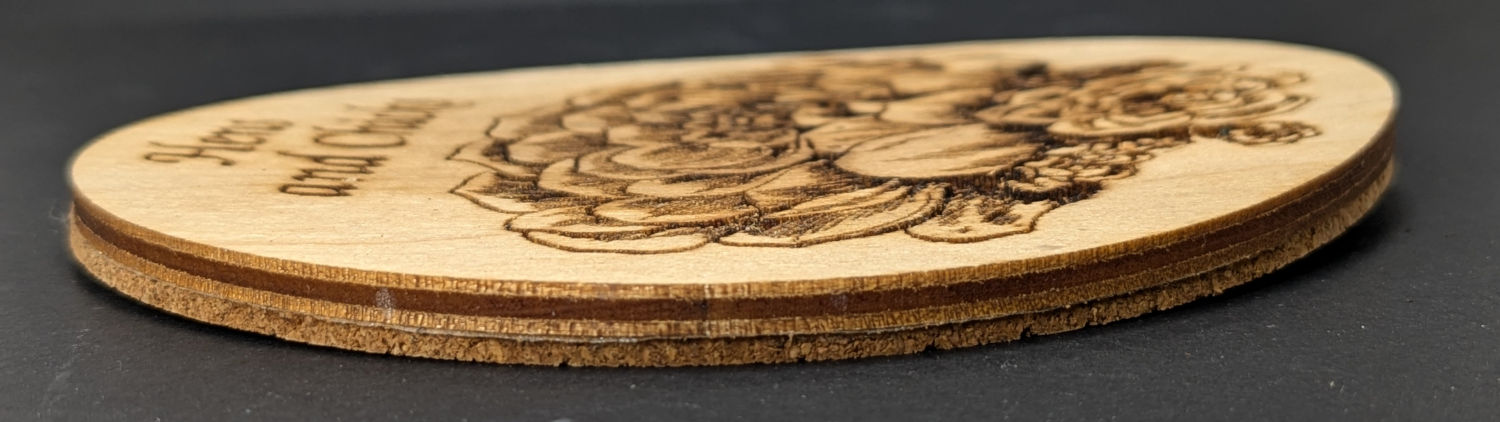
    This is what happens to an uncoated plywood coaster with fairly deep laser engraving after about half a year of use:

    Warped plywood coaster - front
    Warped plywood coaster – front

    The poor thing went all potato chip:

    Warped plywood coaster - side
    Warped plywood coaster – side

    I swapped it for one with polyurethane sealant, much like those fancier coasters with the same layout, and we’ll see if it survives longer …

  • Snow Day

    Snow Day

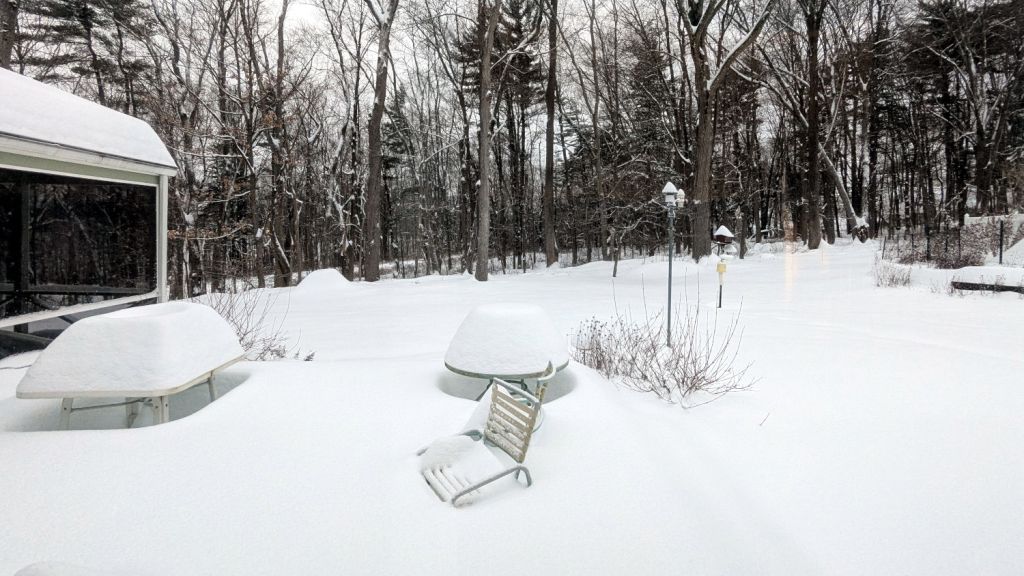
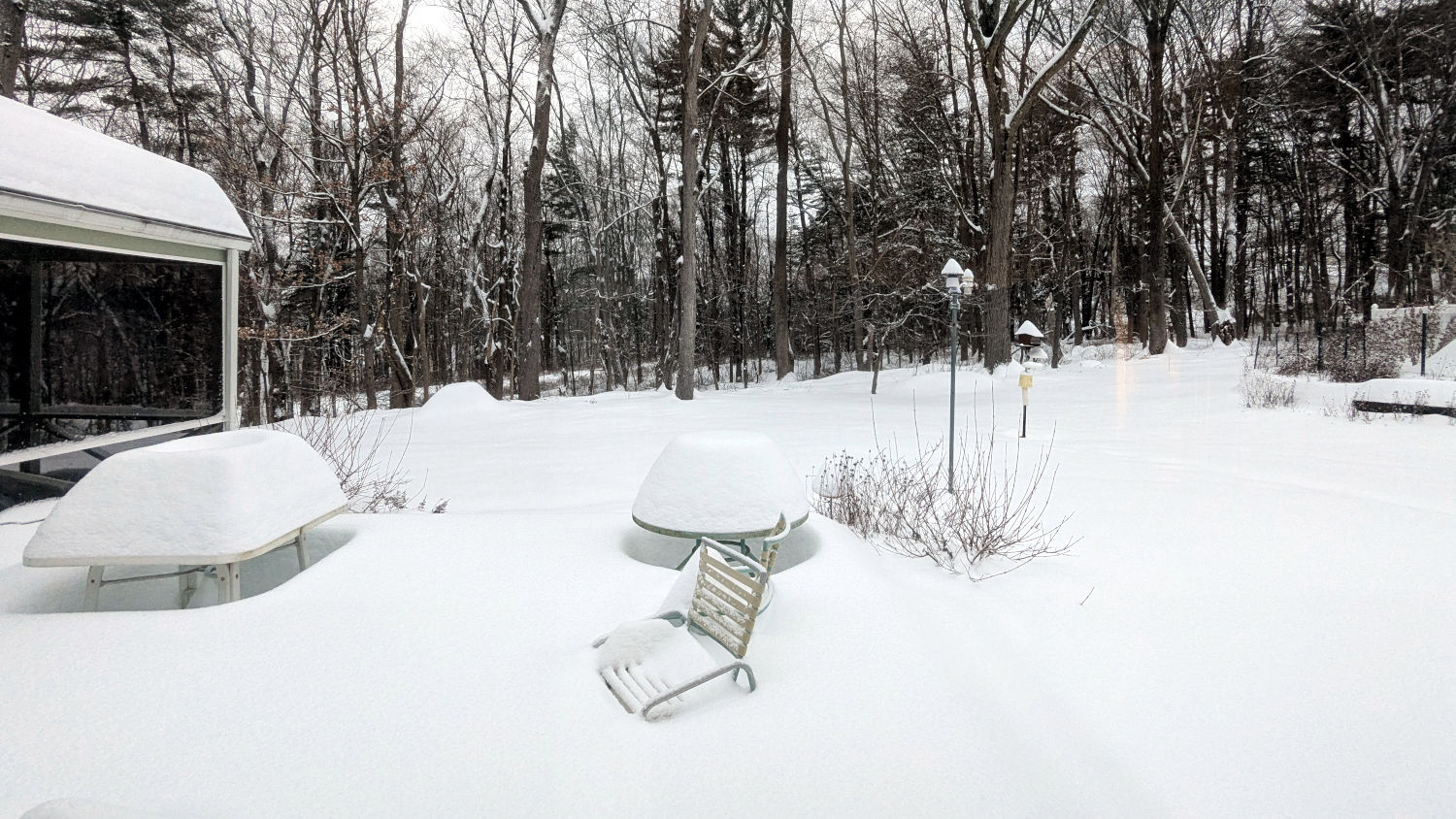
    Today looks like a good day to fire up the snowblower and clear the driveway:

    Snow - 2025-01-26
    Snow – 2025-01-26

    One of the bolts holding the muffler on the engine worked its way past its rebuilt locking plate and will require attention before getting out there.

    Fortunately, it looks like a good day for shop projects …

  • Silica Gel Beads: Indicator vs. Water

    Silica Gel Beads: Indicator vs. Water

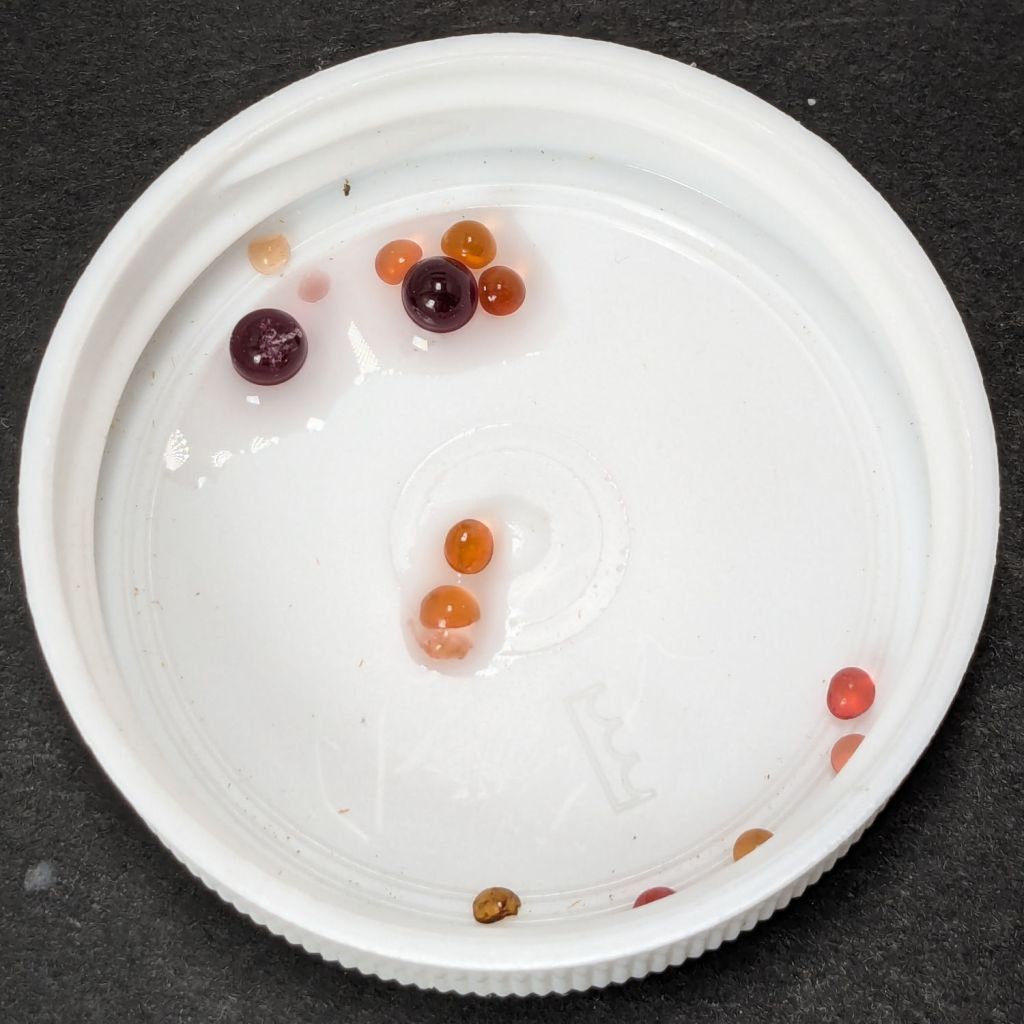
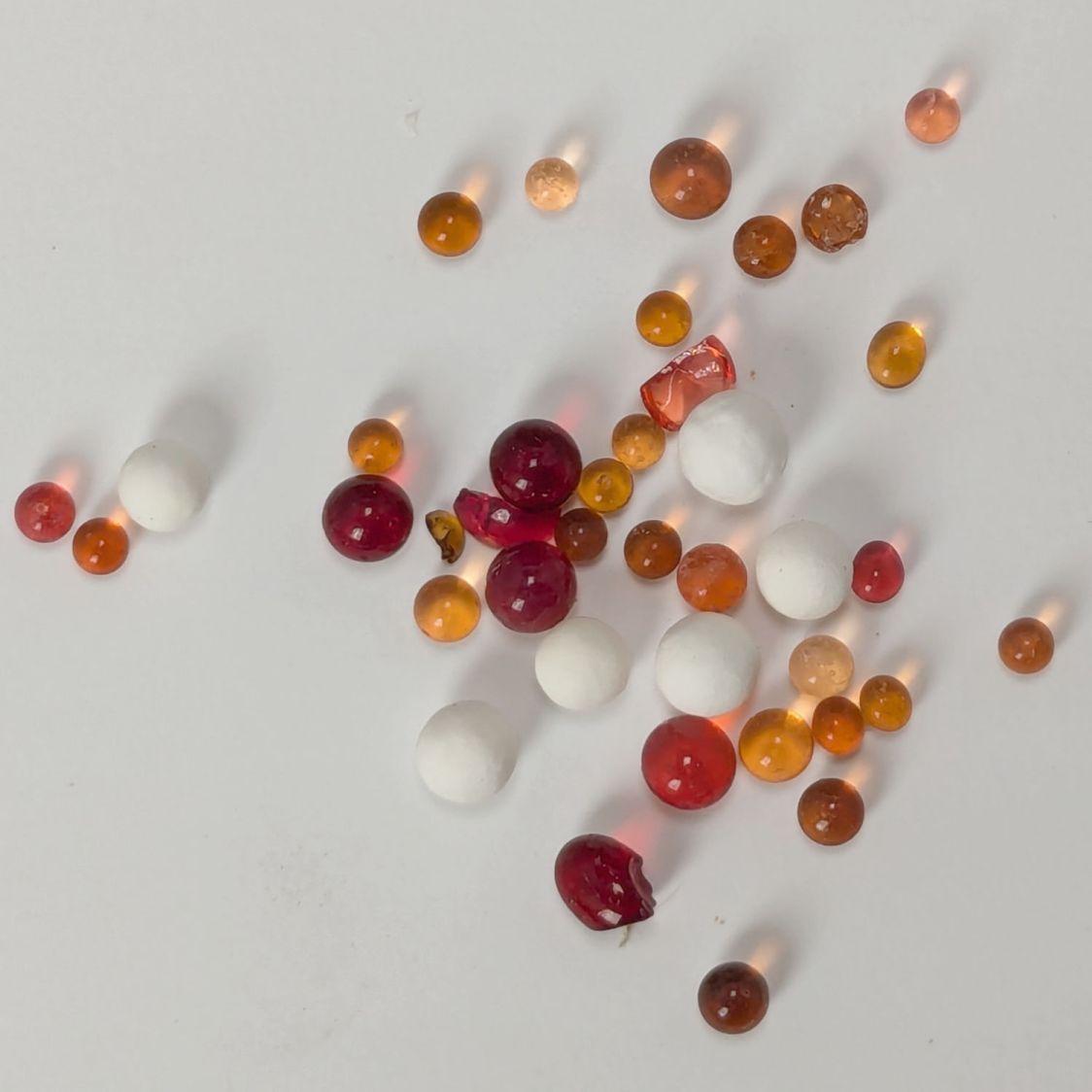
    Just to see what happened, I dumped a few of those beads:

    Silica gel beads - 36pctRH ambient
    Silica gel beads – 36pctRH ambient

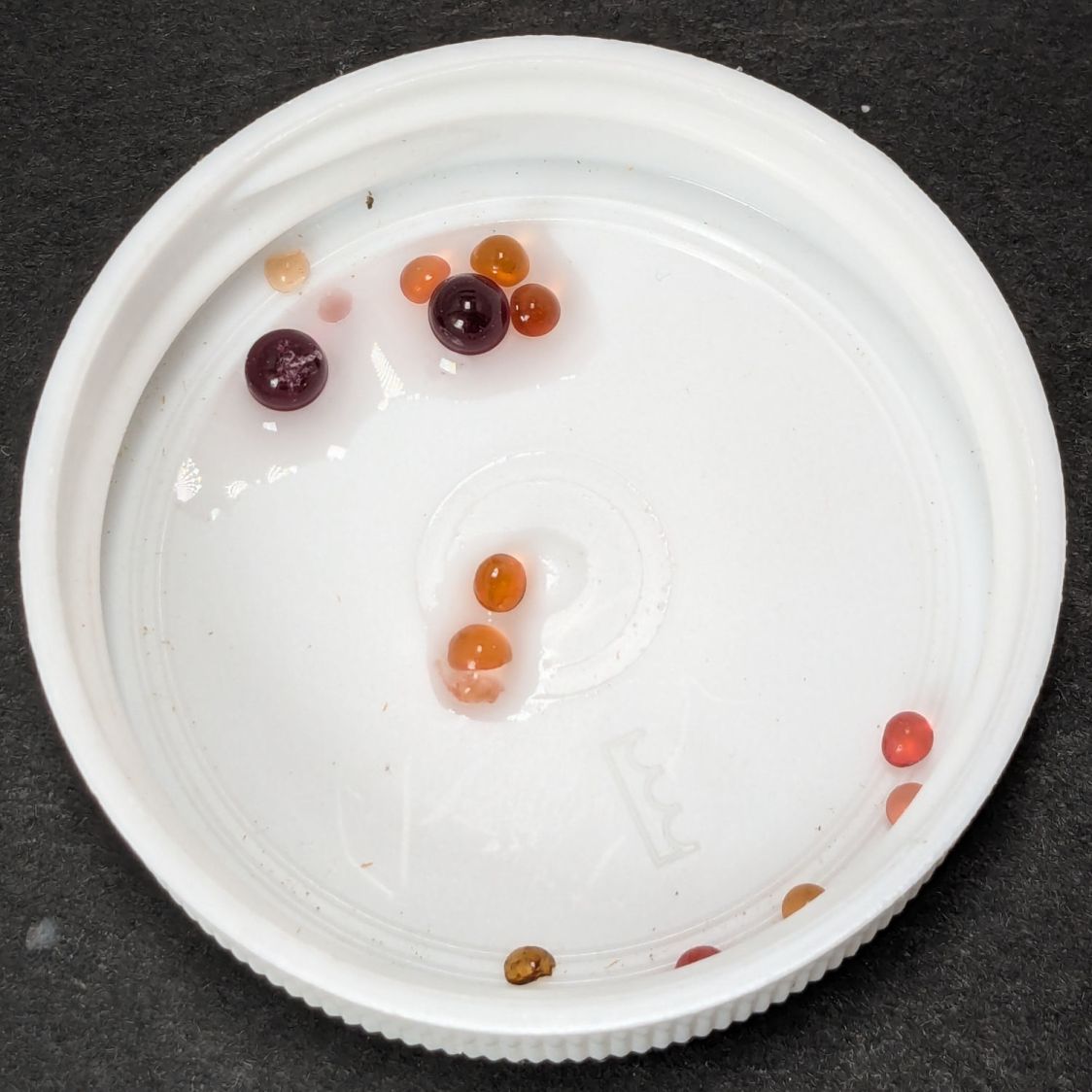
    Into a few drops of water in a bottle cap:

    Indicating silica gel beads - saturated
    Indicating silica gel beads – saturated

    After a few days, it was obvious only the larger beads changed color and, no matter what the description said, they were not going to become any color I would recognize as green.

    While the larger ones did get darker, the smaller ones must have already been at their limit of adsorption and remained at the same shade.

    For humidity levels under about 20%, I think changing the desiccant every month or so is the only way to be sure.

  • Ortur YRC-1 Chuck: Tube Reinforcement

    Ortur YRC-1 Chuck: Tube Reinforcement

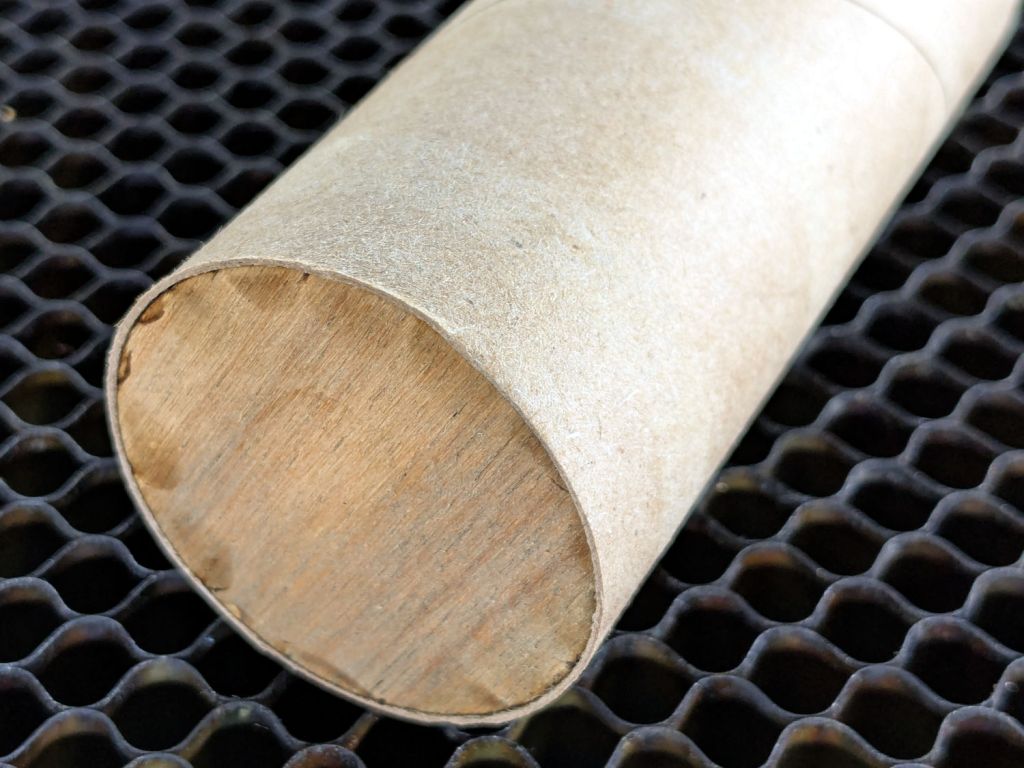
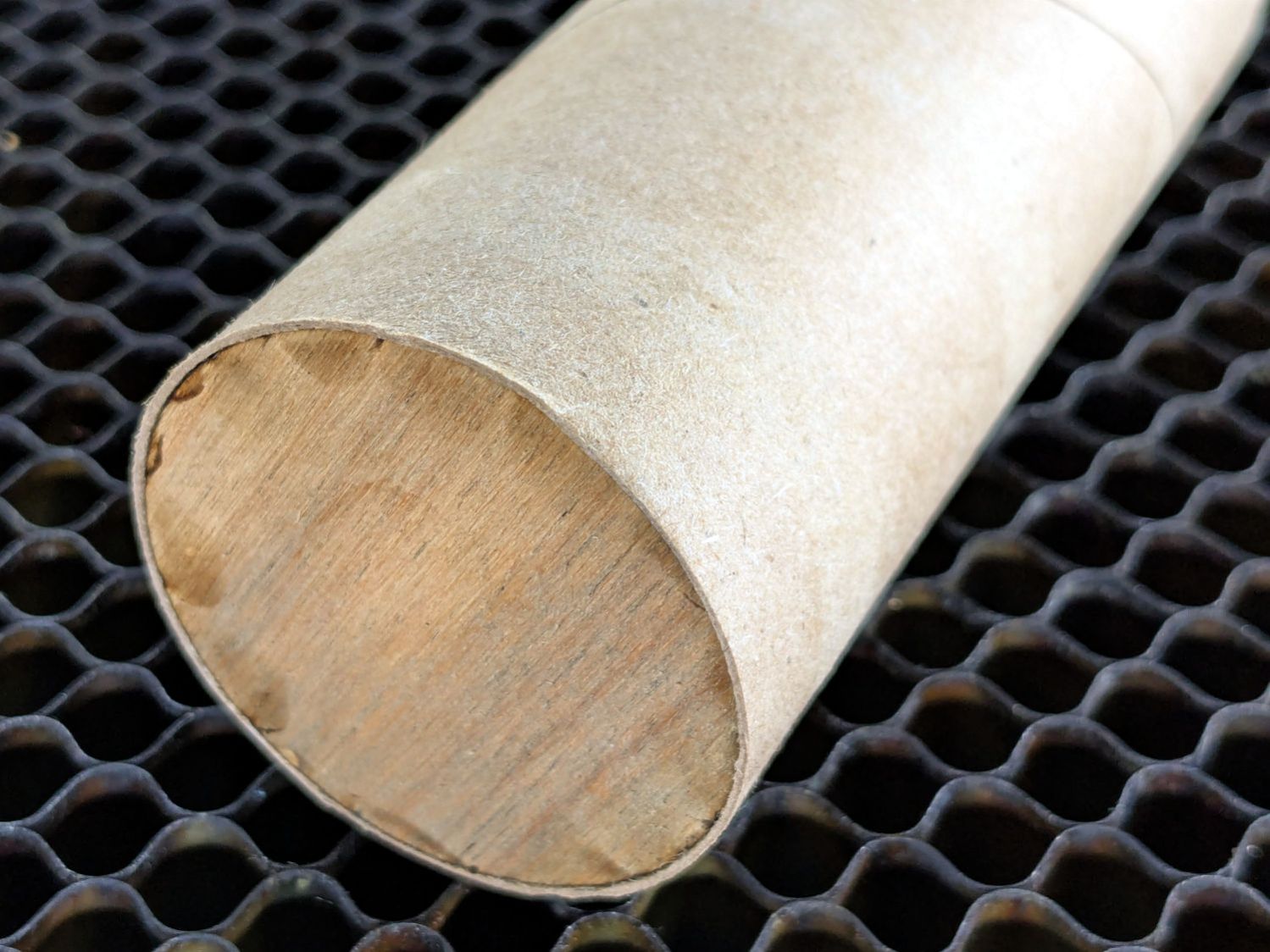
    Tuck a neatly laser-cut disk into a flimsy cardboard tube:

    Ortur YRC-1 - cardboard tube reinforcement
    Ortur YRC-1 – cardboard tube reinforcement

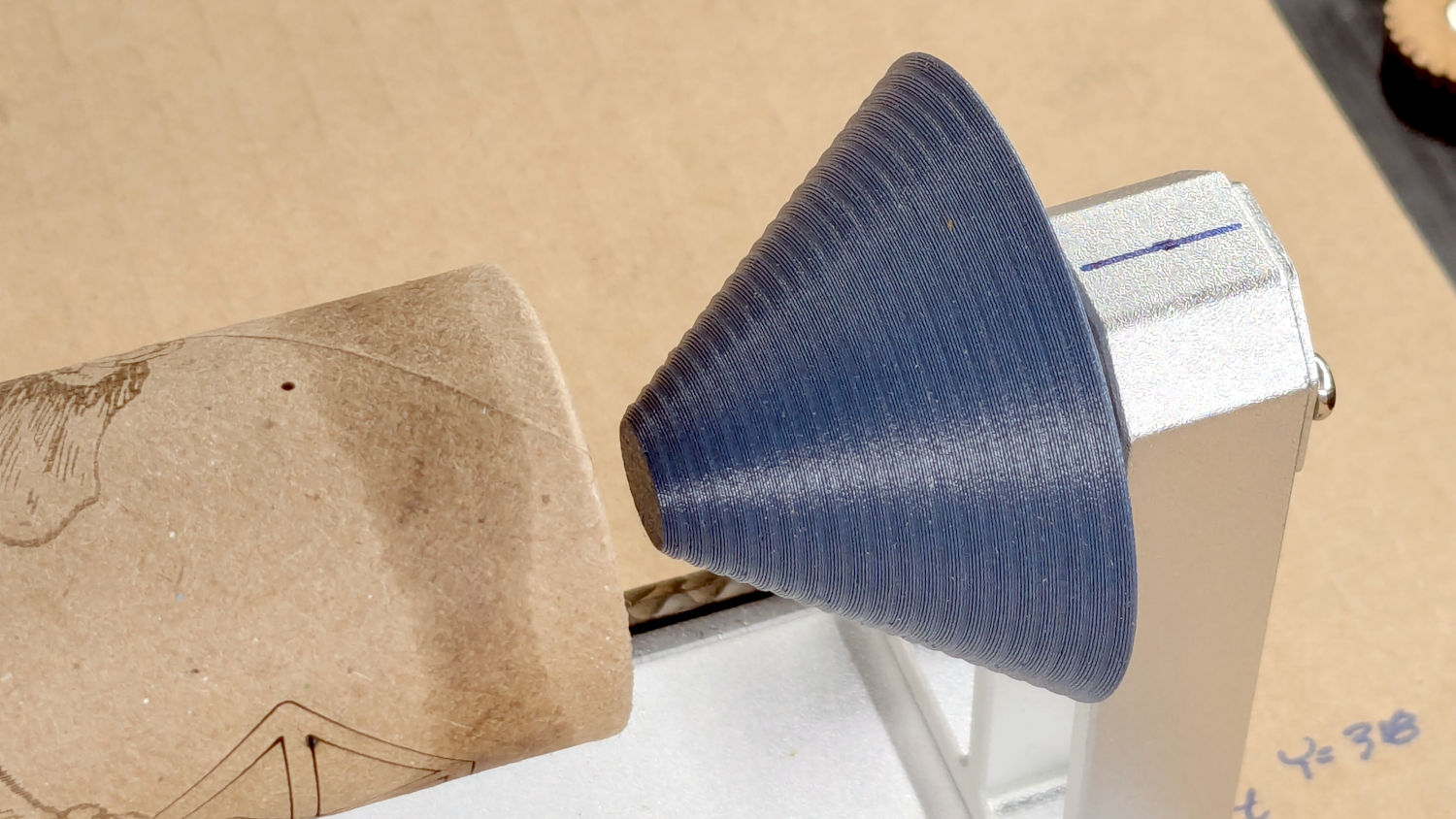
    Put a big conical center in the tailstock:

    Ortur Chuck Rotary conical center - front
    Ortur Chuck Rotary conical center – front

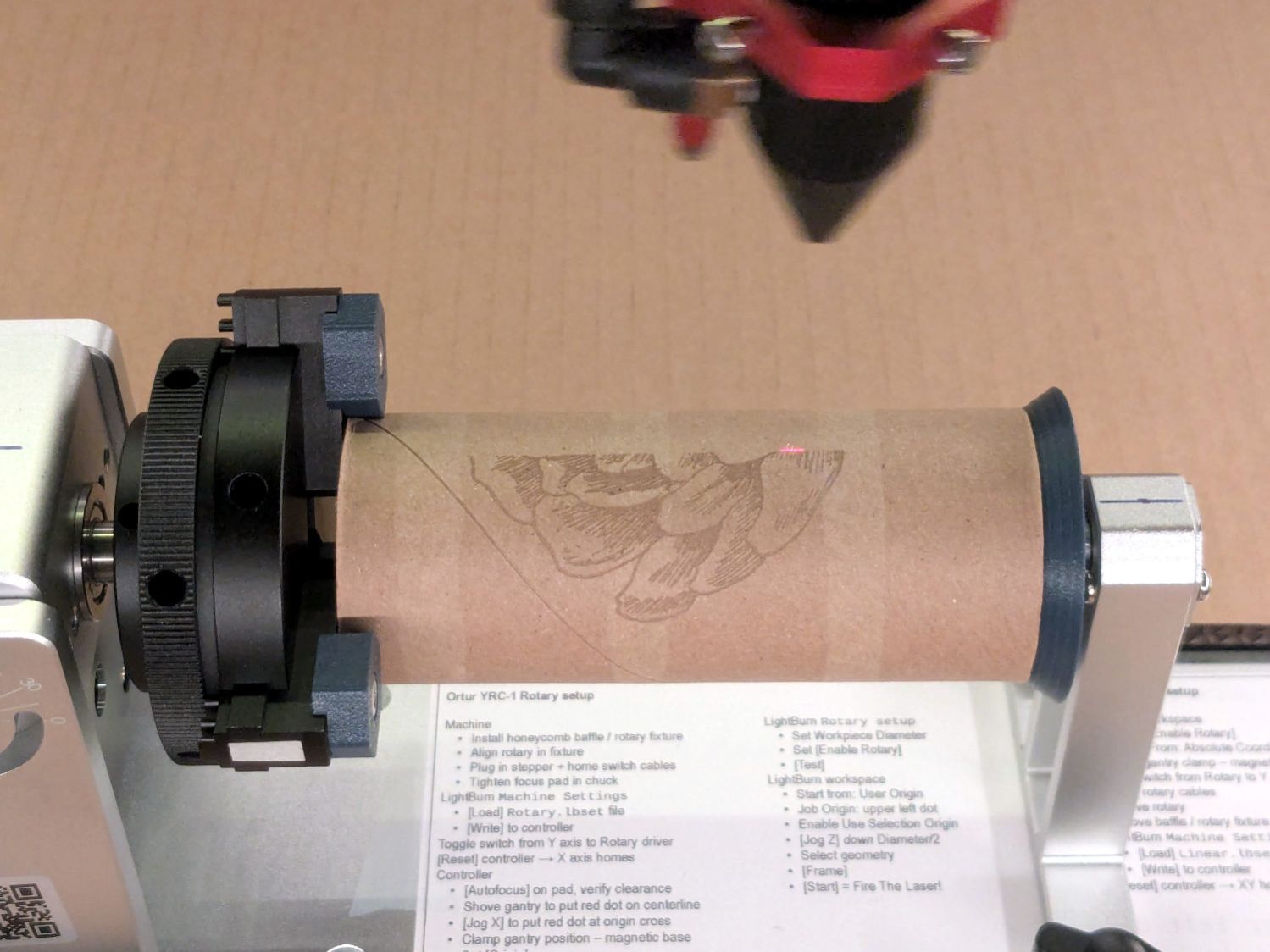
    Whereupon the tube remains nicely tubular on both ends and aligned along the chuck axis:

    Ortur YRC-1 - chucked cardboard tube
    Ortur YRC-1 – chucked cardboard tube

    Which is why you save all that scrap material …

    Yes, it’s the core from a toilet paper roll, which is way cheaper than burning through tumblers / mugs / shot glasses / whatever while figuring this stuff out.

  • Prusa MK4 Nozzle Tool Mod

    Prusa MK4 Nozzle Tool Mod

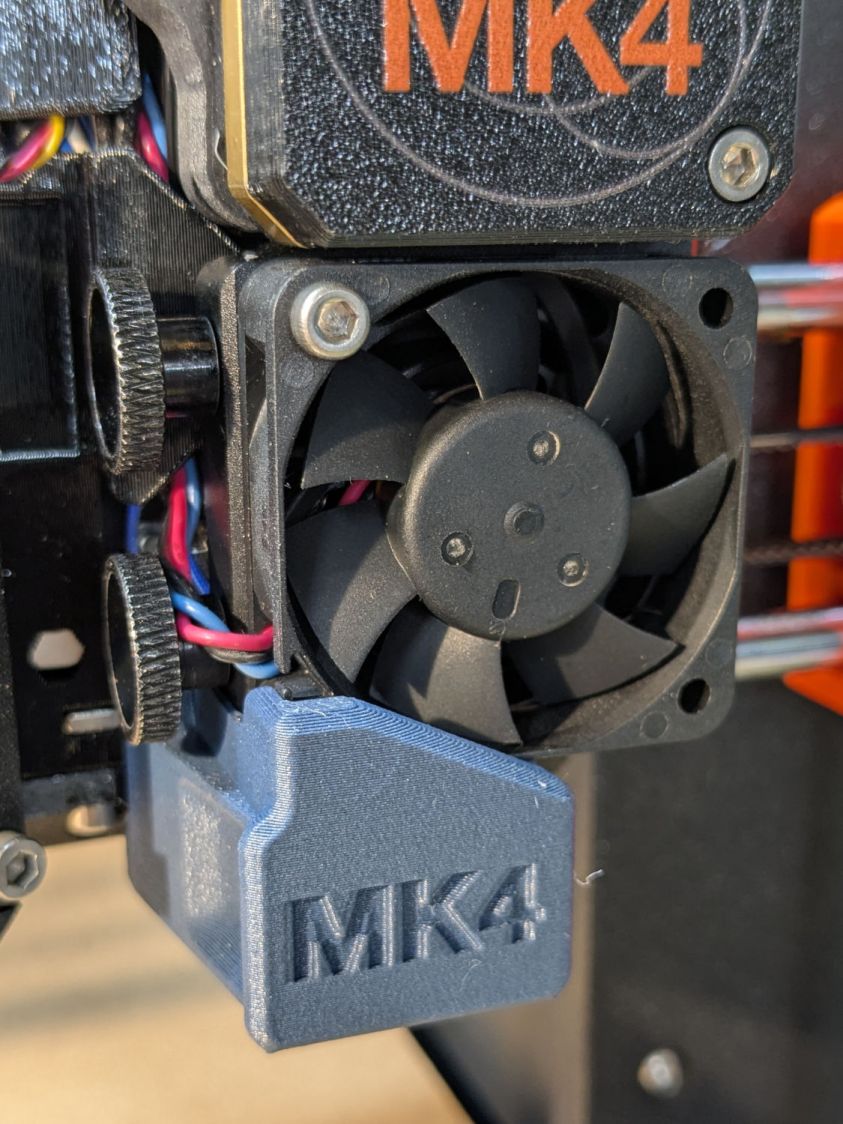
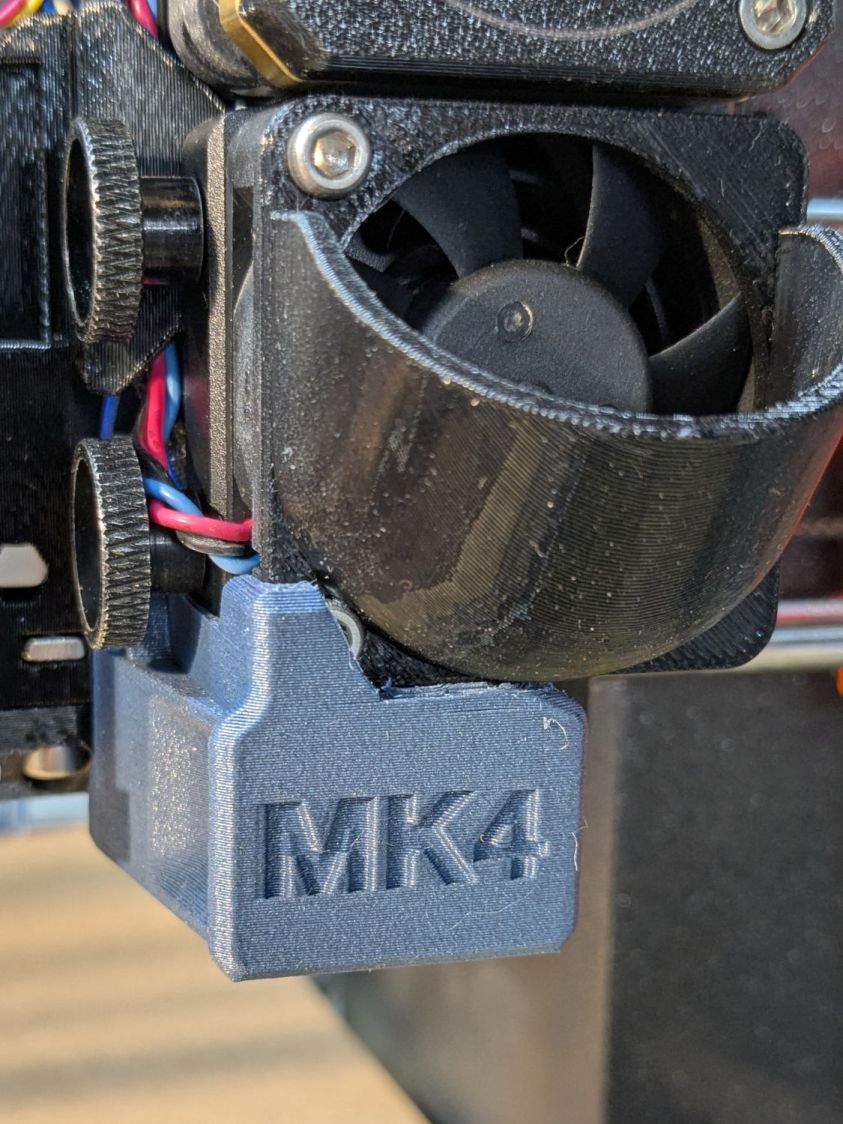
    Contemplating a 0.8 mm nozzle to print more-transparent things, I ran off an Official MK4 Nozzle Replacement Tool to stabilize the heater block while applying a wrench to the nozzle:

    Prusa MK4 Nextruder Tool - without inlet scoop
    Prusa MK4 Nextruder Tool – without inlet scoop

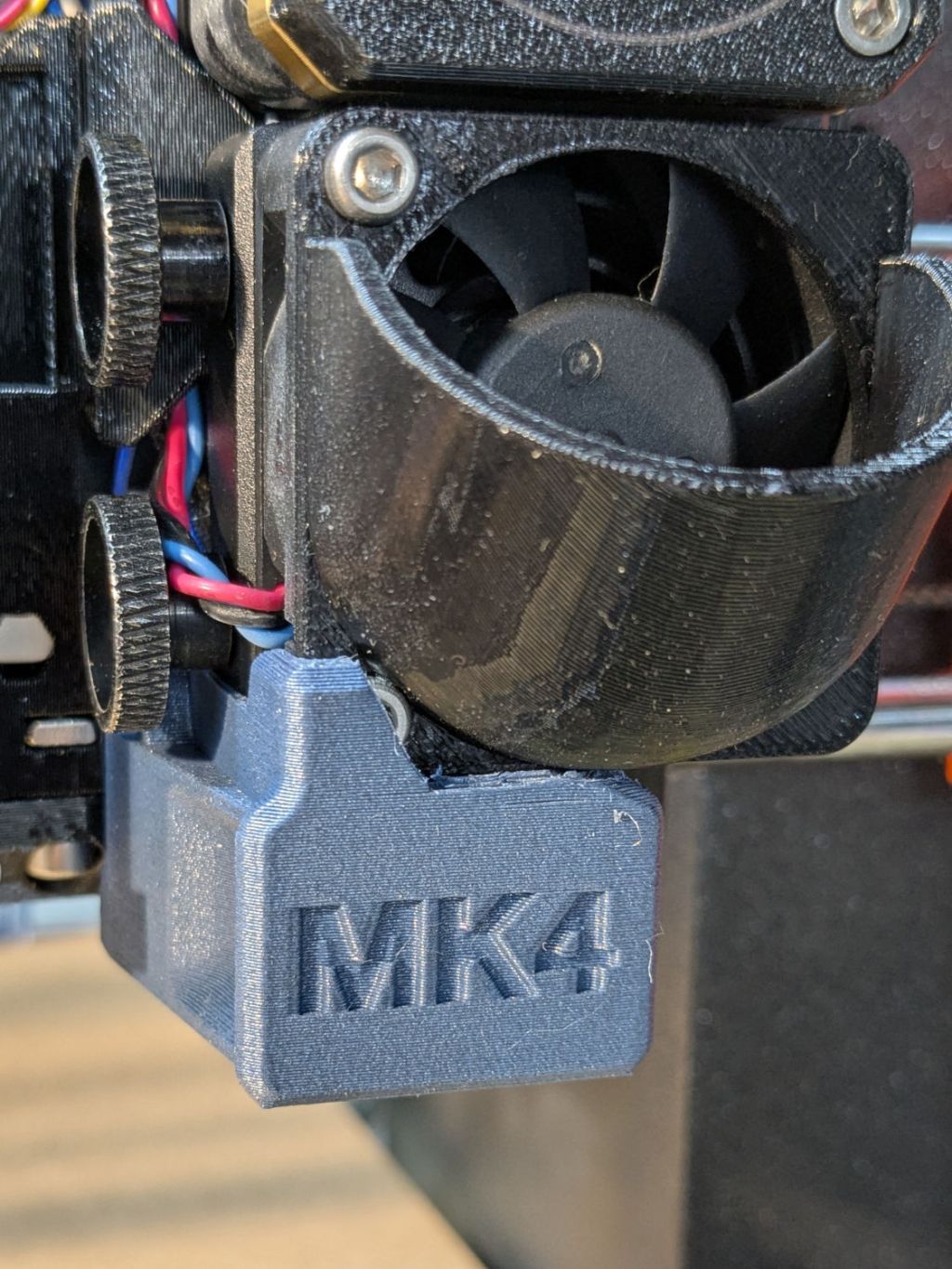
    For obvious reasons, it doesn’t fit with the inlet scoop I installed as part of blinging the MK4:

    Prusa MK4 Nextruder Tool - inlet scoop installed
    Prusa MK4 Nextruder Tool – inlet scoop installed

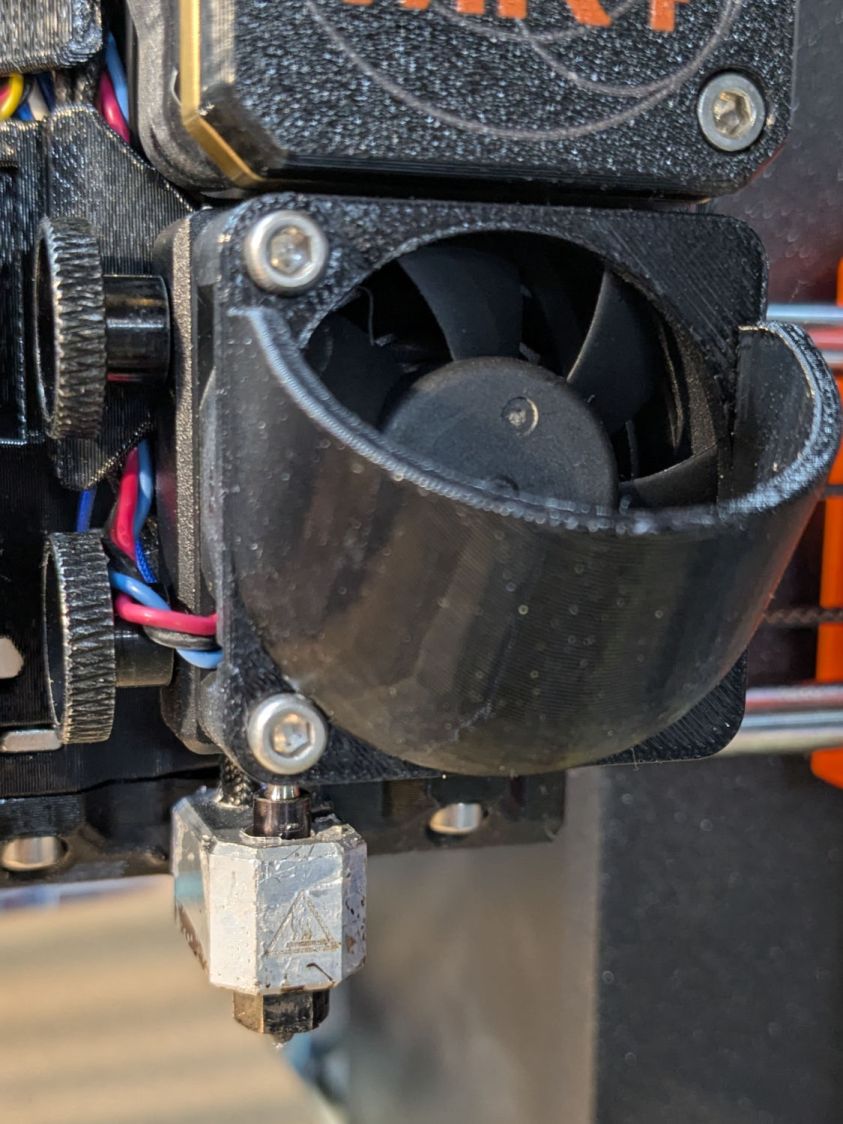
    Removing the scoop is a matter of removing those two cap screws, which is no big deal, but a little flush-cutter action made that problem Go Away forever:

    Prusa MK4 Nextruder Tool - inlet scoop mod
    Prusa MK4 Nextruder Tool – inlet scoop mod

    Yeah, I should have modified the solid model. Maybe next time.

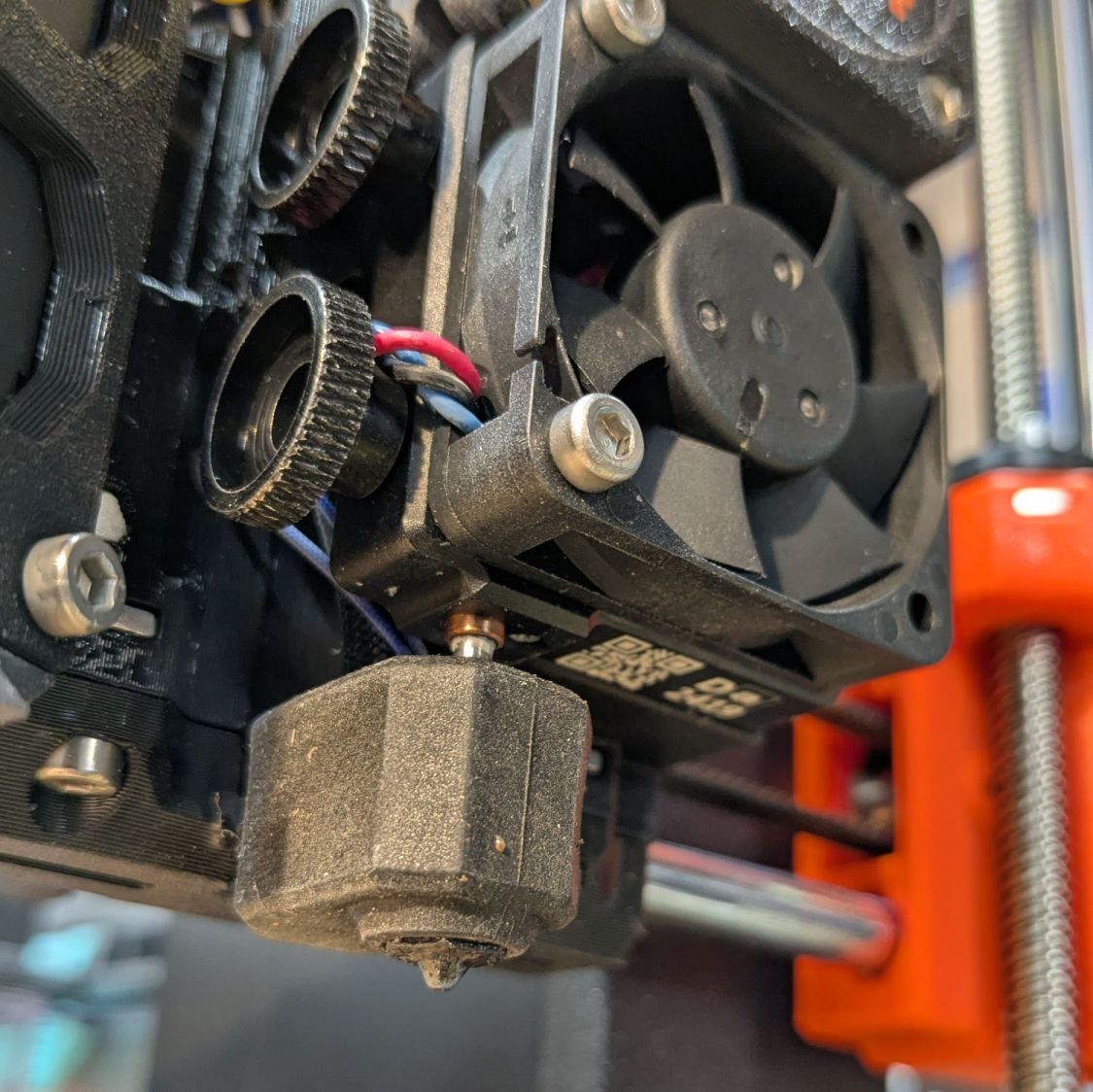
    A version of the tool fits extruders covered with an Official Prusa Silicone Sock thermal insulator, but they were out of stock when I was in the mood. My heater wears a knockoff sock:

    Prusa MK4 Nextruder Tool - silicone sock vs nozzle
    Prusa MK4 Nextruder Tool – silicone sock vs nozzle

    Unlike the Official Sock, there’s no way to get a wrench on the nozzle with that one installed, but removing the sock is no big deal.

    I apparently installed the nozzle / heater block slightly higher than specified, so the tool didn’t quite fit. Loosening those two thumbscrews and lowering the nozzle to fit the tool solved that problem. Fortunately, the automatic bed leveling routine corrects for nozzle height differences on the fly.

    The scoop is back on the fan, the sock once again surrounds the heater, and I can easily swap in the 0.8 mm nozzle when the time comes.