-
AD8310 Log Amp Module: Video Bandwidth Rolloff
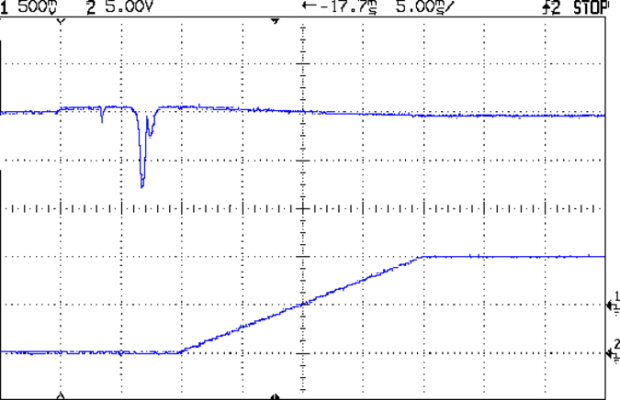
The part I didn’t understand turned out to be the bandwidth of the final output stage = “video bandwidth”, which defaults to 25 MHz. After fixing the input circuitry, a 25 MHz VBW let the output track a 60 kHz input signal just fine:
AD8310 – modified – 60 kHz 1Vpp Adding a 56 nF cap across the C6 terminals (just above the AD8310) lowered the VBW to about 1 kHz:
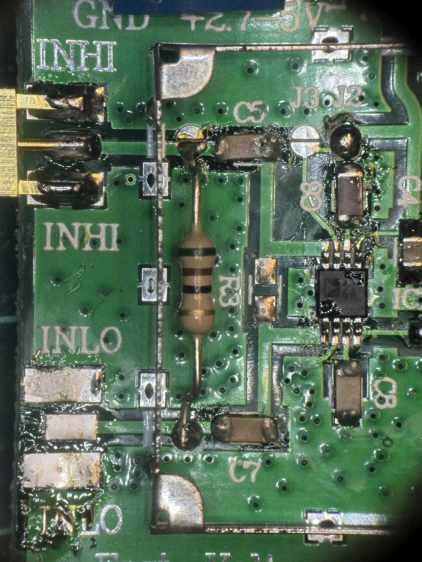
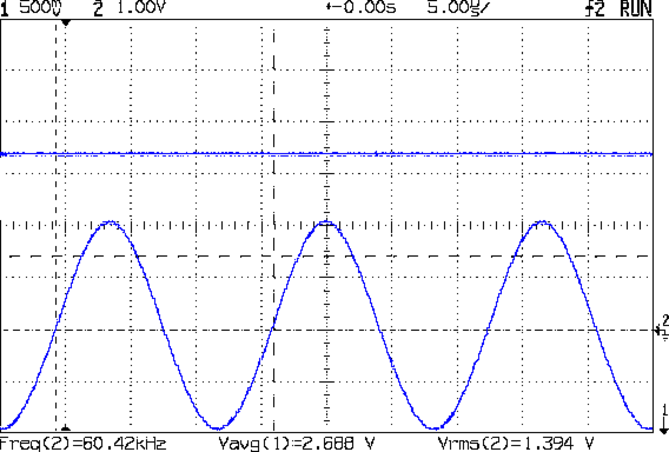
AD8310 Log Amp module – VBW rolloff cap Which flattened that sucker right out:
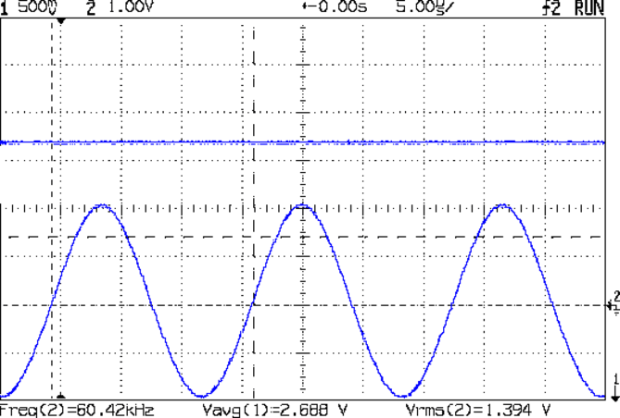
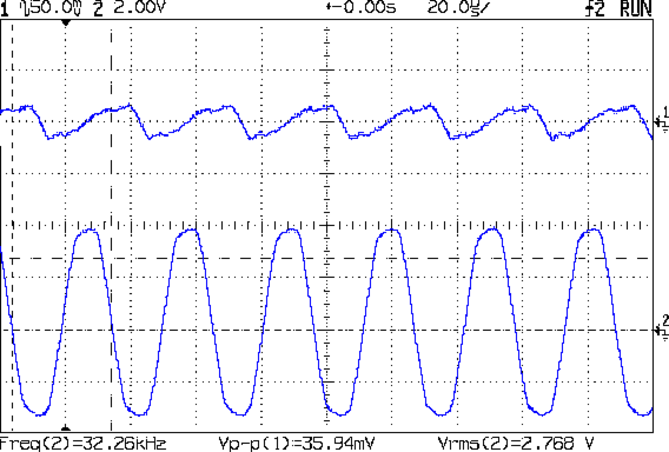
AD8310 – 1 kHz VBW cap – 60 kHz 1.394 V The ripple for an absurdly high amplitude 32 kHz signal amounts to 36 mV:
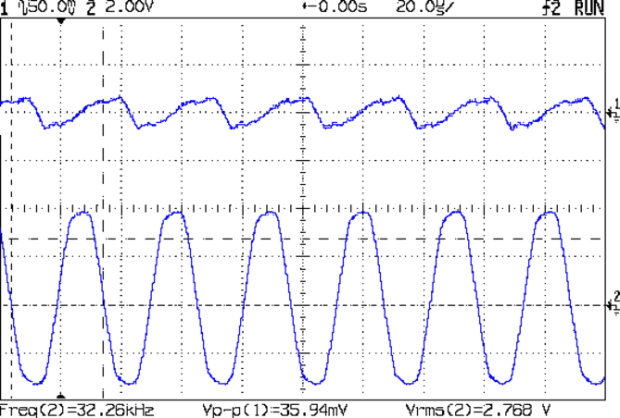
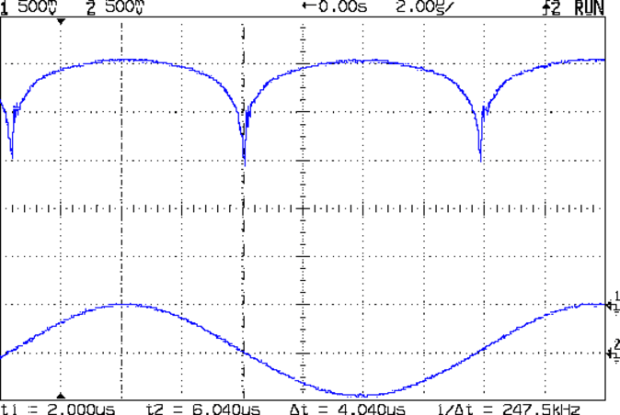
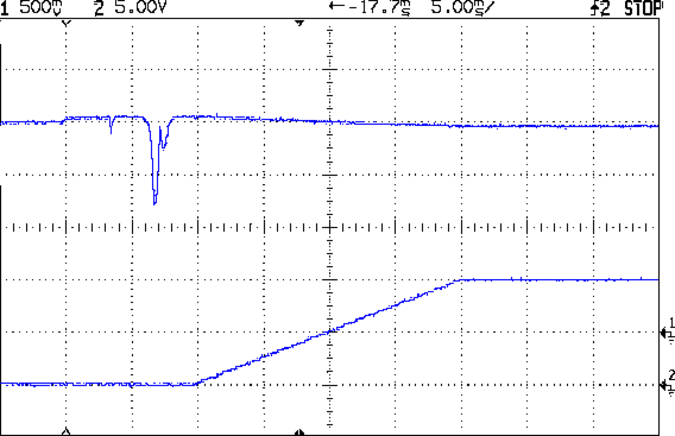
AD8310 – 1 kHz VBW cap – 32 kHz – VBW ripple Firing the tracking generator into the input with a frequency sweep from 100 kHz to 250 MHz shows the low end looks much better:
AD8310 – 1 kHz VBW cap – 100 kHz 250 MHz – 0 dB atten There’s a slight droop across the sweep that might amount to 50 mV = 2 dB, which I’m inclined to not worry about in this context.
Applying the attenuators once again produces a scale factor of 23.5 mV/dB across 30 dB of RF, but this time the 60 kHz output makes sense, too.
Using the typical output curve from AN-691, that 2.0 V output corresponds to -13 dBm, which sounds about right for the tracking generator (which might really be -10 dBm).
I must calibrate the log amp output to find the actual intercept point (nominally -95 dBm, but could range from -86 to -102) at 60 kHz. The intercept is the extrapolated RF input producing 0 V out, which then acts as an offset for the voltage-to-dBm calculation; you start by finding the slope of the voltage vs. dBm line at some convenient power levels, then solve for dBm with V=0.
So a cheap AD8310 Log Amp module from eBay can work in the LF band, after you rearrange the input circuitry and tweak the chip’s filters. At least now I have a better understanding of what’s going on …


-
Subscribe
Subscribed
Have a WordPress.com account? Log in now.

