Ed Nisley's Blog: Shop notes, electronics, firmware, machinery, 3D printing, laser cuttery, and curiosities. Contents: 100% human thinking, 0% AI slop.
“High Endurance” means it’s rated for 5000 hours of “Full HD” recording, which they think occurs at 26 Mb/s. The Fly6 records video in 10 minutes chunks, each weighing about 500 MB, call it 1 MB/s = 8 Mb/s, a third of their nominal pace. One might reasonably expect this card to outlive the camera.
The Fly6 rear camera on my bike started giving off three long beeps and shutting down. Doing the reformatting / rebooting dance provides only temporary relief, so I think the card has failed:
Sandisk Extreme Plus vs. Samsung EVO MicroSD cards
The Fly6 can handle cards up to only 32 GB, which means I should stock up before they go the way of the 8 GB card shipped with the camera a few years ago.
Some back of the envelope calculations:
It’s been in use for the last 19 months
The last 22 trips racked up 88 GB of video data = 4 GB/trip
They occurred over the last 6 weeks = 3.6 rides/week
Call it 250 trips = 1 TB of data written to the card = 32 × capacity
That’s only slightly more than the failure point of the Sony 64 GB MicroSDXC cards. The Fly6 writes about a third of the data per trip, so the card lasts longer on a calendar basis.
So now let’s find out how long the Samsung cards last …
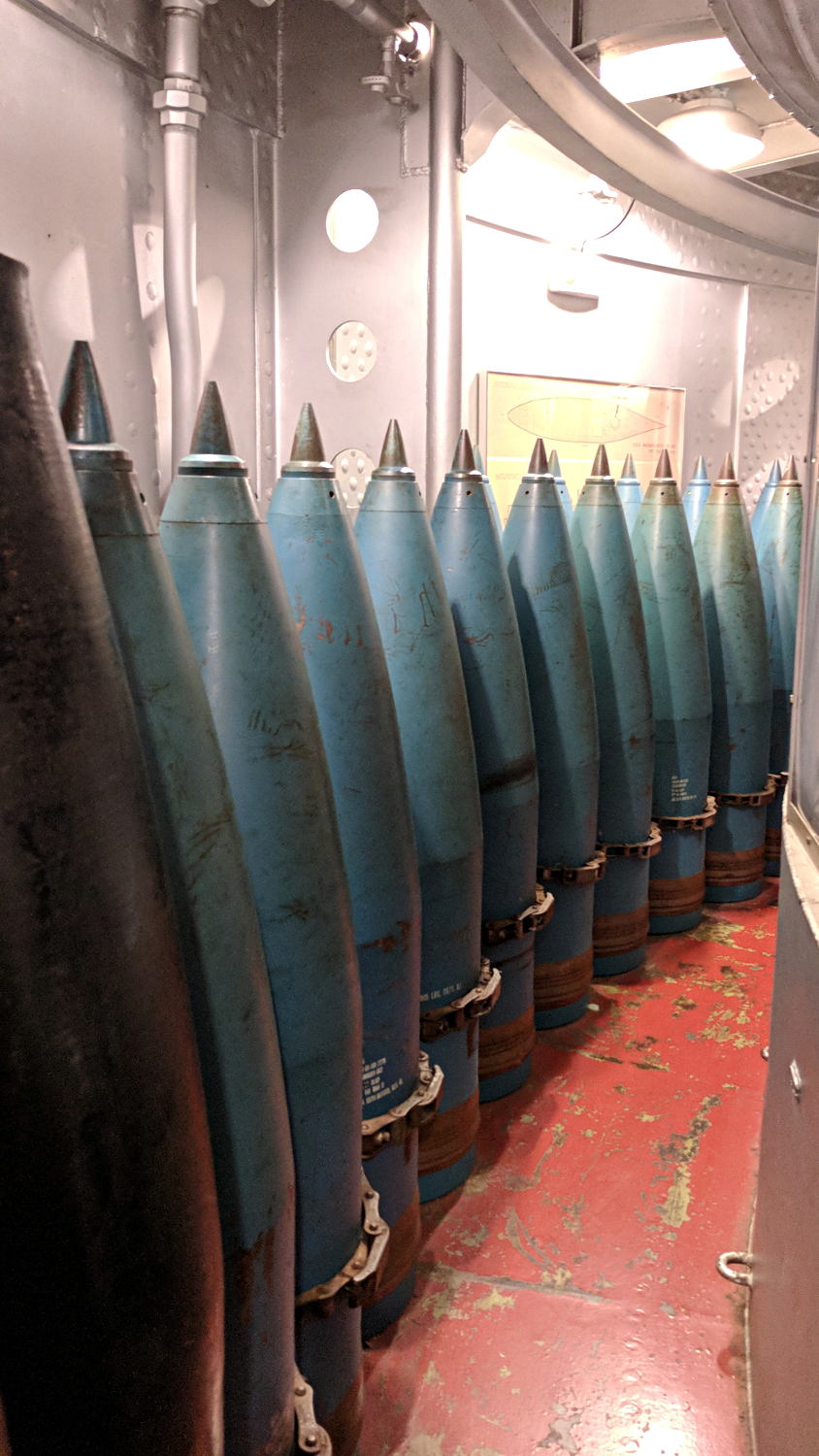
We explored the interior for several hours, all the way to the lower Turret 2 barbette:
USS Massachusetts BB-59 – Turret 2 Lower Barbette 16 inch Shell Storage
Each 16 inch projectile weighs 2700 pounds, with 800 shells distributed around three turrets. Looking at the drawings doesn’t make up for seeing the machinery.
The Massachusetts did shore bombardment during the Solomon Island campaign, where my father was assigned to guard a forward observer targeting Japanese redoubts and caves. He said the first rounds went over the far horizon, the second group landed short in the valley, and, from then on, the observer called out coordinates, walked the impact points down the valley, and wiped out each target in succession. BB-59 may not have been on the other end of those trajectories, but he said the Navy saved them plenty of trouble and inconvenience …
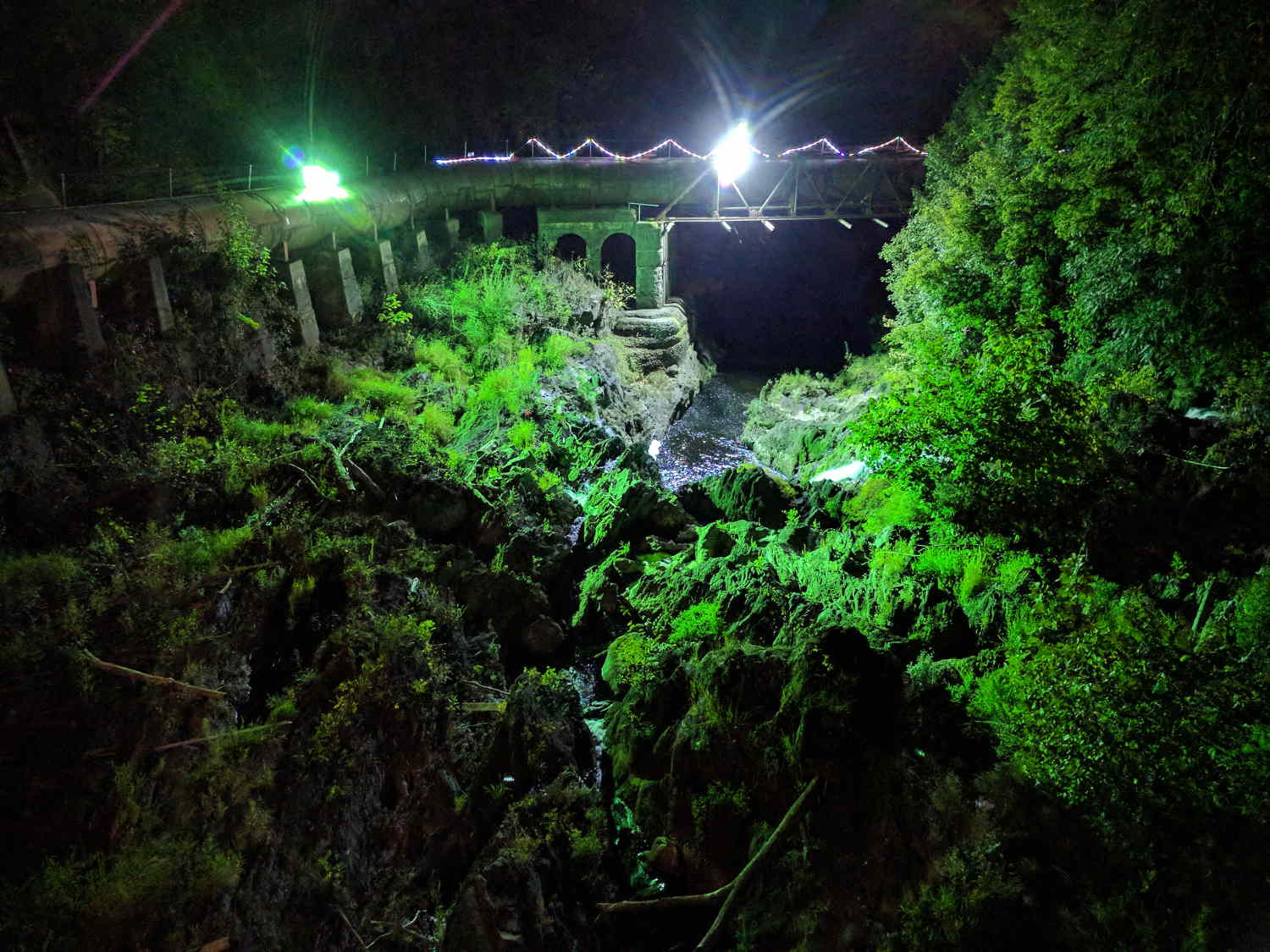
Contrary to what you might think, the gorge underfoot appeared almost black to the eye, particularly against the glare from the floodlights, so the HDR works very well:
The “1/10 s shutter speed” probably has very little to do with any physical event. AFAICT, the Pixel camera records 30 images/s for the on-screen preview, then uses various images before-and-after the shutter click for motion compensation and HDR processing. If so, “1/10 s” corresponds to three images.
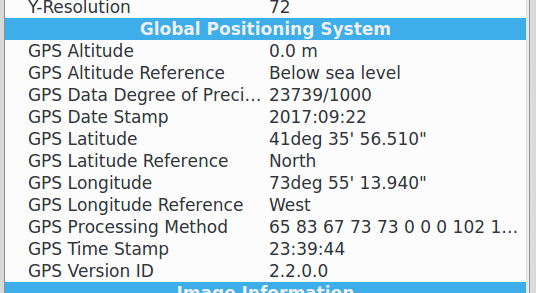
I had the Pixel location tracking in “battery saving” mode with the GPS turned off:
In reality, the bridge is about 90 feet above sea level. The “GPS Time Stamp” and, presumably, the date, use UTC. We’re in UTC-4, with Daylight Saving Time in full effect, so we were comfortably early for the 8 PM show.
The camera doesn’t produce DSLR-with-big-glass quality images, but it fits in my pocket and it’s better than my old Canon SX-230HS for most purposes.
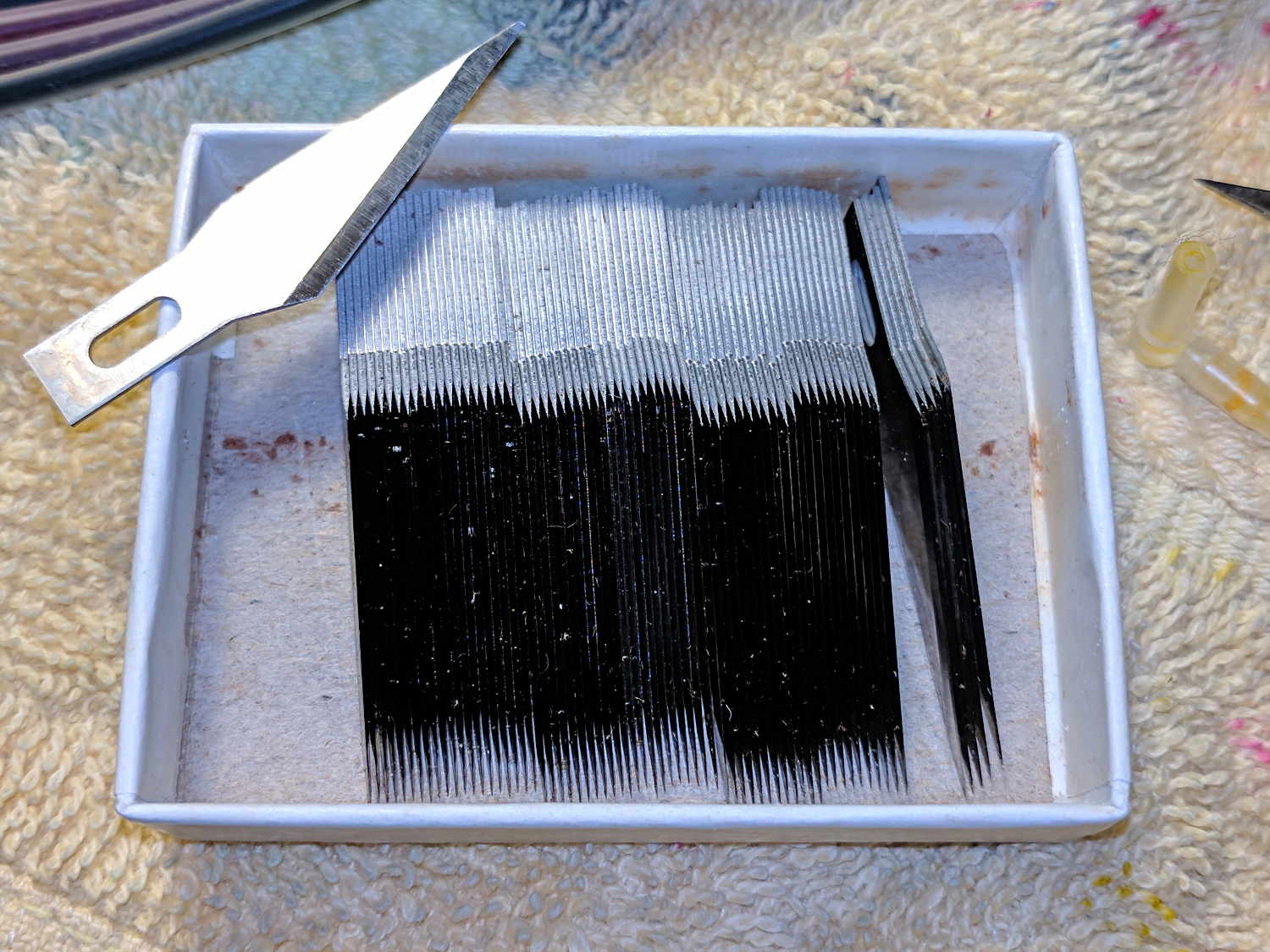
The best way to get a pure, non-reflective black uses optics, not pigments:
Matte black blade edges
The shiny steel blades reflect light just fine, but the reflections have no way back out of the gap between adjacent edges: the angle of reflection always points away from you and the incoming light.
I always admire the blackness when I open that box.
Yes, I’m a member of the Society of the Easily Amused.
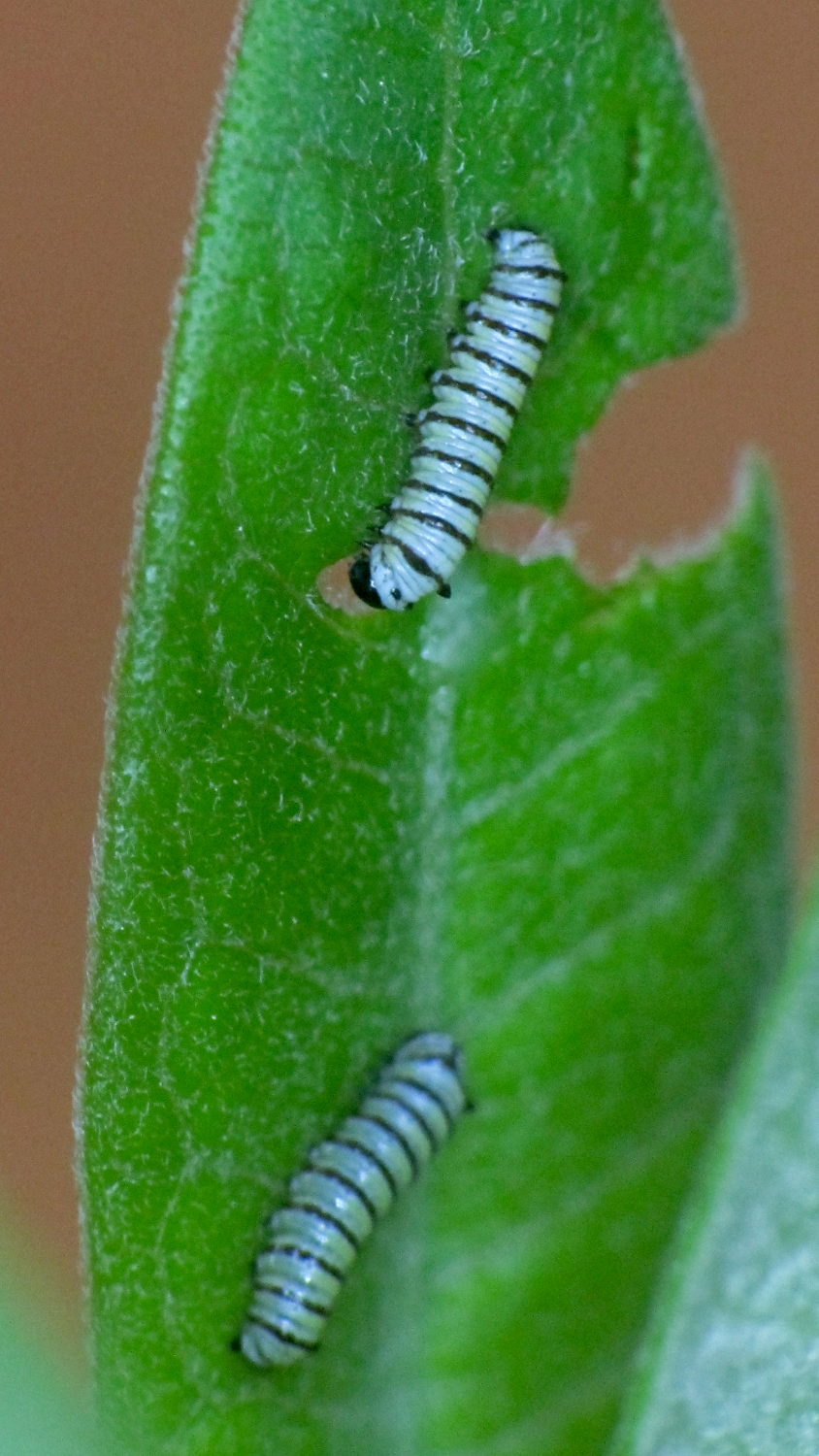
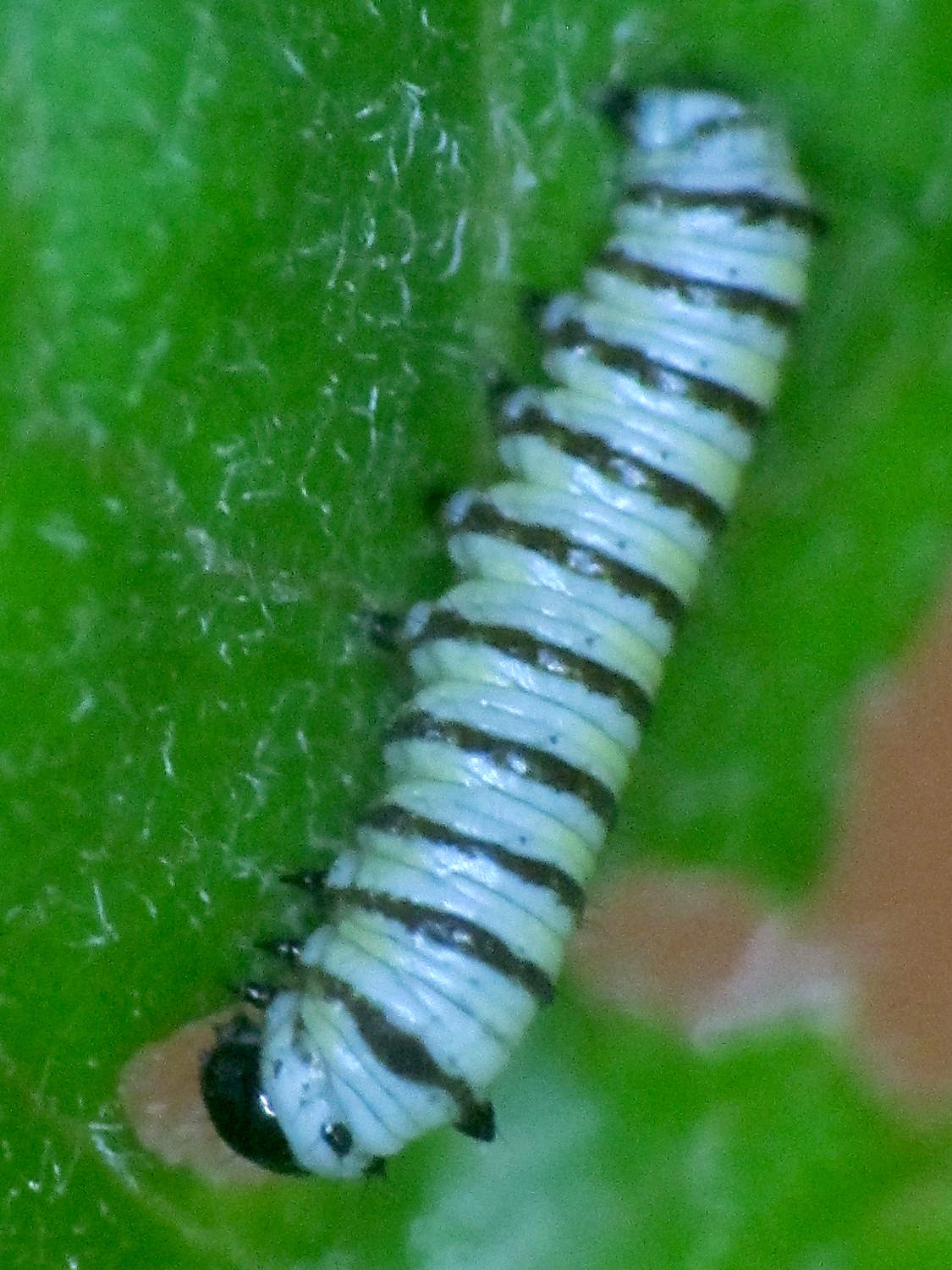
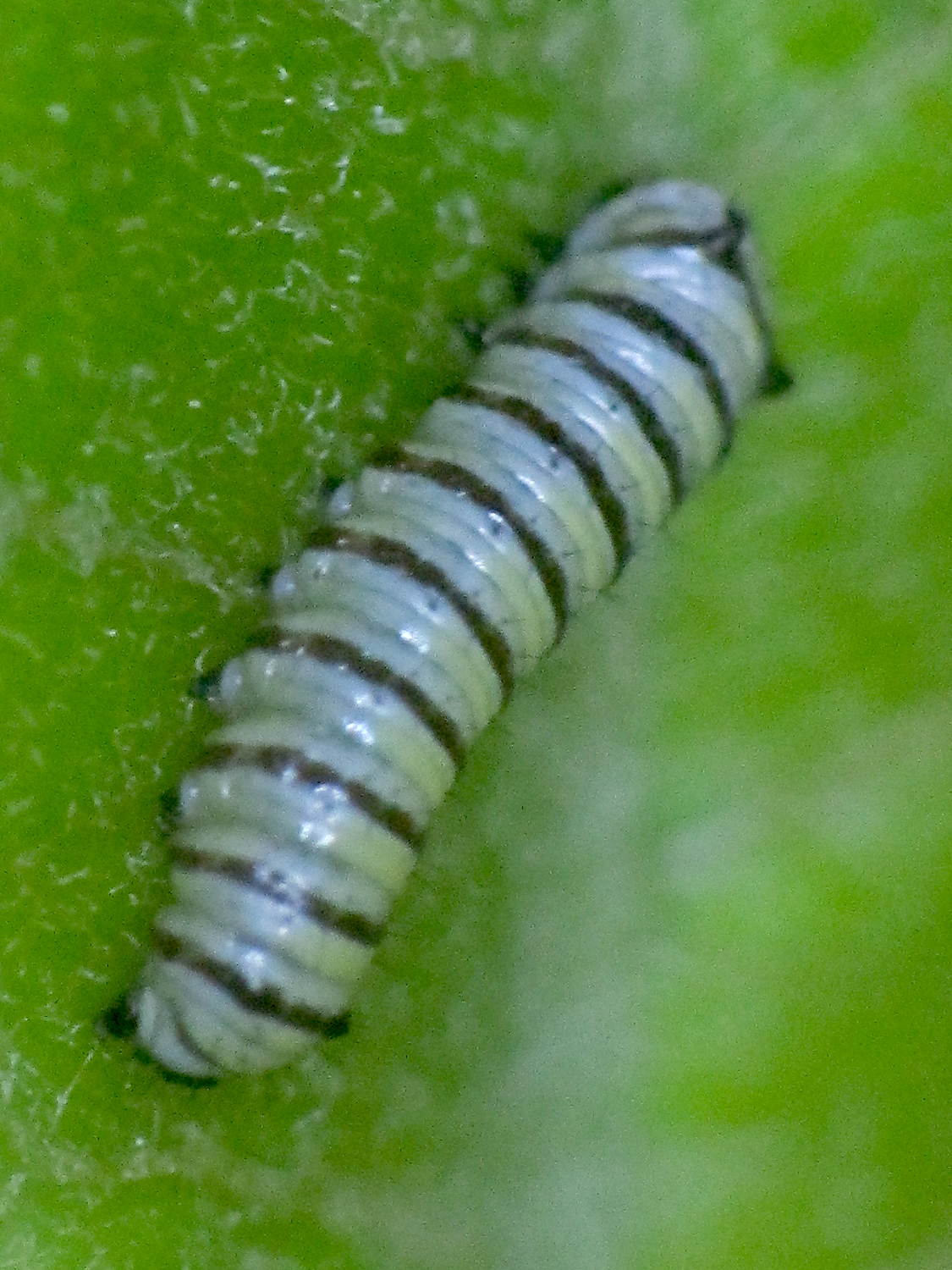
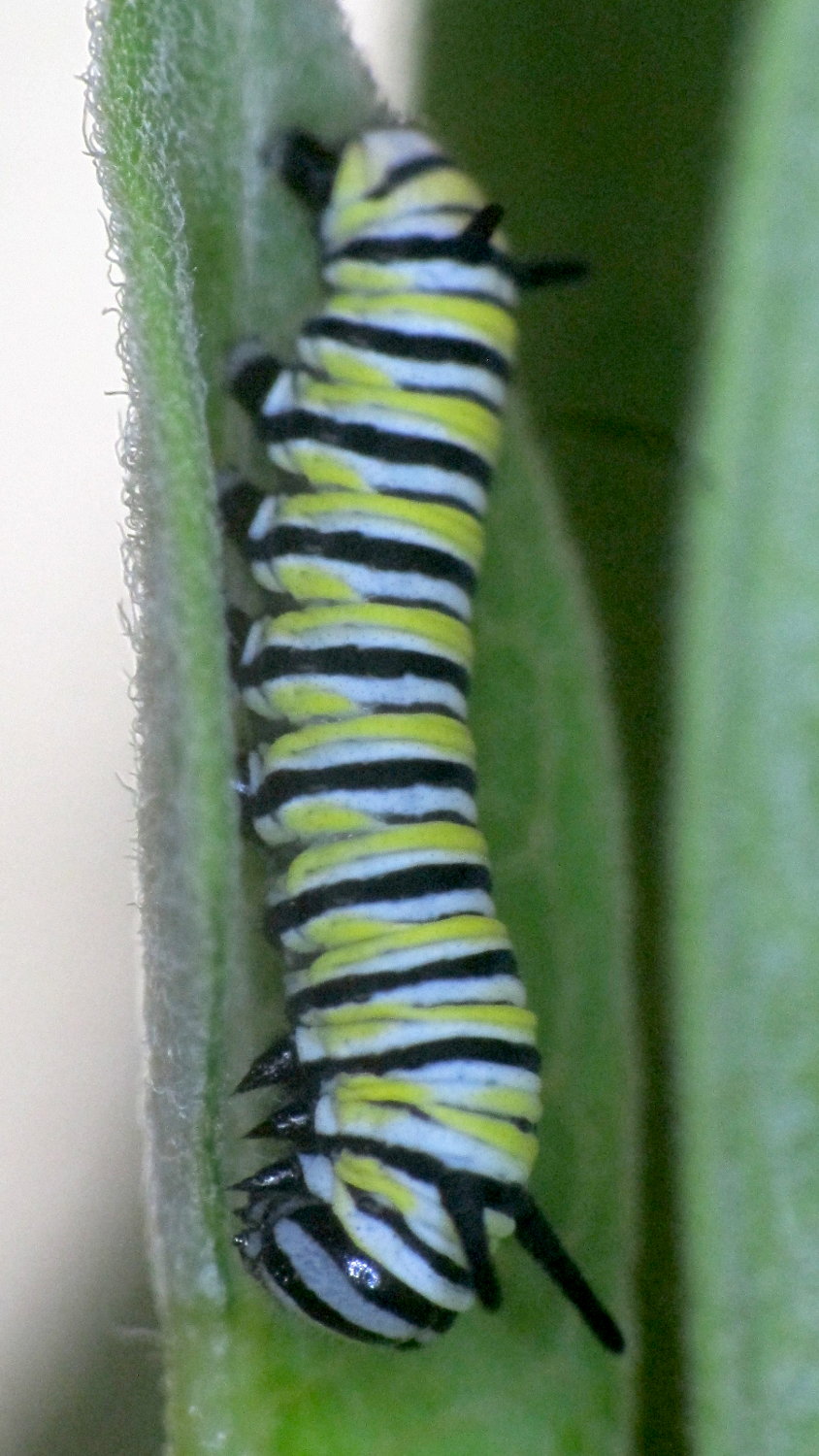
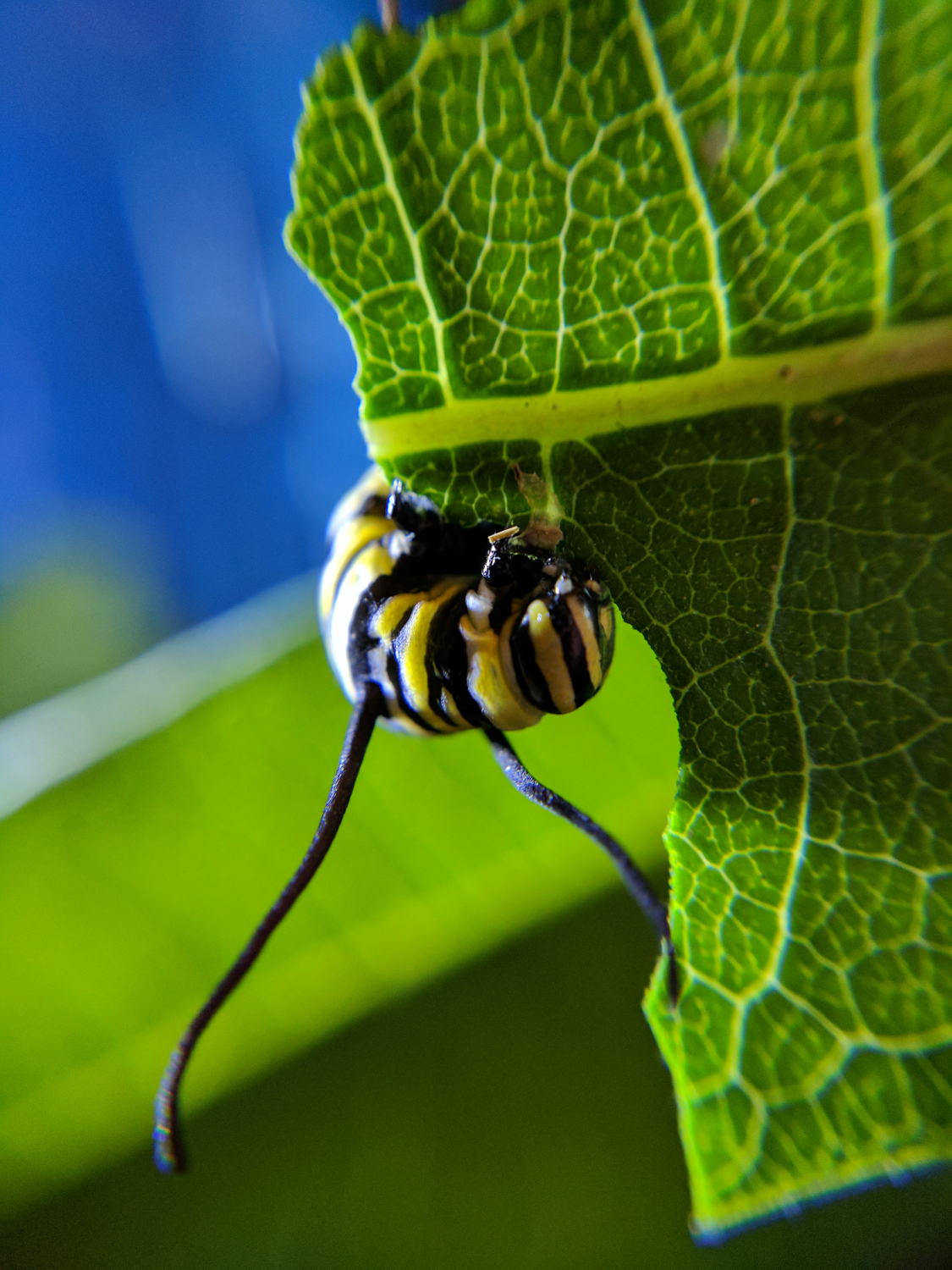
We kept fresh milkweed branches in a vase and the caterpillar ate almost continuously:
Monarch caterpillar – 2017-08-13
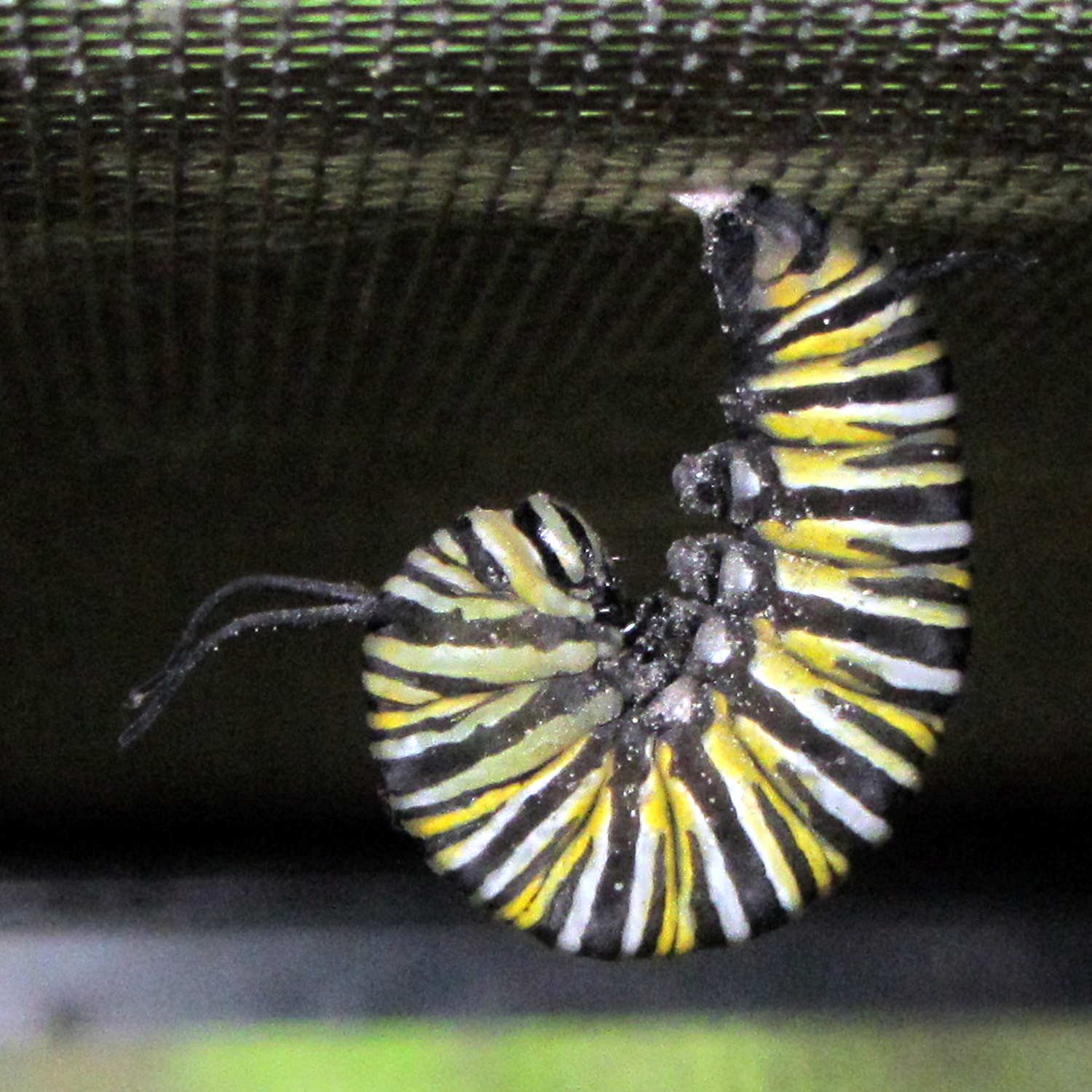
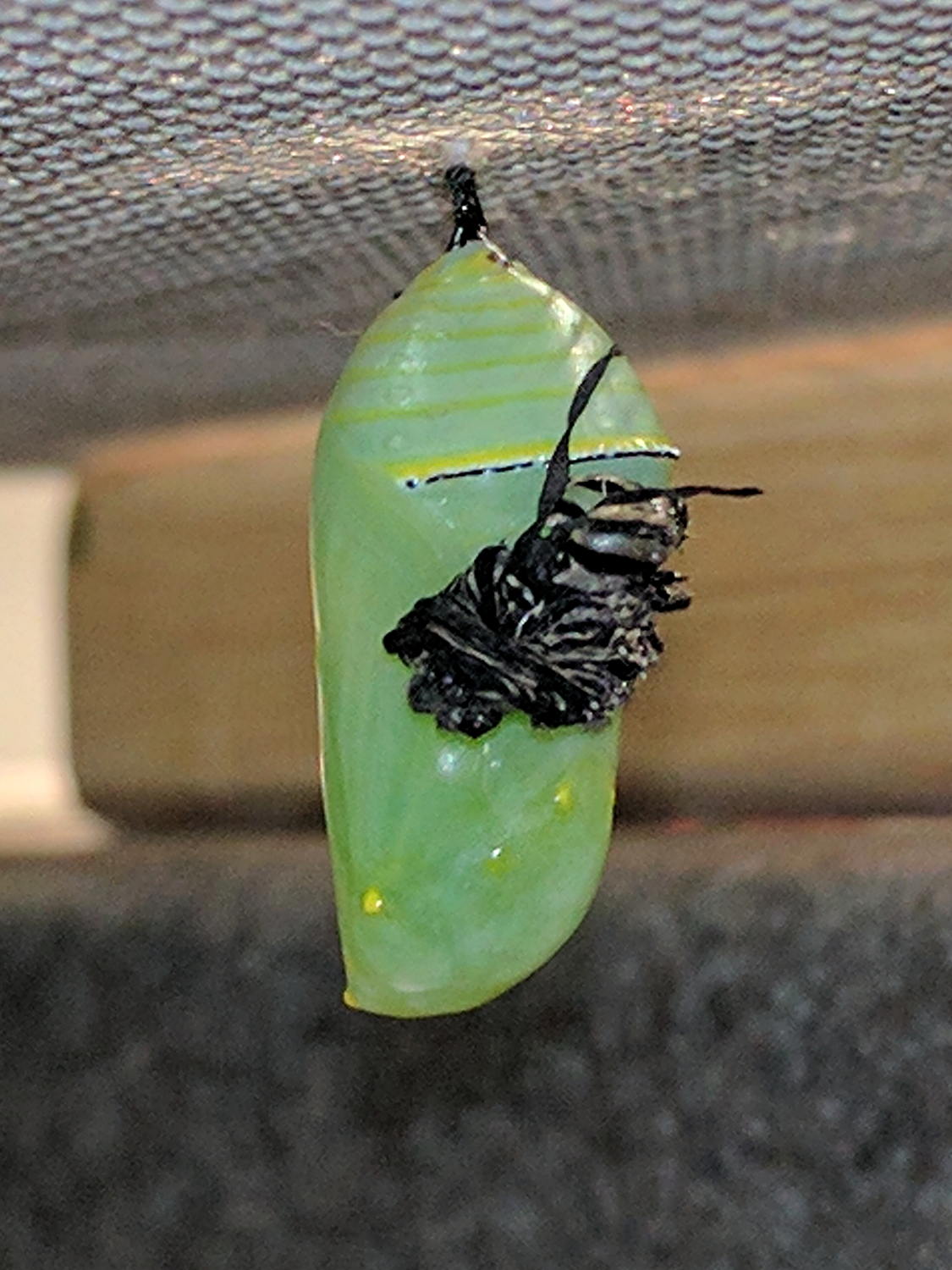
By August 15, the caterpillar was ready for the next stage in its life. At 10 in the morning it had attached itself to the screen covering the aquarium and assumed the position:
The discarded skin remained loosely attached until I carefully removed it.
What look like small yellow spots are actually a striking metallic gold color.
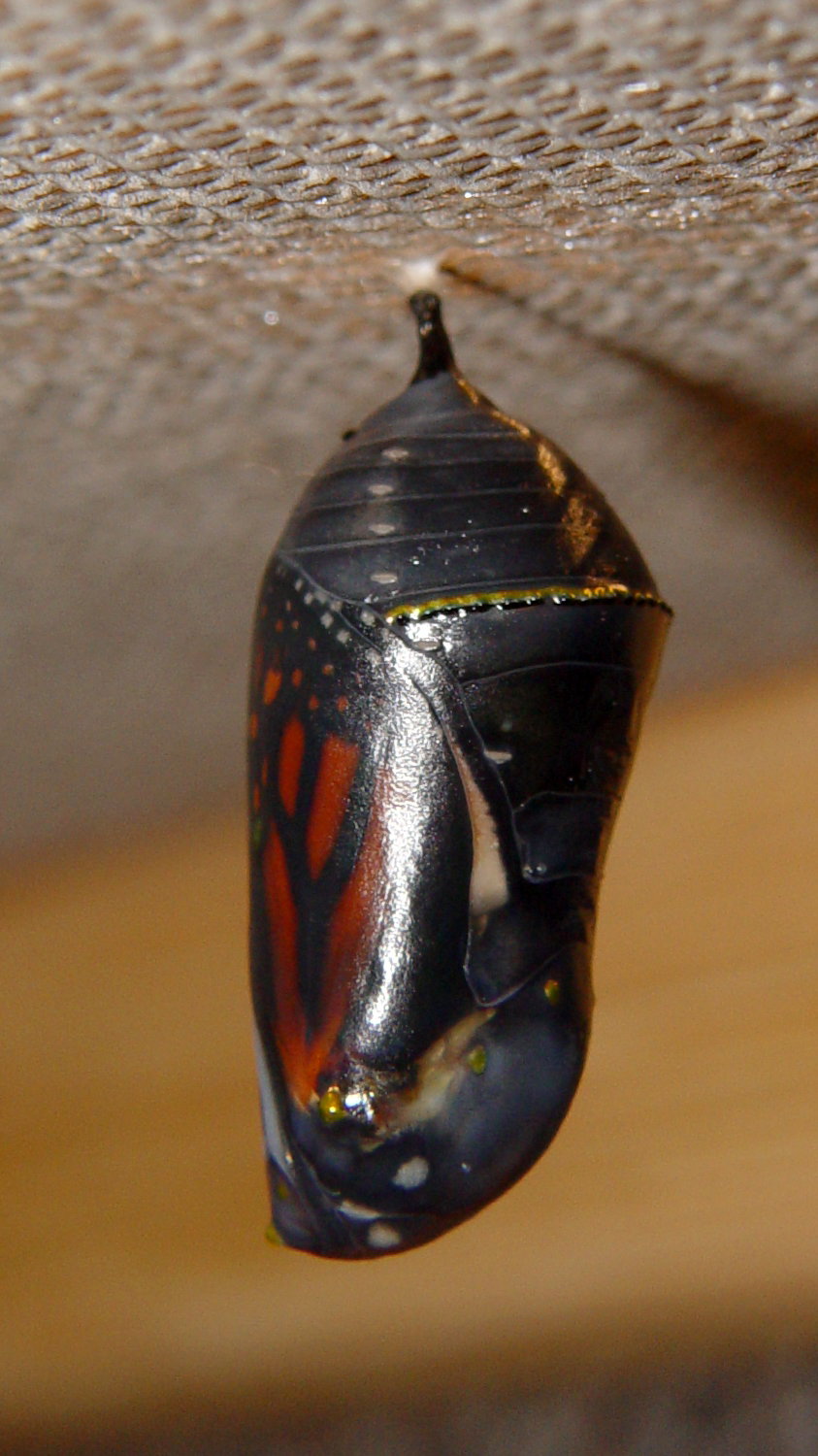
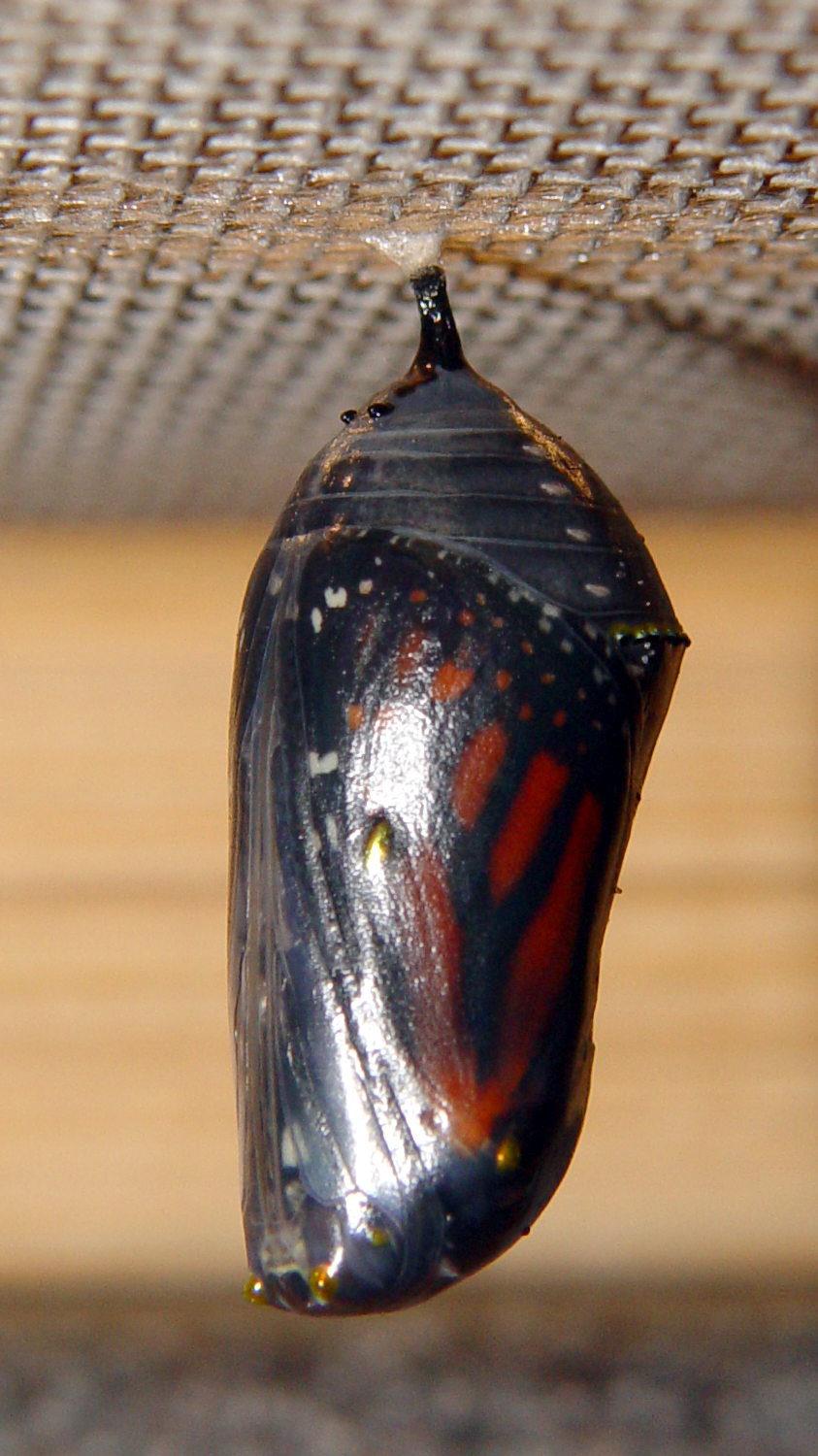
Eleven days later, on August 26 at 9 AM, the chrysalis suddenly became transparent:
Monarch chrysalis – ready – left
And:
Monarch chrysalis – ready – right
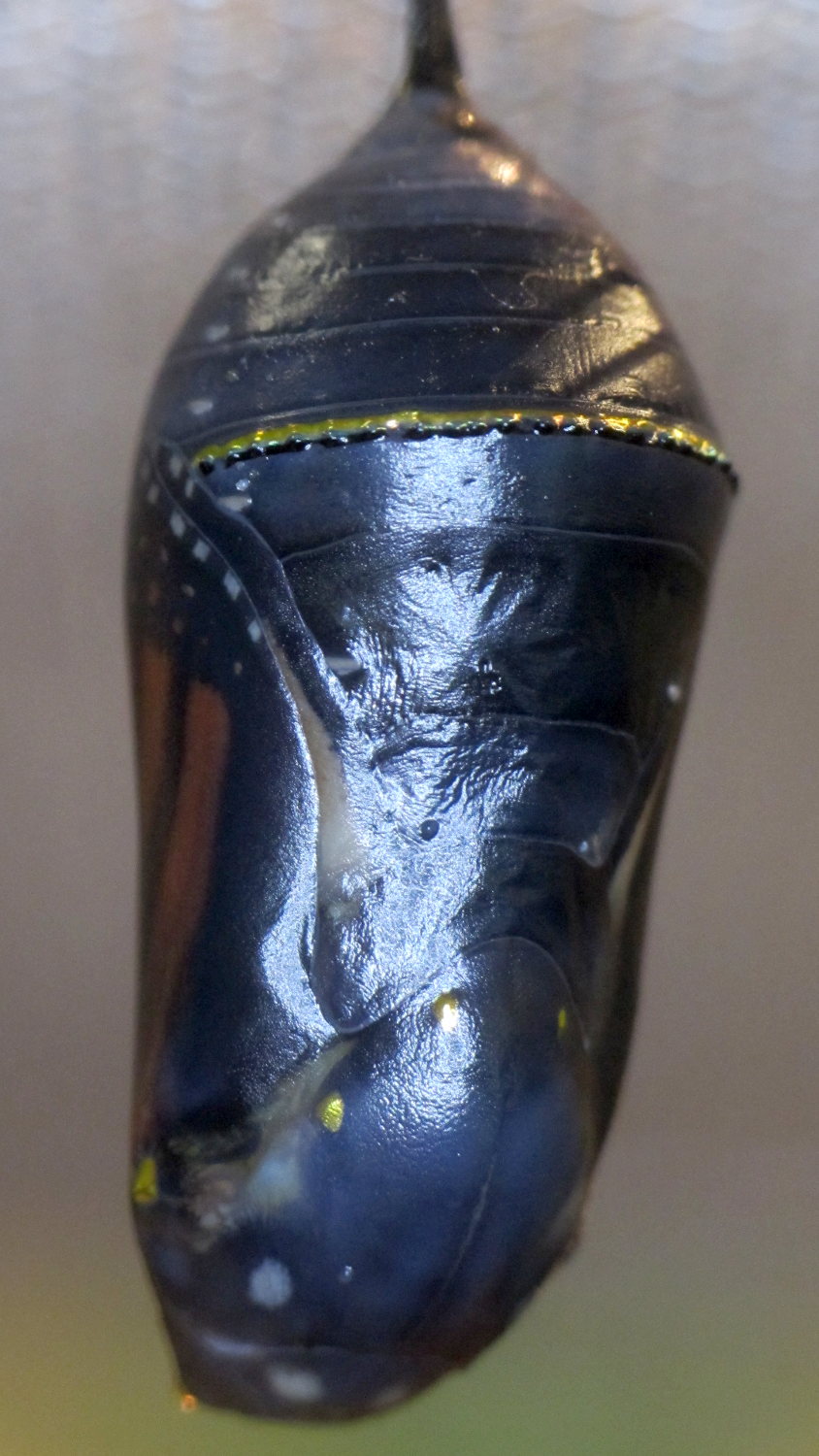
The shape of the butterfly becomes visible in reflected light:
Monarch chrysalis – ready – ventral detail
The gold dots and line remained visible.
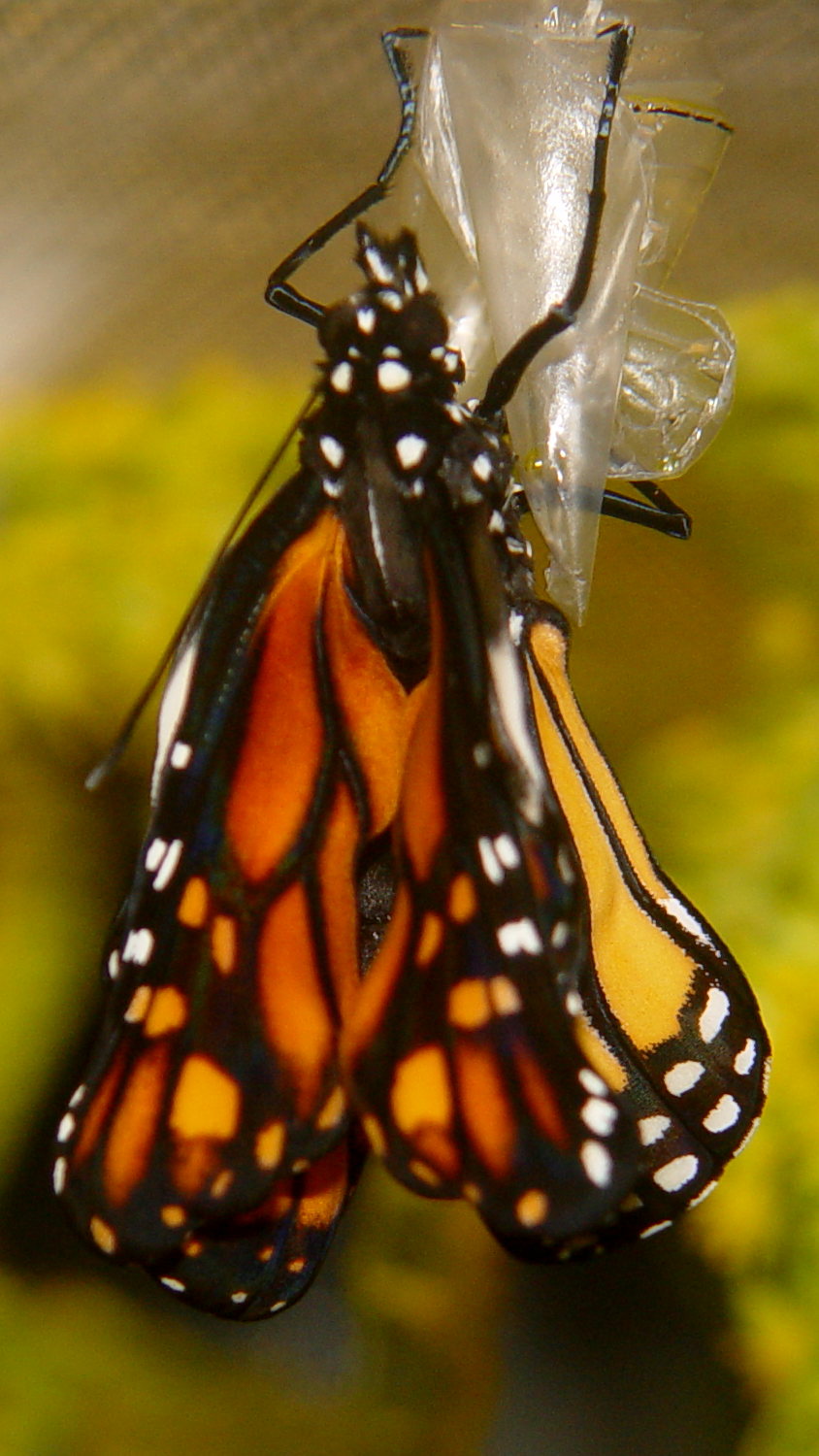
The magic happened at 3 PM:
Monarch chrysalis – emerging – unfolding
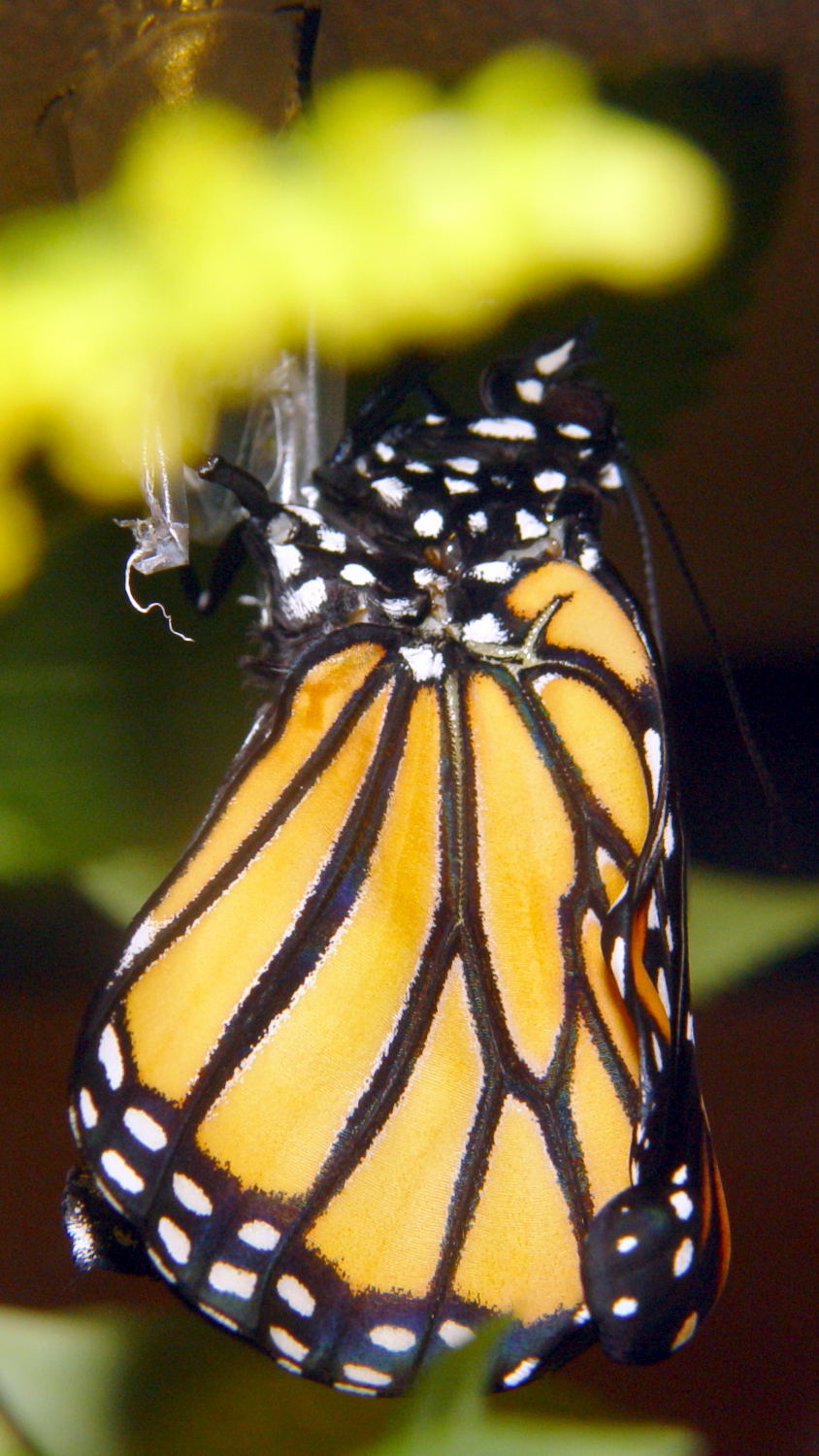
The compacted wings emerge intense orange on the top and lighter orange on the bottom:
Monarch unfolding – left
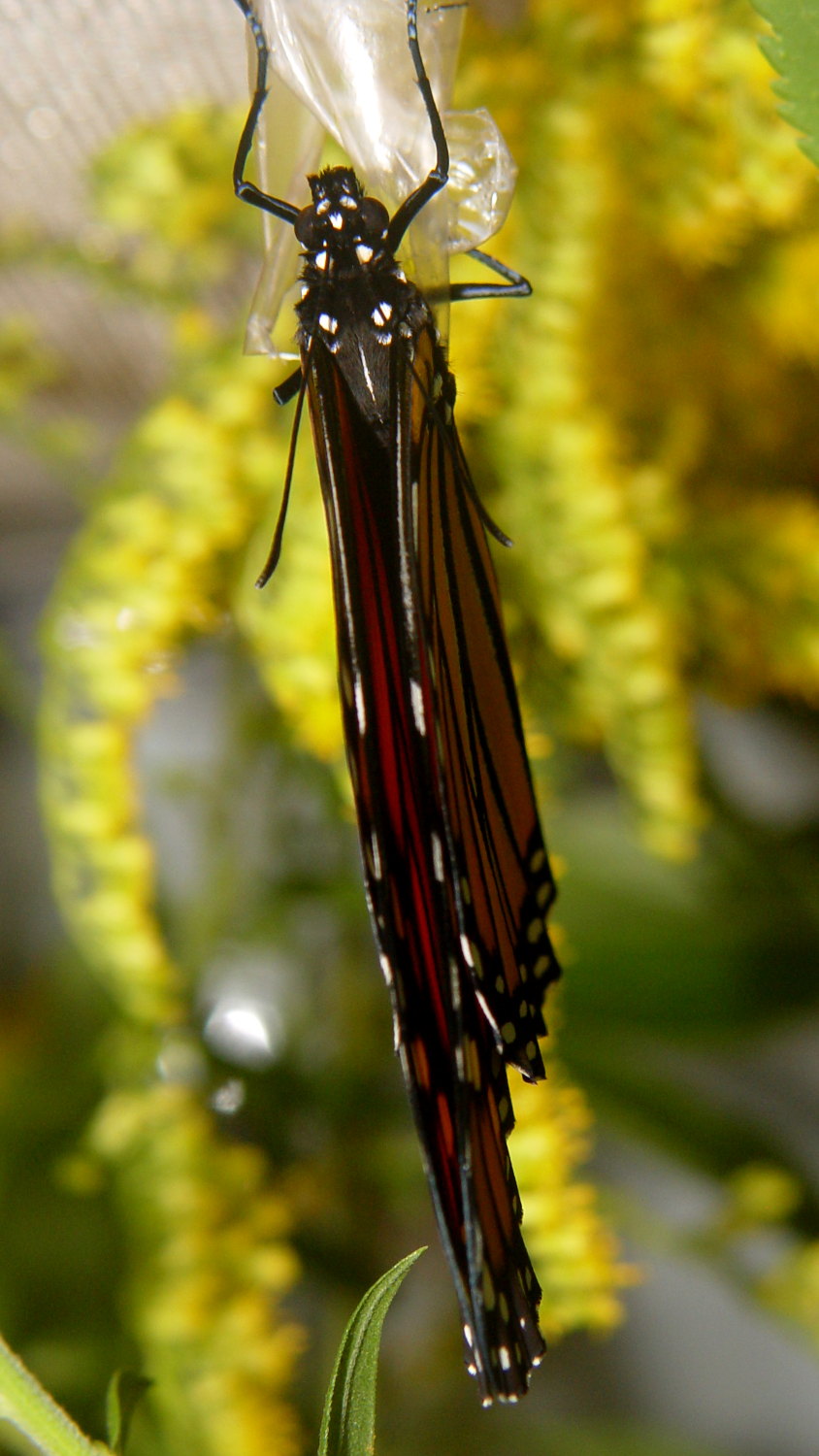
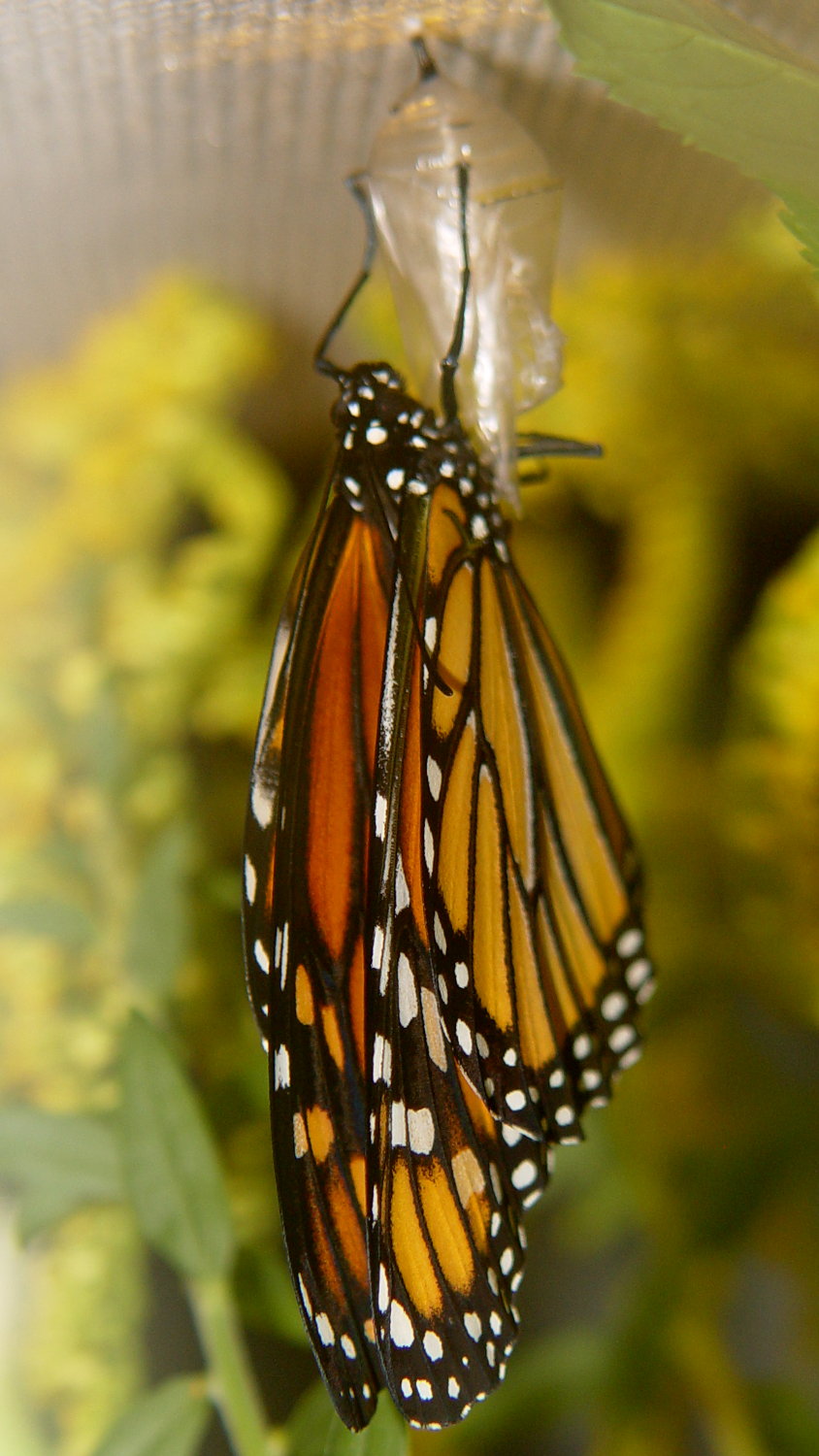
The butterfly took most of the day to unfurl and stiffen its wings into flat plates:
Monarch unfolding – dorsal
And:
Monarch unfolding – right
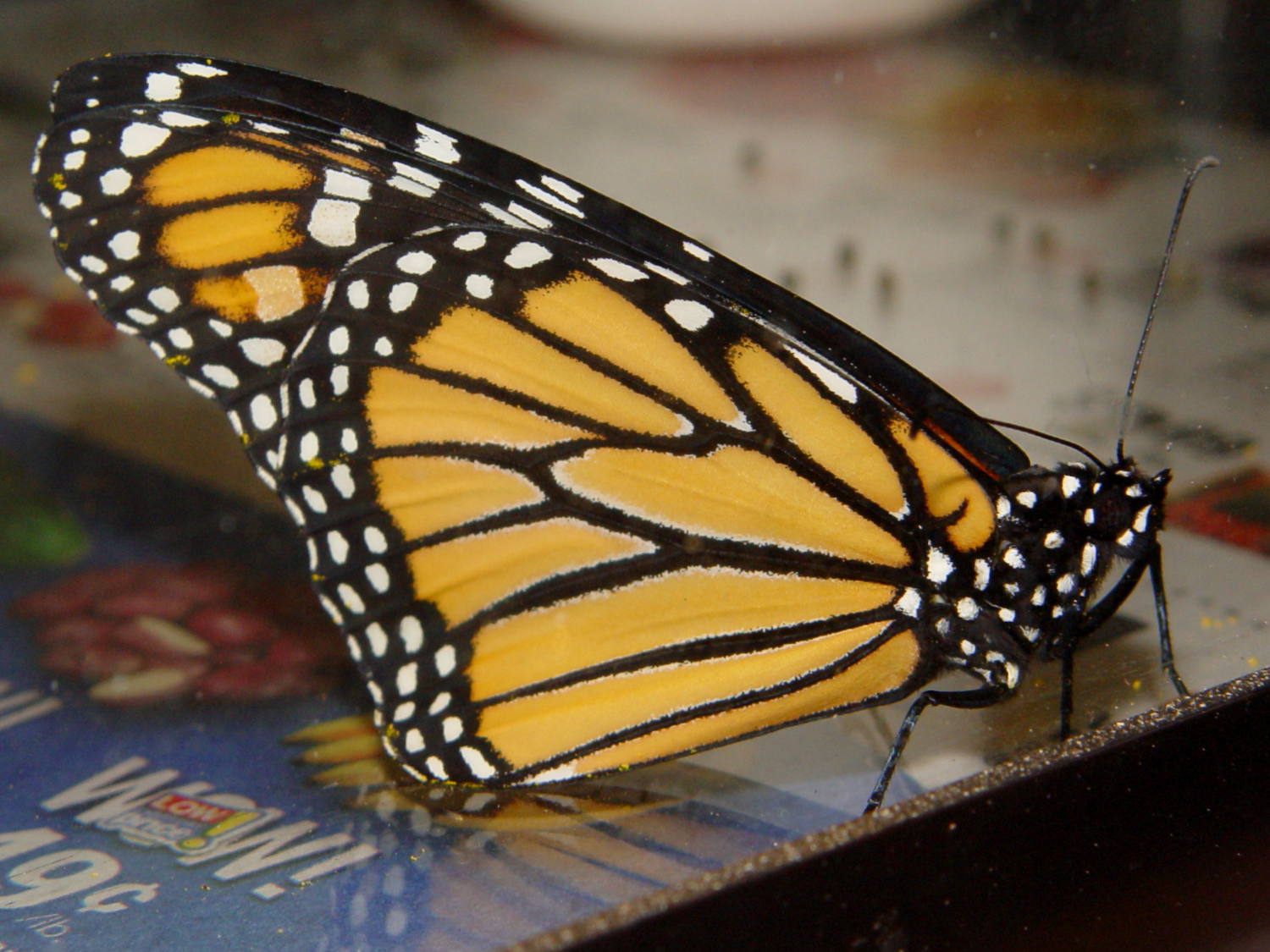
By 8 PM it began exploring the aquarium:
Monarch unfolded – right
As adults, they sip nectar from flowers, but don’t feed for the first day, so we left it in the aquarium overnight.
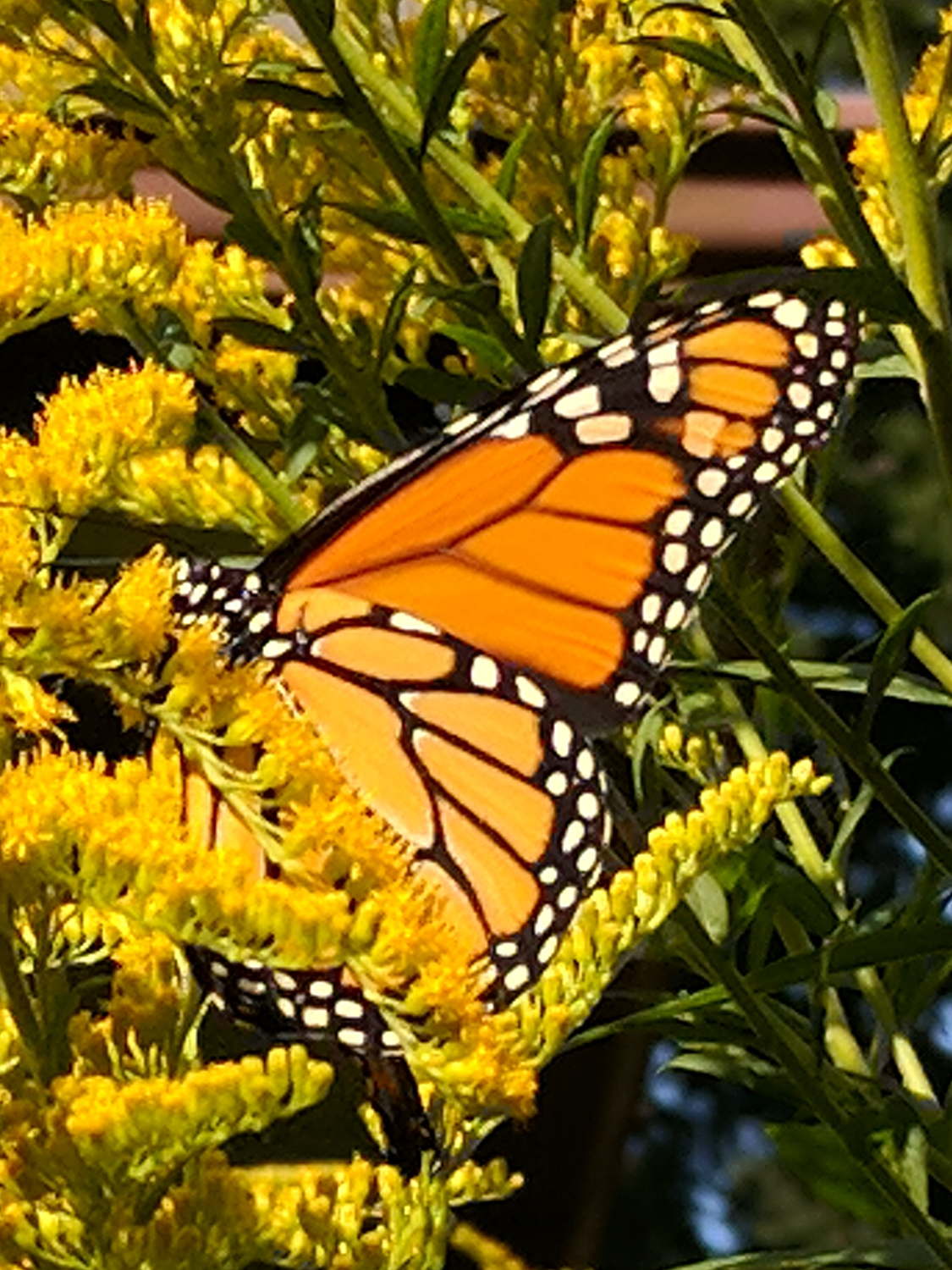
At 10 AM on August 27, we transported it to the goldenrod in the garden, where it immediately began tanking operations:
Monarch on Milkweed – left
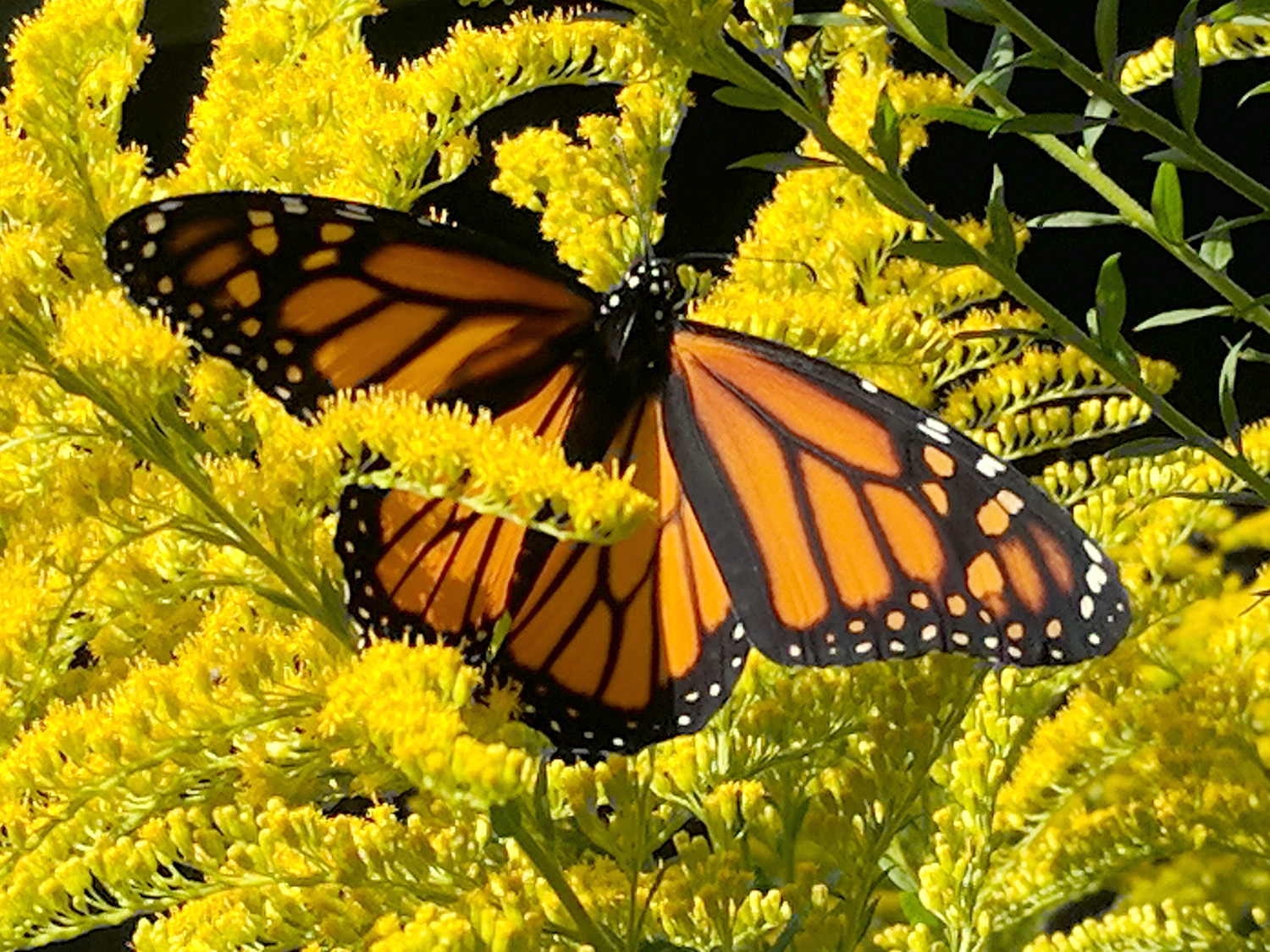
A few minutes later, it began sun-warming operations:
Monarch on Milkweed – dorsal
Mary watched it while she was tending the garden and, an hour or so later, saw it take off and fly over the house in a generally southwest direction. It will cross half the continent under a geas prohibiting any other action, eventually overwinter in Mexico with far too few of its compadres, then die after producing the eggs for a generation beginning the northward journey next year.
Godspeed, little butterfly, godspeed …
In the spirit of “video or it didn’t happen”, there’s a 15 fps movie of the emergence taken at 5 s/image.








 The Smell of Molten Projects in the Morning