Ed Nisley's Blog: Shop notes, electronics, firmware, machinery, 3D printing, laser cuttery, and curiosities. Contents: 100% human thinking, 0% AI slop.
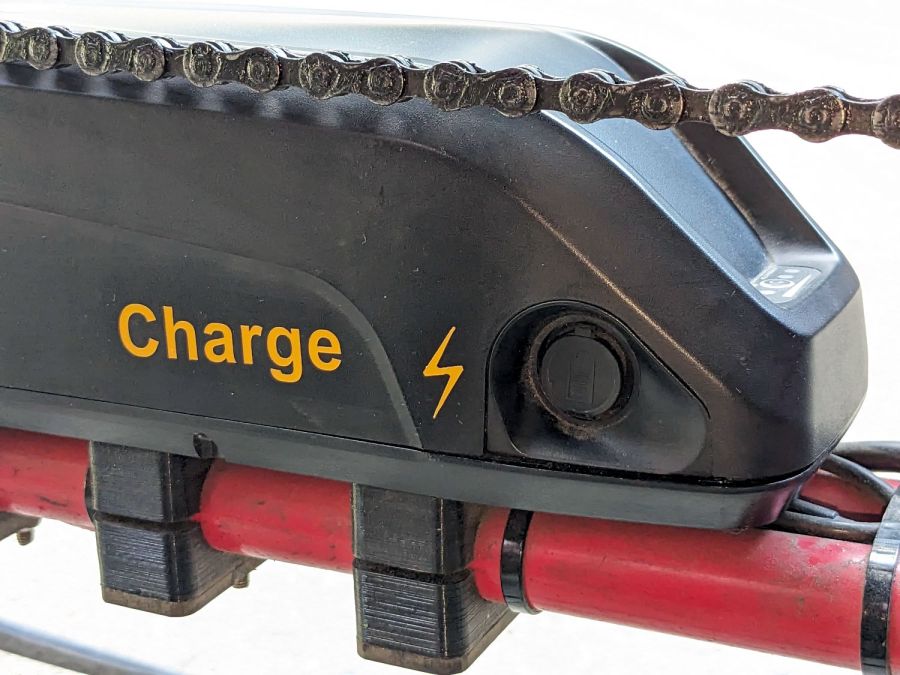
Based on Tee’s unfortunate experience, I finally got around to labeling the Bafang batteries on our Tour Easy ‘bents:
Bafang battery labeling – charge jack
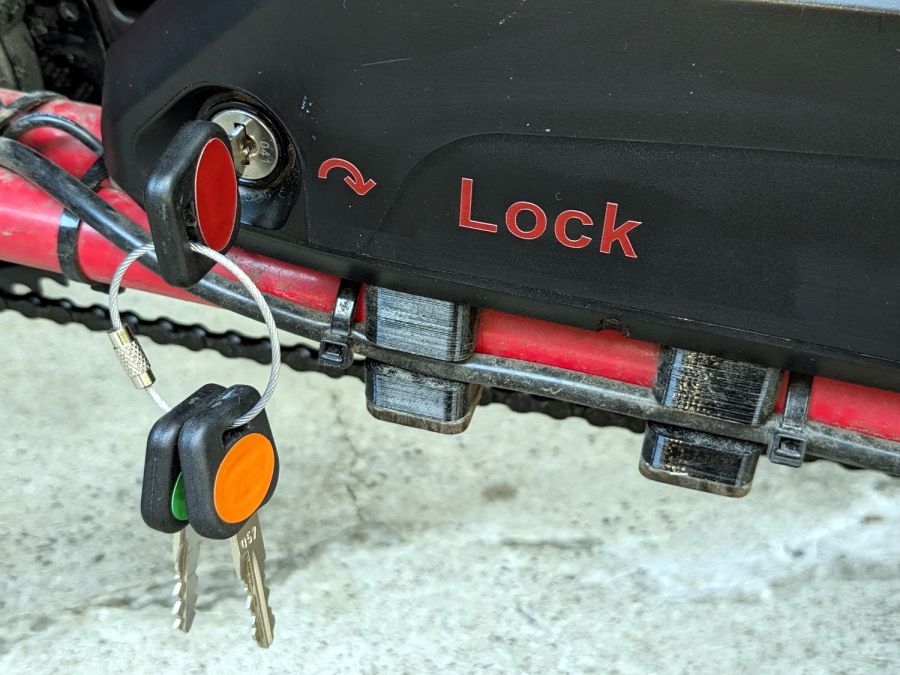
On the other side, each lock is now color-coded to its key:
Bafang battery labeling – lock and keys
It’s laser-safe polyurethane vinyl applied to the battery after vigorously wiping crud off the surface with denatured alcohol. Think of it as an outdoor testcase for PSA vinyl.
I’m sure there’s a master key out there for all e-bike locks, but we remove them so rarely the color coding should suffice.
Worst case, pick the lock with a piece of wire and a hex key.
Clearing off the Electronics Bench unearthed the probes for my fancy Siglent SDM-3045 bench meter, which had been producing erratic readings. I isolated the problem to the red probe, which had an irregularly variable resistance ranging upward from a few ohms.
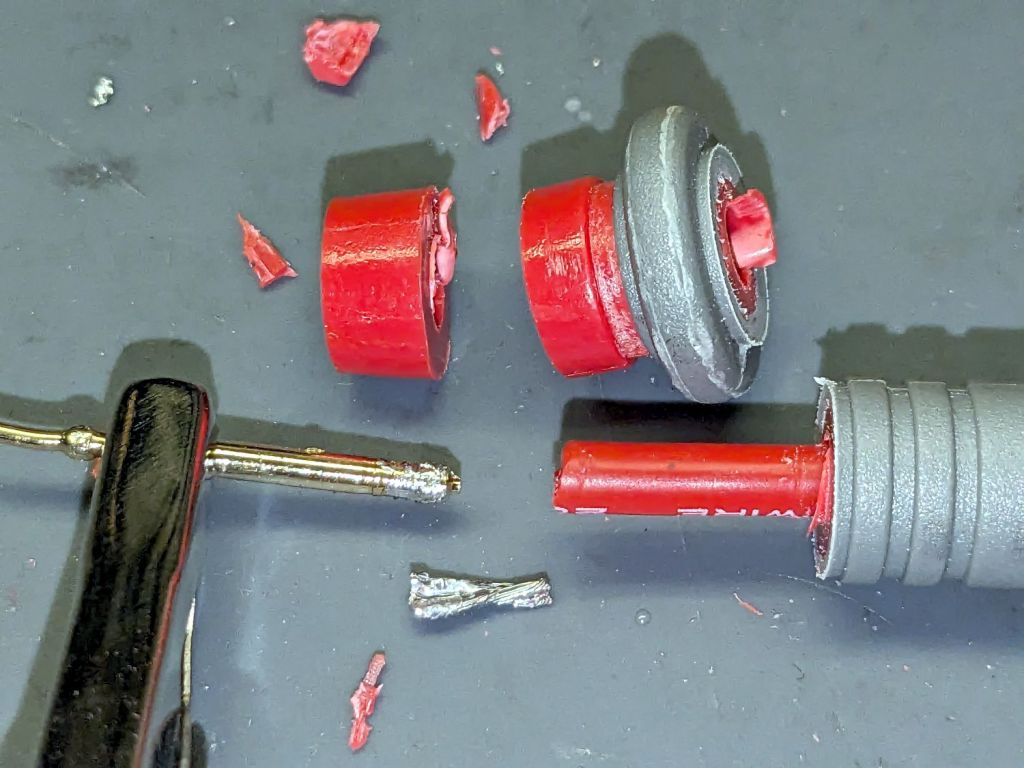
The probe being a non-repairable thing, I used the lathe to cut it apart and eventually found the problem:
Failed Siglent DMM probe
The probe tip on the right originally had no solder on it at all (*), with the curved part of the soldered wire fragment resting around it. The plastic pieces originally molded around the tip and wire applied enough force to hold them together, but the wire fragment fell out as I dismantled the probe.
Apparently the assembler didn’t get enough heat on the wire-to-tip joint to melt the solder on the probe tip, but the plastic shell got it past whatever QC might have happened between assembly and the shipping department.
A few years back, I refurbished all my failing alligator clips (using the Siglent meter and its test probes!) and no longer believe increasing my spend for such things will increase their quality. I’d love to be proven wrong, but the evidence is definitely stacking up the other way.
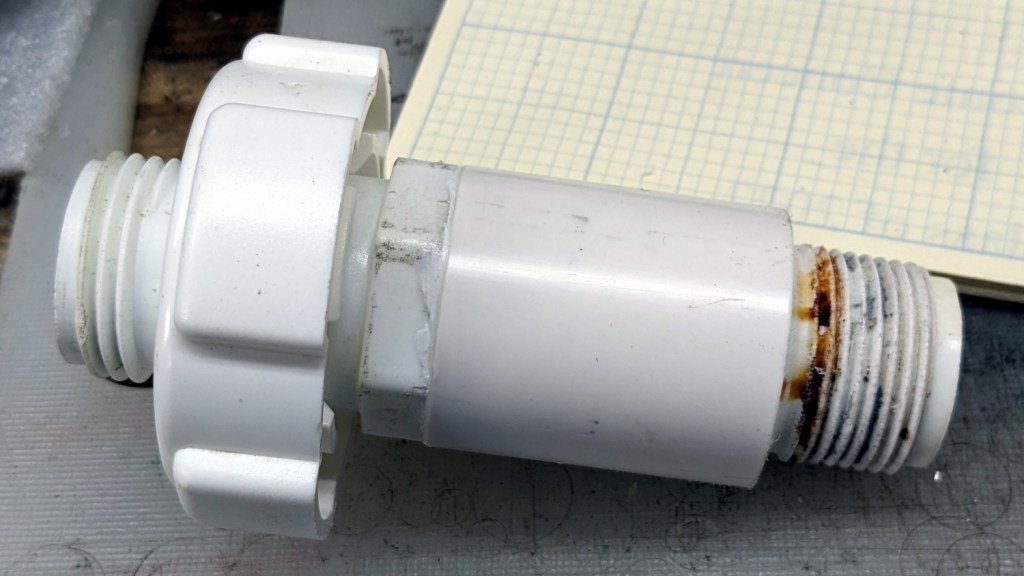
It lacks the flange required to seal the O-ring against the outside of the bin, but I can fix that:
Can-o-worms – sleeved valve
It’s a chunk of PVC pipe faced to the proper length, bored to fit the valve body, then gooped in place with acrylic caulk.
Snug the nut inside the bin and it’s all good:
Can-o-worms – new valve installed
The original valve depended on having a smooth plug turning inside the outer shell, but years of grit scarred the interface enough to produce a slow drip. It also had the annoying mis-feature of aiming the opening inward, between the bin legs, where a jug didn’t quite fit.
The water heater valve depends on compressing a smaller O-ring against a seat inside the body, which may tend to clog with crud. We added a mesh filter to hold back the worst of the gunk, so this is in the nature of an experiment using free hardware.
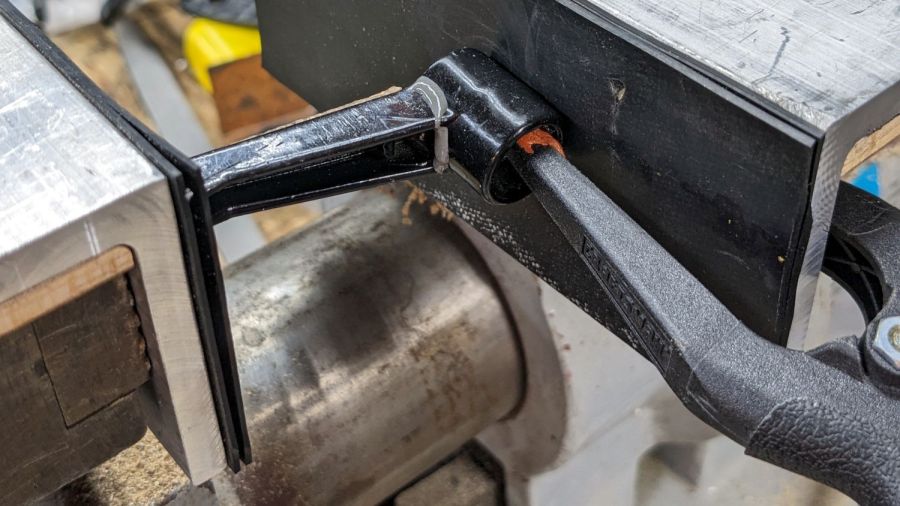
I finally managed to whack the mini-lathe’s carriage stop handle with the chuck, prompting a quick repair:
Carriage Stop – handle epoxy clamping
I probably should have epoxied a rod into the recess under the handle, seated in a drilled hole into the hub, but let’s see how long this quick-n-dirty version lasts.
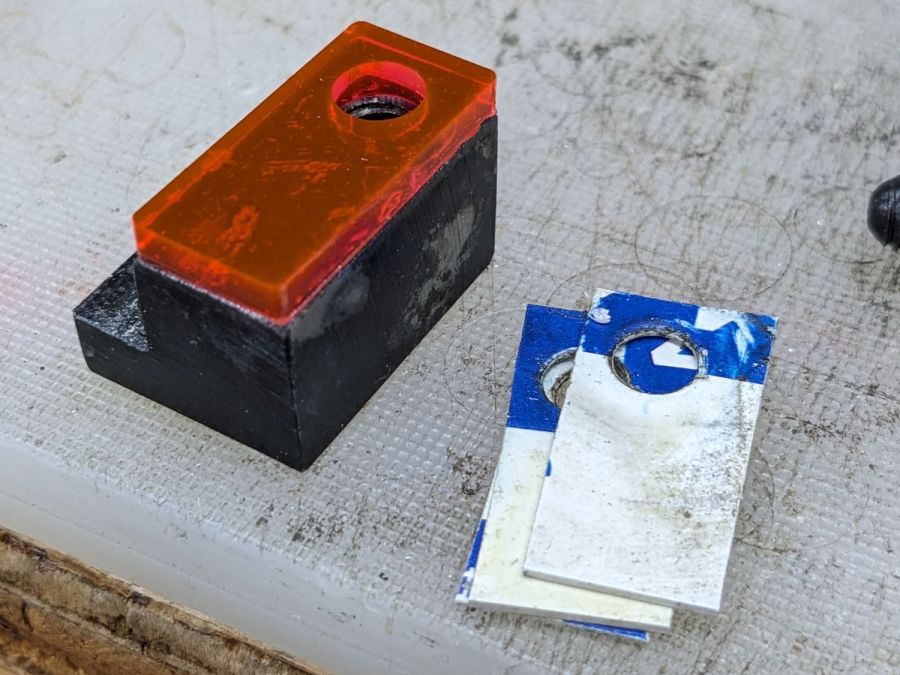
While I had the hood up epoxy was curing, I lasered a block of edge-lit acrylic to replace the credit card shims:
Carriage Stop – spacer
Which turned out to be one itsy too thick. Rather than sand / machine it down, the step over on the left grew a little brass shim:
Carriage Stop – spacer and shim
Both pieces depend on snippets of adhesive sheet to hold them in place, which seems reasonable because they’re always in compression. That also eliminates the hole and pin I originally thought would be necessary; living in the future is just grand.
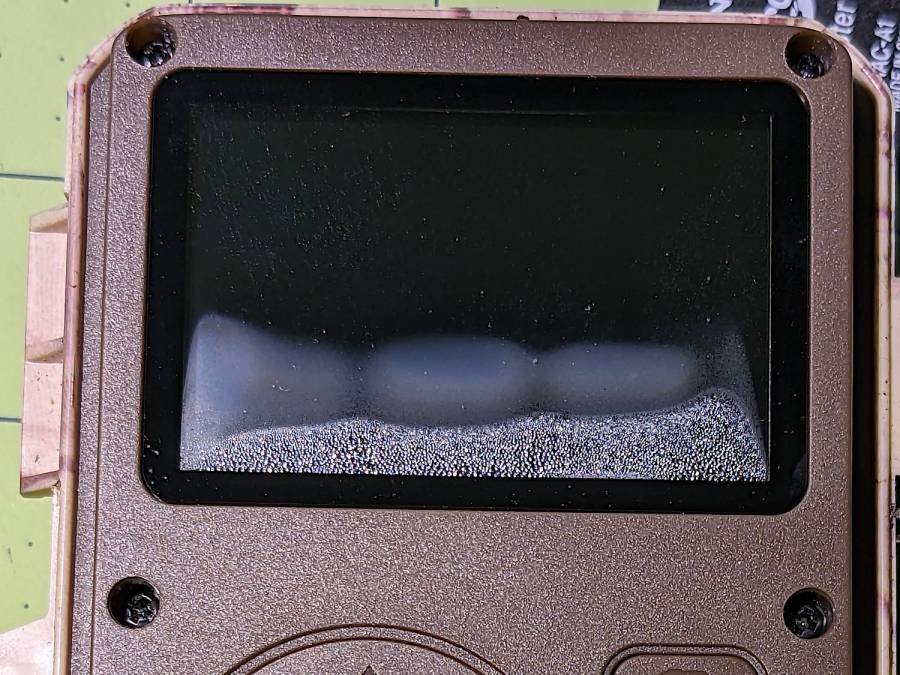
The SJCAM M50 camera gasket seems unable to cope with The New Normal weather conditions around here:
SJCAM M50 – screen condensation
I think this was probably another case of diurnal pumping, given the exceedingly hot days and cool nights in late July.
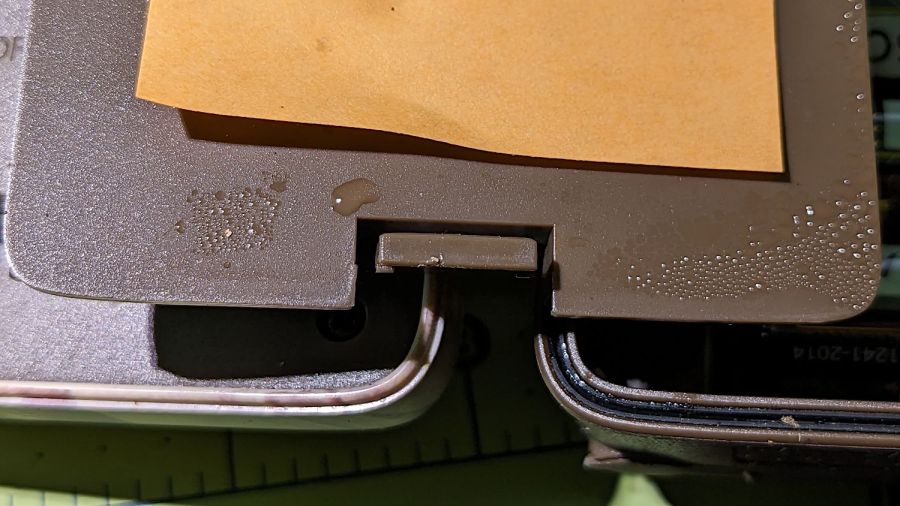
Plenty of water condensed on the bottom of the battery compartment cover:
SJCAM M50 – battery lid condensation
And inside the compartment around the AA cells:
SJCAM M50 – battery compartment condensation
Unlike the previous leak, the camera lens wasn’t involved, so I did not disassemble the case. I let the opened camera (without batteries) dry out in the hot hot sun for the rest of the day and it seemed fine by evening.
Keeping it out of full sunlight during the day definitely limits the locations I can use.
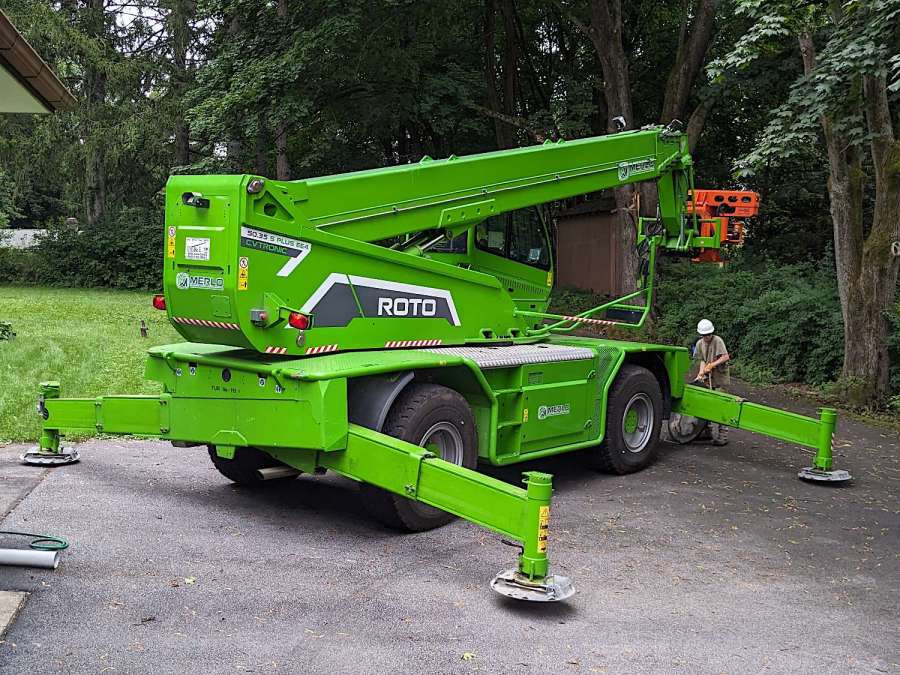
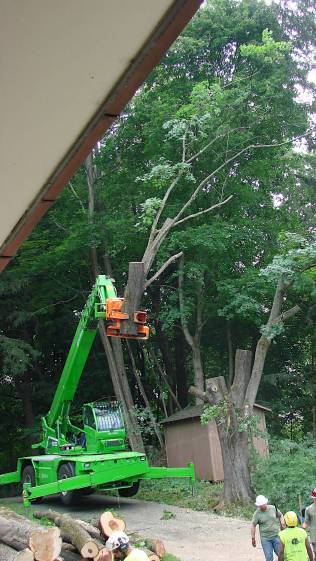
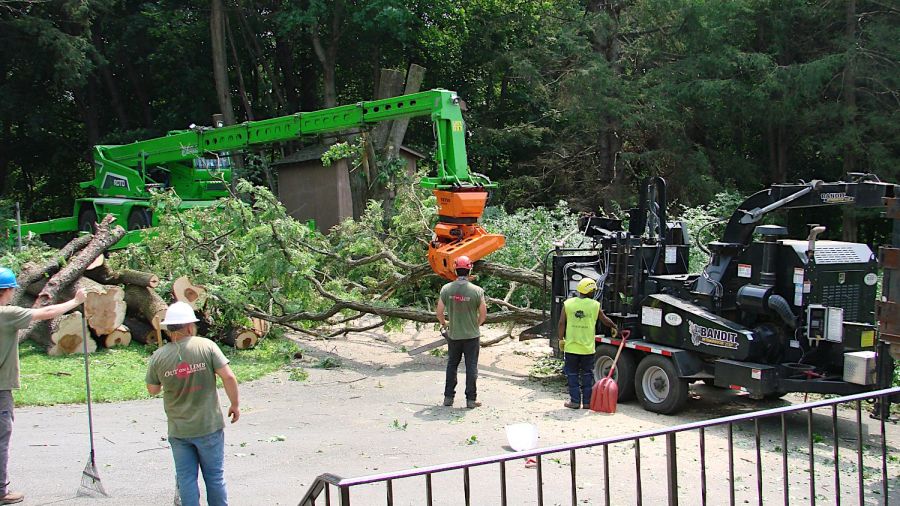
The best bid on a recent tree removal project replaced most of the usual crew with a Merlo Roto telehandler:
Tree Work – Merlo setup
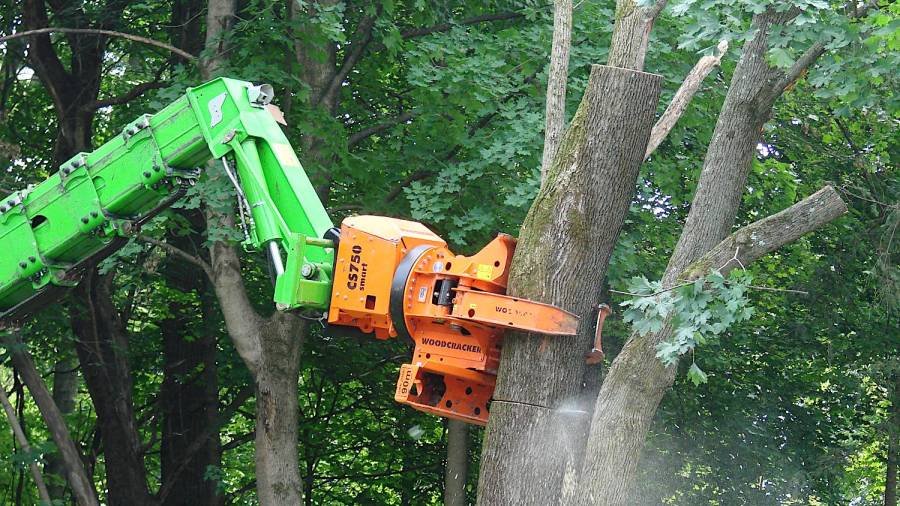
The orange gadget on the end of the boom is a Woodcracker manipulator with a terrifying switchblade chainsaw:
Tree Work – Merlo Woodcracker – rear
The saw has hydraulic motors, so you can hear the blade ripping through the wood.
The jaws above the saw hold the piece during the cut:
Tree Work – Merlo Woodcracker – side
Then lift it away:
Tree Work – Merlo Woodcracker – cut lift
The boom has a 115 foot vertical reach, so it can remove entire treetops:
Tree Work – Merlo Woodcracker – align
Then align the branch with the chipper’s gullet and ram it into the feed rollers, with no intervention from the ground crew:
Tree Work – Merlo – chipper feeding
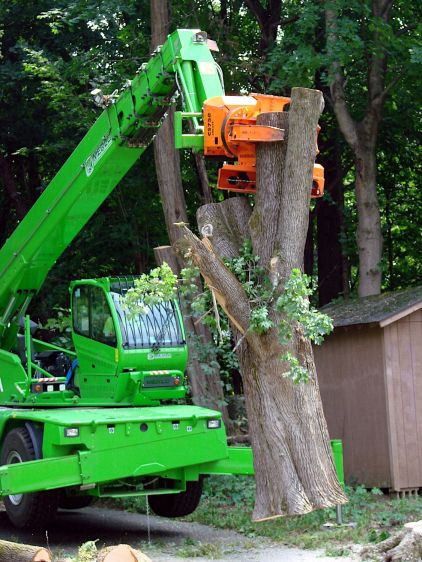
The Woodcracker chainsaw isn’t quite long enough for the trunk, so the jaws stabilize the trunk during a manual cut:
Tree Work – Merlo Woodcracker – trunk support
Then haul the whole thing away:
Tree Work – Merlo Woodcracker – trunk lift
The Merlo can lift 11,000 pounds near the middle of its range, with a 1600 pound limit at the maximum horizontal reach and 5500 pounds at 115 feet vertically. As far as I can tell, nothing about this project came anywhere close to the machine’s limits.
The day arrived with a severe thunderstorm watch, but the main part of the storm passed far north of us. The local power company keeps this company on speed dial and called them for emergency work in the wake of the storm, so the Merlo left early and the remaining crew used a bucket truck to take down the last tree in old-school style.
The Merlo is staggeringly expensive, but lets one operator take down an entire tree without any climbers or riggers. I suspect the reduction in crew size (and insurance premiums) pays for the machine in short order; the crew was less than half the size involved in a neighbor’s project with another contractor.
Highly recommended!
Merlo’s promotional video has comparisons with similar machines and I’m sure you could waste an entire afternoon on such things. For sure, I didn’t get anything else done that day.












 The Smell of Molten Projects in the Morning